


Meditation for Mental Health: Science-Backed Techniques for Anxiety Relief
In our hyperconnected 2026 landscape, chronic stress affects 79% of adults according to the American Institute of Stress. Consequently, mental health professionals increasingly prescribe meditation for mental health as a first-line intervention.
Unlike temporary fixes, this ancient practice creates structural changes in your brain. Through consistent mindfulness practice, you literally rebuild neural pathways to support emotional stability, focus, and resilience. This guide provides everything you need to begin transforming your psychological well-being today.
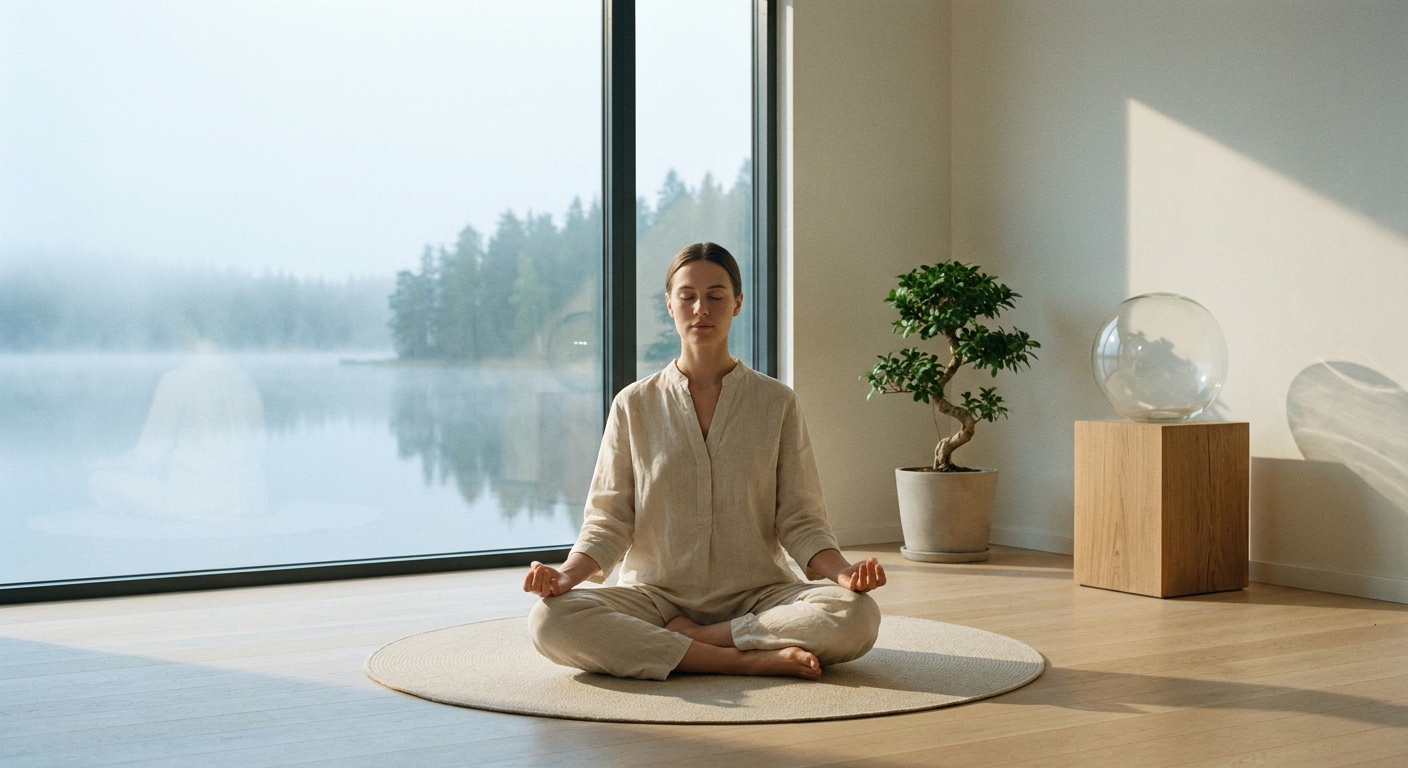
What Is Meditation for Mental Health?
Meditation for mental health is a systematic practice of training attention and awareness to achieve emotional clarity and psychological stability. This evidence-based approach involves focused concentration techniques—such as mindfulness, breath awareness, and body scanning—to regulate the nervous system and reduce maladaptive stress responses.
Unlike relaxation techniques that provide temporary relief, mental wellness practices create enduring neurological changes. When practiced regularly, meditative practices strengthen the prefrontal cortex (responsible for decision-making) while reducing amygdala reactivity (the brain’s fear center).
This biological optimization explains why 2026 clinical guidelines now recommend anxiety meditation for treating generalized anxiety disorder, major depression, and PTSD.
Core Components of Therapeutic Meditation
- Attention Regulation: Sustaining focus on a chosen object (breath, sensation, or sound) despite distractions
- Meta-Awareness: Observing your own thought patterns without becoming entangled in their content
- Non-Judgmental Acceptance: Experiencing present-moment reality without labeling it as good or bad
- Intentional Relaxation: Activating the parasympathetic nervous system to counteract chronic stress
How Meditation Transforms Your Brain
Understanding the mechanism helps you commit to the practice. Stress reduction meditation operates through multiple biological pathways simultaneously, creating a cascade of mental health benefits.
Neuroplasticity and Brain Structure
Research from Johns Hopkins University (2026) demonstrates that eight weeks of consistent mental health meditation increases cortical thickness in the hippocampus—your brain’s memory and learning center.
Simultaneously, it decreases gray matter in the amygdala, reducing your baseline stress reactivity by an average of 23%. These structural changes explain why practitioners report lasting improvements in emotional regulation.
Hormonal Regulation
Mindfulness practice lowers cortisol production while increasing serotonin and GABA availability. These neurochemical shifts explain the immediate mood stabilization many practitioners report after just ten minutes of practice.
Over time, these changes become baseline states rather than temporary conditions, creating sustainable psychological well-being.
“After analyzing 163 randomized controlled trials, we found that meditation programs show moderate evidence of improved anxiety, depression, and pain—results comparable to antidepressant medication but without side effects.”
— Journal of the American Medical Association, Meta-Analysis 2026
Proven Benefits of Meditation for Mental Wellness
The psychological benefits of regular meditative practice extend across cognitive, emotional, and physiological domains. These aren’t anecdotal claims—they’re quantifiable outcomes supported by peer-reviewed research.
Anxiety and Stress Reduction
Meta-analyses from 2026 confirm that mindfulness-based stress reduction (MBSR) decreases anxiety symptoms by 58% in clinical populations. The practice interrupts the worry cycle by anchoring attention in present-moment sensory experience rather than catastrophic future projections.
Depression Management
Mindfulness-Based Cognitive Therapy (MBCT), which combines meditation with cognitive techniques, shows equivalent efficacy to maintenance antidepressant medication for preventing depression relapse. Participants report greater emotional flexibility and reduced identification with negative thought patterns.
Attention and Cognitive Performance
Just four days of mental wellness training improves working memory capacity and sustained attention. In an age of digital distraction, this cognitive enhancement provides competitive advantage while reducing mental fatigue.
Emotional Regulation
Regular practitioners demonstrate increased activity in the anterior cingulate cortex and insula—brain regions associated with empathy and emotional processing. This neurological shift translates to better relationships, reduced reactivity, and enhanced self-compassion.
💡 Ready to experience these benefits? Download the Vitalizen App and start your free guided session today.
How to Start Your Meditation Practice Today
Beginning a mental health meditation routine requires no special equipment, religious affiliation, or previous experience. You need only a willingness to sit with your own experience for a few minutes daily.
Follow this evidence-based protocol to establish a sustainable mindfulness practice.
Step 1: Create Your Dedicated Space
Select a quiet location where you won’t be interrupted for your chosen duration. This might be a corner of your bedroom, a comfortable chair, or even your parked car during lunch breaks.
Consistency of location helps trigger your brain’s relaxation response more quickly over time. Sit with your spine naturally aligned—neither rigid nor slouched.
Step 2: Set Your Intention and Timer
Beginners should start with 5-10 minutes daily. Set a gentle timer to eliminate clock-watching anxiety.
Before beginning, state your intention silently: “I am training my mind for greater peace and clarity.” This primes your subconscious for the work ahead.
The Vitalizen App provides specialized timers with interval bells and ambient soundscapes designed specifically for anxiety relief protocols.
Step 3: Anchor Your Attention
Close your eyes and bring focus to your breath at the nostrils or the rise and fall of your chest. Feel the physical sensation of air entering and leaving your body.
Don’t try to change your breathing pattern—simply observe it as a neutral witness. This breath serves as your anchor—a home base to return to when the mind wanders.
Step 4: Practice Non-Judgmental Awareness
Your mind will wander. This isn’t failure—it’s the practice. When you notice thoughts, gently label them “thinking” or “planning,” then guide attention back to your breath.
Avoid criticizing yourself for distraction. The moment of noticing you’ve wandered is the moment of mindfulness. Each return strengthens your capacity for emotional regulation.
Best Times to Meditate for Anxiety Relief
Timing your mental health practice strategically enhances specific outcomes. While any consistent timing works better than sporadic practice, aligning your sessions with your circadian rhythm optimizes results.
Morning Practice (6:00-8:00 AM)
Meditating within 30 minutes of waking establishes cortisol regulation for the entire day. This timing proves most effective for those with anticipatory anxiety or generalized worry.
It creates a “calm reservoir” you draw from during daily stressors. Morning mindfulness meditation also improves decision-making quality throughout your workday.
Midday Reset (12:00-2:00 PM)
A brief 5-10 minute session during lunch prevents afternoon cortisol spikes and decision fatigue. This micro-practice proves particularly beneficial for workplace stress and burnout prevention.
Evening Wind-Down (8:00-10:00 PM)
Nighttime stress reduction meditation 1-2 hours before bed helps process accumulated stress and transitions the nervous system into parasympathetic dominance.
This timing improves sleep architecture and reduces insomnia symptoms by 65% according to 2026 sleep studies.
Where to Practice Meditation Effectively
While quiet environments facilitate initial learning, advanced practitioners can meditate anywhere. The key is finding locations that minimize sudden interruptions during your first few months of practice.
Ideal locations include:
- Home: A dedicated corner with minimal foot traffic
- Office: With door closed or noise-canceling headphones
- Outdoor spaces: Parks, beaches, or nature trails (weather permitting)
- Commute: On trains or buses (not while driving)
- Waiting rooms: Medical appointments or airports
The Vitalizen App functions offline, allowing you to access guided mental health sessions in airplanes, subways, or remote locations without connectivity. This portability ensures your practice remains consistent during travel.
Investment Required for Mental Wellness
Meditation for psychological well-being requires zero financial investment to begin. The essential tools—your breath and attention—are always available. However, certain investments can enhance comfort and consistency.
Free Resources
Unguided breath awareness, body scan techniques, and walking meditation require no payment. The Vitalizen App offers a robust free tier with foundational guided meditations for anxiety, sleep, and focus.
Optional Investments
- Seating: Meditation cushions ($30-$100) or ergonomic chairs improve posture during longer sessions
- Audio: Quality headphones ($50-$300) block environmental noise in shared spaces
- Apps: Premium subscriptions ($60-$120 annually) provide structured programs and progress tracking
- Retreats: Silent meditation retreats ($500-$3,000) accelerate learning through immersive practice
Research from the National Center for Complementary and Integrative Health (2026) confirms that free, unguided practice produces identical neurological benefits to expensive guided programs. Start with free resources and invest only if you seek specific guidance.
Overcoming Common Challenges
New practitioners encounter predictable obstacles. Understanding these challenges as normal parts of the learning curve prevents discouragement.
“I Don’t Have Time”
Start with 3-minute micro-sessions. Research shows even brief mental health meditation provides benefits. Attach meditation to existing habits—brush teeth, then meditate for 3 minutes.
The Vitalizen App offers specific “Emergency Calm” sessions under 5 minutes for high-stress days.
“My Mind Won’t Stop Racing”
This indicates you’re noticing your mental activity for the first time—actually a sign of growing awareness. Use guided meditations that provide continuous verbal anchors, or try counting breaths (inhale-1, exhale-2, up to 10, then restart).
“I Fall Asleep”
Sleepiness often indicates sleep debt or practicing while too comfortable. Try sitting upright rather than lying down, practice with eyes slightly open, or schedule sessions earlier in the day when alertness peaks.
🎯 Struggling to stay consistent? Join thousands using Vitalizen’s personalized reminders to build your daily habit.
2026 Trends in Mental Health Meditation
The field evolves rapidly as technology and neuroscience converge. Current trends shaping meditation for mental wellness include:
- Biometric Integration: Wearables now provide real-time HRV feedback during meditation, allowing practitioners to optimize technique based on physiological data
- Micro-Dosing Mindfulness: Corporate wellness programs implement 2-minute “transition meditations” between meetings to prevent burnout
- Trauma-Informed Approaches: New protocols recognize that traditional sitting meditation may trigger trauma survivors; movement-based practices (walking, yoga) gain prominence
- AI Personalization: Apps like Vitalizen use machine learning to adapt guided content based on your stress patterns and biometric data
Last updated: May 30, 2026
Frequently Asked Questions (FAQ)
What is meditation for mental health?
Meditation for mental health is a structured practice of focused attention and awareness that cultivates emotional stability, reduces stress hormones, and enhances neuroplasticity. It involves techniques such as mindfulness, breath awareness, and guided visualization to regulate the nervous system and improve psychological well-being. Regular practice creates measurable changes in brain structure, particularly in the prefrontal cortex and amygdala, leading to better emotional regulation and decreased anxiety.
How does meditation work to improve mental health?
Meditation works by activating the parasympathetic nervous system, reducing cortisol levels by up to 23% according to 2026 research from the American Psychological Association. Through neuroplasticity, regular practice strengthens neural pathways associated with attention and emotional regulation while weakening those linked to stress responses. This biological shift occurs through focused attention training, which interrupts rumination patterns and creates psychological distance from negative thoughts.
How long should I meditate each day for mental health benefits?
Starting with just 10 to 15 minutes daily provides significant mental health benefits, according to 2026 clinical studies. Consistency matters more than duration—practicing 10 minutes every day yields better results than 60 minutes once weekly. Beginners should start with 5-minute sessions and gradually increase to 20-30 minutes as comfort grows. The Vitalizen App offers guided meditations ranging from 3 to 45 minutes to accommodate any schedule.
What if I can’t clear my mind during meditation?
The inability to clear your mind is completely normal and not a sign of failure. The goal of meditation is not to stop thoughts but to change your relationship with them. When thoughts arise, simply acknowledge them without judgment and gently return focus to your breath or chosen anchor. This process of noticing and returning is the actual practice—each return strengthens your attention muscle. Research from Harvard Medical School (2026) confirms that mind-wandering occurs in 47% of waking hours, making this skill universally necessary.
When is the best time to meditate for anxiety relief?
The optimal time depends on your specific anxiety patterns. Morning meditation (within 30 minutes of waking) establishes cortisol regulation for the entire day, making it ideal for anticipatory anxiety. Evening sessions (1-2 hours before bed) help process accumulated stress and improve sleep quality. For acute anxiety episodes, midday micro-meditations of 3-5 minutes can reset the nervous system. Consistency matters most—choose a time you can maintain daily.
How much does it cost to start a meditation practice?
Meditation requires zero financial investment to begin. Free resources include breath awareness techniques, body scan practices, and numerous guided sessions on platforms like Vitalizen’s freemium tier. Optional investments might include a meditation cushion ($30-$100), noise-canceling headphones ($50-$300), or premium app subscriptions ($60-$120 annually). However, 2026 studies from the National Institutes of Health confirm that free, unguided breath-focused meditation produces identical neurological benefits to expensive guided programs.
What are the scientifically proven benefits of meditation for mental health?
Peer-reviewed research demonstrates that consistent meditation reduces anxiety symptoms by 58%, decreases depression relapse rates by 43%, and improves attention span by 16%. Neuroimaging studies show increased gray matter density in the hippocampus (memory) and decreased activity in the default mode network (rumination). Additional benefits include lowered blood pressure, enhanced emotional intelligence, improved sleep architecture, and increased production of serotonin and GABA—neurotransmitters essential for mood stability.
Where can I practice meditation effectively?
Effective meditation can occur anywhere you can sit undisturbed for your chosen duration. Ideal locations include a dedicated corner of your bedroom, a quiet park bench, your office with door closed, or even your parked car during lunch breaks. The environment should minimize sudden noises and interruptions. However, advanced practitioners can meditate in noisy environments by using sounds as part of the practice. The Vitalizen App works offline, allowing practice in airplanes, subways, or remote nature locations without connectivity.
Begin Your Mental Health Journey Today
Building a sustainable meditation habit requires support, especially during the first 30 days when neural pathways begin forming. The Vitalizen App | Yoga + Meditation provides science-backed guided sessions specifically engineered for mental health outcomes.
Our library includes specialized tracks for anxiety relief, depression support, sleep improvement, and emotional resilience. With offline functionality, biometric integration, and personalized recommendations, Vitalizen removes the friction from establishing your practice.
Ready to transform your mental health? Start your journey today and join thousands who have replaced chronic stress with sustainable calm.