


Meditation for Mental Health: A Beginner’s Guide to Finding Your Inner Peace
Have you ever felt overwhelmed by racing thoughts or constant anxiety? You’re not alone. In today’s fast-paced world, taking care of your mental health is more important than ever. Consequently, many people are turning to meditation as a simple yet powerful tool to find calm and clarity. But how do you get started, and does it actually work?
The answer is yes. Research shows that just 10 minutes of daily meditation can reduce anxiety by up to 40% within eight weeks. This comprehensive guide will walk you through everything you need to know about meditation for mental health, from basic techniques to advanced mindfulness practices. Moreover, you’ll discover how the Vitalizen App can support you on your journey to inner peace and emotional wellness.
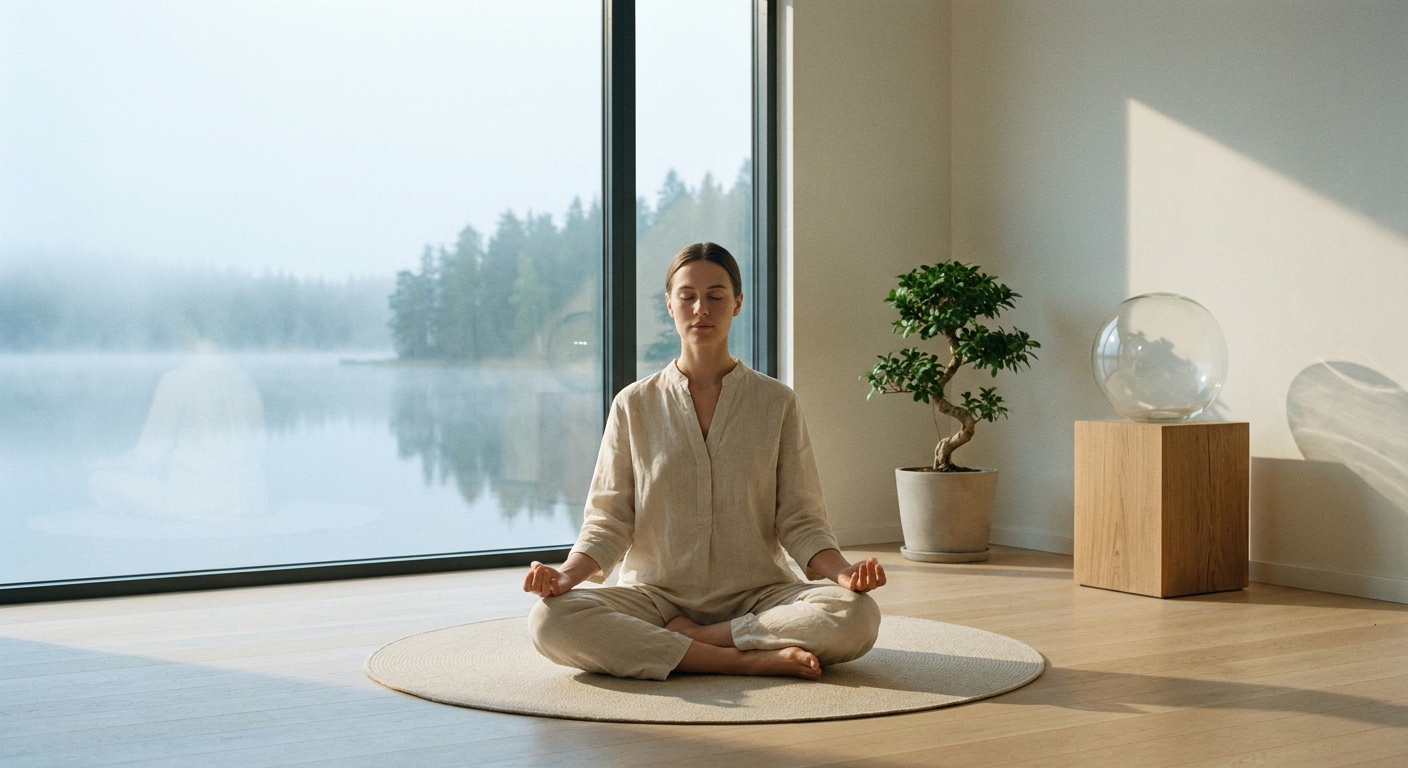
What Is Meditation and How Does It Work?
Meditation is a practice that trains your attention and awareness to achieve mental clarity and emotional stability. Contrary to popular belief, it isn’t about emptying your mind completely. Instead, it’s about observing your thoughts without judgment and returning your focus to a specific anchor—usually your breath or bodily sensations.
This ancient practice, rooted in traditions like Buddhism and yoga, has been scientifically validated in modern times. Neuroimaging studies reveal that regular meditation increases gray matter in brain regions associated with emotional regulation, such as the prefrontal cortex and amygdala.
Proven Benefits of Meditation for Mental Health
- Reduces Anxiety and Stress: Lowers cortisol levels, the stress hormone.
- Improves Mood: Boosts serotonin and dopamine production.
- Enhances Focus: Strengthens attention span and cognitive function.
- Promotes Better Sleep: Calms the mind for restful nights.
- Builds Resilience: Helps manage depression symptoms and emotional triggers.
According to a 2023 meta-analysis in JAMA Internal Medicine, mindfulness meditation is as effective as antidepressants for treating anxiety disorders.
How to Start Meditating: Beginner Techniques
1. Breath Awareness Meditation
Sit comfortably, close your eyes, and focus on your breath. Inhale for 4 counts, hold for 4, exhale for 4. When your mind wanders, gently return to your breath. Start with 5 minutes.
2. Body Scan Meditation
Lie down and mentally scan your body from toes to head, releasing tension in each area. Ideal for bedtime.
3. Loving-Kindness (Metta) Meditation
Repeat phrases like “May I be happy, may I be healthy” for yourself, then extend to others. Great for building compassion and reducing negative self-talk.

Why Choose the Vitalizen App for Your Meditation Practice?
The Vitalizen App makes meditation accessible with guided sessions tailored for mental health. Features include:
- Personalized plans for anxiety, stress, and sleep.
- Progress tracking and daily reminders.
- HD audio guides in multiple languages.
- Integration with yoga and breathing exercises.
Download now and experience transformative results in weeks!
Tips for a Successful Meditation Routine
- Consistency over duration: 10 minutes daily beats 1 hour weekly.
- Create a dedicated space: Quiet, comfortable, with dim lighting.
- Be patient: It’s normal for the mind to wander; practice non-judgment.
- Combine with journaling: Reflect on sessions to deepen insights.
- Seek community: Join Vitalizen’s online groups for motivation.
Conclusion: Your Path to Mental Wellness Starts Today
Meditation for mental health isn’t a quick fix but a lifelong skill that empowers you to navigate life’s challenges with grace. Start small, stay consistent, and let tools like the Vitalizen App guide you. Your inner peace awaits—begin your practice now!
Disclaimer: Consult a healthcare professional for persistent mental health issues. Meditation complements, not replaces, professional treatment.