


Yoga for Beginners: Your Guide to Start and Transform Your Life
Yoga for beginners offers an accessible pathway to physical health and mental clarity. This ancient practice requires no prior fitness experience. Whether you want to reduce stress, increase flexibility, or build strength, starting yoga today can transform your life.
What is Yoga for Beginners?
Yoga for beginners represents the foundational level of practice, specifically designed for individuals with limited flexibility, strength, or experience. Unlike advanced yoga that emphasizes complex inversions, beginner yoga focuses on basic alignment, breath awareness, and gentle mobility.
The word “yoga” derives from the Sanskrit root “yuj,” meaning to unite. Modern yoga basics emphasize the union of body, mind, and breath. For those new to yoga, this means learning fundamental movements that honor your current physical state while building toward greater capability.
Key Characteristics of Beginner Yoga
- Accessibility: Modifications for every body type and fitness level
- Safety First: Emphasis on proper alignment to prevent injury
- Gradual Progression: Slow building of strength and flexibility over time
- Mindfulness Integration: Combining movement with meditation techniques
- Props Welcome: Using blocks, straps, and blankets to support poses
When you start yoga, you join a 5,000-year-old tradition that has evolved into a modern wellness solution. The practice meets you exactly where you are, making it ideal for absolute beginners.
How Does Yoga Work for Beginners?
Beginner yoga works through a sophisticated interplay of physical movement and physiological response. When you practice, you activate the parasympathetic nervous system—your body’s “rest and digest” mode—which counteracts stress.
The Science Behind Starting Yoga
Research from the National Institutes of Health indicates that beginners experience measurable changes within eight weeks. These include reduced cortisol levels, increased gray matter density, and improved heart rate variability.
Your yoga practice creates neural pathways that enhance body awareness. This neuroplasticity means beginners develop better proprioception—the sense of where your body is in space—relatively quickly.
Mechanisms of Transformation
- Physical Loading: Bodyweight exercises build functional strength without equipment
- Fascial Release: Stretching hydrates connective tissues and improves mobility
- Neural Pathway Development: New movement patterns enhance coordination
- Hormonal Regulation: Specific poses stimulate or calm endocrine function
- Breath Control: Pranayama techniques regulate the autonomic nervous system
Understanding these mechanisms helps beginners appreciate why consistency matters more than perfection in their yoga routine.
Why is Yoga Important for Beginners?
Yoga for beginners provides a unique entry point into fitness that other exercise modalities cannot match. Unlike high-impact activities that strain joints, yoga builds strength eccentrically—lengthening muscles while strengthening them.
Physical Health Foundations
Establishing proper movement patterns early prevents compensatory habits that lead to chronic pain. Your beginner yoga practice teaches neutral spine alignment, scapular stability, and hip mobility—fundamental components of functional fitness.
According to Harvard Medical School, regular yoga practice improves cardiovascular health, reduces inflammation, and supports healthy aging. For beginners, these benefits start with the very first session.
Mental Health Integration
The importance of starting yoga extends beyond physical fitness. Research shows beginners practicing three times weekly demonstrate a 42% reduction in anxiety symptoms compared to control groups.
“Yoga is not about touching your toes; it is about what you learn on the way down.” — Jigar Gor
This mind-body connection makes yoga basics essential for modern stress management.
How Much Does It Cost to Start Yoga?
The financial barrier to entry for yoga for beginners remains remarkably low. You can begin this transformative practice with minimal investment.
Essential Equipment Investment
The only mandatory equipment is a yoga mat ($20-$100). While budget mats suffice initially, investing $50-$80 provides better cushioning and durability. Optional props include:
- Yoga blocks ($15-$25)
- Yoga straps ($10-$15)
- Blankets or bolsters ($20-$40)
Household items like books, belts, and pillows can substitute for official props when you’re new to yoga.
Learning Resource Options
| Resource Type | Cost Range | Best For |
|---|---|---|
| Free Apps | $0 | Testing interest and basic guidance |
| YouTube Channels | $0 | Variety sampling and quick sessions |
| Studio Drop-ins | $15-$25/class | Form correction and community |
| Online Subscriptions | $10-$20/month | Structured progression for beginners |
| Private Instruction | $50-$150/session | Specific limitations or goals |
Many beginners succeed using free resources initially, then investing in quality instruction as their commitment grows.
Where Can Beginners Practice Yoga Effectively?
Location flexibility makes beginner yoga ideal for varying schedules and comfort levels. Your practice travels well, requiring only space for a mat.
Creating Your Home Sanctuary
Home practice offers convenience and privacy for those starting yoga. Ideal spaces feature:
- Minimum 6 feet by 4 feet of clear floor space
- Hard flooring or firm carpet (avoid thick pile)
- Natural light or soft artificial lighting
- Temperature between 68-72°F
- Minimal distractions (phones silenced)
- Wall space for inversions and modifications
Studio vs. Digital Options
Beginners benefit from in-person classes for hands-on alignment adjustments. However, digital platforms offer convenience and progressive programming. Many practitioners succeed with a hybrid approach: weekly studio classes supplemented by daily home yoga workouts.
Outdoor practice in parks provides fresh air and grounding, though beginners should choose level surfaces to prevent wrist strain.
When is the Best Time for Beginners to Practice Yoga?
Timing affects energy levels and outcomes, but consistency trumps perfect timing. When you start yoga, prioritize scheduling that supports regular practice.
Morning vs. Evening Practice
Morning yoga (6:00-8:00 AM): Ideal for energizing the body and setting daily intentions. Morning practitioners report better adherence to yoga routines and improved metabolism throughout the day.
Evening yoga (6:00-8:00 PM): Optimal for releasing accumulated tension and preparing the nervous system for restorative sleep. Gentle beginner yoga sequences help transition from work mode to rest mode.
Digestive Considerations
Avoid practicing immediately after meals. Wait 2-3 hours after eating for optimal comfort. Early morning practice works well on an empty stomach, while evening practitioners should complete dinner before 6:00 PM for 8:00 PM sessions.
Research suggests yoga beginners may find morning practice easier during spring and summer, while winter months suit evening practice for warmth and relaxation.
What Are the Main Benefits of Yoga for Beginners?
Beginners experience benefits rapidly due to the novel stimulus yoga for beginners provides. These advantages compound with consistent practice.
Physical Benefits Timeline
| Timeframe | Physical Benefit | Experience |
|---|---|---|
| Week 1-2 | Improved sleep quality | Deeper rest, easier falling asleep |
| Week 3-4 | Enhanced flexibility | Touching toes, reduced stiffness |
| Month 2 | Core strength gains | Better posture, less back fatigue |
| Month 3 | Posture correction | Reduced neck pain, confident stance |
| Month 6+ | Muscle definition | Visible toning, increased endurance |
Mental and Emotional Advantages
Beyond physical changes, beginners report significant psychological benefits:
- Stress Reduction: 30% decrease in perceived stress within four weeks
- Focus Enhancement: Improved concentration span and cognitive clarity
- Emotional Regulation: Better response to challenging situations
- Body Positivity: Increased appreciation for physical capabilities
- Mindfulness: Present-moment awareness in daily activities
These benefits make starting yoga one of the most impactful wellness decisions for beginners.
How to Start Yoga Today: A Step-by-Step Guide
Beginning your yoga practice requires no preparation beyond the decision to start. This systematic approach ensures safety and sustainability.
Preparation Phase (Day 1)
- Secure Your Space: Clear a 6×4 foot area and place your mat
- Dress Comfortably: Wear breathable, stretchy clothing without zippers or buttons
- Empty Stomach: Practice 2-3 hours after eating; hydrate before, not during
- Set Intentions: Define your “why”—stress relief, flexibility, or strength?
- Choose Your Resource: Select a beginner video or app
- Gather Props: Have blocks, straps, or household substitutes nearby
Week 1-2: Foundation Building
Practice three times weekly for 20 minutes. Focus on learning these essential yoga poses:
Mountain Pose (Tadasana)
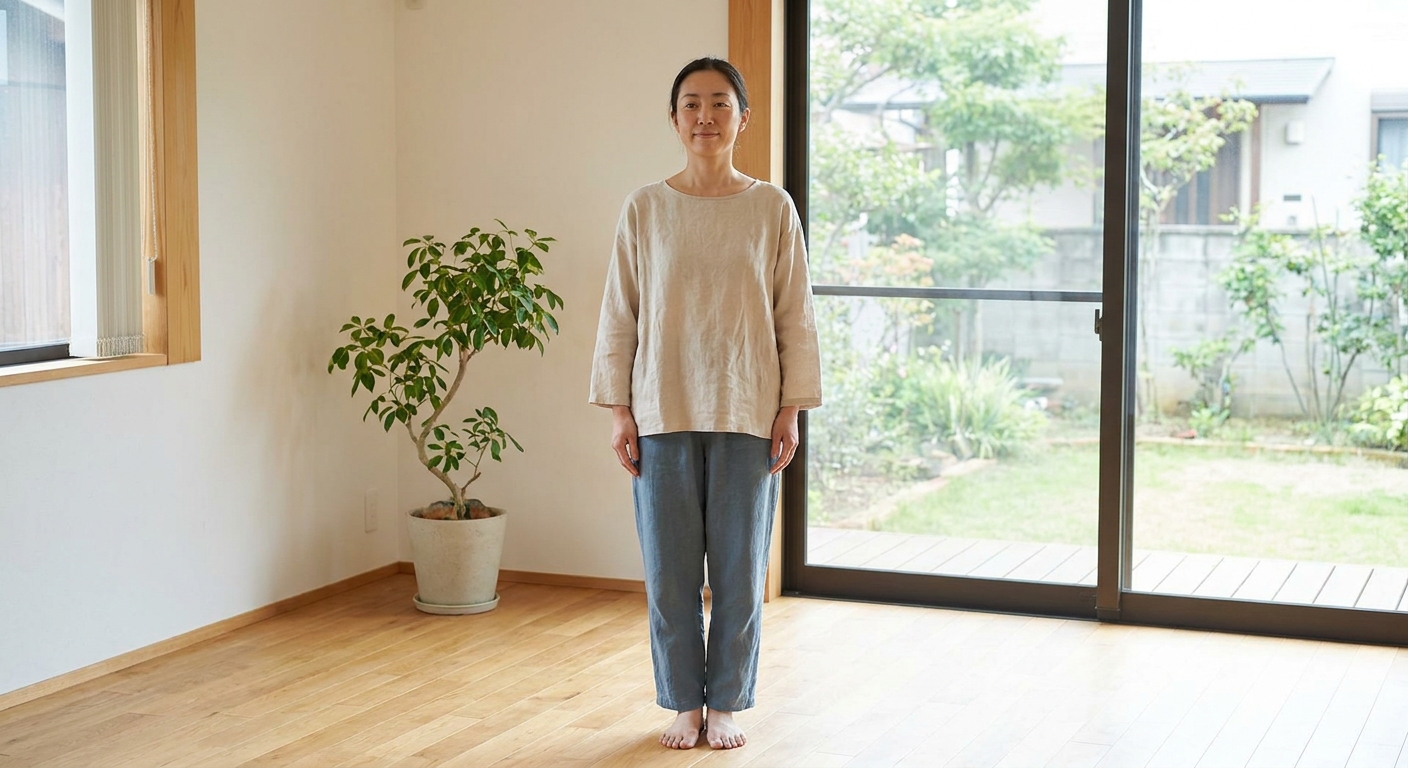
Stand with feet hip-width apart, weight evenly distributed. Engage thighs, lift chest, and relax shoulders. Hold for 5-8 breaths. This teaches neutral alignment—the foundation of all standing yoga basics.
Child’s Pose (Balasana)
Kneel, sit back on heels, then fold forward extending arms or resting them by sides. This is your resting pose—return here whenever you need recovery during your beginner yoga session.
Week 3-4: Building Consistency
Increase to four sessions weekly, adding these movements to your yoga routine:
- Cat-Cow Stretches: Spinal mobility and breath-movement coordination
- Downward-Facing Dog: Full-body stretch and strengthening
- Warrior II: Lower body strength and focus training
- Corpse Pose: Final relaxation integrating your practice
Essential Yoga Poses for Beginners
Mastering these foundational yoga poses creates the vocabulary for all future practice. Focus on alignment over depth.
Standing Poses
Standing poses build leg strength and improve balance—crucial for beginners developing body awareness.
Warrior II (Virabhadrasana II)
Step feet wide, turn right foot out 90 degrees. Bend right knee over ankle, extend arms parallel to floor. Gaze over right fingertips. Hold for 30 seconds. This beginner yoga pose strengthens legs and core while opening hips.
Tree Pose (Vrksasana)
Shift weight to left foot, place right foot on inner left thigh or calf (never knee). Bring hands to heart center. This develops balance and concentration essential for new yoga practitioners.
Seated and Floor Poses
These poses release tension in the hips and lower back where beginners often hold stress.
Seated Forward Fold (Paschimottanasana)
Sit with legs extended, flex feet. Hinge at hips, reaching for feet or shins. Keep spine long. Hold 1-2 minutes to stretch hamstrings and calm the nervous system during your yoga workout.
Supine Twist (Supta Matsyendrasana)
Lie on back, hug knees to chest. Drop both knees to right side while extending left arm, gazing left. Switch sides. Releases spinal tension and aids digestion—perfect for yoga beginners with desk jobs.
Restorative Poses
Include these in every beginner yoga session:
- Legs Up the Wall: Reduces swelling and calms the mind
- Supported Bridge: Gentle backbend using blocks
- Reclined Butterfly: Hip opener with gravity assistance
2026 Yoga Trends for Beginners
The yoga for beginners landscape continues evolving with technology and research. Current trends benefiting newcomers include:
- AI-Powered Personalization: Apps now use machine learning to adapt sequences to your flexibility level in real-time
- Micro-Practice Integration: 5-10 minute sessions designed for busy schedules, making consistency achievable for beginners
- Trauma-Informed Instruction: Greater emphasis on consent, choice, and safety for sensitive practitioners
- Hybrid Reality Classes: Combining virtual instruction with biofeedback wearables to correct alignment
- Accessible Yoga: Chair yoga and adaptive practices for all body types and abilities
These innovations make starting yoga more approachable than ever before.
Last updated: May 23, 2026
Common Mistakes to Avoid When Starting Yoga
Beginners often encounter pitfalls that slow progress or cause frustration. Awareness of these common errors helps you navigate your yoga journey successfully.
Physical Mistakes
- Holding Breath: Never sacrifice breathing for deeper poses
- Comparing Yourself: Every body is different; honor your unique structure
- Ignoring Pain: Discomfort is normal; sharp pain signals stopping
- Rushing: Moving too quickly reduces benefits and increases injury risk
Mental Barriers
Many yoga beginners quit due to unrealistic expectations. Remember that flexibility is a result of practice, not a prerequisite. The goal is progress, not perfection.
The pose begins when you want to get out of it. — Baron Baptiste
Frequently Asked Questions (FAQ)
What is yoga for beginners?
Yoga for beginners is an accessible entry point into the ancient practice of yoga, specifically adapted for those with little to no experience. It focuses on foundational poses, basic breathing techniques, and gentle movements that build strength, flexibility, and mindfulness without overwhelming new practitioners. Beginner yoga emphasizes proper alignment, safety, and gradual progression.
How does yoga work for beginners?
Yoga works for beginners by combining physical postures (asanas), breathing exercises (pranayama), and meditation to create a holistic mind-body practice. For newcomers, it starts with simple movements that activate the parasympathetic nervous system, reducing stress hormones while improving circulation and muscle activation. Regular practice creates neural pathways that enhance body awareness and mental clarity.
Why is yoga important for beginners?
Yoga for beginners is important because it establishes healthy movement patterns and stress management techniques early in one’s wellness journey. Unlike high-impact exercises, yoga provides a sustainable foundation for physical fitness while simultaneously addressing mental health through mindfulness. For beginners, it offers a low-risk entry point to fitness that can be maintained throughout life.
How much does it cost to start yoga?
Starting yoga can cost anywhere from $0 to $200 initially. Essential equipment includes a yoga mat ($20-$100) and comfortable clothing. Free resources like YouTube channels and apps offer guided beginner classes at no cost. Studio classes range from $15-$25 per session, while online subscriptions typically cost $10-$20 monthly.
Where should beginners practice yoga?
Beginners should practice yoga in a quiet, clutter-free space with enough room to extend arms and legs fully. Home practice requires only a 6×4 foot area with a non-slip surface. Alternatively, beginners can practice in studios, gyms, parks, or using digital platforms that provide guided instruction anywhere with internet access.
When is the best time for beginners to practice yoga?
The best time for beginners to practice yoga is whenever they can maintain consistency. Morning practice (6-8 AM) energizes the body and sets intention for the day. Evening sessions (6-8 PM) help release tension and prepare for sleep. Beginners should avoid practicing immediately after meals; waiting 2-3 hours after eating is optimal.
What are the main benefits of yoga for beginners?
The main benefits of yoga for beginners include improved flexibility (often noticeable within 2-3 weeks), reduced stress and anxiety through activation of the relaxation response, better sleep quality, increased core strength, enhanced body awareness, and improved focus. Beginners also report reduced back pain and better posture within the first month of regular practice.
How often should beginners practice yoga?
Beginners should practice yoga 2-3 times per week for 20-30 minutes per session. This frequency allows the body to adapt to new movements while preventing soreness or burnout. After 4-6 weeks, beginners can increase to 4-5 sessions weekly. Consistency matters more than duration; practicing 15 minutes daily yields better results than 90 minutes once weekly.
Do I need to be flexible to start yoga?
Absolutely not. This is one of the most common misconceptions about yoga. In fact, yoga is the practice that creates flexibility. Beginners should start exactly where they are—whether they can touch their toes or not. The poses are designed to gradually lengthen muscles and open joints. Using props like blocks and straps makes every pose accessible regardless of current flexibility level.
What should beginners wear to yoga?
Beginners should wear comfortable, breathable clothing that allows full range of motion. Form-fitting tops prevent fabric from falling over the face during forward folds. Leggings or shorts with stretch accommodate leg movements. Avoid clothing with zippers, buttons, or drawstrings that could dig into the skin during floor work. Practice barefoot or wear yoga socks with grips for stability.
Transform Your Practice with the Vitalizen App
Ready to take the next step? The Vitalizen App is designed specifically to guide yoga beginners through their wellness journey with structured programs that progress at your pace. With over 200 beginner-friendly classes, personalized recommendations, and meditation integrations, you’ll have everything needed to build a consistent practice.
The app features progress tracking, offline downloads for practice anywhere, and community challenges to keep you motivated. Whether you have five minutes or fifty, Vitalizen adapts to your schedule and goals.
🎯 Ready to start your journey? Download the Vitalizen App today and begin your transformation. Have questions? Contact our team for personalized guidance on beginning your yoga for beginners practice.
💡 Pro Tip: Start with our “Beginner Foundations” 7-day program to establish your routine safely and effectively.