

Yoga and Meditation for Beginners: Your Guide to Inner Peace
Yoga and meditation are transformative practices that enhance mental clarity and physical wellbeing through mindful movement and breath awareness. These ancient disciplines offer accessible pathways to reduce stress, improve focus, and cultivate lasting inner peace. Whether you struggle with anxiety, poor sleep, or simply seek greater balance, establishing a regular yoga and meditation practice can fundamentally improve your quality of life within just a few weeks.
Modern research continues to validate what practitioners have known for millennia: combining physical postures with mental training creates profound changes in brain structure and function. You don’t need flexibility, special equipment, or previous experience to begin. You simply need the willingness to show up for yourself.

What Are Yoga and Meditation?
Yoga is a 5,000-year-old practice originating in India that combines physical postures (asanas), breathing techniques (pranayama), and meditation to promote holistic health. Unlike typical fitness routines, yoga emphasizes the connection between mind, body, and spirit through intentional movement and awareness.
Meditation, often integrated into yoga practice, involves training your attention to achieve mental clarity and emotional stability. This mental discipline requires focusing on a specific object, thought, or activity to develop concentration and mindfulness. Together, yoga and meditation create a comprehensive wellness system accessible to everyone regardless of age or fitness level.
Science-Backed Benefits of Yoga and Meditation
The benefits of yoga and meditation extend far beyond temporary relaxation. According to research from the National Institutes of Health, regular yoga practice reduces lower back pain and improves sleep quality significantly. Similarly, the NIH reports on meditation demonstrate measurable reductions in blood pressure and anxiety symptoms.
Recent 2026 studies from the American Psychological Association reveal that individuals practicing mindfulness meditation show a 32% reduction in cortisol levels within eight weeks. Additionally, research published by Harvard Medical School demonstrates that consistent yoga practitioners experience improved cardiovascular health and reduced chronic inflammation compared to control groups.
Regular engagement with yoga and meditation leads to:
- Enhanced flexibility and muscle strength
- Improved respiratory and cardiovascular function
- Stress reduction and better emotional regulation
- Increased energy and vitality
- Better sleep quality and duration
- Heightened self-awareness and concentration
Essential Yoga Poses for Beginners
Starting your yoga journey requires mastering foundational poses that build strength and flexibility safely. These beginner-friendly asanas require no special equipment and can be modified for any body type.
1. Mountain Pose (Tadasana)
This foundational standing pose teaches proper alignment and body awareness. Stand with feet hip-width apart, distribute weight evenly, engage your thighs, and lengthen your spine while relaxing your shoulders. Hold for 30 seconds to 1 minute, focusing on your breath.
2. Child’s Pose (Balasana)
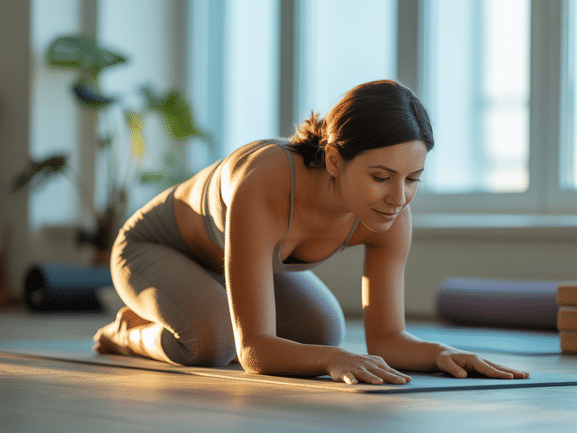
A restorative resting position that gently stretches the hips, thighs, and ankles while calming the nervous system. Kneel on the floor, touch your big toes together, sit on your heels, then fold forward extending your arms in front or alongside your body.
3. Downward-Facing Dog (Adho Mukha Svanasana)
This inverted V-shape pose strengthens arms and legs while stretching the spine and hamstrings. Begin on hands and knees, lift your hips toward the ceiling, and press your heels toward the floor while keeping your head between your upper arms.
4. Cat-Cow Stretch (Marjaryasana-Bitilasana)
This flowing sequence warms up the spine and connects movement with breath. Alternate between arching your back (cow) on the inhale and rounding your spine (cat) on the exhale while on all fours.
Meditation Techniques for Beginners
Meditation becomes less intimidating when you understand that it is simply the practice of returning your attention to the present moment. These accessible techniques require no special cushions or apps—just a quiet space and 5-10 minutes.
Mindfulness Breathing
Sit comfortably with eyes closed or softly focused. Direct your attention to the natural rhythm of your breath without trying to change it. When your mind wanders—and it will—gently guide your focus back to the sensation of breathing. Start with 5 minutes daily.
Body Scan Meditation
Lie on your back and systematically bring awareness to each body part from toes to head. Notice sensations without judgment. This practice releases physical tension and grounds you in bodily awareness, making it excellent before sleep.
Loving-Kindness Meditation (Metta)
This heart-centered practice involves silently repeating phrases of goodwill toward yourself and others. Begin by wishing yourself happiness, health, and peace, then extend these wishes to loved ones, neutral people, and eventually all beings.
Creating Your Daily Practice Routine
Consistency matters more than duration when establishing yoga and meditation habits. Start with just 10-15 minutes daily rather than attempting hour-long sessions sporadically. Morning practice often proves most sustainable, setting a calm tone for the day, though evening sessions help release accumulated tension.
Designate a specific space in your home for practice—a corner with your mat and perhaps a cushion creates a psychological cue for mindfulness. Wear comfortable clothing that allows free movement, and avoid practicing on a full stomach.
Consider following these progressive guidelines:
- Week 1-2: 10 minutes of gentle yoga followed by 5 minutes of breathing meditation
- Week 3-4: Add one new pose and extend meditation to 10 minutes
- Month 2: Explore different meditation styles and longer yoga sequences
- Ongoing: Attend a local class or use guided videos to deepen your practice
Overcoming Common Beginner Challenges
Many beginners quit because they believe they “can’t meditate” when thoughts arise, or they feel discouraged by inflexibility. Remember that yoga is not about touching your toes—it is about what you learn on the way down. Similarly, meditation is not about stopping thoughts but changing your relationship with them.
If physical limitations prevent certain poses, use props like blocks, straps, or chairs. For meditation restlessness, try walking meditation or guided audio tracks. The goal is progress, not perfection.
Conclusion
Yoga and meditation offer profound tools for navigating modern life’s challenges with grace and resilience. By committing to these practices, you invest in your mental, physical, and emotional health simultaneously. Start where you are, use what you have, and do what you can. Your journey toward inner peace begins with a single breath.
Ready to begin? Roll out your mat, sit comfortably, and take three deep breaths right now. Your future self will thank you for starting today.