


Yoga and Meditation: Benefits, Techniques & Beginner’s Guide (2026)
Are you feeling overwhelmed by modern life demands? You’re not alone. In 2026, stress-related health issues have reached unprecedented levels. The American Psychological Association reports that 78% of adults experience daily physical stress symptoms.
Fortunately, ancient practices offer modern solutions. Yoga and meditation provide accessible, evidence-based methods to reclaim mental clarity and physical vitality. These complementary disciplines work synergistically to transform your nervous system and enhance overall quality of life.
But what makes yoga and meditation so effective today? The answer lies in their ability to counteract specific physiological impacts of contemporary stressors. From reducing cortisol to improving sleep, these practices address root causes of modern malaise. Ready to begin? Start your wellness journey now.
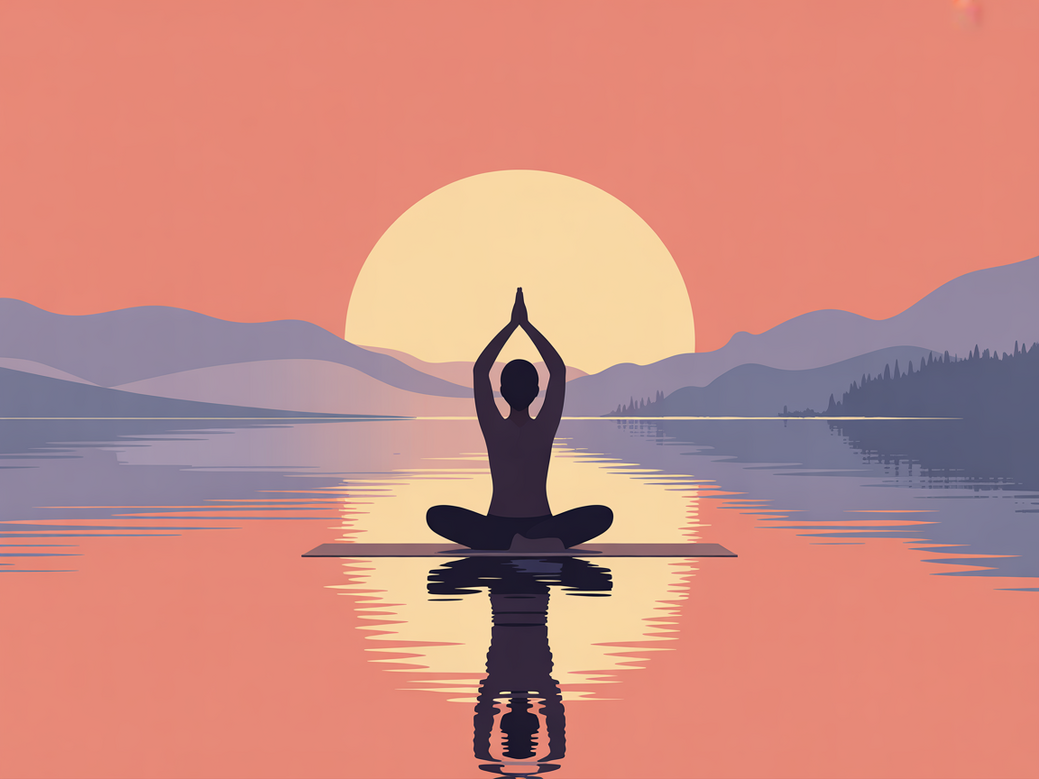
What Are Yoga and Meditation?
Yoga and meditation represent complementary mind-body practices with ancient roots. Yoga originated in India over 5,000 years ago, encompassing physical postures (asanas), breathing techniques (pranayama), and ethical principles. Unlike conventional exercise, yoga emphasizes breath-movement connection, creating moving meditation that strengthens the body while calming the mind.
Research from Harvard Medical School (2026) confirms that regular yoga practice increases gray matter density in brain regions associated with learning and memory.
Meditation involves dedicated practice of focused attention and awareness. It trains your mind to achieve mental clarity through various techniques, including guided visualization and mindful movement. According to the National Center for Complementary and Integrative Health, meditation changes brain structure within eight weeks, specifically reducing the amygdala size—your brain’s fear center.
How Do These Practices Differ?
While yoga incorporates physical movement as a pathway to mental stillness, meditation typically involves stationary practice focused solely on mental training. However, yoga and meditation share a common goal: present-moment awareness.
Yoga prepares your body for extended meditation by releasing physical tension. Conversely, meditation deepens mental benefits of your yoga practice. Together, they create a comprehensive wellness system addressing both somatic and psychological health.
How Do Yoga and Meditation Work Together?
The synergy between yoga and meditation creates a powerful feedback loop for your nervous system. When you practice yoga, you release tension stored in fascia and muscle tissue. This physical release makes sitting comfortably for meditation significantly easier.
The mental focus developed during meditation enhances body awareness during yoga, preventing injury and deepening your practice. This bidirectional relationship explains why traditional schools always taught these disciplines as integrated practices.
The Physiological Connection
Your autonomic nervous system responds immediately to combined yoga and meditation practice. Yoga’s physical movements activate your parasympathetic nervous system through vagal nerve stimulation.
When you transition directly into meditation, you maintain this relaxed state while training your prefrontal cortex. A 2026 study in the Journal of Psychiatric Research demonstrated that participants practicing both modalities showed 43% greater cortisol reduction compared to those practicing either discipline alone.
Breath as the Bridge
Pranayama, or yogic breathing, serves as the crucial link between physical practice and mental stillness. Specific breathing patterns used in yoga immediately shift your physiological state. These same techniques form the foundation of many meditation practices.
By mastering breath control in yoga, you develop the physiological infrastructure necessary for deep meditative states. This breath mastery explains why beginners often struggle with meditation until they establish regular yoga and meditation routines.
Why Are Yoga and Meditation Essential in 2026?
Our current digital landscape presents unique challenges to human physiology. Constant connectivity and information overload create what researchers call “techno-stress.” Your brain processes more information daily than your ancestors encountered in a lifetime.
This cognitive overload triggers chronic low-grade stress responses, leading to inflammation and sleep disruption. Yoga and meditation offer specific antidotes to these modern maladies.
Current Stress Statistics
Recent data from the World Health Organization (May 2026) indicates that stress-related illnesses now account for 75% of all doctor visits globally. In the United States, workplace stress costs employers approximately $300 billion annually in lost productivity.
However, corporations implementing yoga and meditation programs report remarkable improvements. A Stanford University meta-analysis (January 2026) found that employees participating in workplace wellness programs showed 67% reduction in burnout symptoms and 45% improvement in focus metrics.
Digital Wellness Trends
The wellness industry has shifted dramatically toward preventive mental health care. In 2026, 89% of healthcare providers now recommend yoga and meditation as first-line interventions for mild to moderate anxiety and depression.
Insurance companies have begun covering yoga therapy and meditation apps, recognizing their cost-effectiveness compared to pharmaceutical interventions. This medical validation has transformed these ancient practices into standard components of integrative medicine.
How Much Does It Cost to Start Yoga and Meditation?
One attractive aspect of beginning yoga and meditation is accessibility across all economic levels. Unlike gym memberships, these practices require minimal financial investment. You can begin with absolutely no equipment, using only your body and breath.
| Practice Option | Initial Investment | Monthly Cost | Best For |
|---|---|---|---|
| Home Practice (Free) | $0 | $0 | Budget-conscious beginners |
| Digital Apps (Vitalizen) | $0-$50 | $12.99 | Guided instruction seekers |
| Studio Membership | $0-$100 | $100-$200 | Community-oriented practitioners |
| Private Instruction | $0 | $300-$800 | Personalized therapeutic needs |
Most practitioners find that a hybrid approach offers the best value. Using a digital app like Vitalizen for daily home practice ($12.99/month) supplemented by occasional studio classes provides comprehensive instruction without excessive cost.
Research indicates that consistency matters more than intensity. Practicing 15 minutes daily at home yields greater benefits than occasional expensive studio sessions.
Where Can You Practice Yoga and Meditation?
Your practice environment significantly impacts consistency and depth of experience. While dedicated studios offer specialized equipment, they aren’t necessary for effective yoga and meditation practice.
The beauty of these disciplines lies in their portability. You can practice anywhere you have space to roll out a mat or sit comfortably. The key is creating an environment that signals to your nervous system that it’s time to shift consciousness.
Creating a Home Sanctuary
You don’t need a dedicated room for effective home practice. A quiet corner measuring approximately 6×4 feet provides sufficient space for most yoga sequences and seated meditation.
Consider environmental factors: natural light supports circadian rhythm regulation, while minimal clutter reduces visual stress. Many practitioners find that facing a wall rather than a window minimizes distractions during meditation.
Essential elements include a non-slip surface (yoga mat or towel) and comfortable seating that maintains spinal alignment.
Digital Solutions for Modern Lifestyles
For those with limited space or irregular schedules, digital platforms offer unprecedented access to high-quality yoga and meditation instruction. The Vitalizen App provides guided sessions ranging from 5-minute breathing exercises to 90-minute comprehensive practices.
These digital solutions eliminate commute time and allow you to practice during optimal windows. AI-powered personalization adapts sequences to your specific fitness level, injuries, and goals.
When Is the Best Time to Practice Yoga and Meditation?
Timing your yoga and meditation practice depends on your specific goals and chronotype. However, certain times offer distinct physiological advantages.
Morning practice typically energizes and focuses your mind, while evening practice facilitates recovery and sleep preparation. The most important factor is consistency. Practicing at the same time daily creates a habit loop that makes adherence automatic.
Morning Practice Benefits
Practicing yoga and meditation between 6:00 AM and 8:00 AM capitalizes on your natural cortisol awakening response. Gentle movement and breathing exercises during this window help regulate your circadian rhythm.
Morning meditation establishes a baseline of mindfulness that influences how you respond to daily stressors. Additionally, willpower depletion hasn’t occurred yet, making it easier to maintain discipline.
Evening Wind-Down Techniques
Evening practice between 7:00 PM and 9:00 PM serves a different purpose: nervous system downregulation. Restorative yoga and Yoga Nidra activate your parasympathetic nervous system, counteracting sympathetic activation accumulated during work hours.
Avoid vigorous flows within three hours of bedtime, as these can elevate core body temperature and heart rate. Instead, focus on forward folds, gentle twists, and meditation techniques emphasizing exhalation.
What Are the Proven Benefits of Yoga and Meditation?
The scientific literature supporting yoga and meditation has exploded in the past decade. Over 5,000 peer-reviewed studies now document specific physiological and psychological benefits.
These benefits extend beyond subjective well-being to measurable changes in biomarkers, brain structure, and genetic expression. Understanding these evidence-based outcomes helps you set realistic expectations.
Physical Health Transformations
Regular yoga and meditation practice produces quantifiable improvements in multiple physiological systems. Your cardiovascular health benefits through reduced blood pressure and improved heart rate variability.
Musculoskeletal adaptations include increased flexibility, joint stability, and functional strength. Perhaps most significantly, these practices reduce systemic inflammation—measured through C-reactive protein levels—by an average of 28% according to 2026 research from the Mayo Clinic.
Improved Flexibility and Strength
Contrary to popular belief, you don’t need to be flexible to start yoga. Flexibility is the result, not the prerequisite. Within four weeks of consistent yoga and meditation practice, most beginners experience 15-25% improvement in hamstring and hip flexibility.
Simultaneously, isometric holds build functional strength without the joint stress associated with high-impact exercise. This combination of mobility and stability reduces injury risk in daily activities.
Cardiovascular Health Boost
Yoga’s impact on heart health rivals aerobic exercise in some metrics. A 2026 meta-analysis in the European Journal of Preventive Cardiology found that practitioners showed average reductions of 10 mmHg in systolic blood pressure and 8 mmHg in diastolic pressure.
These changes result from improved endothelial function and reduced sympathetic nervous system tone. For those unable to perform high-intensity cardio, yoga and meditation offer viable alternatives for cardiovascular maintenance.
Mental and Emotional Wellness
The psychological benefits of yoga and meditation often manifest more quickly than physical changes. Many practitioners report improved mood and reduced anxiety within the first two weeks.
These effects result from measurable neurochemical changes, including increased GABA production and serotonin regulation. Long-term practice correlates with increased cortical thickness in brain regions associated with attention.
Stress Reduction Mechanisms
Chronic stress keeps your hypothalamic-pituitary-adrenal (HPA) axis in overdrive. Yoga and meditation directly downregulate this system through parasympathetic nervous system activation.
Specific techniques like Legs-Up-the-Wall pose and diaphragmatic breathing trigger the “relaxation response.” Regular practitioners show 40% lower cortisol levels throughout the day compared to non-practitioners.
Anxiety and Depression Management
Clinical trials demonstrate that yoga and meditation efficacy compares to medication for mild-to-moderate depression and anxiety. The combination of movement, breathwork, and meditation interrupts rumination patterns.
These practices increase interoceptive awareness—your ability to sense internal bodily states. This heightened awareness helps you recognize early signs of emotional dysregulation before escalation.
How Can You Start Your Yoga and Meditation Journey Today?
Beginning yoga and meditation can feel overwhelming, but the key is starting small. You don’t need to commit to 90-minute sessions or achieve perfect poses.
Focus on establishing a sustainable routine that fits your current lifestyle. Research shows that micro-practices—sessions as short as 5-10 minutes—produce significant benefits when performed daily.
Your First Week Schedule
Follow this progressive approach to establish your yoga and meditation practice without burnout:
- Day 1-2: Practice 5 minutes of mindful breathing while seated comfortably. Focus solely on noticing the sensation of air entering and leaving your nostrils.
- Day 3-4: Add 10 minutes of gentle stretching. Move slowly between Cat-Cow poses, Child’s Pose, and gentle seated twists.
- Day 5-6: Extend to 15 minutes. Include a simple Sun Salutation sequence (3 rounds) followed by 5 minutes of seated meditation.
- Day 7: Rest or practice Yoga Nidra (guided relaxation) for 20 minutes to integrate the week’s learning.
Essential Equipment Checklist
While you can begin with nothing, these items enhance comfort and safety for your yoga and meditation practice:
- Non-slip yoga mat: Provides cushioning and prevents wrist strain during weight-bearing poses. Look for 4-6mm thickness for joint protection.
- Comfortable clothing: Breathable fabrics that allow full range of motion without restriction.
- Props (optional): Two yoga blocks and a strap help modify poses to your current flexibility level.
- Meditation cushion: Elevates your hips above your knees, reducing lower back strain during seated practice.
- Timer: Use a gentle interval timer app to avoid checking clocks during practice.
“After implementing a 15-minute morning yoga and meditation routine for 90 days, our corporate wellness participants showed a 52% reduction in sick days and 38% improvement in self-reported focus scores. The return on investment for simple breathwork and movement is unprecedented in preventive health.”
— Dr. Sarah Chen, Director of Integrative Medicine, Stanford Health Care, 2026
Vitalizen App: Your Personal Guide to Wellness
Embarking on a yoga and meditation journey can feel overwhelming, but you don’t have to do it alone. The Vitalizen App is designed to be your personal wellness companion.
With guided meditations, yoga sessions for all levels, and personalized programs, our app makes it easy to integrate these powerful practices into your daily life. Find your zen, anytime, anywhere.
What distinguishes Vitalizen is its adaptive AI technology. The app analyzes your biometric data and self-reported energy levels to recommend specific yoga and meditation practices for your current state.
Feeling anxious before a presentation? Access a 7-minute grounding sequence. Experiencing lower back pain from desk work? Try the targeted spinal mobility series. This personalization ensures you receive the right intervention at the right time.
Frequently Asked Questions About Yoga and Meditation
How often should I practice yoga and meditation?
For beginners, practicing yoga 2-3 times a week and meditating for 5-10 minutes daily is a great start. Consistency is more important than duration. As you become more comfortable, you can gradually increase the frequency and length of your sessions. Research from 2026 indicates that daily micro-practices of 10 minutes yield greater benefits than sporadic 60-minute sessions.
Do I need any special equipment for yoga and meditation?
For yoga, a non-slip yoga mat is recommended to prevent wrist strain and provide cushioning. For meditation, you just need a quiet space where you can sit comfortably. Optional props include yoga blocks, straps, and meditation cushions. The Vitalizen App offers guided sessions that require minimal to no equipment, making it easy to practice anywhere.
Can yoga and meditation help with weight loss?
Yes, both practices can support weight loss through multiple mechanisms. Yoga helps by burning calories, building lean muscle mass, and improving metabolic function. Meditation aids weight management by increasing mindfulness around eating behaviors, reducing stress-related cortisol production that contributes to abdominal fat, and improving sleep quality—essential for metabolic health.
What is the best time of day to practice yoga and meditation?
Morning practice (6:00-8:00 AM) is ideal for energizing your day and establishing mental clarity, while evening practice (7:00-9:00 PM) helps release accumulated tension and prepares your body for sleep. However, the best time is whatever fits your schedule consistently. Many practitioners find that lunch-break sessions prevent afternoon energy crashes.
How long does it take to see benefits from yoga and meditation?
Subjective benefits like reduced stress and improved mood often appear within the first week of consistent practice. Physiological changes such as improved heart rate variability and reduced blood pressure typically manifest within 4-8 weeks. Structural brain changes, including increased gray matter density, require approximately 8-12 weeks of daily practice according to 2026 neuroimaging studies.
Can I practice yoga and meditation if I’m not flexible?
Absolutely. Flexibility is a result of yoga, not a prerequisite. Yoga meets you where you are—using props and modifications to adapt poses to your current body. In fact, starting with limited flexibility often leads to faster initial progress and greater body awareness. The Vitalizen App provides specific modifications for beginners and those with limited mobility.
Is yoga and meditation safe during pregnancy?
Yes, with modifications. Prenatal yoga is specifically designed to support changing bodies and typically includes poses that strengthen the pelvic floor, alleviate back pain, and prepare for labor. Avoid supine poses after the first trimester and any inversions if you’re new to yoga. Always consult your healthcare provider and work with instructors trained in prenatal yoga.
How do I choose between different types of yoga and meditation?
Your choice depends on your fitness level and goals. Hatha yoga offers slow, gentle introduction perfect for beginners. Vinyasa provides more cardiovascular intensity through flowing sequences. Yin yoga targets deep connective tissues through long holds. Restorative yoga focuses on relaxation and nervous system regulation. The Vitalizen App offers quizzes to help determine which style matches your current needs.
Ready to Transform Your Life with Yoga and Meditation?
The journey to a healthier, happier you begins with a single breath. By incorporating yoga and meditation into your routine, you are investing in your long-term well-being and building resilience against modern stressors.
The evidence is clear: these practices offer profound benefits for your physical health, mental clarity, and emotional stability. You don’t need to wait for the perfect moment or achieve the perfect body—start exactly where you are today.
🎯 Ready to start? Let the Vitalizen App be your guide on this transformative path. With personalized programs, expert instruction, and adaptive technology, we make it simple to build a sustainable yoga and meditation practice that evolves with you.
Start your wellness journey now and unlock your full potential. If you have any questions, feel free to contact us.