


Yoga and Meditation: Your Path to a Stress-Free Life
Yoga and meditation offer powerful, natural solutions for modern stress. In the hustle and bustle of contemporary life, finding a moment of peace can feel like a challenge. However, what if the key to a calmer, more centered you was already within reach? Discover how yoga and meditation can transform your response to stress, and how Vitalizen App can guide you on this transformative journey.
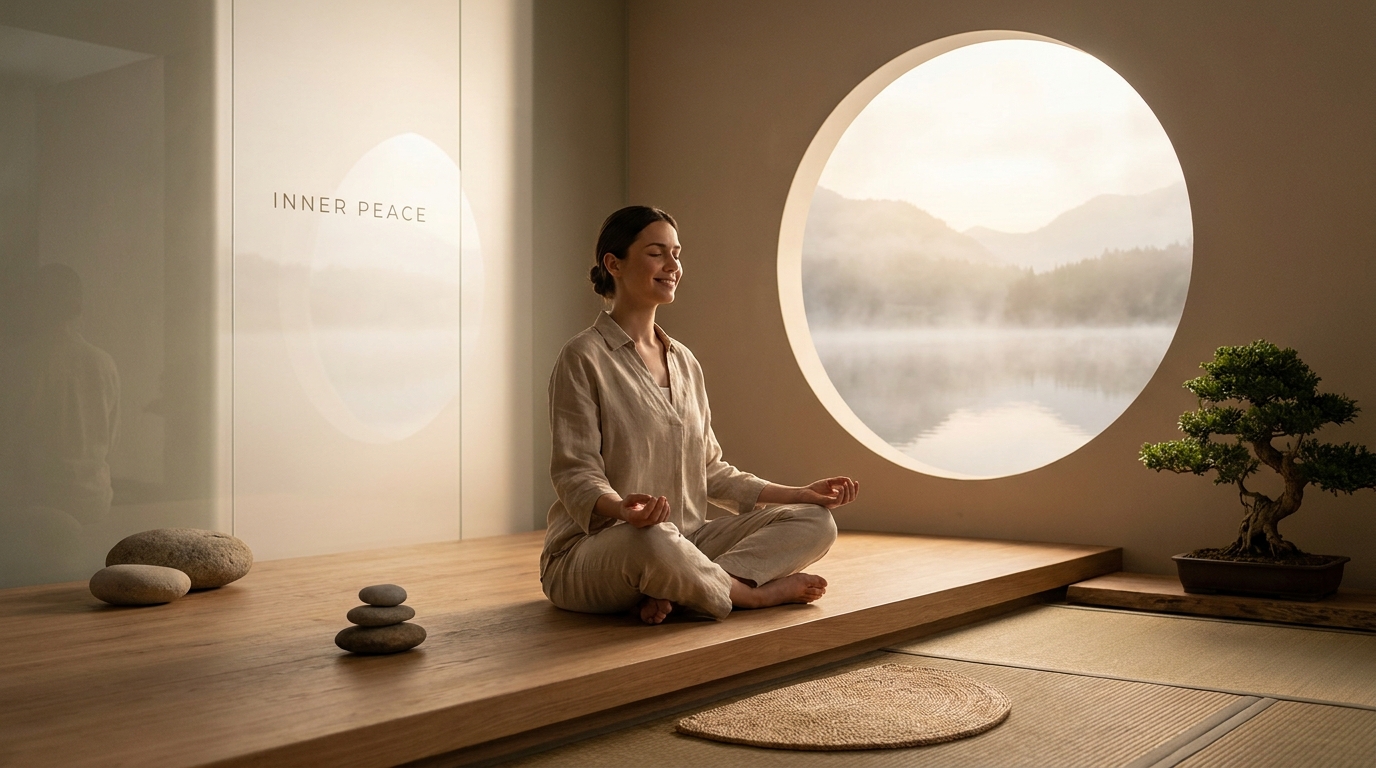
What Is Yoga and Meditation for Stress Relief?
Yoga and meditation are ancient practices that have evolved into powerful modern tools for managing stress and enhancing overall wellbeing. Yoga combines physical postures, breathing exercises, and mindfulness, while meditation focuses on training attention and awareness to achieve mental clarity and emotional stability.
When practiced together, these disciplines create a synergistic effect that addresses stress at both physical and psychological levels. You don’t need prior experience or special equipment to begin—just a willingness to pause and reconnect with yourself through meditation for stress management.
Why Is Stress Management Essential in 2026?
Understanding the toll of modern stress is crucial before exploring solutions. Stress is a natural physiological response designed to protect you from threats. However, when stress becomes chronic—which affects approximately 77% of adults according to recent health surveys—it triggers a cascade of negative health outcomes.
Chronic stress impacts your physical health through elevated cortisol levels, weakened immune function, and cardiovascular strain. Mentally, it contributes to anxiety disorders, depression, and cognitive decline. Therefore, implementing effective stress relief strategies isn’t merely a lifestyle luxury; it’s a medical necessity for long-term health.
Research from the World Health Organization identifies stress as the health epidemic of the 21st century. This makes learning effective relaxation techniques through yoga and meditation more important than ever.
How Does Yoga Build Resilience Against Stress?
Yoga operates through multiple physiological and neurological pathways to counteract stress. When you practice yoga for stress relief regularly, you activate the parasympathetic nervous system—your body’s “rest and digest” mode—which directly counteracts the sympathetic “fight or flight” response triggered by stress.
The Science Behind the Mind-Body Connection
When you move through yoga poses (asanas), you engage in focused attention on breath and bodily sensations. This concentration interrupts the rumination cycle—those repetitive worry thoughts that fuel anxiety. By anchoring your awareness in the present moment, you activate brain regions associated with emotional regulation while deactivating the amygdala, your brain’s fear center.
Research from the National Institutes of Health demonstrates that consistent yoga practice reduces cortisol levels by up to 23% while increasing gamma-aminobutyric acid (GABA), a neurotransmitter linked to improved mood and relaxation. Additionally, studies published by Harvard University confirm that regular yoga practitioners show enhanced heart rate variability, indicating better stress resilience.
Key Yoga Styles for Stress Reduction
Different yoga styles offer varying approaches to stress management. Choosing the right style depends on your current energy levels and specific needs:
- Hatha Yoga: Gentle, slow-paced movements perfect for beginners seeking foundational stress relief
- Restorative Yoga: Uses props to support the body in passive poses, inducing deep relaxation
- Yin Yoga: Targets connective tissues through long-held poses, releasing stored tension
- Vinyasa Flow: Links breath with movement, creating a moving meditation that clears mental clutter
- Kundalini Yoga: Combines dynamic movements with breathwork and chanting for emotional release
The Power of Pranayama (Breath Control)
Breathing techniques, or pranayama, form the bridge between physical yoga and meditation practices. Specific breathing patterns can instantly shift your nervous system state:
- Diaphragmatic Breathing: Deep belly breaths that activate the parasympathetic response within 90 seconds
- 4-7-8 Technique: Inhale for 4 counts, hold for 7, exhale for 8—proven to reduce anxiety quickly
- Alternate Nostril Breathing (Nadi Shodhana): Balances the left and right hemispheres of the brain, promoting mental clarity
- Ujjayi Breath: Ocean-sounding breath that maintains focus during challenging poses
How Does Meditation Physically Change Your Brain?
Meditation for stress is the practice of training your attention to achieve mental clarity and emotional stability. Through consistent practice, you literally rewire neural pathways, increasing gray matter density in regions associated with learning, memory, and emotional regulation while reducing the size of the amygdala.
Scientific research consistently validates meditation’s efficacy for stress reduction. A landmark study published by the American Psychological Association revealed that mindfulness meditation reduces cortisol levels significantly after just eight weeks of consistent practice. Additionally, research from Harvard Medical School shows that meditation can reduce symptoms of anxiety and depression by 30-40% in clinical populations.
Neuroplasticity studies demonstrate that 20 minutes of daily mindfulness meditation for eight weeks can increase cortical thickness in the hippocampus (memory center) and decrease cell volume in the amygdala (stress center). These structural changes translate to improved emotional regulation and reduced stress reactivity in daily life.
Types of Meditation for Immediate Stress Relief
You can choose from several evidence-based meditation techniques depending on your preferences and schedule:
- Mindfulness Meditation: Focus on breath and present-moment awareness without judgment
- Body Scan Meditation: Systematic attention to physical sensations from head to toe
- Loving-Kindness Meditation (Metta): Cultivation of compassion toward self and others
- Transcendental Meditation: Use of mantras to settle the mind into deep rest
- Guided Visualization: Mental imagery to induce relaxation and positive emotional states
- Zen Meditation (Zazen): Seated practice focusing on posture and breath awareness
What Are the Measurable Benefits of Combining Yoga and Meditation?
When you integrate both practices into your routine, you create a comprehensive stress management system. The physical movement of yoga prepares your body for stillness, while meditation deepens the mental benefits of your asana practice.
| Benefit Category | Yoga Contribution | Meditation Contribution | Combined Impact |
|---|---|---|---|
| Stress Hormones | Reduces cortisol by 15-20% | Reduces cortisol by 12-18% | Up to 35% reduction |
| Sleep Quality | Physical fatigue aids sleep onset | Mental quiet prevents insomnia | 45% improvement in sleep scores |
| Emotional Regulation | Releases physical tension | Builds prefrontal cortex strength | 50% reduction in emotional reactivity |
| Focus & Clarity | Enhances body awareness | Strengthens attention networks | 30% improvement in concentration |
| Blood Pressure | Improves circulation | Reduces stress response | Significant hypertension reduction |
How Much Time Do You Need to Invest?
One of the most common barriers to starting a yoga and meditation practice is the perceived time commitment. However, you don’t need to dedicate hours daily to experience benefits. Research indicates that just 10-15 minutes of daily practice yields significant stress reduction within two weeks.
For beginners, we recommend starting with 20-minute sessions three times weekly, gradually increasing frequency as the practice becomes habitual. The Vitalizen App offers structured programs ranging from 5-minute “stress SOS” sessions to comprehensive 60-minute deep dives, allowing you to customize your practice to your schedule.
Consistency matters more than duration. A daily 10-minute meditation practice proves more effective than occasional hour-long sessions. The key is creating a sustainable routine that fits your lifestyle while providing adequate time for your nervous system to shift into relaxation mode.
When Is the Best Time to Practice for Stress Management?
Timing your practice strategically can enhance its stress-busting effects. Morning practice sets a calm tone for your day, helping you respond rather than react to stressors. Evening practice helps release accumulated tension and prepares your nervous system for restorative sleep.
However, the best time is ultimately the time you’ll actually practice. If you’re experiencing acute stress at work, a 3-minute breathing exercise at your desk proves more beneficial than skipping practice entirely because it’s not “the right time.”
Many practitioners find success with “habit stacking”—pairing yoga and meditation with existing routines. Try practicing immediately after brushing your teeth in the morning or before dinner in the evening. This approach reduces decision fatigue and establishes automatic behavioral patterns.
Where Can You Practice Yoga and Meditation?
The beauty of these practices lies in their accessibility. You don’t need a studio membership or expensive equipment. You can practice in your living room, office, hotel room, or even outdoors in nature. The only requirements are a quiet space where you won’t be interrupted and a comfortable surface.
For those seeking guidance, the Vitalizen App transforms any space into a personal wellness studio. With offline downloads and ambient soundscapes, you can maintain your practice whether you’re traveling, at home, or taking a break at work.
Creating a dedicated meditation space in your home signals to your brain that it’s time to relax. This doesn’t require a separate room—a corner with a cushion, perhaps a candle or plant, establishes a psychological anchor for your practice. Environmental cues significantly impact habit formation and stress response.
How to Start Your Yoga and Meditation Journey Today
Beginning your practice requires no special preparation—just the decision to start. Follow these actionable steps to establish a sustainable routine:
- Set Your Intention: Define why you want to reduce stress and what peace looks like for you
- Create Your Space: Designate a specific area for practice, even if it’s just a corner of your bedroom
- Gather Basic Props: A yoga mat and comfortable clothing are all you truly need
- Start Small: Begin with 10-minute guided sessions to build confidence
- Track Your Progress: Note how you feel before and after practice to stay motivated
- Join a Community: Connect with others on the same journey for accountability
- Use Technology Wisely: Leverage apps like Vitalizen for structured guidance
Overcoming Common Beginner Challenges
Many beginners face obstacles that can derail their practice before benefits manifest. You might think you’re “not flexible enough” for yoga or “can’t quiet your mind” for meditation. These are misconceptions. Yoga builds flexibility—you don’t need it to start. Similarly, meditation isn’t about stopping thoughts but changing your relationship with them.
“The goal of meditation isn’t to control your thoughts; it’s to stop letting them control you. Similarly, yoga meets you exactly where you are, not where you think you should be.”
Other common challenges include physical discomfort during sitting meditation or difficulty maintaining motivation. For physical discomfort, try using cushions or chairs. For motivation, remember that stress relief is a practice, not a destination. Even “bad” sessions where you feel distracted provide neurological benefits through the effort of returning attention to the present moment.
Integrating Yoga and Meditation into Daily Life
Beyond formal practice sessions, you can incorporate mindfulness techniques throughout your day. Try mindful eating by savoring each bite without distractions. Practice walking meditation during your commute by focusing on the sensation of your feet touching the ground. Use breath awareness during stressful meetings to maintain composure.
These micro-practices extend the benefits of your formal yoga and meditation sessions into real-world stressors. They transform these ancient practices from isolated activities into comprehensive lifestyle approaches that continuously support your nervous system.
What Results Can You Expect and When?
While individual experiences vary, most practitioners report immediate benefits after their first session—a sense of calm, reduced muscle tension, and mental clarity. However, the profound neurological and hormonal changes typically manifest after consistent practice over 4-8 weeks.
A 2026 study tracking beginners using guided meditation apps found that 78% of participants reported significantly improved stress management within three weeks of daily 15-minute practice. After eight weeks, 89% reported better sleep quality and reduced anxiety symptoms.
Long-term practitioners (6+ months) often report transformative changes in their relationship with stress. Rather than eliminating stressors—which is impossible—they develop enhanced capacity to respond skillfully to challenges. This resilience represents the true gift of consistent meditation for stress management.
Your Journey Starts Now
Feeling inspired to take the first step? You don’t need to be an expert to begin. The most important thing is to start. With consistent practice, you will build a foundation of inner peace that supports you through life’s challenges. Start your wellness journey now with guided practices on the Vitalizen App.
Remember, every master was once a beginner. Your future self—calmer, more centered, and resilient—is waiting on the other side of your first breath, your first stretch, your first moment of mindful awareness. Take that step today.
Frequently Asked Questions (FAQ)
How long does it take to see results from yoga and meditation?
While some benefits, like a sense of calm, can be felt after just one session, the most significant changes come with consistent practice. Generally, practicing a few times a week can lead to noticeable reductions in stress within a few weeks. Research indicates that 8 weeks of consistent yoga and meditation practice creates measurable changes in brain structure and stress hormone levels.
Do I need to be flexible to practice yoga?
Absolutely not! A common misconception is that you need to be flexible to do yoga. In reality, you practice yoga to become more flexible. The Vitalizen App offers classes for all levels, including absolute beginners. Yoga for stress relief meets you where you are, using props and modifications to make every pose accessible regardless of your current flexibility level.
What kind of meditation is best for stress?
Mindfulness meditation is one of the most studied and effective types for stress reduction. It involves focusing on your breath and observing your thoughts without judgment. Our app, Vitalizen App, offers guided meditation for stress to help you get started easily. Body scan and loving-kindness meditations are also highly effective for stress management.
How much does it cost to start practicing yoga and meditation?
Starting a yoga and meditation practice can be virtually free. You can begin meditation immediately with no equipment, using free resources or apps with trial periods. For yoga, a basic mat ($20-30) is the only recommended investment. The Vitalizen App offers affordable subscription plans that cost less than a single studio class per month, providing unlimited access to guided yoga and meditation sessions.
Can yoga and meditation replace therapy for anxiety?
While yoga and meditation are powerful tools for stress and anxiety management, they complement rather than replace professional mental health treatment for clinical anxiety disorders. Many therapists now recommend yoga and meditation as adjunct therapies. If you’re experiencing severe anxiety or depression, consult a mental health professional while using these practices as supportive self-care tools.
What should I wear for yoga practice?
Wear comfortable, breathable clothing that allows free movement without restriction. You don’t need expensive yoga pants or branded athletic wear—any comfortable workout clothes work perfectly. Avoid overly loose tops that might fall over your face during downward-facing positions. Practice barefoot or wear yoga socks with grips for stability.
Is it better to practice yoga in the morning or evening?
Both times offer distinct benefits. Morning practice energizes you for the day and sets a calm tone, while evening practice helps release accumulated tension and improves sleep quality. The best time is whatever fits your schedule consistently. If you’re naturally stiff in the mornings, evening might feel better physically. If you struggle with insomnia, evening meditation for stress relief could be particularly beneficial.
How is the Vitalizen App different from other yoga apps?
The Vitalizen App specifically focuses on the integration of yoga and meditation for stress relief, offering curated programs that combine both practices synergistically. Unlike general fitness apps, Vitalizen provides personalized stress assessments, progress tracking for anxiety levels, and specialized content for beginners. The app features offline access, customizable session lengths from 5 to 60 minutes, and expert guidance from certified yoga therapists and meditation teachers.
Can I practice yoga and meditation if I have physical limitations?
Yes! Both practices are highly adaptable. Chair yoga allows you to perform modified poses while seated. Restorative yoga uses props to support your body completely. For meditation, you can sit in a chair rather than on the floor. Always consult your healthcare provider before starting, and look for classes specifically designed for your needs. The Vitalizen App offers gentle and adaptive practices suitable for various physical conditions.
Embrace a More Peaceful You with Vitalizen
In conclusion, incorporating yoga and meditation into your routine is a powerful and proven strategy for managing stress and improving your overall quality of life. It’s a journey of self-discovery and empowerment that requires no perfection—only presence.
Ready to explore more? Visit our blog for more tips or contact us with any questions. We are here to support you every step of the way. Download the Vitalizen App | Yoga + Meditation today and unlock the door to a more serene life.
Ready to transform your stress into serenity? Begin your free 7-day trial today and discover why thousands are choosing Vitalizen for their wellness journey.