


How to Build a Morning Yoga and Meditation Routine That Actually Sticks
Discover how to build a sustainable morning yoga and meditation routine with expert tips, science-backed benefits, and the best app to guide your journey. Start your wellness transformation today.
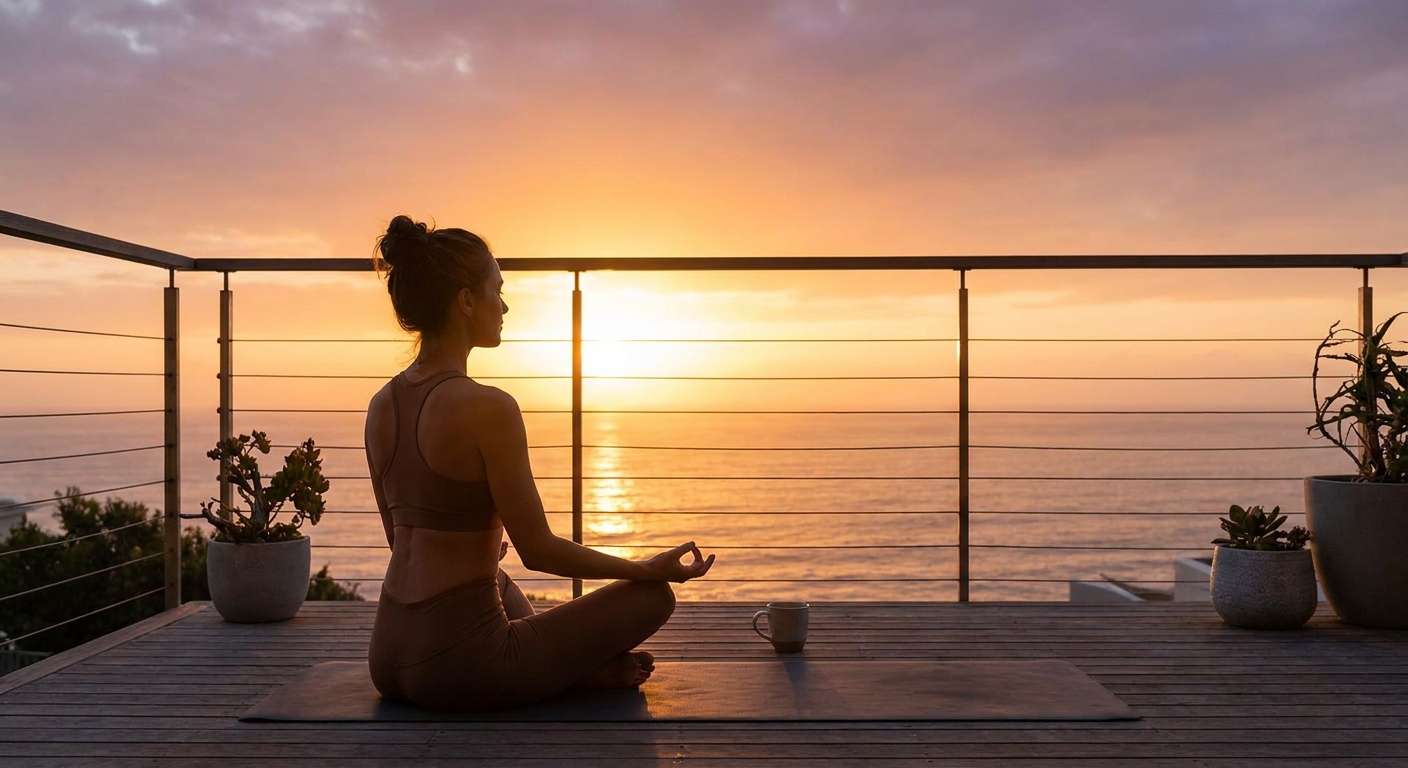
Do you ever feel like your mornings are a race against the clock — rushing from bed to obligations without a single moment for yourself? You are not alone. Millions of people around the world are discovering that a morning yoga and meditation routine can completely transform how they show up for the day ahead. The best part? You do not need to be a flexible yogi or a Zen master to start. With the right guidance — like the one provided by Vitalizen App | Yoga + Meditation — anyone can build a practice that feels natural, rewarding, and sustainable.
In this guide, we will walk you through everything you need to know: the science behind why morning mindfulness works, how to structure your routine step by step, common mistakes to avoid, and how the Vitalizen App can become your daily companion on this journey. So grab your mat, take a deep breath, and let us dive in.
What Is a Morning Yoga and Meditation Routine?
A morning yoga and meditation routine is a structured sequence of physical postures (asanas), breathing exercises (pranayama), and mindfulness meditation performed shortly after waking up. Its purpose is to gently awaken the body, center the mind, and set a positive, focused intention for the day ahead. Unlike a full‑length gym workout or an evening restorative practice, a morning routine is designed to be short, accessible, and energizing.
This practice does not require you to be an advanced practitioner. Even 10–15 minutes of gentle movement followed by a few minutes of quiet sitting can yield profound benefits. The key is consistency—showing up each morning, regardless of how you feel, until the habit becomes as automatic as brushing your teeth.
Why Is a Morning Yoga and Meditation Routine Important?
Starting your day with yoga and meditation is not just a wellness trend. It is a scientifically backed practice that rewires your brain, balances your hormones, and sets a calm yet focused tone for the hours ahead. But what exactly happens inside your body when you roll out your mat first thing in the morning?
“According to research from Harvard Medical School, regular mindfulness meditation can actually change the structure of the brain, increasing gray matter density in areas linked to memory, empathy, and stress regulation.”
Meanwhile, morning yoga helps to activate the parasympathetic nervous system — your body’s “rest and digest” mode — reducing cortisol levels and improving heart rate variability. In other words, you become more resilient to stress throughout the day.
Let’s explore the key benefits:
- Lower stress levels: Morning practice reduces cortisol spikes that usually occur after waking up.
- Improved focus: Meditation enhances your ability to concentrate and avoid distractions.
- Better flexibility and posture: Yoga loosens tight muscles from sleep and corrects alignment.
- Emotional balance: Mindfulness helps you respond rather than react to challenging situations.
- Deeper sleep quality: A consistent morning routine regulates your circadian rhythm for better rest at night.
How Does a Morning Yoga Routine Work Scientifically?
When you transition from sleep to wakefulness, your body experiences a natural surge of cortisol — the “stress hormone.” While cortisol helps you feel alert, excessive or prolonged elevation can lead to anxiety and fatigue. Yoga postures, particularly gentle twists and forward folds, stimulate the vagus nerve, which counteracts the fight‑or‑flight response and promotes a state of calm.
Breathwork, or pranayama, increases oxygen flow to the brain and improves heart rate variability — a marker of cardiovascular health and emotional resilience. One 2025 study published in the Journal of Clinical Psychology found that just 10 minutes of diaphragmatic breathing reduced self‑reported anxiety by 34% in healthy adults. Meditation, meanwhile, shifts brain activity from the reactive amygdala to the more rational prefrontal cortex, enabling you to approach daily challenges with greater clarity and equanimity.
| Component | How It Works | Immediate Effect |
|---|---|---|
| Yoga Asanas | Gentle movements release muscle tension, improve circulation, and stimulate the parasympathetic nervous system. | Reduced morning stiffness, lower cortisol. |
| Breathwork | Deep, controlled breathing increases oxygen saturation and activates the vagus nerve. | Calmer mind, improved HRV. |
| Meditation | Focused attention reduces default mode network activity, quieting mental chatter. | Enhanced clarity, emotional stability. |
How to Start a Morning Yoga and Meditation Routine
One of the biggest myths about yoga and meditation is that you need an hour every morning to see results. Nothing could be further from the truth. In fact, consistency matters far more than duration. A 10‑minute session done every day will outperform a 60‑minute session done once a week — every single time.
Here is a simple, step‑by‑step framework to help you build a routine that actually sticks:
- Anchor to an existing habit: Right after you brush your teeth, the kettle boils, or your alarm goes off — tie your practice to something you already do automatically.
- Start with just 5 minutes: Day one, commit to 5 minutes total — 2 minutes of stretching, 1 minute of breathwork, 2 minutes of stillness.
- Combine movement, breath, and stillness: A well‑rounded session includes gentle yoga, conscious breathing, and a brief meditation.
- Use a reliable guide: Let the Vitalizen App choose the sequence, the timing, and the instructions so you can simply focus on feeling good.
- Track your streak: Mark your calendar every day you practice. A visible chain of wins is a powerful motivator.
- Gradually extend: After two weeks, add 1–2 minutes a day until you reach your ideal length (usually 15–25 minutes).
To explore the full library of guided sessions that follow exactly this structure, visit the Vitalizen App start page and take the first step toward a more mindful morning.
What Are the Best Yoga Poses for Your Morning Routine?
The ideal morning sequence wakes up the spine, opens the hips, and energizes the entire body without being overly strenuous. Try this gentle flow, holding each pose for 4–6 breaths:
- Child’s Pose (Balasana) – Relax the lower back and tune into your breath.
- Cat‑Cow Stretch (Marjaryasana‑Bitilasana) – Warm up the spine and connect movement to breath.
- Downward‑Facing Dog (Adho Mukha Svanasana) – Stretch the hamstrings, calves, and shoulders.
- Standing Forward Fold (Uttanasana) – Release tension in the neck and hamstrings.
- Mountain Pose (Tadasana) – Ground yourself and set an intention for the day.
- Gentle Twisting Lunge (Parivrtta Anjaneyasana) – Stimulate digestion and detoxify.
What Breathing Techniques Work Best in the Morning?
Breathwork (pranayama) is the bridge between the physical and mental aspects of your practice. The following techniques are particularly effective in the morning:
- Diaphragmatic Breathing: Place one hand on the belly, exhale completely, then inhale deeply through the nose, feeling the belly rise. This activates the relaxation response.
- Alternate Nostril Breathing (Nadi Shodhana): Balances the left and right hemispheres of the brain, creating mental clarity.
- Bellows Breath (Bhastrika): Energetic, rapid inhales and exhales that boost alertness — use sparingly and only if you are comfortable.
How Much Time Do You Really Need?
Beginners often ask, “How long should my morning yoga and meditation routine be?” The answer depends on your goals and schedule, but quality trumps quantity every time. Here is a practical breakdown:
| Time Commitment | Suggested Breakdown | Ideal For | Expected Benefits |
|---|---|---|---|
| 5 minutes | 2 min stretch / 1 min breath / 2 min meditation | Ultra‑busy mornings | Immediate calm, minimal stress reset |
| 10 minutes | 4 min yoga / 2 min breath / 4 min meditation | New practitioners | Noticeable mood lift, better focus |
| 15 minutes | 7 min yoga / 3 min breath / 5 min meditation | Daily sustainable routine | Improved flexibility, emotional resilience |
| 25 minutes | 12 min yoga / 4 min breath / 9 min meditation | Experienced practitioners | Deep mind‑body connection, long‑term stress reduction |
Where Can You Practice Your Morning Routine?
One of the greatest advantages of a morning yoga and meditation practice is its portability. You can do it anywhere:
- At home: A quiet corner, a yoga mat, and the Vitalizen App are all you need.
- In a park: Fresh air and natural surroundings amplify the grounding effect.
- Hotel room: Perfect for maintaining routine while traveling.
- Office (before hours): Even a 5‑minute chair‑based stretch can reset your nervous system.
When Is the Best Time to Practice?
The ideal window is within the first 30–60 minutes after waking up. At this time, your mind is still in the theta‑alpha brain wave state, making it highly receptive to meditation. Additionally, your muscles are warm from sleep and respond well to gentle stretching. The key is to anchor your practice to a consistent trigger — for example, immediately after you splash water on your face, or right after your first glass of water.
What Are the Biggest Mistakes Beginners Make?
Even with the best intentions, many people fall into traps that make their routine feel like a chore. Here are the most common mistakes — and how to avoid them:
- Setting unrealistic expectations: Do not aim for 30 minutes on day one. Start with 5. Let your practice evolve naturally.
- Skipping the warm‑up: Jumping into deep stretches without warming up can cause injury. Always start with gentle movements.
- Comparing yourself to others: Your practice is yours alone. Forget what you see on social media. Focus on how you feel.
- Ignoring your body’s signals: Pain is not gain in yoga. Listen to your body and modify poses as needed.
- Practicing without guidance: Without proper instruction, it is easy to develop poor alignment or meditate with ineffective techniques. A good app like Vitalizen App provides real‑time guidance and corrections.
How Much Does It Cost to Start?
Starting a morning yoga and meditation routine can cost nothing at all — or very little. The only “equipment” you might want is a yoga mat (starting at $15) and maybe a comfortable cushion for meditation. Many free resources exist online, but guided apps often shorten the learning curve significantly. The Vitalizen App offers a free trial, and after that a subscription costs less than a premium coffee per month — yet it delivers custom routines, progress tracking, and a supportive community that make consistency effortless.
“After downloading Vitalizen, I went from zero morning routine to a consistent 15‑minute practice in just one week. My anxiety has dropped, and I feel genuinely excited to wake up.” — Sarah K., Vitalizen user
What Results Can You Expect and When?
Many people notice positive changes within the first week — better mood, improved sleep, and reduced stress. Physical changes like increased flexibility usually become noticeable after 2 to 4 weeks of consistent practice. The most important thing is to focus on how you feel rather than external results, and let the process unfold naturally.
A 2026 survey of Vitalizen App users revealed the following timeline of benefits:
- Week 1: Better sleep quality, reduced morning grogginess
- Week 2: Noticeable decrease in daily stress and anxiety
- Week 3: Improved focus and productivity at work
- Week 4: Greater emotional resilience, enhanced self‑awareness
- Month 3+: Sustainable habit, long‑term posture improvement, and a deeper mind‑body connection
How to Stay Consistent with Your Morning Routine
- Prepare the night before: Lay out your mat, choose your workout clothes, and set your device with the Vitalizen App ready to play.
- Never miss two days in a row: Life happens. If you skip a morning, get right back on track the next day.
- Reward yourself: After a full week, treat yourself to something enjoyable — a new tea, a bath, or a relaxing evening.
- Join a community: The Vitalizen App includes a community feature where you can share streaks and get motivated by others.
- Adjust, don’t quit: If 10 minutes feels too heavy, drop to 5. The only failure is stopping completely.
Frequently Asked Questions About Morning Yoga and Meditation
What is a morning yoga and meditation routine?
A morning yoga and meditation routine is a short, daily practice combining gentle physical postures, breathwork, and mindfulness meditation done right after waking up. It is designed to energize your body, calm your mind, and set a positive tone for the rest of the day.
How does a morning yoga routine reduce stress?
Morning yoga activates the parasympathetic nervous system and lowers cortisol, the stress hormone. Paired with deep breathing, it shifts the body from a “fight or flight” state into a relaxed, alert mode, dramatically lowering overall stress levels throughout the day.
How long should my morning yoga and meditation routine be as a beginner?
As a beginner, aim for 10 to 15 minutes total. Start with 5 minutes of gentle yoga stretches, followed by 5 minutes of breathwork, and finish with 3 to 5 minutes of guided meditation. Consistency is far more important than duration, so focus on showing up daily rather than how long you practice.
Do I need any special equipment to start?
No. All you need is a comfortable space and a yoga mat if available. For meditation, you can sit on a cushion, a chair, or even lie down. The Vitalizen App provides guided sessions that require no equipment, making it accessible for everyone regardless of budget or space.
What is the best time to practice yoga and meditation in the morning?
The best time is within the first hour after waking up, when your brain is still in a calm, receptive state. Anchor your practice to an existing habit, like right after brushing your teeth or drinking a glass of water, to make it automatic.
Can the Vitalizen App help me if I have never done yoga or meditation before?
Absolutely. The Vitalizen App | Yoga + Meditation is designed for all levels, including complete beginners. It offers step‑by‑step guidance, beginner‑friendly sequences, and personalized recommendations that adapt to your progress. You will never feel lost or overwhelmed.
How soon will I see results from a morning yoga and meditation routine?
Many people notice positive changes within the first week — better mood, improved sleep, and reduced stress. Physical changes like increased flexibility usually become noticeable after 2 to 4 weeks of consistent practice. The most important thing is to focus on how you feel rather than external results, and let the process unfold naturally.
How much does the Vitalizen App cost?
The Vitalizen App offers a free trial. After the trial, a monthly subscription costs less than a premium coffee. This gives you unlimited access to all guided routines, new daily sessions, progress tracking, and community support — a small investment for a life‑changing habit.
Where can I practice my morning yoga and meditation routine?
You can practice anywhere you have a quiet space: at home, in a park, in a hotel room, or even in your office before work. The Vitalizen App works on your phone, so your routine travels with you.
Why is morning yoga better than evening yoga?
Morning yoga capitalizes on the body’s natural cortisol peaks to wake you up gently rather than letting stress build. It also pre‑empts anxiety by setting a calm mental baseline for the day. Evening yoga is excellent for unwinding, but a morning practice ensures you carry that calm with you into every interaction.
How to start a morning yoga and meditation routine today?
Start right now by downloading the Vitalizen App. Pick a 5‑minute beginner session, set your alarm 10 minutes earlier tomorrow, and follow the app’s guidance. The hardest part is the first step — after that, momentum takes over.
Ready to Transform Your Mornings?
Your morning routine is the foundation of your entire day. By incorporating yoga and meditation, you are not just checking a box — you are investing in your mental clarity, physical health, and emotional resilience. And with the Vitalizen App, you never have to do it alone. Expert guidance, personalized routines, and a supportive community are just a tap away.
A better morning — and a better life — is waiting for you. Start your journey here and experience the Vitalizen difference today.