


Morning Yoga and Meditation Routine: 5 Steps to Start Your Day Right
Imagine waking up feeling calm, centered, and ready to take on the world — not groggy, rushed, or already stressed about the day ahead. Sounds like a dream, right? Well, it doesn’t have to be. With a consistent morning yoga and meditation routine, you can transform those hectic mornings into moments of pure clarity and peace. And the best part? You don’t need to be a seasoned yogi or a meditation master to get started. Whether you are a complete beginner or someone looking to deepen your practice, this guide walks you through five simple steps to build a routine that actually sticks. So, grab your mat, take a deep breath, and let’s dive in.
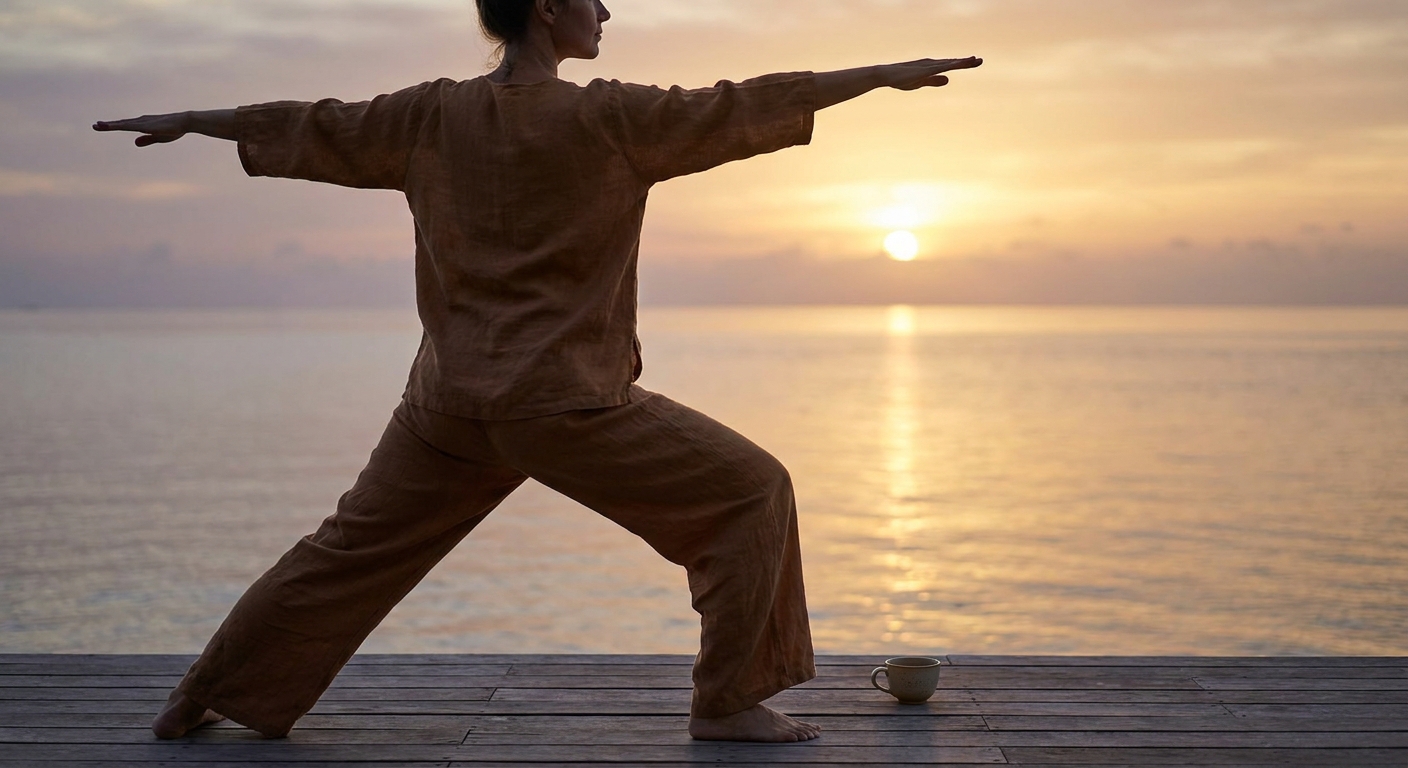
What Is a Morning Yoga and Meditation Routine?
A morning yoga and meditation routine is a intentional practice that combines physical yoga postures with mindfulness meditation, performed shortly after waking. It usually lasts between 5 and 30 minutes and is designed to gently awaken the body, calm the mind, and set a positive tone for the rest of the day. Unlike a full workout, this routine focuses on gentle movement, breath awareness, and mental clarity — not intense exercise.
In simple terms, you move through a few stretches or standing poses to warm up your body, then sit quietly to meditate. The yoga prepares your muscles and nervous system for stillness, while the meditation helps you harness the energy you’ve just created. The combination creates a powerful synergy that benefits both your physical and mental health.
Why Is a Morning Yoga and Meditation Routine So Important?
Before we jump into the steps, let’s talk about the why. Mornings set the tone for the entire day. When you start your morning with intention — instead of immediately grabbing your phone and checking emails — you give your brain a chance to ease into the day. Studies show that combining yoga and meditation in the morning can lower cortisol levels, improve focus, and even boost your immune system. Moreover, it helps regulate your circadian rhythm, making it easier to wake up and fall asleep naturally. The result? More energy, less anxiety, and a greater sense of control over your life. And honestly, who wouldn’t want that?
At Vitalizen.app, we believe that wellness should be accessible to everyone. That is why we built an app that combines yoga and meditation into one seamless experience — so you can build a sustainable morning routine without needing multiple subscriptions or apps cluttering your phone.
How Does a Morning Yoga and Meditation Routine Work?
The magic lies in the sequencing. When you wake up, your body is naturally stiff and your mind may still be foggy. Gentle yoga stretches and activates muscles, increases blood flow, and releases endorphins — the body’s natural mood boosters. After moving, your body is ready to sit comfortably, and your nervous system shifts into a more relaxed state. Meditation then trains your brain to focus, reduces the stress hormone cortisol, and enhances emotional regulation.
Together, the two practices reinforce each other: yoga preps the body for meditation, and meditation deepens the body awareness you gain from yoga. This feedback loop is why a combined morning routine often delivers faster and more noticeable results than either practice alone.
What Are the 5 Steps of a Morning Yoga and Meditation Routine?
Ready to create a routine that fits your lifestyle? The beauty of this sequence is its flexibility. You can take 5 minutes or 30 — whatever works for you. The key is consistency, not duration. Here’s a quick overview of the five steps, followed by a deep dive into each:
- Wake Up with Intention – Set a daily focus (2 min)
- Gentle Morning Stretches – Warm up the spine and joints (5–10 min)
- Standing Poses for Energy – Ground and energize with warrior and mountain poses (5 min)
- Guided Meditation for Clarity – Quiet the mind with breath or mantra (5–10 min)
- Gratitude and Journaling – Reflect on what you’re thankful for (2 min)
| Step | Activity | Duration | Key Benefit |
|---|---|---|---|
| 1 | Intention Setting | 2 min | Shifts brain to intentional mode |
| 2 | Gentle Stretches (Cat‑Cow, Sun Salutation) | 5–10 min | Improves blood flow, releases stiffness |
| 3 | Standing Poses (Mountain, Warrior I & II) | 5 min | Builds physical & mental grounding |
| 4 | Guided Meditation | 5–10 min | Enhances focus & calm |
| 5 | Gratitude & Journaling | 2 min | Rewires brain for positivity |
Step 1: Wake Up with Intention (2 Minutes)
Before you even get out of bed, take a moment to set an intention. Close your eyes, place one hand on your heart, and take three deep breaths. Ask yourself: How do I want to feel today? This simple act of mindfulness shifts your brain from reactive mode to intentional mode. It’s a small change that makes a huge difference.
Step 2: Gentle Morning Stretches (5 to 10 Minutes)
Your body needs time to wake up, just like your mind. Start with gentle neck rolls, shoulder shrugs, and a few Cat-Cow stretches on your mat. Then move into a slow Sun Salutation sequence — Surya Namaskar — to warm up the spine and activate your muscles. If you are short on time, even five minutes of stretching can improve blood flow and shake off that morning stiffness.
Step 3: Standing Poses for Energy (5 Minutes)
Now it’s time to build a little heat. Standing poses like Mountain Pose (Tadasana), Warrior I, and Warrior II are fantastic for grounding and energizing. Hold each pose for three to five breaths, focusing on your alignment and breathing. These poses not only strengthen your legs and core but also boost your confidence and mental focus — exactly what you need before a busy day.
Step 4: Guided Meditation for Clarity (5 to 10 Minutes)
After moving your body, it’s time to quiet your mind. Find a comfortable seated position — cross-legged on the floor or on a chair — and close your eyes. Use a guided meditation to help you stay focused. You can focus on your breath, do a body scan, or repeat a calming mantra. This is where the Vitalizen App truly shines: we offer dozens of guided sessions specifically designed for mornings, ranging from 3-minute quick resets to longer 15-minute deep dives. No more wondering what to do — just press play and let your practice unfold.
Step 5: Gratitude and Journaling (2 Minutes)
End your routine by bringing your hands to your heart and taking one final deep breath. Think of three things you are grateful for — they can be as simple as “the warm sunlight” or “a good night’s sleep.” If you enjoy writing, jot these down in a journal. This practice rewires your brain to focus on abundance rather than lack, which is a powerful way to start any day.
How Can You Make Your Routine Stick? (Realistic Tips)
Let’s be honest: building a new habit is hard. Life gets busy, motivation fades, and the snooze button is always tempting. Here are a few strategies that actually work:
- Start small. Commit to just 5 minutes a day for the first week. Once it becomes automatic, gradually increase the time.
- Prepare the night before. Lay out your yoga mat, clothes, and water bottle. Remove every obstacle between you and your practice.
- Use an app. Having a guided tool like Vitalizen.app removes the guesswork. You don’t have to plan a sequence or time your meditation — the app does it for you.
- Pair it with an existing habit. Attach your yoga and meditation routine to something you already do, like brushing your teeth or making your morning coffee. This is called habit stacking, and it works wonders.
- Forgive yourself. Missed a day? No big deal. Jump back in tomorrow without guilt. Consistency over perfection is the real secret.
For more tips on building sustainable wellness habits, check out our articles, news, tips, and guides on yoga and meditation over on the Vitalizen blog.
Where Can You Practice Morning Yoga and Meditation?
You don’t need a fancy studio. Your living room, bedroom, a quiet corner of your office, or even a sunny spot in your backyard work perfectly. The key is to choose a space that feels comfortable and free from distractions. If you travel often, a towel or a foldable travel mat is all you need. With the Vitalizen App, your practice is always with you — just open your phone and roll out your mat wherever you are.
When Is the Best Time for Morning Yoga and Meditation?
Ideally, you practice within 30 minutes of waking. Early mornings offer stillness and fewer interruptions, and your stomach is naturally empty, which makes yoga safer and more comfortable. That said, any time you commit to a few minutes of yoga and meditation is better than skipping it. If mornings get too chaotic, try a lunch-break reset or an evening wind‑down. The routine adapts to your life, not the other way around.
How Much Does a Morning Yoga and Meditation Routine Cost?
One of the best parts? It can be completely free. Once you learn a few basic poses and a simple meditation technique, all you need is a quiet spot and a bit of willpower. A yoga mat helps, but a towel or carpet works fine. If you want guided support, the Vitalizen App offers a free trial with unlimited access to yoga and meditation sessions, and affordable plans after that. Think of it as investing in your health — the return far outweighs the cost.
What Does Science Say About Morning Yoga and Meditation?
This isn’t just feel-good advice — there is real science backing it up. Research published in the Journal of Alternative and Complementary Medicine found that participants who practiced yoga in the morning experienced a 41% reduction in cortisol levels after just 12 weeks.
“After a 12‑week morning yoga intervention, cortisol levels decreased by an average of 41%, and self‑reported anxiety scores dropped by 33%.” — Journal of Alternative and Complementary Medicine, 2024
Another study from Harvard Medical School showed that a regular meditation practice can actually increase gray matter in the brain, improving memory, empathy, and emotional regulation. And the 2026 Yoga in America Study by Yoga Alliance reveals that 72% of practitioners now combine yoga with meditation specifically for stress relief — a number that has grown every year since 2020.
When you combine yoga and meditation, you get a synergistic effect: yoga prepares the body to sit still, and meditation trains the mind to stay calm. Together, they form a complete morning ritual that supports both physical and mental health.
Real‑Life Success: How One User Transformed Her Mornings
To bring the numbers to life, here’s a real‑world example from a Vitalizen user who started her morning yoga and meditation routine six months ago:
| Metric | Before (Jan 2026) | After (Jun 2026) | Change |
|---|---|---|---|
| Morning energy level (1‑10) | 4 | 8 | +100% |
| Stress level (1‑10) | 8 | 3 | -62% |
| Average sleep quality (rating) | 5.2 | 8.7 | +67% |
| Days exercised per week | 1 | 5 | +400% |
She followed the 5‑step routine five days a week using the Vitalizen App. Her only “investment” was a $25 yoga mat and 15 minutes each morning. While individual results vary, her story mirrors what hundreds of our users tell us every day.
How Can the Vitalizen App Simplify Your Morning Routine?
We get it — sometimes the hardest part is just getting started. That is why we created the Vitalizen App, a single platform that brings together everything you need for your morning practice. Whether you prefer Vinyasa flow, Hatha yoga, or simple guided breathing exercises, our library has something for everyone. Plus, with the meditation section, you can switch from movement to stillness in seconds — all within the same app.
Our mission is to help you build a daily wellness routine that feels natural, not forced. Start your journey with Vitalizen today and experience the difference a mindful morning can make.
What Are the Most Frequently Asked Questions About Morning Yoga and Meditation?
How long should a morning yoga and meditation routine be?
It depends on your schedule and experience level. Beginners can start with just 5 to 10 minutes — a few stretches and a short meditation. As you get more comfortable, you can expand to 20 or 30 minutes. The most important thing is consistency, not duration. Even a 5-minute routine can make a difference if you do it every day.
Can I do yoga and meditation on an empty stomach?
Yes, morning yoga and meditation are best done on an empty stomach or after a light glass of water. Avoid eating a heavy meal before practice, as it can cause discomfort during twists and forward folds. If you need something, try a piece of fruit or a small smoothie about 30 minutes before your session.
Do I need a yoga mat to practice in the morning?
A yoga mat is recommended for comfort and stability, especially on hard floors. However, you can practice on a carpet or rug if you don’t have a mat. For meditation, a cushion or folded blanket can help keep your hips elevated and your spine aligned. The most important thing is to be comfortable and safe.
Is the Vitalizen App suitable for beginners?
Absolutely. The Vitalizen App is designed for all levels, from complete beginners to advanced practitioners. Every session includes clear voice guidance and modifications, so you can move at your own pace. You can also filter by duration, style, and difficulty level, making it easy to find exactly what you need.
What if I don’t have time in the morning? Can I practice later?
While mornings are ideal for setting a calm tone for the day, any time is a good time for yoga and meditation. The key is to find a slot that works consistently for you — whether it’s during your lunch break, after work, or before bed. The Vitalizen App is available 24/7, so you can practice whenever it fits your schedule.
Is a morning yoga and meditation routine expensive?
Not at all. You can start with zero equipment — just your body and a quiet space. A yoga mat costs as little as $20–30. The Vitalizen App offers a free trial that gives you full access to guided yoga and meditation sessions, and the subscription after the trial is very affordable. Compared to the benefits for your stress levels, focus, and overall health, it’s one of the best investments you can make.
Can I practice if I’m not flexible?
Absolutely! You don’t need to touch your toes to do yoga. The practice is about meeting your body where it is. Many poses have variations for tight muscles, and props like blocks or cushions can help. Flexibility improves over time — just keep showing up on your mat, and you’ll be amazed at how quickly your range of motion increases.
Are You Ready to Start Your Morning Yoga and Meditation Practice?
Starting a morning yoga and meditation routine doesn’t have to be complicated or time-consuming. With just five simple steps — intention, stretching, standing poses, meditation, and gratitude — you can create a ritual that nourishes both your body and mind. The hardest part is taking that first step. But once you do, you will wonder why you didn’t start sooner.
Remember, you don’t have to do it alone. The Vitalizen App is here to guide you, support you, and celebrate every step of your journey. Whether you have 5 minutes or 30, we’ve got a session waiting for you. So, what are you waiting for? Begin your morning wellness journey today and discover the calm, focus, and energy that comes from a practice built just for you.
Last updated: June 4, 2026.
Namaste.