


Yoga and Meditation: Transform Your Daily Routine for Lasting Wellness
Discover how combining yoga and meditation can revolutionize your mental and physical health. Learn practical tips, science-backed benefits, and how Vitalizen App can guide your journey to a balanced life.
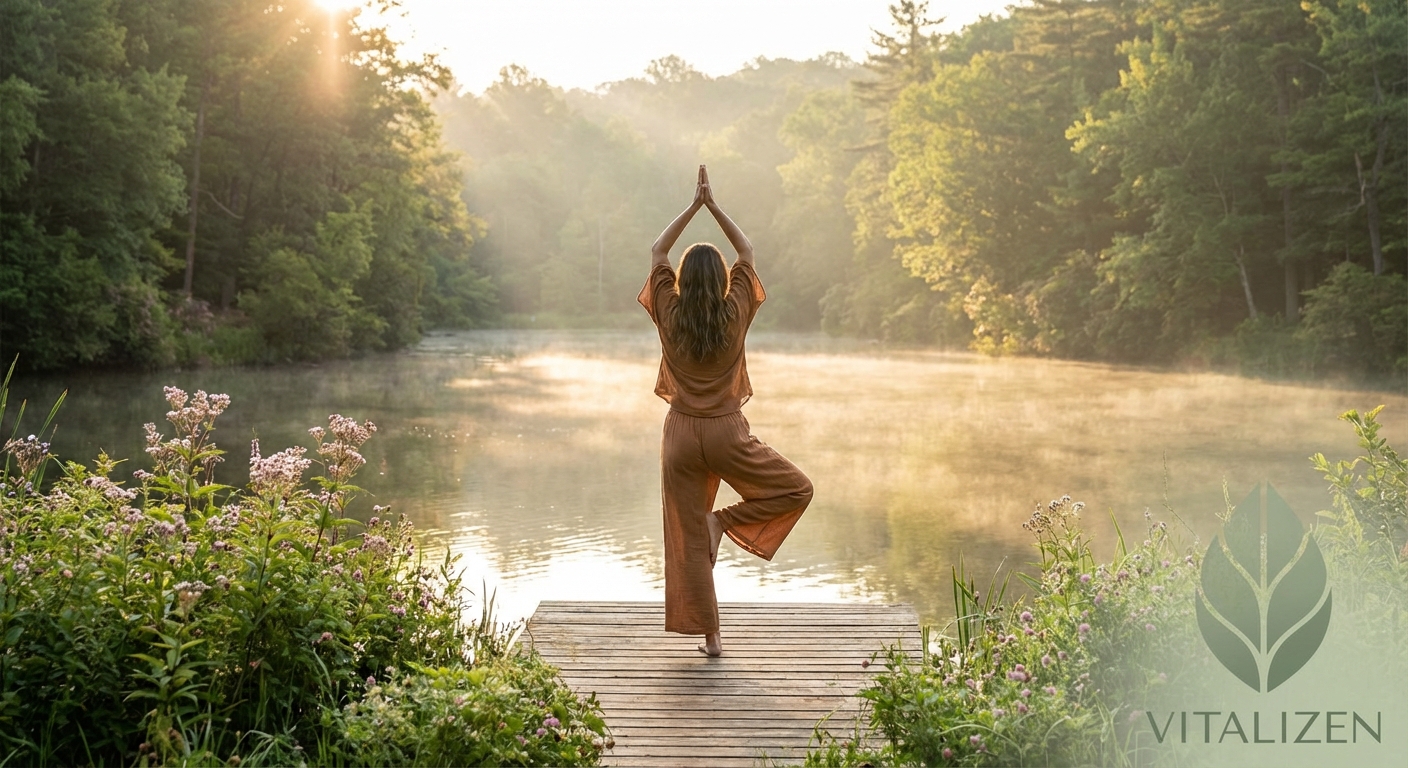
Why Should You Combine Yoga and Meditation?
In today’s fast-paced world, finding true balance can feel impossible. Stress builds up, sleep suffers, and our minds never seem to quiet down. But what if the solution has been right in front of us for thousands of years? The combination of yoga and meditation offers a powerful, science-backed path to reclaiming your peace of mind and physical vitality.
While yoga and meditation are often practiced separately, research shows that combining them creates a synergistic effect that amplifies their individual benefits. In fact, a 2025 meta-analysis published in the Journal of Integrative Medicine found that participants who practiced both yoga and meditation reported 43% greater reductions in anxiety compared to those who practiced only one discipline. This synergy is why more people are turning to yoga and meditation as a daily practice.
What Is the Connection Between Yoga and Meditation?
Before diving into practice, it helps to understand how these two ancient traditions complement each other. Yoga and meditation are two sides of the same coin: yoga prepares the body to sit comfortably for meditation by releasing tension and improving posture. Meditation, in turn, trains the mind to focus and stay present during yoga poses. Together, they create a complete mind-body wellness system.
The Science of Synergy
From a neurological perspective, yoga and meditation work on different but complementary brain regions. Yoga activates the somatosensory cortex and improves body awareness, while meditation strengthens the prefrontal cortex and regulates the amygdala. When practiced together, they create new neural pathways that enhance emotional regulation, reduce stress hormones like cortisol, and boost feel-good neurotransmitters like GABA and serotonin.
According to the National Center for Complementary and Integrative Health (NCCIH), regular yoga and meditation practice can decrease perceived stress levels by up to 30% within six weeks. Source
7 Science-Backed Benefits of Yoga and Meditation
Still wondering if this practice is right for you? Let the evidence speak for itself. Here are seven proven benefits you can expect from a consistent yoga and meditation routine:
- Reduced Stress and Anxiety – A meta-analysis of 42 studies confirmed that yoga and meditation significantly lower cortisol levels and reduce symptoms of generalized anxiety disorder.
- Improved Sleep Quality – Regular practitioners fall asleep 15 minutes faster on average and experience deeper, more restorative sleep cycles.
- Enhanced Emotional Resilience – The combination trains your brain to respond rather than react to challenging situations, building mental toughness over time.
- Better Focus and Concentration – Participants show measurable improvements in attention span and working memory after just 8 weeks of combined practice.
- Lower Blood Pressure – The relaxation response triggered by meditation plus the physical activity of yoga creates a powerful cardiovascular benefit.
- Reduced Inflammation – Both practices lower inflammatory markers like C-reactive protein, supporting long-term immune health.
- Greater Self-Awareness – The mind-body connection cultivated through yoga and meditation leads to better decision-making and healthier lifestyle choices.
These benefits are backed by ongoing research. The American Psychological Association’s 2026 Stress in America survey found that 68% of adults who practiced yoga and meditation reported significantly improved overall well-being. For more details, check APA’s full report.
💬 What benefits have you noticed from your practice? Share your experience in the comments below or tag us on social media with your favorite yoga and meditation routine. We love hearing how this practice transforms lives!
How to Start Your Yoga and Meditation Journey
Getting started doesn’t require expensive equipment or hours of free time. In fact, just 10 to 15 minutes a day can produce noticeable results within weeks. Here is a simple framework to build a sustainable yoga and meditation practice:
Step 1: Create Your Space
Find a quiet corner in your home where you won’t be disturbed. Add a yoga mat, a cushion, and perhaps a plant or candle to make the space inviting. This doesn’t need to be elaborate; consistency matters more than aesthetics.
Step 2: Start with Breath Work
Begin each session with 2 minutes of deep breathing. Inhale for 4 counts, hold for 4, exhale for 4. This simple pranayama technique signals your nervous system to shift from fight-or-flight to rest-and-digest mode.
Step 3: Move Through Gentle Yoga Poses
Follow your breath work with 5 to 8 minutes of gentle yoga. Focus on poses that open the hips, shoulders, and spine – areas where stress accumulates. Think Cat-Cow, Child’s Pose, Downward Dog, and gentle seated twists.
Step 4: Transition to Meditation
After your yoga flow, sit comfortably and close your eyes. Start with just 3 to 5 minutes of meditation. You can use a guided meditation, focus on your breath, or practice a simple body scan. If your mind wanders, gently bring it back without judgment.
Step 5: Use a Supportive App
This is where Vitalizen App becomes your perfect companion. Unlike generic wellness apps, Vitalizen is built specifically to integrate yoga and meditation into one seamless experience. Our guided sessions are designed by certified instructors and meditation experts who understand exactly how these practices complement each other.
With Vitalizen, you get personalized routines that adapt to your experience level, mood, and available time. Whether you have 5 minutes or 60, there is a session waiting for you. Start your journey today and feel the difference a truly integrated practice can make.
Essential Tools for Your Home Practice:
- A non-slip yoga mat for stability and comfort.
- Comfortable, breathable clothing that allows free movement.
- A meditation cushion or folded blanket for seated comfort.
- A quiet, dedicated space free from distractions.
- Optional: yoga blocks, straps, or a bolster for added support.
Deepening Your Practice: Intermediate Tips
Once you’ve built a foundation with yoga and meditation, you can deepen your practice to unlock more benefits. Here are three advanced strategies:
- Add pranayama (breath control) between your asanas. Alternate nostril breathing balances the nervous system and enhances focus for meditation.
- Experiment with different meditation styles – loving-kindness, body scan, or mantra repetition. Each offers unique benefits for emotional health.
- Sequence your yoga poses intentionally to target specific areas like hip openers before seated meditation to improve comfort.
For a step-by-step guide on structuring your own yoga and meditation session, read our detailed post here.
Overcoming Common Obstacles
Many people struggle to maintain a consistent practice. Let’s address the most common challenges and how to overcome them:
“I Don’t Have Time”
Even 5 minutes is enough to create positive momentum. Think of it as a mental hygiene habit, just like brushing your teeth. Read our tips on micro-routines that fit into any schedule.
“I’m Not Flexible Enough”
Yoga is not about touching your toes. It is about connecting with your body exactly as it is today. Flexibility comes with practice, not the other way around. Start with gentle, restorative poses and progress at your own pace.
“My Mind Won’t Stop Racing”
That is completely normal! The goal of meditation is not to empty your mind, but to notice when it wanders and gently return your focus. Every time you do this, you strengthen your “attention muscle.” Celebrate the wandering as part of the practice.
Frequently Asked Questions About Yoga and Meditation
What is the difference between yoga and meditation?
Yoga is primarily a physical practice that involves postures (asanas), breath control (pranayama), and movement to build strength, flexibility, and body awareness. Meditation is a mental practice that trains attention and awareness to achieve mental clarity and emotional calm. When combined, they create a complete mind-body wellness system that enhances both physical and mental health.
Should I do yoga before or after meditation?
Most experts recommend practicing yoga before meditation. Yoga helps release physical tension, improves circulation, and prepares the body to sit comfortably for meditation. A typical session flows from active yoga postures into a seated meditation, allowing the mind to transition naturally from movement to stillness. However, some traditions also practice meditation before yoga to set an intention. Experiment and see what works best for you.
How many minutes should beginners practice yoga and meditation?
Beginners should start with 10 to 15 minutes total per session. A good split is 8 minutes of gentle yoga followed by 5 minutes of meditation. As you build consistency, gradually increase to 20, 30, or even 45 minutes. The key is showing up daily rather than pushing for long sessions that feel unsustainable. Vitalizen App offers beginner-friendly sessions that grow with you.
Can yoga and meditation help with weight loss?
Yes, indirectly. While yoga burns fewer calories than high-intensity cardio, it supports weight loss in several important ways: it reduces cortisol (a stress hormone linked to belly fat storage), improves sleep quality (which regulates hunger hormones), increases mindful eating habits, and builds lean muscle mass through strength-based poses. Meditation also helps reduce emotional eating by improving awareness of hunger cues. Combined, they create the mental and physical conditions for sustainable weight management.
Is yoga and meditation effective for anxiety relief?
Absolutely. Numerous studies confirm that regular yoga and meditation practice significantly reduces symptoms of anxiety. The combination works by activating the parasympathetic nervous system (the “rest and digest” mode), reducing activity in the amygdala (the brain’s fear center), and increasing GABA levels (a neurotransmitter that promotes calm). Many therapists now recommend yoga and meditation as complementary treatments for anxiety disorders.
How is Vitalizen App different from other wellness apps?
Vitalizen App is uniquely designed to integrate yoga and meditation into a single, cohesive practice. Unlike other apps that treat them separately, Vitalizen offers seamless yoga-to-meditation transitions, personalized routines based on your mood and goals, expert-led sessions from certified instructors, and a supportive community of like-minded practitioners. Learn more about our mission to make holistic wellness accessible to everyone.
How much does a yoga and meditation practice cost?
The cost can range from free to premium. Many resources like YouTube offer free classes, while apps such as Vitalizen provide free trials and subscriptions starting at $9.99 per month. Community studio classes may cost $10–15 per session, and private instruction can be $50–100 per hour. A home practice requires only a mat and comfortable clothing, making it accessible for any budget. Try Vitalizen for free and see how affordable a guided routine can be.
When is the best time of day to practice yoga and meditation?
The best time depends on your schedule and goals. A morning session energizes your body and sets a positive tone for the day. An evening practice can relieve accumulated stress and promote deeper sleep. Consistency matters more than the clock—experiment to find a time you can stick with. Even a 10‑minute midday reset can be transformative.
Where can I practice yoga and meditation effectively?
You can practice almost anywhere you have a quiet, comfortable space. At home, dedicate a small corner with a mat and cushion. Outdoor spots like parks or beaches enhance relaxation and connection with nature. Even a private office or hotel room works well when you follow a guided session on an app. The key is minimizing distractions so you can focus inward.
Sample Routine: Your First Week with Yoga and Meditation
Here is a simple 7-day plan to get you started. Each session takes about 15 minutes:
| Day | Focus | Yoga (8 min) | Meditation (5 min) |
|---|---|---|---|
| Day 1 | Gentle Start | Cat-Cow, Child’s Pose | Breath Awareness |
| Day 2 | Hip Opening | Pigeon, Butterfly | Body Scan |
| Day 3 | Core & Balance | Tree, Warrior II | Loving-Kindness |
| Day 4 | Restorative | Legs-Up-The-Wall, Savasana | Guided Imagery |
| Day 5 | Upper Body Release | Eagle Arms, Shoulder Rolls | Mantra Repetition |
| Day 6 | Flow & Movement | Sun Salutation A (3x) | Open Monitoring |
| Day 7 | Integration | Your Favorite Poses | Free Practice |
🌟 Ready to transform your routine? Download Vitalizen App today and get a personalized 7-day starter plan designed just for you. Thousands of people have already found their balance – it is your turn now.
Final Thoughts: Your Journey Starts Now
The beauty of yoga and meditation is that they meet you exactly where you are. You don’t need to be flexible, spiritual, or experienced. All you need is the willingness to show up for yourself, even if only for five minutes a day.
As you embark on this journey, remember that consistency beats intensity. A short daily practice will transform your life far more than a long session you do once a month. And with Vitalizen App by your side, you have a complete ecosystem of support – from guided sessions to progress tracking to a community that cheers you on.
So take a deep breath. Roll out your mat. And begin. The peace you are looking for has been waiting for you all along.
Have questions? Contact our support team anytime. We are here to help you thrive.