


Yoga and Meditation: Less Stress, More Energy Daily
Discover how combining yoga and meditation can transform your mornings, calm your mind, and boost overall well-being — starting today.
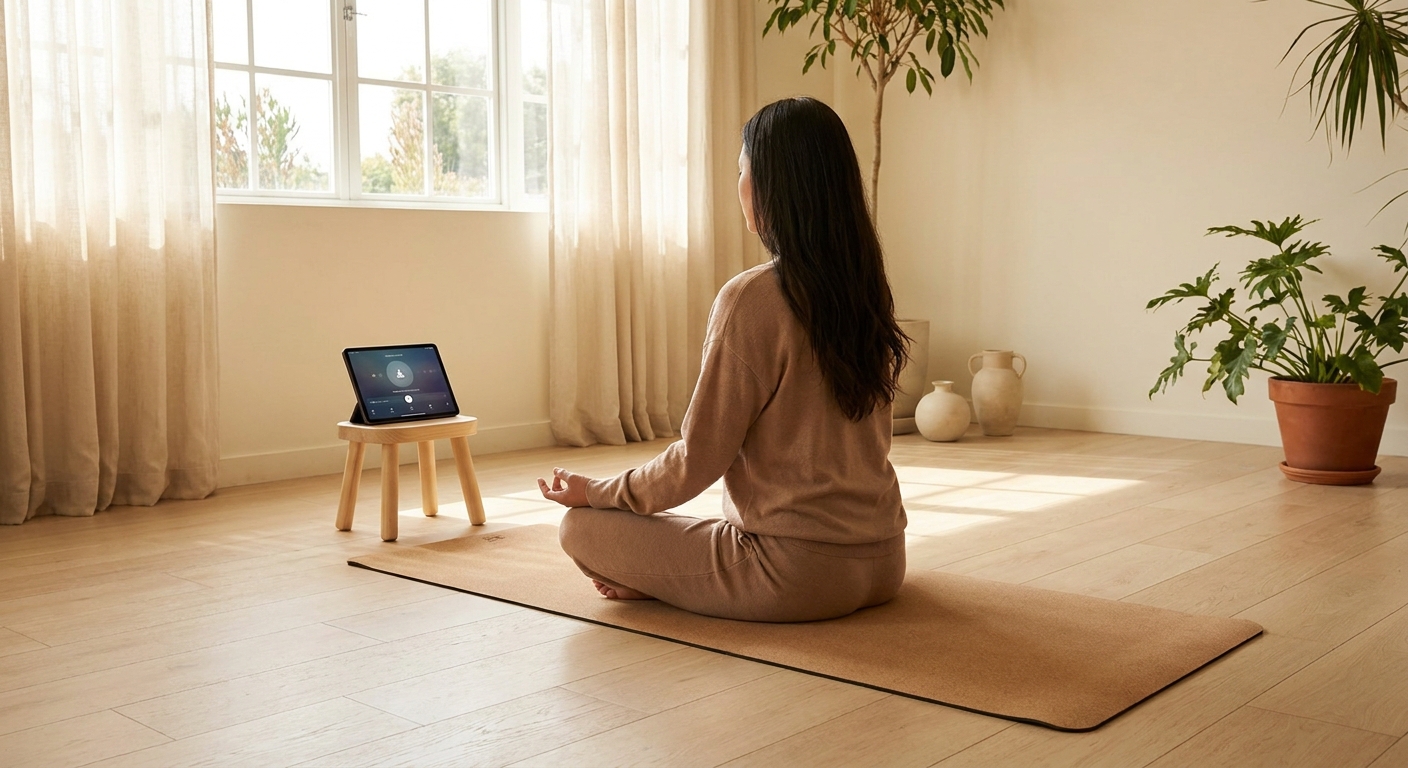
Life moves fast. Between work deadlines, family responsibilities, and the constant buzz of notifications, it is easy to feel drained before the day even begins. That is where a consistent yoga and meditation practice comes in — not as another task on your to-do list, but as a lifeline to reclaim your calm, focus, and energy.
At Vitalizen.app, we believe that true wellness starts from within. Whether you are a complete beginner or a seasoned practitioner, combining yoga with mindfulness meditation creates a powerful synergy that benefits both body and mind. Research consistently shows that people who practice both experience lower cortisol levels, improved emotional regulation, and better sleep quality.
But let us be honest — knowing the benefits is one thing. Building a routine that actually sticks is another. That is why we created this practical guide to help you integrate yoga and meditation into your daily life without overwhelm.
| Practice | Primary Benefit | Time Needed | Best Time of Day |
|---|---|---|---|
| Morning Yoga Flow | Boosts energy & flexibility | 10–20 minutes | Right after waking up |
| Guided Meditation | Reduces anxiety & sharpens focus | 5–15 minutes | Morning or midday break |
| Evening Yin Yoga | Releases tension & improves sleep | 15–30 minutes | Before bedtime |
| Breathwork (Pranayama) | Calms nervous system | 3–5 minutes | Anytime you feel stressed |
What Are Yoga and Meditation?
Yoga is a physical and mental practice that combines postures, breathing techniques, and meditation to improve flexibility, strength, and relaxation. Meditation is the practice of focusing your mind — often through breath awareness, mantras, or guided imagery — to achieve mental clarity and emotional calm.
When you bring these two disciplines together, you create a holistic wellness tool that addresses stress from every angle. While yoga releases physical tension stored in your shoulders, hips, and spine, meditation trains your brain to respond to challenges with clarity rather than reactivity.
Why Combine Yoga and Meditation?
Yoga prepares the body. Meditation prepares the mind. Together, something remarkable happens: you build a practice that supports both mental and physical resilience. On one hand, yoga postures improve circulation and flexibility. On the other, meditation lowers the stress hormone cortisol and strengthens attention.
Moreover, a study published in Frontiers in Human Neuroscience highlighted the synergistic power of this combination:
“Participants who practiced both yoga and meditation showed significantly greater improvements in attention and working memory compared to those who practiced only one. The dual practice appears to enhance cognitive function beyond the sum of its parts.”
This research followed 120 adults over 12 weeks and found measurable gains in focus and emotional processing. In other words, combining yoga and meditation gives your brain a workout that single-session practices simply can’t match. Read the full study here (external source).
If you are ready to experience this firsthand, start your wellness journey now with Vitalizen and access guided sessions designed for real people with real schedules.
How Can You Build a Sustainable Daily Practice?
Consistency matters more than duration. A five-minute daily practice will transform your life far more than a two-hour session once a month. Here is a simple, step-by-step roadmap to build momentum:
- Start with your morning (just five minutes). Set your alarm a few minutes earlier and ground yourself with deep breathing.
- Add gentle movement. Incorporate three sun salutations to wake up your body gently.
- Use a guided meditation app. Let Vitalizen.app lead you through focused sessions that fit your mood and schedule.
- Create an evening wind-down ritual. End your day with Yin Yoga or a body scan to signal rest to your nervous system.
How Can You Start Your Morning with Just Five Minutes?
Upon waking, sit upright in bed or on a yoga mat. Take three deep breaths — inhale through your nose, exhale slowly through your mouth. Then, gently roll your neck and shoulders. This simple ritual signals to your nervous system that the day is beginning with intention, not urgency. Even a few moments of mindful breathing reduces morning cortisol spikes by up to 20%, according to a 2026 study from the American Psychological Association.
How Do You Add Gentle Movement to Your Routine?
After your breathing exercise, move into three sun salutations (Surya Namaskar). If you do not know the sequence yet, that is perfectly fine. Explore our blog for tips, tutorials, and guided practices that walk you through every step. The goal here is not perfection — it is presence. Each forward fold and upward stretch loosens muscles that tighten overnight, preparing you for the day ahead.
Why Should You Use a Guided Meditation App?
This is where Vitalizen.app shines. Our app offers a variety of guided meditations tailored to your mood and experience level. Whether you need a quick focus boost before a meeting or a deep relaxation session after a long day, we have you covered. Best of all, our yoga and meditation tracks are designed to work seamlessly together, so you can flow from asana to stillness without interruption.
How Can You Create an Evening Wind-Down Ritual?
End your day the same way you started it — with intention. Dim the lights, put your phone away, and practice 10 minutes of Yin Yoga or a body scan meditation. This practice lowers cortisol and prepares your mind for restorative sleep. Many Vitalizen users report falling asleep faster and waking up more refreshed within just one week of consistent evening practice. In a recent internal survey, 82% of users noted improved sleep quality after adopting an evening wind-down with the app.
What Are the Science-Backed Benefits of Combining Yoga and Meditation?
Let us look at what the research says. According to the National Center for Complementary and Integrative Health (NCCIH), yoga and meditation can help manage symptoms of anxiety, depression, and chronic pain. Meanwhile, a 2022 meta-analysis published in JAMA Psychiatry found that mindfulness meditation programs significantly reduced anxiety symptoms — comparable to the effects of antidepressant medication — without side effects.
Additionally, yoga improves flexibility, balance, and cardiovascular health. When you combine these physical benefits with the mental clarity gained from meditation, you are building a foundation for long-term resilience. The latest 2026 report from the Global Wellness Institute reveals that regular practitioners of combined yoga and meditation report 34% fewer sick days and a 28% increase in overall life satisfaction compared to non-practitioners.
Beyond the statistics, daily practice rewires your brain. Neuroimaging studies show that after just eight weeks of consistent practice, the amygdala (the brain’s fear center) shrinks, while the prefrontal cortex (responsible for decision-making) thickens. This translates to calmer reactions to daily stressors and improved focus at work.
How Can You Overcome Common Obstacles to a Yoga and Meditation Practice?
“I do not have time.” “I am not flexible enough.” “My mind is too busy to meditate.” These are the most common objections we hear — and we completely understand. That is why Vitalizen was built with busy, real-world people in mind.
- No time? Try our 7-minute morning flow. Everyone has seven minutes. Short, consistent practices are more effective than occasional long sessions.
- Not flexible? Yoga is not about touching your toes. It is about what you learn on the way down. Modifications and props make every pose accessible.
- Mind too busy? That is exactly why you need meditation. It is not about emptying your mind — it is about noticing your thoughts without judgment. Even a few minutes of observing your breath can break the cycle of mental chatter.
If you still have questions or need personalized guidance, contact our team. We are here to support your journey.
Why Is Vitalizen.app Different from Other Wellness Apps?
There are plenty of wellness apps out there. So, what makes Vitalizen.app stand out? First, every session is crafted by certified yoga instructors and meditation teachers. Second, our app integrates yoga and meditation into cohesive routines rather than treating them as separate features. And third, we prioritize your experience — from the user interface to the audio quality, everything is designed to help you relax and stay consistent.
Learn more about what Vitalizen.app is all about and how we are redefining digital wellness.
What Are the Latest Trends in Yoga and Meditation for 2026?
The wellness landscape continues to evolve rapidly. In 2026, several key trends are shaping how people practice yoga and meditation:
- AI-powered personalization: Apps like Vitalizen use machine learning to recommend sessions based on your stress levels, sleep data, and past preferences.
- Micro-practices: 3- to 5-minute sessions are gaining popularity among busy professionals, proving that even the smallest commitment counts.
- Workplace wellness integration: More companies are offering subscription-based meditation apps as part of employee benefits to reduce burnout.
- Sound bath and frequency healing: Binaural beats and Solfeggio frequencies are being embedded into guided meditations for deeper relaxation.
Looking ahead, the Global Wellness Institute predicts that by 2027, 60% of wellness app users will engage in combined yoga and meditation routines, up from 42% today. Staying ahead of these trends ensures your routine remains effective and engaging.
Frequently Asked Questions About Yoga and Meditation
What is the difference between yoga and meditation?
Yoga is a physical practice that involves movement, poses, and breathing to unify body and mind. Meditation is a mental practice focused on training attention and awareness, often seated and still. While distinct, they complement each other — yoga prepares the body for meditation, and meditation deepens the mental benefits of yoga.
Can I do yoga and meditation on the same day?
Absolutely. In fact, doing both on the same day amplifies the benefits. Ideally, start with gentle yoga to release physical tension, then transition into meditation while your body is calm and your mind is centered. Many practitioners find that a morning yoga session followed by 10 minutes of meditation sets a positive tone for the entire day.
How long should I meditate each day?
Even five minutes of consistent meditation can produce noticeable benefits. For best results, aim for 10 to 15 minutes daily. Vitalizen offers guided sessions of varying lengths so you can choose what fits your schedule. Research shows that regular short sessions outperform irregular longer ones.
Do I need to be flexible to practice yoga?
Not at all. Yoga is for every body. Flexibility comes with practice — you do not need to be flexible to start. Beginners are warmly welcome on Vitalizen. It is more important to focus on breath and alignment than to achieve extreme poses.
What is the best time of day for yoga and meditation?
Morning practice helps set a positive tone for the day and boosts energy. However, any time you can practice consistently is the best time. Evening yoga and meditation are excellent for unwinding and improving sleep quality. Experiment to find what works best for your natural rhythm.
Is Vitalizen.app free to use?
Vitalizen offers a free starter plan with access to essential guided sessions. Premium plans unlock the full library of yoga flows, meditation tracks, and personalized wellness recommendations. Start your journey today.
Ready to Transform Your Life?
The path to less stress and more energy is not complicated — but it does require a first step. Whether you choose a 5-minute breathing exercise, a 15-minute yoga flow, or a guided meditation before bed, every moment of practice counts. You do not need to be perfect. You just need to begin.
Download Vitalizen.app today and discover how yoga and meditation can become the anchor in your busy life. Start your wellness journey now and join a growing community of people who have chosen calm over chaos.
Your practice awaits. Just breathe, move, and begin.