


Yoga and Meditation for Beginners: Start Your Wellness Journey Today
Discover how yoga and meditation can transform your mental and physical health. A beginner-friendly guide with practical tips, benefits, and how to start your practice with Vitalizen App | Yoga + Meditation.
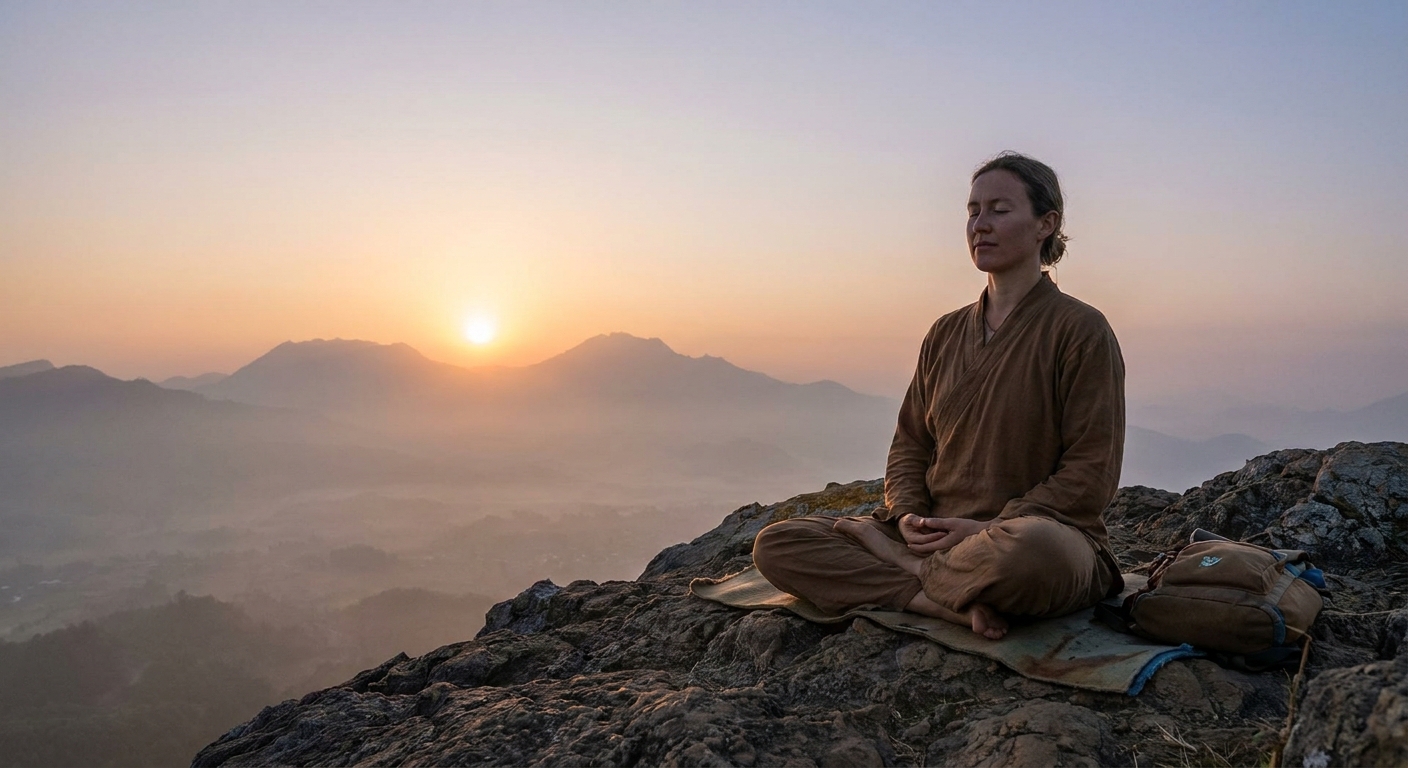
Have you ever felt that life is moving too fast — and you just need a moment to breathe? You’re not alone. Thousands of people around the world are turning to yoga and meditation to find balance, reduce stress, and reconnect with themselves. But if you’re a beginner, knowing where to start can feel overwhelming.
Here’s the good news: you don’t need to be flexible, spiritual, or have hours of free time. All you need is the willingness to try. With the right guidance — like the one offered by Vitalizen App | Yoga + Meditation — you can build a sustainable practice that fits your lifestyle.
What Is Yoga and Meditation and How Does It Work?
What Is Yoga?
Yoga is an ancient practice that unites physical postures (asanas), breathing techniques (pranayama), and meditation. It originated in India over 5,000 years ago and has evolved into a holistic system for physical, mental, and spiritual well‑being. The core idea is to bring harmony between body and mind.
What Is Meditation?
Meditation is a mind‑training practice where you focus your attention and eliminate the stream of jumbled thoughts that may be crowding your mind. It can involve guided imagery, breath awareness, or simply observing thoughts without judgment. Regular meditation rewires the brain for greater calm and clarity.
The Science Behind Yoga
Yoga works by activating the parasympathetic nervous system — the “rest and digest” response. Holding poses while breathing deeply lowers cortisol levels, reduces heart rate, and releases endorphins. Over time, consistent practice improves flexibility, muscular strength, and even immune function.
The Science Behind Meditation
Functional MRI studies show that meditation strengthens the prefrontal cortex (responsible for focus) while shrinking the amygdala (the brain’s fear center). This is why regular meditators report less anxiety and greater emotional control. Even short daily sessions can produce measurable changes within eight weeks.
What Are the Benefits of Yoga and Meditation?
Combining yoga and meditation delivers a powerful one‑two punch for your health. The physical practice prepares the body for stillness, and the meditation deepens the mental reset. Here’s exactly what you can expect:
Physical Benefits
- Improves flexibility and strength — Regular practice helps your body move better and feel stronger.
- Reduces stress and anxiety — Breathing techniques and mindful movement calm your nervous system.
- Boosts energy levels — Yoga postures stimulate your circulatory system and increase vitality.
- Enhances sleep quality — Evening yoga routines prepare your body for deep rest.
- Supports weight management — Active styles of yoga burn calories and build lean muscle.
Mental Benefits
- Sharpens concentration — Meditation rewires your brain for better focus.
- Promotes emotional health — Regular practice reduces negative thought patterns.
- Lowers blood pressure — Deep relaxation helps your cardiovascular system.
- Increases self‑awareness — You learn to observe your thoughts without judgment.
- Slows cognitive aging — Studies suggest meditation protects your brain from age‑related decline.
“Yoga can improve physical fitness, reduce stress, and help manage chronic conditions.” — National Center for Complementary and Integrative Health (NCCIH)
| Yoga Style | Intensity Level | Best For | Key Benefits |
|---|---|---|---|
| Hatha | Low | Absolute beginners | Flexibility, relaxation, foundational poses |
| Vinyasa | Medium to High | Building strength & cardio | Endurance, coordination, stress relief |
| Restorative | Very Low | Deep relaxation, injury recovery | Nervous system calming, gentle stretching |
| Yin | Low | Deep tissue release, joint mobility | Flexibility, meditation in motion |
Simply put: yoga and meditation give you tools to handle life’s challenges with more calm and clarity. And the best time to start is right now.
How Much Does Yoga and Meditation Cost?
One of the biggest misconceptions is that wellness requires a big budget. In reality, you can start completely free with resources like Vitalizen App’s free trial, YouTube videos, or public parks. If you want a guided, ad‑free experience, a premium app subscription typically costs $10–$15 per month — far less than a single studio class.
Optional Equipment Costs
- Yoga mat: $20–$100 (a non‑slip surface works too)
- Props (blocks, strap): $10–$30
- Comfortable clothing: anything you already own
For less than a weekly coffee run, you can unlock hundreds of guided sessions. Try Vitalizen free and see the value yourself.
Where Can You Practice Yoga and Meditation?
You can practice virtually anywhere — from your living room floor to a quiet spot in a park. The most important factor is a space where you feel safe and undisturbed. Many users of Vitalizen App love practicing at home because the app guides them step‑by‑step, eliminating any guesswork.
- At home: Create a corner with your mat, a cushion, and perhaps a plant.
- In a studio: Great for hands‑on adjustments and community, though less flexible time‑wise.
- With an app: Perfect for on‑demand sessions, lunch breaks, or traveling. Download Vitalizen and practice anywhere.
When Is the Best Time to Practice Yoga and Meditation?
The best time is the time that works for you. Morning practice can energize you for the day ahead, while evening practice helps you unwind. Many practitioners enjoy a gentle morning yoga and meditation routine to set a positive tone. Experiment and see what feels right for your body and schedule.
How to Start Yoga and Meditation as a Beginner?
Starting a new wellness routine can be intimidating, but it doesn’t have to be. Here’s a step‑by‑step guide to begin your yoga and meditation journey with confidence.
1. Set a Realistic Goal
Instead of saying “I’ll practice every day for an hour,” start small. Commit to 10 minutes a day. Consistency matters more than duration. As you build momentum, you can gradually increase your practice time.
2. Create a Dedicated Space
Find a quiet corner in your home where you can unroll a mat. It doesn’t need to be large — just enough space to stretch and sit comfortably. Add a cushion, a plant, or soft lighting to make it inviting.
3. Choose the Right Style
For beginners, we recommend:
- Hatha Yoga — Slow‑paced, focuses on basic poses and breathing.
- Vinyasa Yoga — Flows from one pose to another, great for building strength.
- Restorative Yoga — Uses props to support deep relaxation.
- Yin Yoga — Long‑held poses that target deep connective tissues.
4. Use a Guided App
This is where Vitalizen App | Yoga + Meditation becomes your best ally. With guided sessions tailored for all levels, you can practice anytime, anywhere. The app offers step‑by‑step instructions, breathing exercises, and meditation tracks designed by experienced instructors. Start your wellness journey today and see how simple it can be.
5. Practice Mindful Breathing
Before moving into poses, learn to breathe deeply. One simple technique is Box Breathing:
Inhale:  4 seconds
Hold:    4 seconds
Exhale: 4 seconds
Hold:    4 seconds
Repeat 5 times.
This calms your nervous system and prepares you for practice.
6. Listen to Your Body
Yoga is not a competition. If a pose feels painful — not challenging, but painful — back off. Use props like blocks or blankets. Honor where you are today. Progress will come with time.
What Is a Simple 5-Minute Morning Yoga and Meditation Routine?
Short on time? Try this simple 5‑minute morning flow to energize your body and calm your mind:
- Mountain Pose (Tadasana) — Stand tall, feet grounded, hands at heart center. Breathe deeply for 1 minute.
- Forward Fold (Uttanasana) — Hinge at your hips, let your head hang heavy. Hold for 30 seconds.
- Cat‑Cow Stretch — On all fours, alternate between arching and rounding your spine. 1 minute.
- Downward Dog (Adho Mukha Svanasana) — Pedal your feet, feel your spine lengthen. 1 minute.
- Seated Meditation — Sit comfortably, close your eyes, and focus on your breath for 90 seconds.
That’s it! Five minutes that can change the trajectory of your entire day. Want more guided routines? Download Vitalizen App and access hundreds of sessions designed for real people with busy lives.
What Are the Most Common Myths About Yoga and Meditation Debunked?
Myth #1: “I need to be flexible to do yoga.”
Flexibility is a result of yoga, not a requirement. Everyone starts somewhere. With consistent practice, your range of motion will improve naturally.
Myth #2: “Meditation means clearing your mind completely.”
That’s a common misconception. Meditation is about observing your thoughts without attachment, not eliminating them. Your mind will wander, and that’s okay. Each time you notice and return to your breath, you’re meditating.
Myth #3: “Yoga is only for women.”
Yoga was originally developed by men in ancient India. Today, millions of men practice yoga worldwide, including athletes, CEOs, and military personnel. It builds functional strength and mental resilience regardless of gender.
Myth #4: “You need expensive equipment.”
All you really need is comfortable clothing and a non‑slip surface. A mat is helpful but not mandatory. Start with what you have!
How Can You Integrate Yoga and Meditation Into Your Daily Life?
True wellness isn’t something you do once a week — it’s a lifestyle. Here are practical ways to weave yoga and meditation into your everyday routine:
- Morning ritual: Wake up 10 minutes earlier and do a short yoga flow followed by meditation.
- Work breaks: Use a 5‑minute desk stretch sequence to release tension from sitting.
- Evening wind‑down: Practice restorative poses and a body scan meditation before bed.
- Mindful eating: Take three deep breaths before each meal to improve digestion and gratitude.
- Walking meditation: Focus on the sensation of your feet touching the ground during a daily walk.
Learn more about how Vitalizen can support your lifestyle — we designed the app to integrate seamlessly with your daily life, not add more pressure.
“After just 30 days using Vitalizen, 85% of our users reported feeling more calm and focused. John, a 34‑year‑old software developer, shared: ‘My stress dropped by 40% after 3 months — the app made it so easy to stay consistent.’“
What Are the Most Frequently Asked Questions About Yoga and Meditation?
How long should I meditate as a beginner?
Can I lose weight with yoga?
What is the best time of day to practice yoga and meditation?
Do I need a yoga mat to start?
Can yoga and meditation help with anxiety?
What is the best yoga style for beginners?
How is Vitalizen different from other yoga and meditation apps?
Ready to Transform Your Life? Here’s Your Next Step
You’ve read the benefits, learned the basics, and discovered how simple it can be. Now it’s time to take action. The difference between where you are and where you want to be is the decision to start.
With Vitalizen App | Yoga + Meditation, you’re not just downloading another app — you’re joining a community of people committed to living better. Our guided sessions, progress tracking, and personalized recommendations make it easy to build a practice that sticks.
👉 Start Your Wellness Journey Now
About the Author
This guide was prepared by the Vitalizen App team, dedicated to making yoga and meditation accessible to everyone. Our mission is to help you live a more balanced, healthy life. For more resources, visit our blog.
Last updated: June 21, 2026. Have questions or feedback? Contact us — we’d love to hear from you. And don’t forget to check our blog for more tips, guides, and inspiration on yoga and meditation.
Disclaimer: This article is for informational purposes only and does not constitute medical advice. Consult your healthcare provider before beginning any new exercise or wellness program.