


How to Use Yoga and Meditation for Mental Clarity and Inner Peace
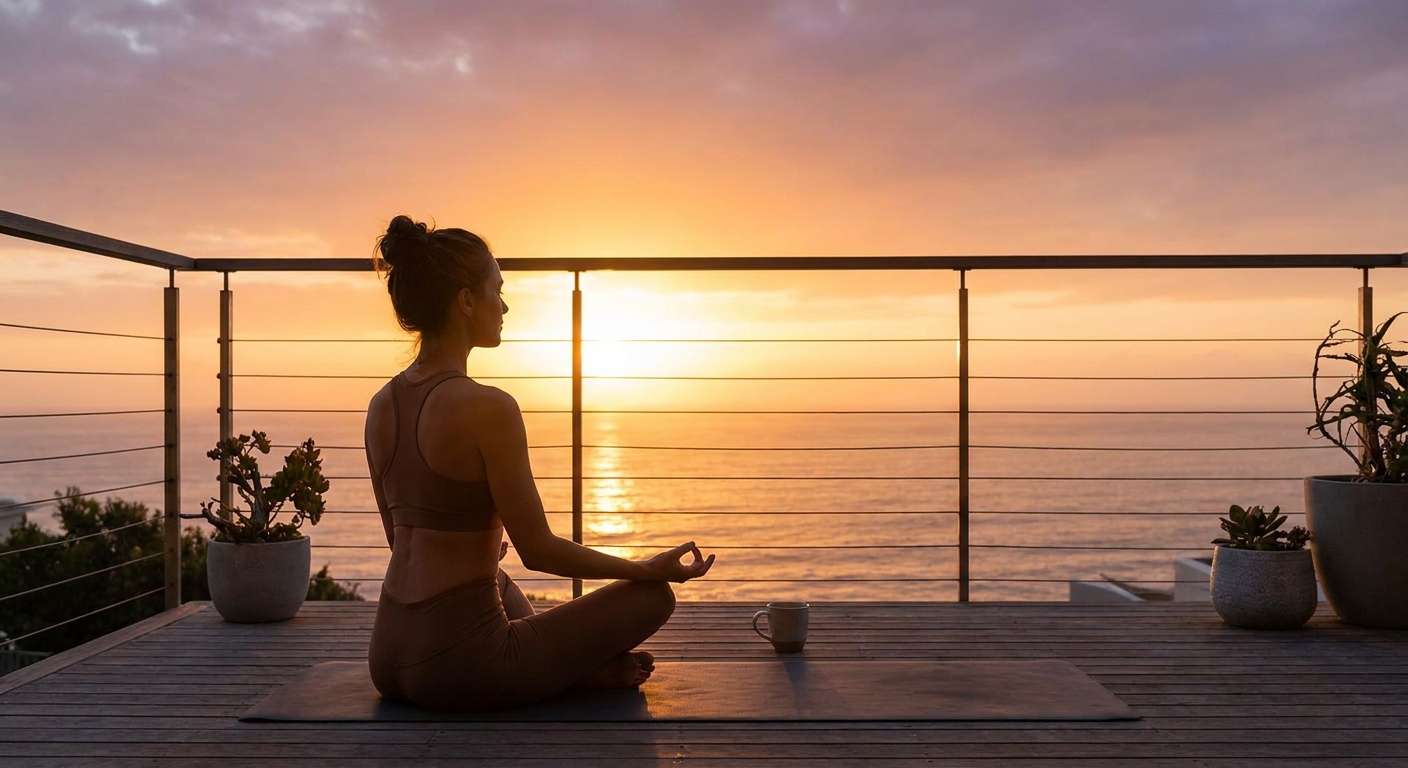
Discover how combining yoga with daily meditation can transform your mental health, reduce stress, and bring lasting inner peace. A practical guide for beginners and practitioners alike.
In a world that never stops spinning, finding a moment of true stillness can feel impossible. Yet, the ancient practices of yoga and meditation offer exactly that — a chance to pause, breathe, and reconnect with yourself. Whether you are a complete beginner or a seasoned practitioner, integrating these two disciplines into your daily routine can profoundly shift your mental, emotional, and physical well-being.
But here is the thing: many people still treat yoga and meditation as separate activities. You might roll out your mat for a flow session and then sit for a quick five-minute meditation afterward — or skip the meditation entirely. What if we told you that combining them intentionally creates a synergy that amplifies the benefits of both? That is exactly what we will explore in this guide.
By the end of this article, you will understand not only why yoga and meditation work so well together but also how to build a sustainable practice that fits your lifestyle. And the best part? You do not need a fancy studio or hours of free time. With tools like the Vitalizen App, your journey toward mental clarity and inner peace is always just a tap away.
Why Combine Yoga and Meditation?
Imagine your mind as a lake. On most days, the surface is choppy with waves of stress, notifications, deadlines, and worries. Yoga acts as the practice that calms the surface waves, while meditation allows the sediment at the bottom to settle completely, leaving the water crystal clear.
When practiced together, yoga prepares the body and mind for a deeper meditative state. The physical postures release built-up tension from your muscles, improve blood circulation, and regulate your breathing. This physiological readiness makes it significantly easier to sit still and focus during meditation. Conversely, meditation enhances your awareness of your body during yoga, helping you move with greater intention and mindfulness.
According to a study published in the Journal of Clinical Psychology, participants who combined yoga with meditation reported a 40% greater reduction in anxiety levels compared to those who only practiced one of the two disciplines. The synergy is real, and it is backed by science.
Moreover, the combination of yoga and meditation addresses both the physical and mental dimensions of stress. While yoga releases muscular tension, meditation calms the racing mind. This two-pronged approach leads to deeper relaxation than either practice alone. Research from the National Center for Complementary and Integrative Health (NIH) confirms that regular practice can improve sleep quality, reduce blood pressure, and enhance overall mood.
“Yoga is the journey of the self, through the self, to the self.” — The Bhagavad Gita
What is the Science Behind Yoga and Meditation?
You might be wondering: what exactly happens inside your brain and body when you practice yoga and meditation?
Yoga activates the parasympathetic nervous system — your body’s “rest and digest” mode. When you hold poses like Child’s Pose (Balasana) or practice slow, controlled breathing (Pranayama), your heart rate slows down, cortisol levels drop, and your muscles release chronic tension. This physical state of relaxation creates the optimal environment for meditation.
Meanwhile, meditation increases gray matter density in regions of the brain associated with memory, emotional regulation, and empathy. A landmark study from Harvard University found that just eight weeks of regular meditation led to measurable changes in brain structure. When you combine this with the physical benefits of yoga, you get a holistic practice that nurtures both your mind and your body simultaneously.
For a deeper dive into the neurological benefits, you can explore this comprehensive research review on mindfulness meditation published by the National Institutes of Health. Additionally, a Harvard Gazette article discusses how meditation may slow cellular aging.
Top 5 Benefits of Combining Yoga and Meditation
Integrating yoga and meditation into your daily life yields numerous advantages. Here are the top five:
- Improved focus and concentration: The mindfulness cultivated during meditation carries over into your yoga practice, and vice versa. Over time, you will notice enhanced ability to concentrate on tasks throughout the day.
- Reduced anxiety and depression: Both practices lower cortisol levels and boost serotonin. The combination is particularly effective for managing mood disorders.
- Better sleep quality: Evening yoga and meditation routines help calm the nervous system, making it easier to fall asleep and stay asleep.
- Enhanced emotional regulation: Regular practice helps you respond to stressors with greater equanimity instead of reacting impulsively.
- Greater self-awareness: By tuning into your body and breath, you develop a deeper understanding of your habits, triggers, and inner strength.
How to Start a 15-Minute Yoga and Meditation Routine
One of the biggest barriers to starting a new habit is the belief that you need more time. The truth is, you can experience profound benefits with just fifteen minutes a day. Here is a simple routine you can do right now, no matter where you are.
Step 1: Centering Breath (2 minutes)
Find a comfortable seated position. Close your eyes and bring your attention to your natural breath. Inhale deeply through your nose for a count of four, hold for four, exhale for four. This box breathing technique instantly grounds you and signals your nervous system to shift from stress mode to calm mode.
Step 2: Gentle Yoga Flow (8 minutes)
Move through a slow sequence of poses. Start with Cat-Cow stretches (Marjaryasana-Bitilasana) to warm up your spine. Then transition into Downward-Facing Dog (Adho Mukha Svanasana), followed by a gentle Forward Fold (Uttanasana). End with a Standing Mountain Pose (Tadasana), feeling your feet rooted to the ground.
As you move, keep your awareness on your breath. Notice how each pose feels in your body. There is no need to force anything — yoga is not about achieving the perfect shape; it is about how the shape makes you feel.
Step 3: Sitting Meditation (5 minutes)
After your yoga flow, sit back down comfortably. Set a timer for five minutes. Focus on the natural rhythm of your breath — the rise and fall of your chest, the sensation of air entering and leaving your nostrils. Your mind will wander. That is okay. Every time you notice it drifting, gently bring it back to your breath without judgment.
This brief practice is your anchor. It trains your brain to return to the present moment, again and again, building the mental muscle of focus and calm.
If you would like guided sessions that walk you through exactly this kind of routine, the Vitalizen App offers beginner-friendly programs designed by certified yoga instructors and meditation teachers. You can start your journey today with just a few taps.
What Are the Common Mistakes and How to Avoid Them?
Even with the best intentions, it is easy to fall into patterns that sabotage your progress. Here are three of the most common mistakes people make when starting their yoga and meditation journey — and how you can sidestep them.
Mistake #1: Expecting Immediate Results
Yoga and meditation are not quick fixes. They are lifestyle practices that compound over time. If you sit down to meditate and expect instant enlightenment, you will likely feel frustrated. Instead, approach each session with curiosity. Notice how you feel compared to yesterday — not compared to an idealized version of yourself.
Mistake #2: Comparing Yourself to Others
Scrolling through social media and seeing someone bent into a pretzel-like pose can be discouraging. Remember: social media shows highlight reels, not the years of practice behind them. Your journey is yours alone. Celebrate small wins — like the first time you complete a full week of daily practice, or the moment you notice you handled a stressful situation with more calm than usual.
Mistake #3: Skipping the Warm-Up
Jumping straight into intense poses without warming up is a recipe for injury. Always begin with gentle movements and breath work. Your body needs time to transition from a state of activity to a state of mindful movement. This is not wasted time — it is the foundation of a safe and sustainable practice.
To avoid these pitfalls, keep a journal of your practice. Write down how you feel before and after each session. Over weeks, you will see patterns of growth that encourage consistency.
How Can Technology Deepen Your Yoga and Meditation Practice?
Some purists argue that yoga and meditation should be disconnected from technology. While there is beauty in a completely unplugged practice, the reality is that most of us carry a smartphone everywhere we go. Instead of fighting that reality, why not use it to your advantage?
Modern apps have democratized access to ancient wisdom. You no longer need to travel to a remote ashram or pay expensive studio fees to learn from experienced teachers. With the right app, you can access thousands of hours of guided meditations, yoga classes for all levels, breathwork exercises, and even personalized wellness plans — all from the comfort of your living room.
This is exactly what Vitalizen App was built for. We combine the best of yoga and meditation into one seamless experience. Whether you have five minutes or an hour, whether you are a complete beginner or an advanced practitioner, there is a session waiting for you. Start your wellness journey here and discover how technology can support, not distract from, your inner peace.
Curious to learn more about our philosophy? Visit our about page to see the story behind Vitalizen and our commitment to making mindfulness accessible to everyone.
Frequently Asked Questions About Yoga and Meditation
Can I practice yoga and meditation if I am not flexible?
Absolutely. Flexibility is a result of yoga, not a prerequisite. Yoga meets you exactly where you are. If you cannot touch your toes today, that is perfectly fine. With consistent practice, your range of motion will naturally improve. Meditation has nothing to do with physical flexibility — it is a practice of mental flexibility, which everyone can develop regardless of age or body type.
How long should I meditate each day?
Quality matters more than quantity. Research suggests that even five to ten minutes of daily meditation can produce significant benefits over time. It is far more effective to meditate for five minutes every day than to meditate for an hour once a week. Start small, build the habit, and gradually increase the duration as you feel comfortable.
What is the best time of day to practice yoga and meditation?
The “best” time is the time that fits consistently into your schedule. Many traditional practitioners recommend sunrise (Brahma Muhurta) for its peaceful energy, but do not let that discourage you if mornings are hectic. Some people find that practicing in the evening helps them unwind after work. Experiment with different times and notice how your body and mind respond. The key is consistency, not perfection.
Do I need special equipment to start yoga and meditation?
Not at all. To begin, all you need is comfortable clothing and a quiet space. A yoga mat can be helpful for grip and comfort, but a carpet or towel works perfectly fine. For meditation, a cushion or chair can support your posture, but you can also sit on the floor. The most important piece of equipment is your willingness to show up for yourself.
How is the Vitalizen App different from other wellness apps?
Vitalizen App uniquely integrates both yoga and meditation into a unified experience, rather than treating them as separate categories. Our programs are designed by certified instructors and tailored to your personal goals, experience level, and schedule. Additionally, we focus on building sustainable habits through gentle guidance rather than performance pressure. It is wellness, reimagined for the modern world. Try it for yourself and feel the difference.
Your Journey Starts Now
The truth about yoga and meditation is simple: you do not need to be perfect. You do not need to be flexible, enlightened, or free of stress. You just need to begin. Show up for yourself, even if it is just for five minutes. Breathe. Move. Sit. Notice. Repeat.
Over time, the practice will shift from something you do to something you are. The calm you find on the mat will begin to permeate your daily life — during traffic jams, difficult conversations, and unexpected challenges. That is the true gift of this practice: not a temporary escape, but a permanent transformation.
Are you ready to take the first step? Join the Vitalizen community today and begin your journey toward a calmer, clearer, and more centered version of yourself. We cannot wait to welcome you.
Transform Your Day with Vitalizen App
Get personalized yoga flows, guided meditations, and breathwork exercises delivered straight to your phone. Start your free trial now and discover what true inner peace feels like.
💡 Ready to feel the difference? Download the Vitalizen App today and start your 7-day free trial. No commitment, just peace.