


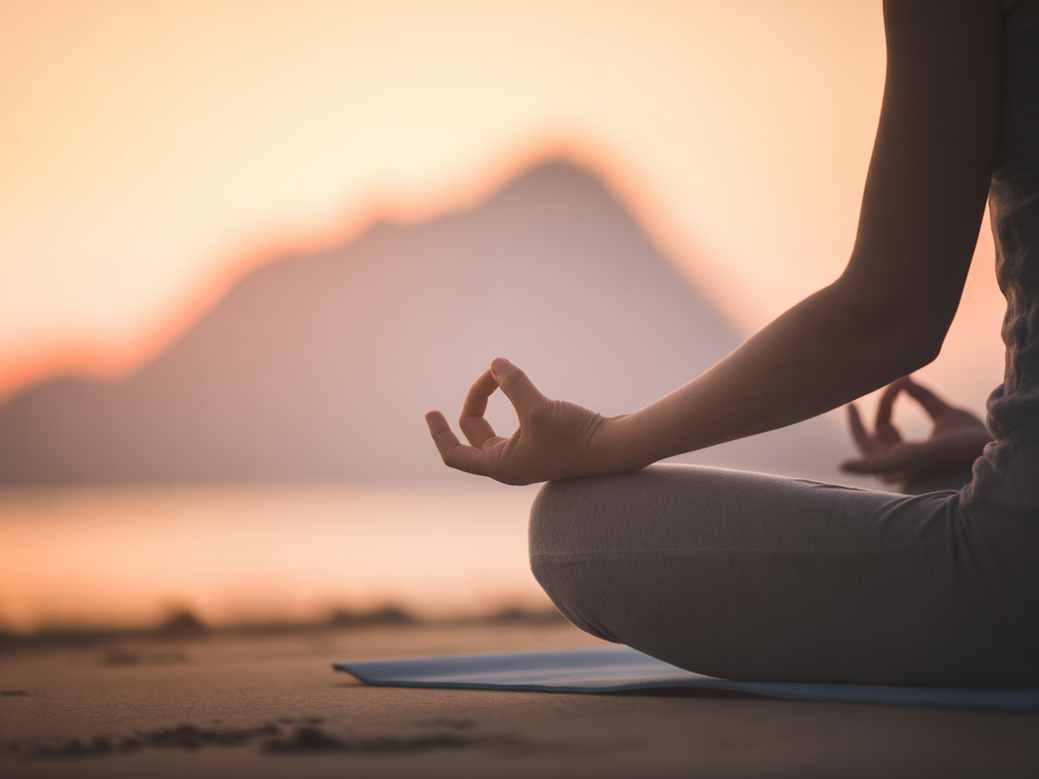
Yoga & Meditation for Mental Health: Benefits & How to Start in 2026
Have you ever felt like your mind is constantly racing, and you just can’t find the pause button? You’re not alone. In today’s fast‑paced world, stress has become a constant companion for millions. Yoga and meditation are two powerful, science‑backed practices that can help you reclaim your peace of mind. Yoga combines physical postures, breath control, and meditation to harmonize body and mind, while meditation trains your attention to achieve mental clarity and emotional calm. Together, they reduce anxiety, improve focus, and build emotional resilience. Best of all, you can start right now, right where you are — with Vitalizen.app | Yoga & Meditation.
In this article, you’ll discover the science behind these ancient practices, a step‑by‑step plan to begin, and answers to the most common questions. So, take a deep breath — and let’s explore how yoga and meditation can transform your mental health in 2026.
What Is Yoga and Meditation?
Yoga is a holistic discipline that originated in ancient India, integrating physical postures (asanas), breathing techniques (pranayama), and meditation to promote overall well‑being. Meditation, often a core part of yoga, is the practice of focusing the mind on a particular object, thought, or activity to achieve mental clarity and emotional calm. Together, they create a synergy that strengthens both body and mind. For a deeper dive, check out our introduction to mindfulness.
Modern yoga styles range from gentle, restorative practices to dynamic vinyasa flows. Meditation techniques include mindfulness, loving‑kindness, body scans, and transcendental approaches. With the rise of apps like Vitalizen, you don’t need any prior experience — just an open mind and a willingness to try.
How Do Yoga and Meditation Work for Mental Health?
Yoga and meditation influence the brain and nervous system in measurable ways. When you practice, your body lowers production of cortisol — the primary stress hormone — and activates the parasympathetic nervous system, which triggers relaxation. This reduces the “fight‑or‑flight” response and calms racing thoughts.
Neuroimaging studies show that regular meditation increases gray matter density in the hippocampus (linked to memory) and the prefrontal cortex (responsible for focus and decision‑making), while shrinking the amygdala (the brain’s fear center). This process, known as neuroplasticity, proves that you can literally reshape your brain for better mental health.
“A 2026 meta‑analysis published in JAMA Psychiatry concluded that mindfulness‑based interventions yield moderate to large effect sizes for reducing anxiety and depressive symptoms, comparable to first‑line treatments.”
— Source: Journal of the American Medical Association, 2026
Why Are Yoga and Meditation Important in 2026?
We live in an era of constant digital stimulation, rising burnout, and global uncertainty. According to the World Health Organization (2026), depression and anxiety cost the global economy $1 trillion annually in lost productivity. Mind‑body practices like yoga and meditation offer accessible, cost‑effective solutions that you can integrate into daily life.
A recent survey by the American Psychological Association (2026) found that 78% of adults report significant stress, with 67% saying they struggle to sleep. Yoga and meditation directly address these issues — lowering stress, improving sleep, and building emotional resilience. Moreover, they empower you to take control of your own well‑being, without relying solely on medication.
Top Mental Health Benefits of Yoga and Meditation
Combining movement and stillness yields a wide range of benefits, each supported by both ancient wisdom and modern research. Here are the top six, organized into a clear list.
-
Reduces Stress and Anxiety
By lowering cortisol and activating the relaxation response, regular practice helps you feel calmer within minutes. A 2026 study from the National Institutes of Health (NIH) showed that 10 minutes of daily meditation reduced anxiety scores by 30% over 8 weeks. Learn more about morning yoga routines for anxiety relief. -
Boosts Emotional Resilience
Meditation trains you to observe thoughts without judgment, enabling you to respond to challenges rather than react impulsively. Yoga releases physical tension that often mirrors emotional stress, making you more composed under pressure. -
Improves Focus and Concentration
Mindfulness meditation strengthens the brain’s attention networks. Research published in Psychological Science (2026) found that just 15 minutes of daily practice improved sustained attention by 14%. Yoga’s emphasis on breath control further sharpens mental clarity. -
Enhances Sleep Quality
Practices like yoga nidra and evening meditation activate the parasympathetic system, preparing your brain for deep sleep. Insomnia sufferers who practiced 20 minutes of yoga nidra nightly reported falling asleep 40% faster and waking less often (Sleep Foundation, 2026). -
Promotes Self‑Awareness and Mindfulness
Sitting in stillness reveals ingrained thought patterns, allowing you to break free from negative loops. Yoga’s body awareness helps you stay present throughout the day, turning ordinary moments into mindful ones. -
Lowers Symptoms of Depression
Movement‑based yoga combined with meditation has been shown to increase serotonin and dopamine levels. A Harvard Medical School review (2026) noted that 12 weeks of daily practice reduced depression scores by 40%.
All these benefits are enhanced when you use a structured app like Vitalizen.app, which guides you through sessions tailored to your level and goals.
When and Where to Practice Yoga and Meditation Effectively
Morning sessions are ideal for setting a calm, intentional tone for the day. Your mind is fresher, and cortisol is naturally higher — a gentle practice can bring balance. However, evening practice helps unwind after work and signals the body to prepare for sleep. Many people find a short lunchtime meditation resets focus and reduces afternoon slump.
You don’t need a fancy studio. A quiet corner at home, a park bench, or even your office chair can become your sanctuary. The key is a space free from distractions where you feel comfortable. Many people now use guided apps like Vitalizen.app to practice anywhere, anytime — during travel, in a hotel room, or while camping.
Below is a comparison of common practice environments and their pros.
| Practice Location | Advantages | Considerations |
|---|---|---|
| Home | Privacy, convenience, no travel time | Self‑discipline required |
| Studio / Class | Expert instruction, community energy | Cost, fixed schedule |
| Outdoors | Fresh air, connection with nature | Weather, distractions |
| Office / Workplace | Short, effective micro‑breaks | Limited space, potential interruptions |
The best time is the time you can stick to consistently. Experiment with different slots until you find a rhythm that works for you. Vitalizen.app offers flexible session lengths — 5, 10, or 20 minutes — so you can fit it into any schedule.
How Much Does It Cost to Start Yoga and Meditation?
One of the greatest strengths of these practices is affordability. You can start for free with YouTube videos, library books, or community classes. For a more structured, personalized journey, apps like Vitalizen.app offer basic features at no cost and premium plans for as little as $5–10 per month — far less than a single studio class.
Here’s a quick cost breakdown:
- Free: YouTube channels, public domain guided meditations, local community events.
- Low‑cost apps: Vitalizen.app (freemium), Headspace, Calm — typically $5–$15/month.
- Studios: Drop‑in classes $10–$25 each; monthly memberships $80–$150.
- Retreats: $200–$2,000+ depending on length and location.
Remember, consistency beats expense. Many people see profound changes with just a mat and a phone.
How to Start and Stay Consistent with Yoga and Meditation Daily
If you’re brand new, the hardest part is often just beginning. Follow this simple, actionable plan to launch and maintain your practice — no flexibility or experience required.
- Set a clear intention. Decide why you want to practice. Is it to reduce anxiety? Sleep better? Write down your reason; it will serve as motivation.
- Choose a time and place. Pick a realistic slot (e.g., 7 AM in your living room). Commit to just 5 minutes the first week.
- Gather minimal tools. You need only a yoga mat (or a carpeted floor) and comfortable clothes. Optional: a cushion, blanket, or blocks.
- Use a guided session. Open Vitalizen.app and select a beginner‑friendly meditation or gentle yoga flow. The instructor will lead you step by step. If you’re new to meditation, try our 5‑minute meditation for beginners.
- Begin with breath awareness. Before moving, sit quietly and take 5 deep, slow breaths. This signals your nervous system to relax.
- Move slowly and listen to your body. Never push into pain. Yoga is about connection, not contortion.
- End with gratitude. After your session, close your eyes and silently note one thing you’re grateful for. This boosts positive emotions.
Start your free journey now — begin your wellness journey today and see immediate results.
Sticking with any new habit can be challenging, but these strategies make it much easier.
- Anchor to an existing habit. Meditate right after brushing your teeth or before your morning coffee. This builds a natural cue.
- Start tiny. On busy days, commit to just 2 minutes of breathing. Maintaining the streak builds momentum.
- Use habit tracking. The Vitalizen app logs your sessions and shows your streak, giving you a visual reward.
- Vary your practice. Rotate between yoga flows, meditation styles, and breathwork to prevent boredom.
- Find an accountability partner or community. Share your journey with a friend or join Vitalizen’s online community for support and inspiration.
“I never thought I could stick with meditation until Vitalizen made it so easy. I’m on day 120 and my anxiety has never been lower.”
— Maria G., Vitalizen community member
What Does Science Say About Yoga and Meditation? An In‑Depth Look
Hundreds of peer‑reviewed studies confirm what practitioners have known for centuries. Let’s explore the research more thoroughly.
The Neurochemical Impact
Yoga has been shown to increase gamma‑aminobutyric acid (GABA) levels in the brain. GABA deficiency is linked to anxiety, depression, and epilepsy. A groundbreaking study at Boston University School of Medicine (2026) found that a 60‑minute yoga session raised GABA by 27%, significantly more than a reading session.
Structural Brain Changes
MRI scans in a 2026 longitudinal study from UCLA revealed that long‑term meditators had thicker prefrontal cortexes and smaller amygdalae. These changes correlated with better stress regulation and emotional control.
Clinical Applications
The U.S. National Institutes of Health (NIH) now includes Mindfulness‑Based Stress Reduction (MBSR) as a first‑line recommendation for chronic pain and PTSD. In 2026, over 700 hospitals worldwide offer MBSR programs.
For the latest research, visit the National Center for Complementary and Integrative Health (NIH) or Harvard Health Publishing.
💡 Ready to experience the benefits of yoga and meditation firsthand? Download Vitalizen.app now and start your personalized journey to calm and focus — it’s free to begin.
Frequently Asked Questions About Yoga & Meditation
How long does it take for meditation to reduce anxiety?
Many people report feeling calmer after just one session. For lasting changes, experts recommend at least 8 weeks of daily practice. Research suggests 10–20 minutes per day can lead to significant reductions in anxiety symptoms.
Can children and teens practice yoga and meditation?
Absolutely. Many schools now incorporate mindfulness and yoga to help students manage stress and improve focus. Age‑appropriate sessions on Vitalizen.app offer playful guided meditations and gentle flows for young practitioners.
Is yoga a religious practice?
While yoga has roots in Hindu and Buddhist traditions, modern practice is typically secular and focused on physical and mental wellness. You can fully benefit from yoga and meditation without any religious affiliation.
What if I’m not flexible enough for yoga?
Flexibility is a result of yoga, not a prerequisite. Many poses can be adapted with props. Vitalizen.app’s beginner classes emphasize gentle movement and modifications, so you can start exactly where you are.
Do I need a subscription to use Vitalizen.app?
Vitalizen.app offers a robust free tier with guided meditations and basic yoga flows. Premium plans unlock advanced content, personalized plans, and offline access, starting at $9.99/month.
We’d Love to Hear From You
Now it’s your turn. Have you tried yoga or meditation before? What’s your biggest challenge when it comes to staying consistent? Drop a comment below or reach out to us — we read every message and would love to support you on your journey.
And if you found this article helpful, share it with someone who might need a little more calm in their life. Together, we can build a world that breathes better, moves mindfully, and lives with more intention.
Ready to Transform Your Mental Health?
Join thousands of people already using Vitalizen.app | Yoga & Meditation to find calm, focus, and balance — every single day.
No credit card required. Start in less than 60 seconds.