


Yoga and Meditation: Transform Your Mind-Body Wellness
Discover how combining yoga and meditation can transform your mental health, reduce stress, and improve your overall well-being. Start your journey today with simple practices and expert guidance.
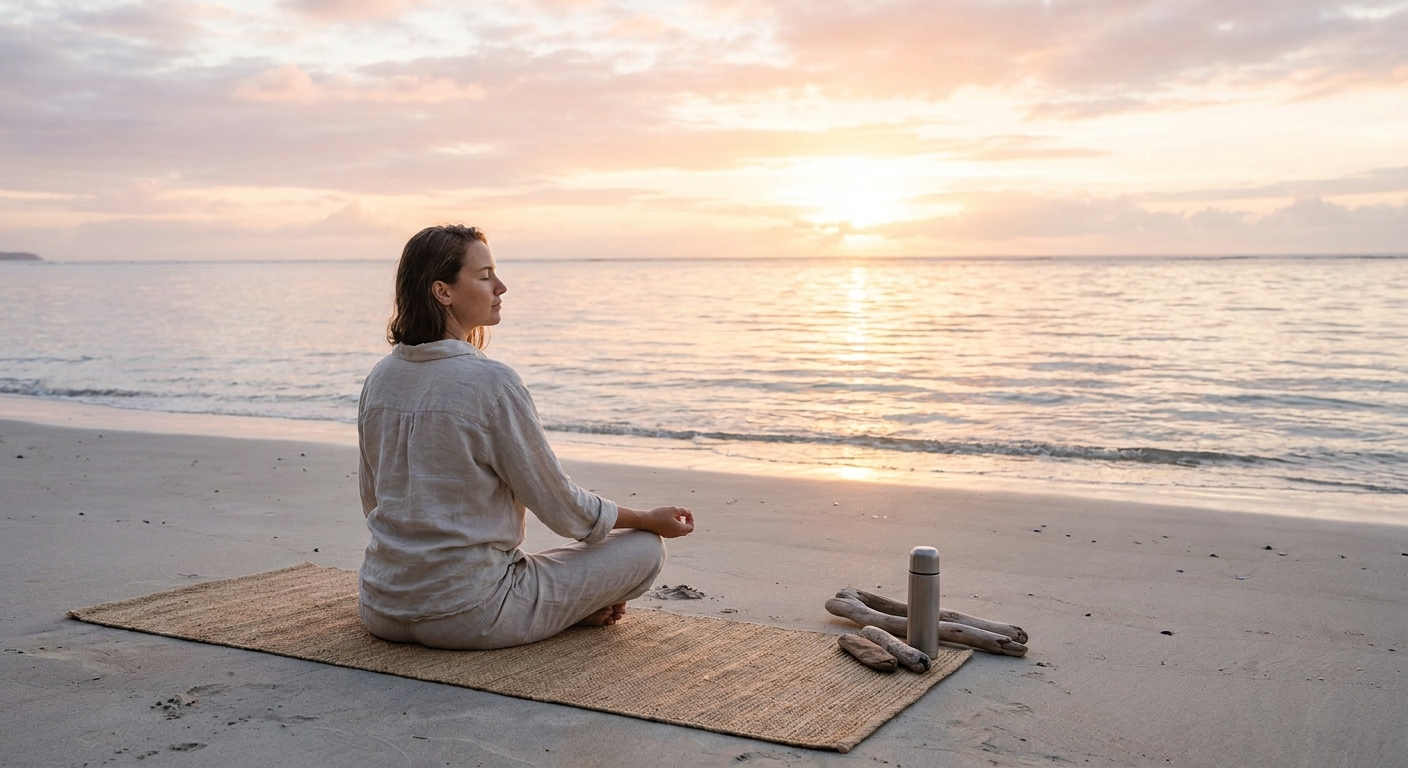
Life moves fast. Between work deadlines, family responsibilities, and the constant buzz of notifications, finding a moment of true stillness can feel nearly impossible. Yet, more and more people are turning to two ancient practices that have stood the test of time: yoga and meditation. The results speak for themselves.
Whether you are a complete beginner or someone who has dabbled in mindfulness before, this guide will walk you through everything you need to know about combining these powerful practices. By the end, you will understand why millions of people around the world are making yoga and meditation a non-negotiable part of their daily routine.
Why Do Yoga and Meditation Work Better Together?
Here is the thing: yoga prepares your body, and meditation prepares your mind. When practiced separately, each offers incredible benefits. However, when combined, they create a synergistic effect that amplifies results in ways you might not expect.
Yoga stretches and strengthens your body while teaching you to control your breath. Meditation, on the other hand, trains your mind to focus, let go, and find clarity. Together, they form a complete system for holistic well-being that addresses both physical tension and mental clutter at the same time.
As a result, practitioners often report sleeping better, feeling less anxious, and experiencing a deeper sense of connection with themselves and others. Sounds good, right? Let us break it down further.
What Is the Science Behind the Practice?
Research shows that regular yoga practice reduces cortisol levels — the hormone responsible for stress. Meanwhile, meditation increases gray matter in the brain, improving memory, empathy, and emotional regulation. When you combine both, you are essentially giving your brain and body a complete reset.
A study published by the National Institutes of Health found that participants who practiced both yoga and meditation for just eight weeks showed a 40% reduction in perceived stress levels. Not bad for two practices that only require a mat and a few minutes of your day.
Physical Health Benefits of Yoga and Meditation
Beyond mental clarity, yoga and meditation offer profound physical advantages. Regular practice improves flexibility, builds strength, and enhances cardiovascular health. Meditation, on the other hand, lowers blood pressure and boosts immune function. Together, they support a healthy, balanced lifestyle.
- Enhanced flexibility and balance: Yoga poses gradually increase your range of motion, reducing the risk of falls and injuries.
- Better posture and pain relief: Strengthening core muscles alleviates back and neck pain, common issues from prolonged sitting.
- Improved sleep quality: Evening meditation and gentle yoga flows activate the parasympathetic nervous system, helping you fall asleep faster and stay asleep longer.
- Stronger immune response: Studies from American Psychological Association show that mindfulness meditation reduces inflammation markers and enhances antibody production.
How to Get Started with Yoga and Meditation: Simple Steps for Beginners
Starting a new wellness routine can feel overwhelming. However, the beauty of yoga and meditation is that they require almost nothing to begin. Here is a simple roadmap to help you build a sustainable practice from day one.
- Start with five minutes. Do not try to meditate for an hour or do a 90-minute yoga flow right away. Begin with five minutes of deep breathing followed by five gentle stretches. Consistency matters more than duration.
- Create a dedicated space. Find a quiet corner in your home where you can sit without distractions. A cushion, a mat, and maybe a plant are all you need to create your personal sanctuary.
- Use guided resources. This is where having the right tools makes all the difference. Apps like Vitalizen App offer guided sessions that walk you through every step, making it easy to stay on track even when motivation dips.
- Be kind to yourself. Some days your mind will wander. Some days your body will feel stiff. That is okay. The practice is about showing up, not about being perfect.
Moreover, setting a specific time each day helps build the habit. Many people find that practicing first thing in the morning sets a positive tone for the rest of the day. Others prefer an evening session to unwind and release the day’s tension. Experiment and see what feels right for you.
What Are the Best Times to Practice?
There is no single best time — it depends on your lifestyle and personal preferences. Morning practice energizes and sets a mindful tone for the day. Evening practice helps release tension and improves sleep quality. Try both and see what works best for you.
Different Types of Yoga and Meditation for Beginners
Not all yoga and meditation styles are the same. Choosing the right type can make your practice more enjoyable and effective. Below are popular forms ideal for newcomers.
Hatha Yoga
Slow-paced with an emphasis on holding poses. Perfect for building foundational strength and flexibility. Use it as a warm-up before meditation.
Vinyasa Flow
Creates a sequence of poses linked with breath. More dynamic, it improves endurance and coordination while keeping your mind focused on the present moment.
Mindfulness Meditation
Focus on observing your breath and bodily sensations without judgment. This form is especially effective for reducing anxiety and improving concentration.
Guided Visualization
Narrated sessions that lead you through calming scenarios. Ideal for those who struggle with a busy mind, as the voice keeps you anchored.
Whichever style you choose, remember that the key is consistency. You can always explore different styles to keep your practice fresh. For a curated experience, Vitalizen App offers programs tailored to your goals and experience level.
What Are the Mental Health Benefits You Can Expect?
Let us be honest for a moment. The world can be a lot to handle. Anxiety, burnout, and overwhelm have become almost normal parts of modern life. However, here is the good news: yoga and meditation are scientifically proven antidotes to these modern challenges.
- Reduced anxiety and depression symptoms. Regular practice lowers activity in the amygdala, the brain’s fear center, helping you feel calmer in stressful situations.
- Improved focus and concentration. Meditation trains your brain to stay present, which translates into better productivity at work and more meaningful connections with loved ones.
- Better emotional resilience. Yoga teaches you to breathe through discomfort, a skill that carries over into real-life challenges.
- Deeper self-awareness. Both practices encourage introspection, helping you understand your thoughts, patterns, and reactions on a deeper level.
Additionally, these benefits tend to compound over time. The longer you stick with your practice, the more profound the changes become. Many long-term practitioners describe it as a complete shift in how they experience life — less reactivity, more presence, and a genuine sense of peace.
How Can Vitalizen App Support Your Wellness Journey?
Starting and maintaining a consistent practice is easier when you have the right support. That is exactly why Vitalizen App was created — to help you integrate yoga and meditation into your daily life without the overwhelm of figuring it all out alone.
With a library of guided meditations, yoga flows for all levels, breathwork exercises, and progress tracking, the app acts as your personal wellness companion. Whether you have five minutes or an hour, there is always a session that fits your schedule and mood.
Best of all, you do not need any previous experience. Each session is designed with clear instructions, gentle guidance, and a warm tone that makes you feel supported every step of the way. Start your journey here and see for yourself how small daily practices can lead to extraordinary transformations.
If you have questions or want personalized recommendations, the team is always happy to help. Reach out through the contact page and get the support you need to make your wellness journey a success.
What Are Common Myths About Yoga and Meditation?
Despite their growing popularity, some misconceptions still keep people from trying these practices. Let us clear a few of them up.
“I am not flexible enough for yoga.”
Flexibility is a result of yoga, not a requirement. Yoga meets you exactly where you are. Many poses have modifications, and the goal is never to twist yourself into a pretzel — it is to connect with your breath and body.
“I cannot stop my thoughts during meditation.”
Good news: you are not supposed to. Meditation is not about emptying your mind; it is about noticing your thoughts without judgment and gently bringing your focus back to your breath. Even experienced meditators have wandering minds.
“I do not have enough time.”
You do not need hours. Even five minutes of conscious breathing or a short yoga flow can make a meaningful difference. It is about quality, not quantity.
Frequently Asked Questions About Yoga and Meditation
How often should I practice yoga and meditation?
Consistency is more important than frequency. Even 10 minutes daily is more effective than an hour once a week. Aim for at least 5 to 6 days per week to build momentum and see lasting results. Apps like Vitalizen offer short sessions that fit into any schedule.
Can yoga and meditation help with anxiety?
Absolutely. Numerous studies confirm that both practices reduce cortisol levels, calm the nervous system, and improve emotional regulation. Many people use yoga and meditation as effective complementary tools for managing anxiety and stress.
Do I need special equipment to start?
Not at all. A comfortable mat and loose clothing are enough to begin. For meditation, a cushion or chair works perfectly. As you progress, you might add blocks, straps, or blankets, but these are optional. The most important tool is your willingness to show up.
What is the best time of day to practice?
There is no single best time — it depends on your lifestyle and personal preferences. Morning practice energizes and sets a mindful tone for the day. Evening practice helps release tension and improves sleep quality. Try both and see what works best for you.
Is Vitalizen App suitable for beginners?
Yes, absolutely. Vitalizen App is designed for all levels, with specific beginner-friendly programs that guide you step by step. The sessions include clear instructions, gentle pacing, and encouraging guidance to help you build confidence and consistency from day one. Start your free trial here.
What are the long-term effects of regular practice?
With consistent practice over several months, many people experience sustained reductions in stress, improved cardiovascular health, better cognitive function, and a deeper sense of inner peace. The changes become part of your lifestyle, leading to lasting well-being.
What Is Your Next Step Toward a Calmer, Healthier Life?
Here is the truth: knowing about the benefits of yoga and meditation is one thing. Actually experiencing them is a completely different story. The transformation happens when you move from reading to doing — from thinking about starting to actually rolling out your mat and sitting down to breathe.
The path to inner peace and wellness does not have to be complicated. It starts with a single moment of intention. A single breath. A single decision to prioritize yourself.
Are you ready to take that step? Begin your wellness journey with Vitalizen App today and discover how powerful a few minutes of daily practice can be. Your mind, body, and spirit will thank you.
For more tips, guided practices, and wellness insights, explore our benefits of morning yoga and meditation for beginners articles. We are here to support you every step of the way.