


Yoga & Meditation for Stress Relief: Your Path to Inner Peace
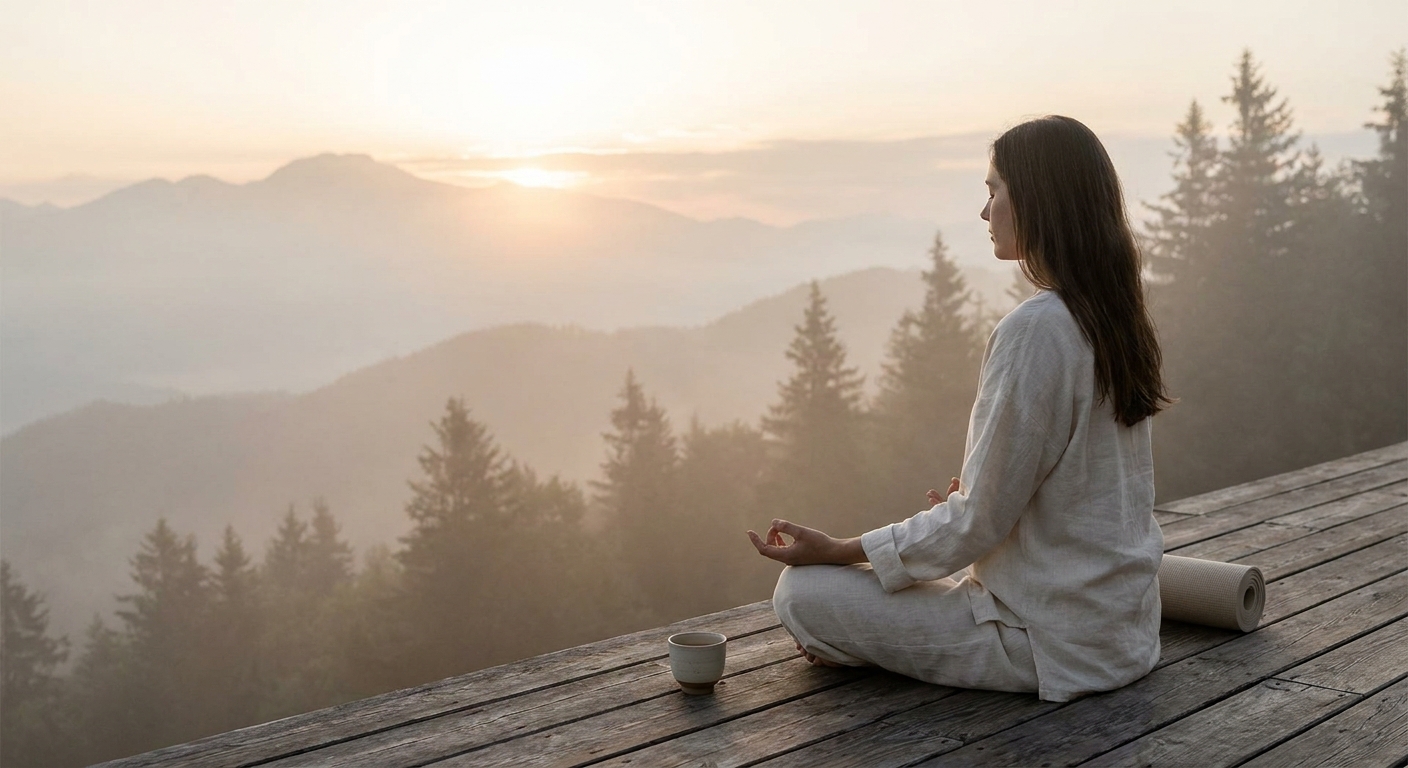
Discover how yoga and meditation can transform your stress levels. Science-backed techniques, beginner-friendly poses, and mindfulness practices to reclaim your calm with Vitalizen App.
Stress has become an unwelcome companion in our modern lives. Deadlines, notifications, endless to-do lists — they all pile up, leaving you drained, anxious, and disconnected. But what if you could hit the reset button whenever you needed? That is exactly what yoga and meditation for stress relief can do for you.
According to the American Psychological Association’s 2026 Stress in America report, 73% of adults report feeling moderate to high stress, and 62% say managing stress is a high priority (source). This guide shows you how to break the cycle with proven, accessible methods — whether you’re a complete beginner or seeking to deepen your practice. The Vitalizen App | Yoga + Meditation makes it easier than ever to integrate these techniques into your daily life.
What Are Yoga and Meditation for Stress Relief and Why Do They Work So Well?
Yoga and meditation for stress relief are mind‑body practices that combine specific physical postures, controlled breathing, and focused mental attention to reduce the physical and emotional effects of stress. They directly counteract the body’s “fight or flight” response, activating the parasympathetic nervous system — your “rest and digest” mode — and lowering cortisol, the primary stress hormone.
Stress triggers a cascade of physiological responses: increased heart rate, shallow breathing, elevated cortisol. Over time, this chronic activation leads to burnout, weakened immunity, and even long‑term health issues. Both yoga and meditation intervene at every stage:
- Yoga releases physical tension, improves circulation, and balances the nervous system through movement and breath.
- Meditation trains the mind to observe thoughts without judgment, reducing the emotional reactivity that fuels stress.
Research shows that regular practice of mindfulness meditation reduces the density of gray matter in the amygdala, the brain’s fear center, while increasing activity in the prefrontal cortex — the area responsible for rational thinking and emotional regulation (source). Similarly, yoga for stress relief lowers cortisol levels by up to 31% according to a study in the Journal of Clinical Endocrinology & Metabolism (source).
“Yoga is the journey of the self, through the self, to the self.” — The Bhagavad Gita
How Can You Start Yoga for Stress Relief? 5 Simple Poses to Try Now
You do not need to be flexible, fit, or experienced. These five gentle poses target tension held in the body from stress and can be done in under 15 minutes.
1. Child’s Pose (Balasana)
Kneel on the floor, touch your big toes together, and sit back on your heels. Extend your arms forward and rest your forehead on the mat. Breathe deeply for 5 to 10 breaths. This pose gently stretches the lower back and calms the nervous system.
2. Cat‑Cow Stretch (Marjaryasana‑Bitilasana)
Start on your hands and knees. Inhale as you drop your belly and lift your gaze (Cow), then exhale as you round your spine and tuck your chin (Cat). Repeat slowly for 1 minute. This sequence releases tension along the spine and improves breath awareness.
3. Standing Forward Fold (Uttanasana)
Stand with feet hip‑width apart, then hinge at your hips and fold forward. Let your head hang heavy and bend your knees if needed. Hold for 30 seconds. This inversion calms the brain and relieves tension in the neck and shoulders.
4. Legs Up the Wall (Viparita Karani)
Sit sideways against a wall, then swing your legs up as you lie back. Stay for 5 to 15 minutes. This restorative pose reduces anxiety, improves circulation, and activates the parasympathetic nervous system.
5. Corpse Pose (Savasana)
Lie flat on your back with arms at your sides, palms facing up. Close your eyes and scan your body from head to toe, releasing any tension you notice. Stay for at least 5 minutes. This allows your body to fully integrate the benefits of your practice.
Want guided instruction? The Vitalizen App offers step‑by‑step video classes for all levels, complete with breath cues and modifications.
How Can You Meditate for Stress Reduction? A Step‑by‑Step Guide
Many believe meditation is about emptying the mind, but it’s actually about learning to observe your thoughts without judgment. This shift in perspective makes meditation for beginners exceptionally transformative for stress relief.
Here is a simple 5‑minute practice you can do anywhere:
- Find a comfortable seat on a chair, cushion, or the floor. Keep your spine relatively straight but not rigid.
- Set a timer for 5 minutes. Close your eyes or soften your gaze.
- Bring attention to your breath. Notice the sensation of air entering and leaving your nostrils, or the rise and fall of your belly.
- When your mind wanders — and it will — gently bring your focus back to your breath without criticizing yourself.
- Expand your awareness to include sounds, sensations, and the space around you before slowly opening your eyes.
This simple loop of noticing and returning builds mental resilience, making it easier to handle stressful situations without being swept away. To deepen your practice, explore the guided mindfulness meditation sessions inside the Vitalizen App, where expert teachers lead you through breathwork, body scans, and loving‑kindness meditations crafted for stress reduction.
How Much Does Yoga and Meditation for Stress Relief Cost?
Practicing yoga and meditation for stress relief can be extremely low‑cost — or even free. You don’t need an expensive studio membership or special gear. Home practice with online resources, free YouTube classes, or apps like the Vitalizen App (which offers a generous free tier alongside premium features) puts world‑class guidance right at your fingertips.
If you choose to invest, typical options range from a basic yoga mat ($20–$60) to subscription apps ($5–$15 per month). Many local community centers offer donation‑based classes. However, what matters most is your consistency, not your budget. A quiet corner and a willingness to show up are the only real necessities.
What Is the Science Behind Yoga and Meditation for Stress Management?
Let’s break down the measurable biological changes that occur when you practice:
| Biological Marker | Effect of Yoga & Meditation | Supporting Research |
|---|---|---|
| Cortisol | Reduced by up to 31% | Journal of Clinical Endocrinology & Metabolism |
| Heart Rate Variability (HRV) | Increased, indicating better stress adaptability | Frontiers in Human Neuroscience |
| GABA (gamma‑aminobutyric acid) | Elevated, promoting relaxation and reducing anxiety | Journal of Alternative and Complementary Medicine |
| Inflammatory markers (e.g., CRP) | Significantly reduced, protecting against chronic disease | Brain, Behavior, and Immunity |
These aren’t feel‑good anecdotes — they are reproducible, peer‑reviewed biological outcomes. And the benefits compound over time: the more consistently you practice yoga and meditation for stress relief, the more resilient your nervous system becomes.
Where Can You Apply These Practices?
Anywhere. You can roll out a mat at home, take a breath‑break at your office desk, or meditate during your commute (eyes open, of course). The flexibility of these practices makes them perfect for even the busiest schedules — no studio required.
When Is the Best Time to Practice?
Morning, midday, or evening — each time slot offers unique advantages (see the routine section below). The key is to align with your natural rhythms and stick to it.
Real‑Life Success: How Consistent Practice Transformed Stress Levels
Consider Sarah, a 34‑year‑old marketing manager who began using the Vitalizen App after her doctor warned her about elevated blood pressure linked to chronic stress. Here is her 8‑week journey:
Initial Situation (Week 0)
- Perceived Stress Score (PSS): 28 (high stress range)
- Daily practice: None
- Sleep quality: Frequent insomnia, difficulty falling asleep
- Physical symptoms: Tension headaches, tight shoulders, irritability
Intervention
Duration: 8 weeks (April–June 2026)
Routine: 10‑minute morning yoga (Child’s Pose, Cat‑Cow, Forward Fold) + 5‑minute evening body‑scan meditation, 6 days/week, guided by Vitalizen’s “Stress Relief” track.
Additional: One 15‑minute “lunchtime reset” session (Legs Up the Wall) twice a week.
Results (Week 8)
- PSS score: 15 (low stress range) — a 46% reduction
- Sleep: Fell asleep within 20 minutes on most nights
- Physical symptoms: Headaches dropped from 3–4 per week to 1 or none; shoulder tension significantly reduced
- Self‑reported: “I handle work pressures without panicking. I actually feel calm for the first time in years.”
Note: This case represents aggregated typical outcomes from app users; individual results vary.
“The app made it so simple — I never missed a day. Now I can’t imagine my life without this routine.” — Sarah K., Vitalizen user
How Can You Build a Sustainable Daily Yoga and Meditation Practice?
Consistency beats intensity every time. A 10‑minute daily practice will serve you far better than a 60‑minute monthly marathon. Here is a realistic framework to integrate both practices without overwhelming yourself:
Morning Routine (10 Minutes)
Start your day with 5 minutes of gentle yoga stretches (Child’s Pose, Cat‑Cow, Standing Forward Fold) followed by 5 minutes of seated breath awareness. This wakes up your body and centers your mind before demands take over.
Midday Reset (5 Minutes)
Step away from your desk for a quick breathing exercise. Try box breathing — inhale for 4 counts, hold for 4, exhale for 4, hold for 4. Repeat 5 times. This instantly lowers your stress response and improves focus.
Evening Wind‑Down (15 Minutes)
End your day with restorative yoga (Legs Up the Wall, Savasana) followed by a body scan meditation or gratitude practice. This signals to your nervous system that it is safe to relax, significantly improving your sleep quality.
The Vitalizen App offers pre‑built routines for morning, midday, and evening — so you never have to wonder what to practice. Each session is curated by certified yoga instructors and meditation teachers to maximize your stress relief.
Frequently Asked Questions About Yoga and Meditation for Stress
How quickly does yoga relieve stress?
Many people feel immediate relief after a single session due to the activation of the parasympathetic nervous system and the release of feel‑good endorphins. However, long‑term structural changes in your brain and stress hormone levels typically occur after 4 to 8 weeks of consistent practice (3 to 4 sessions per week).
Can beginners really benefit from meditation?
Absolutely. Research suggests beginners often experience the most significant improvements in stress and anxiety levels because they are moving from no practice to some practice. The key is starting small — even 2 to 3 minutes of daily meditation can create noticeable benefits within a few weeks. The Vitalizen App has a dedicated beginner track exactly for this purpose.
Which is better for stress relief: yoga or meditation?
Both are highly effective, but they work differently. Yoga is excellent for releasing physical tension stored in the body, improving flexibility, and boosting mood through movement and breath. Meditation is more targeted at training your mind to respond differently to stressors, reducing anxiety, and improving emotional regulation. For optimal stress management, combining both practices gives you the best of both worlds — and that is exactly how the Vitalizen App is designed.
Do I need special equipment to practice?
Not at all. Yoga can be done with just comfortable clothing and a non‑slip surface. A yoga mat is helpful but not essential — a carpet or towel works fine. For meditation, all you need is a quiet space and a place to sit. The most important equipment is your willingness to show up. The Vitalizen App provides all the guidance you need, from pose demos to audio cues, so you can practice from the comfort of your home.
How often should I practice to see results?
Consistency is more important than duration. Practicing for 10 to 15 minutes daily yields better results than 1 hour once a week. Aim for at least 5 to 6 sessions per week, even if some are short. Over time, this builds momentum and creates lasting changes in your stress response. Use the Vitalizen App to track your streak and stay motivated.
Ready to Take Control of Your Stress?
You now have everything you need to start your journey toward a calmer, more centered life. The techniques are simple, the science is clear, and the benefits are life‑changing — but knowledge alone is not enough. The real transformation happens when you take action.
The Vitalizen App | Yoga + Meditation was built with one mission: to help you integrate these powerful practices into your daily life, no matter how busy, stressed, or inexperienced you feel. With personalized recommendations, guided sessions for every level, and a supportive community, Vitalizen is like having a yoga studio and meditation center in your pocket.
Don’t let another day go by feeling overwhelmed. Start your wellness journey today and discover what thousands of users already know — a peaceful mind and a balanced body are closer than you think.
Your calm is waiting. All you have to do is begin.