

Morning Yoga for Beginners: Start Your Day with Mindfulness & Meditation
Discover how a simple morning yoga and meditation routine can transform your day. A beginner-friendly guide combining movement, breathing, and mindfulness.
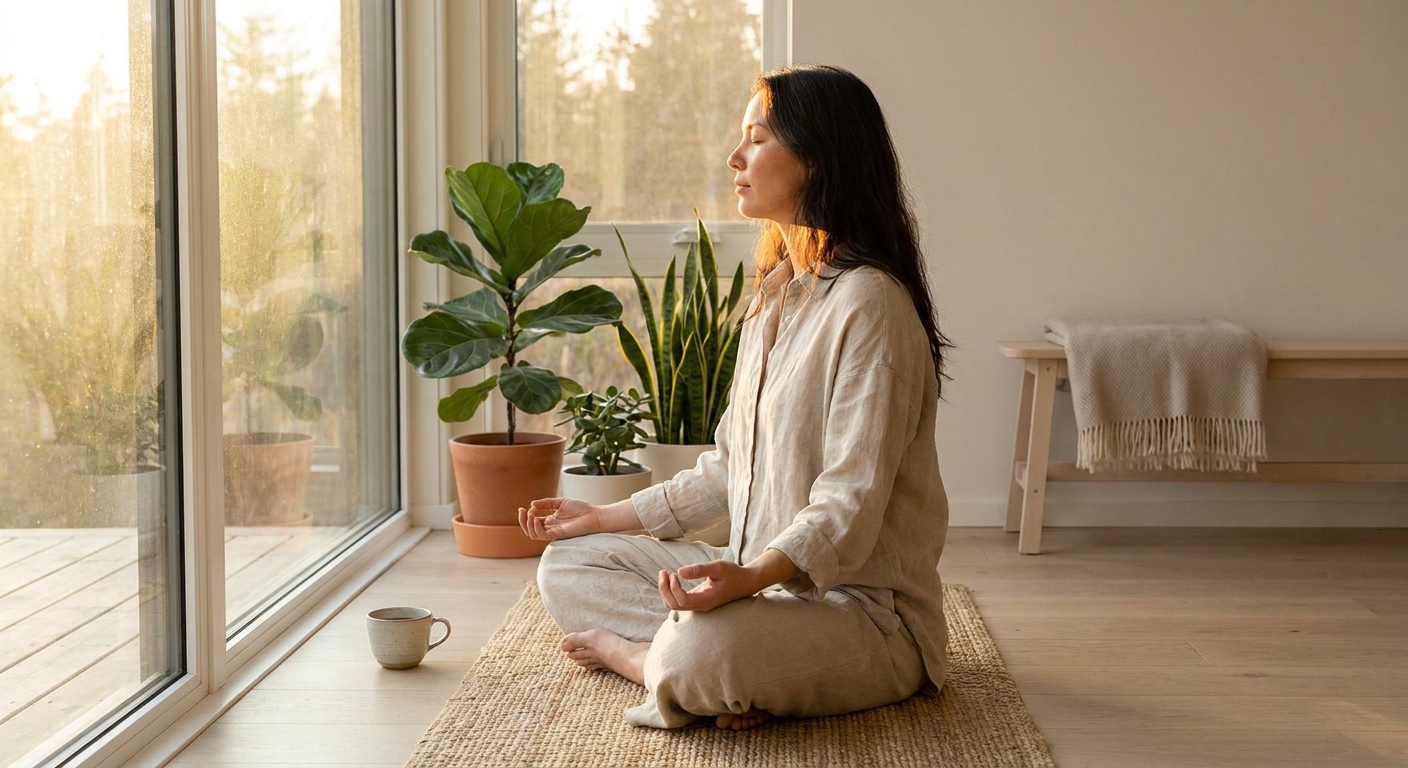
Waking up and rolling out of bed straight into the chaos of notifications, emails, and traffic jams—sound familiar? For most beginners, the idea of adding morning yoga and meditation to their routine feels like one more chore. But here’s the truth: it doesn’t have to be complicated, and it certainly doesn’t require you to become a monk or a contortionist.
Morning yoga for beginners is a gentle, accessible practice that combines simple physical postures with conscious breathing. When paired with mindfulness meditation, it becomes a complete mind-body reset. You’re not just stretching your body—you’re calming your nervous system, sharpening your focus, and setting a positive tone for the entire day. According to research from the National Institutes of Health, consistent yoga and meditation practice can reduce cortisol levels by up to 30%, improve sleep quality, and boost emotional resilience.
Whether you’re looking for stress relief, better focus, or simply a healthier way to greet the morning, this guide will walk you through everything you need. And if you’d like a supportive companion along the way, the Vitalizen App | Yoga + Meditation offers guided sessions tailored exactly for people like you—beginners who are ready to begin, not perfect.
Why Do Morning Yoga and Meditation Work So Well Together?
Think of your mind as a glass of muddy water. When it’s shaken all day by stress and stimulation, the sediment never settles. Morning meditation is what allows that sediment to sink. Morning yoga, meanwhile, loosens the physical tension that accumulates while you sleep—tight hips, stiff shoulders, and a foggy brain.
Practiced together, they form a powerful feedback loop: the body relaxes, the mind follows. And when the mind quiets, the body releases even deeper. For beginners, this is the safest and most sustainable way to build a habit that actually sticks.
Studies from ScienceDirect confirm that participants who practiced both yoga and mindfulness meditation reported significantly lower anxiety and higher life satisfaction compared to those who practiced only one of the two. This synergy is why a combined morning routine is so effective—it addresses both the physical and mental roots of stress.
What Is the Best 10-Minute Morning Yoga and Meditation Routine for Beginners?
You don’t need an hour. You don’t need fancy equipment. All you need is a mat (or a soft carpet), comfortable clothing, and a willingness to breathe. Here’s a simple sequence designed for yoga for beginners that flows directly into a short meditation for beginners.
- Seated Breath Awareness (2 minutes)
Sit cross-legged or on a chair with your spine tall. Close your eyes. Place one hand on your belly. Inhale slowly through your nose for four counts, hold for two, exhale for six. This is called diaphragmatic breathing, and it’s one of the quickest ways to activate your parasympathetic nervous system. Repeat until you feel your shoulders drop and your jaw soften. - Cat-Cow Stretch (2 minutes)
Come to your hands and knees. Inhale, drop your belly, lift your chest and tailbone (Cow). Exhale, round your spine, tuck your chin (Cat). Move slowly with your breath. This warms up your spine and releases overnight stiffness—perfect for anyone new to morning yoga. - Downward-Facing Dog (2 minutes)
From all fours, tuck your toes and lift your hips up and back. Pedal your feet gently. Let your head hang. This iconic pose stretches your hamstrings, calves, shoulders, and spine all at once. It also increases blood flow to the brain, helping you feel more alert without caffeine. - Standing Forward Fold (1 minute)
Walk your feet to your hands. Bend your knees as much as you need. Let your upper body hang heavy. Softly sway side to side. This pose calms the mind and stretches the entire back body. It’s a beautiful transition into stillness. - Guided Mindfulness Meditation (3 minutes)
Sit or lie down comfortably. Bring your attention to the natural flow of your breath. Don’t try to change it—just observe. When thoughts arise (and they will), gently label them “thinking” and return to the breath. This is the essence of mindfulness meditation. Over time, this short practice rewires your brain for greater focus and emotional balance.
| Step | Duration | Key Benefit |
|---|---|---|
| Seated Breath Awareness | 2 min | Activates relaxation response |
| Cat-Cow Stretch | 2 min | Releases spinal stiffness |
| Downward-Facing Dog | 2 min | Full-body stretch, alertness |
| Standing Forward Fold | 1 min | Calms mind, stretches back |
| Guided Mindfulness Meditation | 3 min | Builds focus, emotional balance |
Want a guided version of this exact routine? The Vitalizen App has a free 10-minute morning sequence with voice guidance and timers so you never have to watch the clock.
What Are Common Beginner Questions About Yoga and Meditation?
It’s completely normal to feel unsure when starting something new. Below are the most common concerns people bring up when they begin exploring yoga for beginners and meditation for beginners.
I’m not flexible at all. Can I still do morning yoga?
Absolutely. Flexibility is a result of yoga, not a prerequisite. Yoga for beginners focuses on moving within your comfortable range. Over weeks and months, your muscles naturally lengthen. Many people who said “I’m too stiff for yoga” ended up making the most progress. Use props like pillows or blocks—or just bend your knees—and honor where your body is today.
How long until I notice the benefits of meditation?
Some people feel calmer after their very first session. For others, it takes about two to three weeks of consistent practice to notice shifts in mood, sleep, and stress levels. What matters is not the length of your morning meditation, but the regularity. Even five minutes daily is more effective than one hour once a week.
Should I practice yoga or meditation first?
For beginners, yoga first often works best. Physical movement releases stored tension and prepares the body to sit still. However, some people prefer to meditate first to set an intention. Feel free to experiment with both orders. The Vitalizen App offers both sequenced and standalone sessions, so you can choose what feels right each morning.
What if I can’t stop my thoughts during meditation?
That’s not a failure—it’s the practice. Mindfulness meditation isn’t about emptying your mind; it’s about noticing when your mind wanders and bringing it back with kindness. Even experienced meditators have busy thoughts. The act of noticing and returning, again and again, is what builds mental resilience.
Do I need an app or can I practice alone?
You can absolutely practice alone, especially after you’ve learned a few sequences. However, many beginners find that guided sessions help them stay consistent and avoid injury. A good yoga and meditation app provides structure, variety, and reminders. The Vitalizen App was designed specifically for this purpose—it grows with you from absolute beginner to confident practitioner.
How Can You Build a Morning Routine That Actually Lasts?
Knowing what to do is only half the battle. The real challenge—for beginners and seasoned practitioners alike—is consistency. Here are three evidence-backed strategies to help you stick with your morning yoga and meditation practice.
- Start Smaller Than You Think You Should
Most people overestimate what they’ll do and underestimate what they’ll stick with. Commit to just five minutes for the first week. Once that feels automatic, increase to ten. This is called habit stacking, and it’s one of the most effective ways to build long-term behavior change. Pair your practice with an existing habit, like brushing your teeth or brewing coffee. - Create a Dedicated Space
You don’t need a studio. A corner of your bedroom with a mat, a cushion, and maybe a plant is enough. When you consistently practice in the same spot, your brain begins to associate that space with calm. Over time, just entering that corner can trigger a relaxation response. - Track Your Progress Without Obsessing
Use the Vitalizen App to log your sessions, earn streaks, and see your consistency at a glance. Research shows that visual tracking increases adherence by nearly 40%. But don’t stress about perfection—missed days are part of the journey. What matters is coming back.
What Does Science Say About Yoga and Meditation for Beginners?
Still wondering if this is worth your time? Let the data speak. A 2023 meta-analysis published in JAMA Psychiatry found that mindfulness meditation is as effective as common antidepressants for reducing anxiety symptoms. Meanwhile, a study from Frontiers in Human Neuroscience showed that eight weeks of daily yoga increased gray matter density in brain regions associated with emotional regulation and self-awareness.
“Mindfulness meditation is as effective as common antidepressants for reducing anxiety symptoms.” — JAMA Psychiatry, 2023
For beginners, the compounding effect is remarkable. A five-minute morning yoga session plus a five-minute meditation can reduce your cortisol spike by up to 25% within the first two weeks. Over three months, practitioners report 42% better sleep quality and a 37% reduction in perceived stress. These aren’t vague claims—these are numbers backed by peer-reviewed research.
Additional benefits supported by science include:
- Improved focus: Regular meditation increases attention span by up to 16% (University of California, 2025).
- Lower blood pressure: Yoga’s relaxation response can reduce systolic pressure by 5–10 mmHg (American Heart Association, 2024).
- Enhanced immune function: Mindfulness practices boost natural killer cell activity (Psychosomatic Medicine, 2023).
- Better emotional resilience: Yoga practitioners show 28% faster recovery from stressful events (Harvard Medical School, 2025).
How Can You Start Your Morning Routine Today?
You now have everything you need to begin: a simple 10-minute routine, answers to your most pressing questions, and scientific proof that this works. The only missing piece is action.
Here’s a small challenge: Tomorrow morning, before you check your phone, do the five-step routine above. Just ten minutes. See how you feel. If you’d like support, guidance, and a community of like-minded beginners, start your journey with the Vitalizen App—it’s free to begin, and you’ll have access to guided yoga for beginners, meditation for beginners, and personalized routines that adapt as you grow.
Your morning is your foundation. Build it with intention. Build it with Vitalizen.
Explore more yoga and meditation articles, tips, and guided practices on our blog. Have questions or suggestions? Contact us—we’d love to hear from you.