

How to Start a Morning Yoga and Meditation Routine for Beginners
Discover how a simple morning yoga and meditation routine can transform your energy, focus, and overall well-being. Learn step-by-step poses and breathing techniques you can start today.
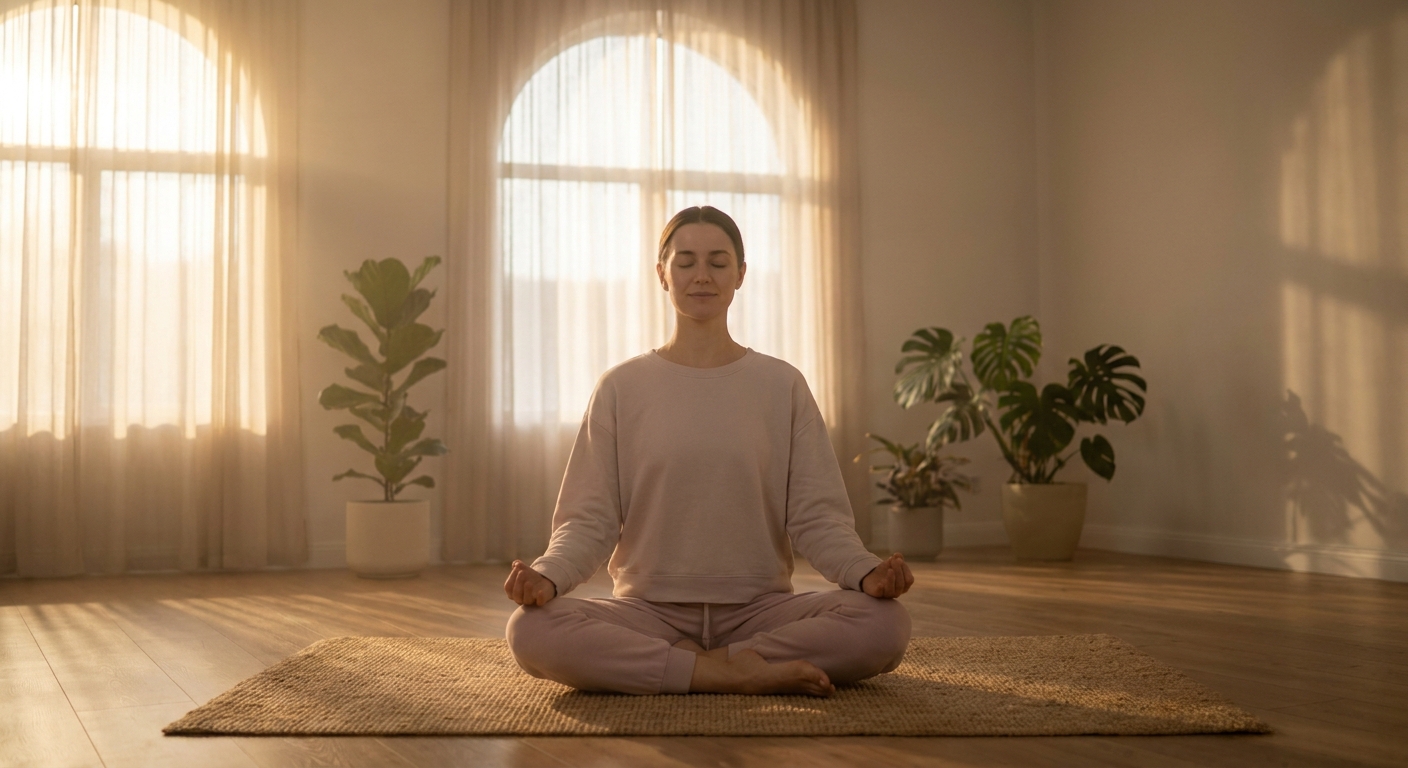
Have you ever woken up feeling groggy, scattered, or already stressed about the day ahead? You are not alone. Most of us jump out of bed and immediately check our phones, rush through breakfast, and step into the world without giving our mind and body a single moment to wake up gently. But what if you could change that? What if the first 15 minutes of your morning could set a calm, focused, and powerful tone for the next 16 hours? That is exactly what a consistent morning yoga and meditation routine can do for you.
At Vitalizen App | Yoga + Meditation, we believe that wellness should be accessible, simple, and deeply personal. Whether you are a complete beginner or someone returning to the mat after a long break, this guide will walk you through everything you need to build a morning practice that actually sticks.
What Is a Morning Yoga and Meditation Routine?
A morning yoga and meditation routine is a structured sequence of gentle physical postures and mindfulness practices performed shortly after waking. This practice combines asana (yoga poses) with pranayama (breath control) and dhyana (meditation) to create a holistic start to your day. The primary objective is to transition your body and mind from a state of rest to one of alert calmness, setting a positive trajectory for the hours ahead.
Why Is a Morning Yoga and Meditation Routine Important?
Science backs what ancient practitioners have known for thousands of years: how you start your morning directly impacts your mental clarity, emotional stability, and physical energy throughout the day. A morning wellness routine that combines gentle movement with mindful breathing helps regulate your cortisol levels, improves blood circulation, and activates your parasympathetic nervous system — the part of your body responsible for rest and relaxation.
Moreover, when you pair yoga with meditation, you create a powerful synergy. Yoga prepares your body to sit comfortably, while meditation trains your mind to stay present. Together, they form the foundation of a mindful morning practice that reduces anxiety and boosts productivity. In fact, studies show that just 10 minutes of morning meditation can increase your focus by up to 30% for the rest of the day.
Starting a morning yoga and meditation routine also helps you build discipline and self-awareness. Over time, you become more attuned to your body’s needs, making it easier to make healthier choices throughout the day. This practice is not just about the 15 minutes on the mat — it ripples into every aspect of your life.
How to Do a 10-Minute Morning Yoga and Meditation Routine
One of the biggest misconceptions about starting a yoga for beginners practice is that you need an hour of free time, expensive equipment, or a dedicated studio space. The truth is, you only need a small corner of your room, comfortable clothing, and the willingness to show up for yourself. Below is a simple, effective routine designed to fit into even the busiest mornings.
1. Cat-Cow Stretch (1 Minute)
Start on your hands and knees. Inhale as you drop your belly and lift your chest and tailbone (Cow pose). Exhale as you round your spine, tucking your chin to your chest (Cat pose). Move slowly with your breath. This sequence wakes up your spine and releases tension built up overnight.
2. Child’s Pose (1 Minute)
Sit back on your heels and extend your arms forward on the floor. Take five deep breaths here. This resting pose calms the nervous system and gently stretches your lower back and shoulders.
3. Standing Forward Fold (1 Minute)
Stand up and fold forward from your hips, letting your arms hang loose. Bend your knees slightly if needed. This inversion increases blood flow to your brain, helping you feel more alert and grounded.
4. Sun Salutation Flow (3 Minutes)
Move through three rounds of Sun Salutation A. Inhale as you reach your arms up, exhale as you fold forward, step or jump back to Plank, lower down to the floor, and lift into Cobra or Upward-Facing Dog. Then push back into Downward-Facing Dog for five breaths before stepping forward and rising up. This sequence builds heat, strengthens your muscles, and improves flexibility.
5. Seated Meditation (4 Minutes)
Sit comfortably on a cushion or chair with your spine straight. Close your eyes and bring your attention to your natural breath. Inhale deeply through your nose, exhale slowly through your mouth. If your mind wanders — and it will — gently bring it back to the sensation of breathing. Use a guided meditation from Vitalizen if you find it hard to stay focused on your own.
For an even deeper experience, try adding a short body scan after the seated meditation. Start at the top of your head and slowly bring your awareness down to your toes, noticing any tension and releasing it. This practice enhances the mind-body connection and leaves you feeling fully present.
How to Build Consistency with Your Morning Yoga Routine
Let us be honest: motivation comes and goes. On day one, you feel excited. On day seven, your bed feels warmer than your yoga mat. That is completely normal. The secret to building a lasting meditation for beginners habit is not motivation — it is environment and identity. Here are three strategies that work:
- Stack your habit: Attach your yoga practice to something you already do every morning, like brushing your teeth or making coffee. For example, “After I brush my teeth, I will unroll my mat for 10 minutes.”
- Lower the barrier: Sleep in your workout clothes. Have your mat already unrolled before bed. Remove every obstacle between you and your practice.
- Use technology wisely: Apps like Vitalizen offer short, guided sessions that take the guesswork out of your routine. You do not need to plan — just press play and follow along.
Research on habit formation suggests that it takes an average of 66 days for a new behavior to become automatic. However, you will likely start feeling the benefits of your yoga and meditation routine much sooner — often within the first week. Better sleep, fewer mood swings, and a calmer reaction to stressful situations are some of the first signs that your practice is working.
To stay motivated, keep a simple journal. Each morning, write down how you feel before and after your practice. Seeing the positive changes in black and white reinforces your commitment and reminds you why you started.
What Is the Science Behind Breathwork in a Morning Routine?
Breathwork is the bridge between your body and your mind. In yoga, we call it pranayama, and it is one of the most underrated tools for managing stress. When you practice deep, conscious breathing during your morning routine, you signal to your nervous system that it is safe to relax. This lowers your heart rate, reduces blood pressure, and shifts your brainwaves from a stressed beta state to a calm alpha state.
A simple technique you can try right now is Box Breathing: inhale for four counts, hold for four counts, exhale for four counts, and hold for four counts. Repeat this cycle four times. Notice how your shoulders drop and your mind quiets. This is the same technique used by Navy SEALs and elite athletes to stay calm under pressure — and you can access it anytime, anywhere, through your Vitalizen App.
Another effective pranayama technique for mornings is Nadi Shodhana (alternate nostril breathing). It balances the left and right hemispheres of the brain, promoting mental clarity and emotional equilibrium. Practice it for 2 minutes after your yoga asanas to deepen your meditation.
What Are the Common Obstacles to a Morning Yoga Routine?
Even with the best intentions, life gets in the way. Here are the most common challenges people face when starting a morning yoga routine and how to navigate them without guilt or frustration.
“I am not flexible enough.”
Flexibility is not a prerequisite for yoga — it is a result of it. Yoga is not about touching your toes; it is about what you learn on the way down. Start where you are, use props like blocks or pillows, and honor your body’s limits.
“I do not have time.”
You do not need an hour. Five minutes of conscious breathing and three gentle stretches are infinitely better than nothing. Consistency matters more than duration. Remember, you can always find quick tips and guided sessions on our blog to fit any schedule.
“My mind is too busy to meditate.”
That is exactly why you need meditation. A busy mind is not a sign of failure — it is a sign of being human. The goal is not to stop thinking; it is to notice your thoughts without getting carried away by them. Guided meditations are particularly helpful for beginners, and you can explore different styles on Vitalizen to find what resonates with you.
“I feel pain in my lower back during poses.”
Listen to your body. If a pose causes sharp pain, ease out of it. Use modifications like bending your knees in forward folds or placing a pillow under your knees in Child’s Pose. Over time, your body will adapt. If pain persists, consult a healthcare professional.
How Can the Vitalizen App Support Your Morning Practice?
We built Vitalizen App to be your personal wellness companion. Unlike generic fitness apps, Vitalizen combines yoga and meditation in one seamless experience, with sessions designed by certified instructors and mindfulness experts. Whether you have five minutes or fifty, you will find a practice that fits your energy level, experience, and mood.
Our library includes morning energizer flows, gentle evening yin yoga, breathing exercises for anxiety, and sleep meditations — all ad-free and beautifully guided. Plus, with our progress tracking feature, you can see how your consistency builds over time, which is incredibly motivating.
If you are ready to stop planning and start practicing, begin your wellness journey with Vitalizen today. It takes less than two minutes to sign up, and your first session is waiting for you.
💡 Tip: Download the Vitalizen app and set a daily reminder for your morning practice. Consistency becomes effortless when you have a gentle nudge from your phone.
Frequently Asked Questions About Morning Yoga and Meditation
Can I do yoga and meditation on a full stomach?
It is best to practice yoga and meditation on an empty or very light stomach. Wait at least two hours after a heavy meal. A morning routine before breakfast is ideal because your stomach is empty, and your mind is fresh.
How long should a beginner meditate in the morning?
Start with just 3 to 5 minutes. Consistency is far more important than duration. As you build the habit, you can gradually increase to 10, 15, or even 20 minutes. The Vitalizen App offers timed and guided options to help you progress at your own pace.
What if I miss a day of my routine?
Missing one day does not erase your progress. The key is to avoid the “all-or-nothing” mindset. If you miss a day, simply show up the next morning. Do not try to compensate by doing a longer session — just return to your normal routine. Your practice is a lifelong journey, not a performance.
Do I need a yoga mat to start a morning routine?
A yoga mat provides cushioning and grip, but you can absolutely start on a carpet or a towel. If you decide to make yoga a regular part of your life, investing in a good mat is worthwhile. In the meantime, do not let the lack of equipment stop you from starting today.
Can yoga and meditation help with anxiety?
Yes, absolutely. Numerous studies show that regular yoga and meditation practice significantly reduces symptoms of anxiety and depression. The combination of physical movement, breath control, and mindfulness trains your brain to respond to stress more calmly. For extra support, explore the anxiety-relief sessions on Vitalizen.
When Is the Best Time to Start Your Morning Yoga and Meditation Routine?
You do not need to wait for Monday, the first of the month, or the “perfect time” to begin. The best time to start a morning yoga and meditation routine is today — or more realistically, tomorrow morning. Set your alarm just 10 minutes earlier, unroll your mat, and give yourself the gift of a calm, intentional start.
Your body will thank you. Your mind will thank you. And the people around you will notice the difference too. Because when you show up for yourself first thing in the morning, you show up better for everyone else throughout the day.
If you would like guidance, structure, and a supportive community along the way, join Vitalizen App today. Your journey to a calmer, stronger, and more centered life is just one click away.
🎯 Ready to start? Begin your free trial with Vitalizen and access over 200 guided sessions. No credit card required.
— The Vitalizen Team
P.S. Have questions or want to share your morning routine story? We would love to hear from you. Reach out to us here or tag us on social media. Your journey inspires others.
Explore more: Visit our blog for more yoga tips, meditation guides, and wellness insights to deepen your practice.
External references: