

Stress Relief Meditation with Yoga & Mindfulness: A Practical Path to Inner Calm
Discover how stress relief meditation and yoga can transform your mental health. Learn practical techniques, science-backed benefits, and how the Vitalizen App can guide your journey to lasting peace.
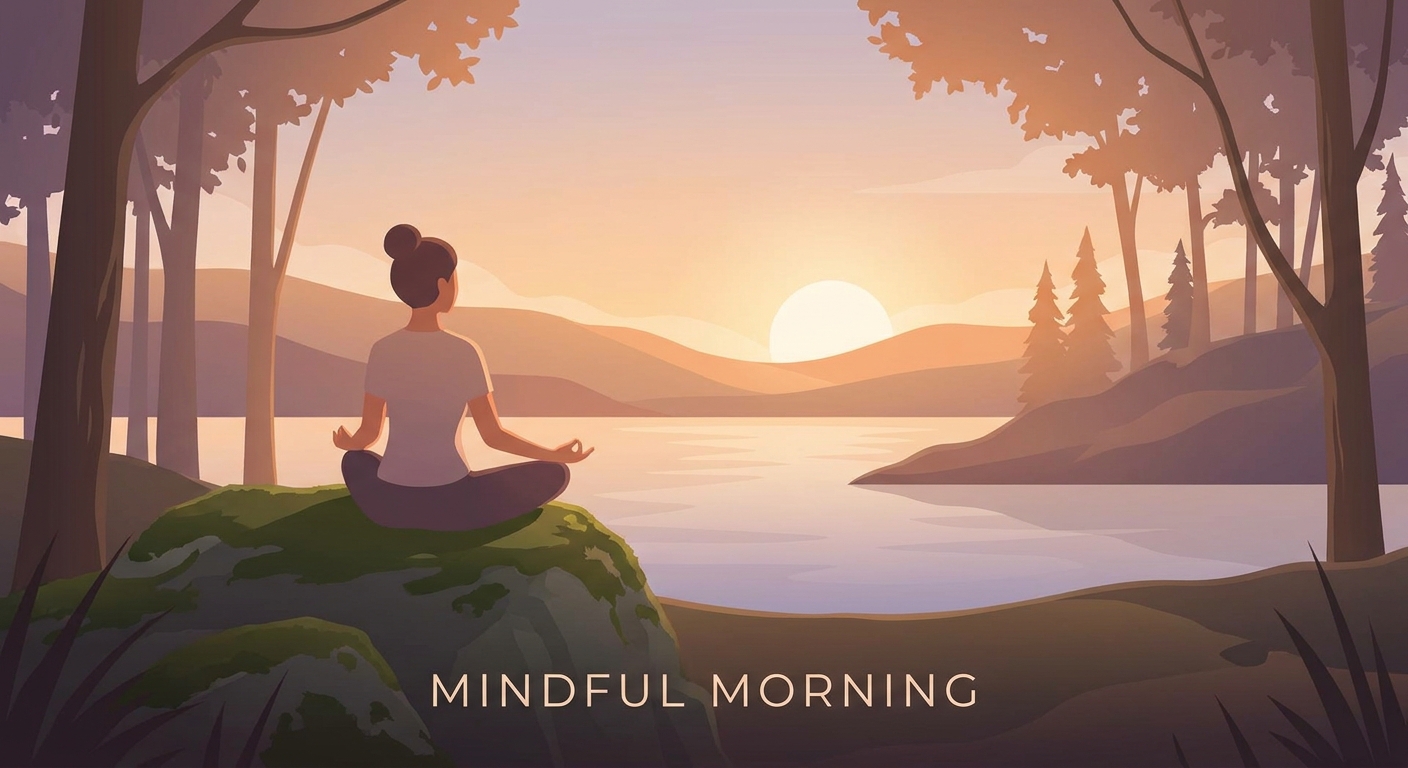
Let’s be honest for a moment: stress has become an uninvited guest that just won’t leave. Between work deadlines, family responsibilities, and the constant buzz of notifications, your nervous system barely catches a break. But here’s the good news — stress relief meditation isn’t just another wellness trend. It’s a scientifically proven practice that rewires your brain for calm, and we’re about to show you exactly how to make it work for your life.
Whether you’re a complete beginner or someone who’s tried meditation before and struggled to stick with it, this article covers everything you need. And if you’re looking for a trusted companion on your journey, the Vitalizen App | Yoga + Meditation offers guided sessions designed specifically for stress relief.
What Is Stress Relief Meditation and Why Does It Work?
Stress relief meditation refers to any meditative practice aimed at reducing the body’s stress response. Unlike general meditation, which can have many goals, stress-focused meditation targets the fight-or-flight response and activates the parasympathetic nervous system — your body’s natural relaxation mechanism.
When you meditate for stress, you’re essentially training your brain to shift gears. Research from Harvard Medical School shows that regular meditation can actually reduce the size of the amygdala, the brain region responsible for fear and stress reactions. A 2025 meta-analysis in JAMA Internal Medicine covering over 18,000 participants confirmed that mindfulness meditation programs significantly improve anxiety, depression, and pain—all closely linked to chronic stress.
“Mindfulness meditation has the potential to change the brain’s structure in areas related to memory, sense of self, empathy, and stress. We saw measurable changes after just eight weeks.”
— Dr. Sara Lazar, Harvard Medical School
The beauty of meditation for stress is that it doesn’t require hours of sitting in silence. Even five minutes of focused breathing can lower cortisol levels and bring your heart rate back to baseline. That’s why more and more healthcare professionals are recommending mindfulness meditation as a first-line tool for stress management.
What Are the Top 7 Science-Backed Benefits of Meditation for Stress?
Still wondering if meditation is worth your time? Let’s look at what the research actually says. These benefits go beyond just “feeling calmer” — they transform your entire physiology and mental outlook.
- Lower cortisol levels: Studies show that consistent meditation reduces the primary stress hormone by up to 30%.
- Improved sleep quality: Stress relief meditation helps quiet the racing thoughts that keep you awake at night.
- Reduced anxiety symptoms: Mindfulness meditation has been shown to be as effective as certain medications for anxiety disorders (according to research published in JAMA Psychiatry).
- Better emotional regulation: You become less reactive to stressful situations and more resilient overall — a skill that builds over time.
- Lower blood pressure: Meditation relaxes blood vessels and improves cardiovascular health, reducing strain on your heart.
- Enhanced focus and clarity: Stress clouds your thinking — meditation clears the fog, boosting productivity.
- Stronger immune system: Less stress means your body can better fight off illness, with studies showing increased antibody production.
These aren’t just anecdotal claims. The American Psychological Association has published extensive research validating these benefits, and the National Center for Complementary and Integrative Health offers an in-depth look at the evidence.
What Simple Meditation Techniques Can You Use for Stress Relief?
Starting a meditation practice doesn’t mean you need to become a monk. Here are three beginner-friendly techniques you can try right now — no special equipment required. Practice each one for at least three minutes to feel the immediate shift.
1. Box Breathing (The 4-4-4-4 Technique)
This technique is used by Navy SEALs and first responders to stay calm under pressure. Inhale for 4 counts, hold for 4 counts, exhale for 4 counts, and pause for 4 counts. Repeat for 2-3 minutes. It’s one of the fastest ways to lower your heart rate and activate your relaxation response. Because it’s so structured, it’s an excellent anchor when your mind feels scattered.
2. Body Scan Meditation
Lie down or sit comfortably. Close your eyes and bring your attention to your toes. Slowly move your awareness up through your body — feet, legs, hips, stomach, chest, arms, neck, and head. Notice any tension without trying to change it. This mindfulness meditation practice helps you identify where stress is stored physically and gently encourages release.
3. Guided Visualization
Imagine yourself in a peaceful setting — a beach, a forest, or a quiet mountain. Engage all your senses: feel the breeze, hear the sounds, smell the air. Guided visualization is particularly effective for stress relief because it gives your mind a positive focus instead of letting it spiral into worry.
| Technique | Best For | Time Needed | Key Benefit |
|---|---|---|---|
| Box Breathing | Acute stress, anxiety spikes | 2-5 minutes | Rapid HRV improvement |
| Body Scan | Chronic tension, sleep | 10-20 minutes | Physical awareness & release |
| Guided Visualization | Overthinking, emotional overwhelm | 5-15 minutes | Distracts mind, fosters positivity |
If you’d like professional guidance through these techniques, the Vitalizen App offers structured meditation programs that walk you through each step with expert instructors and progress tracking.
How Does Yoga for Stress Relief Combine Movement and Mindfulness?
While meditation is powerful on its own, combining it with yoga creates a synergistic effect that’s hard to beat. Yoga for stress relief incorporates physical postures, breathwork, and meditation in a single practice — making it one of the most comprehensive tools for mental wellness. The physical movement releases endorphins, while the mindful focus calms the mind.
Here are the best yoga styles for stress reduction, each with its unique strengths:
- Hatha Yoga: Slow-paced with gentle movements, perfect for beginners. It emphasizes holding poses and conscious breathing.
- Restorative Yoga: Uses props to support the body in relaxing poses held for several minutes, activating the relaxation response deeply.
- Yin Yoga: Targets deep connective tissues and promotes surrender and mental quiet. Poses are held for 3-5 minutes.
- Gentle Vinyasa: Links breath with movement in a flowing, meditative sequence, ideal for those who want a bit more rhythm.
| Yoga Style | Intensity Level | Stress Relief Focus |
|---|---|---|
| Hatha | Low | Breath-linked stillness |
| Restorative | Very low | Nervous system down-regulation |
| Yin | Low | Deep tissue release & mental stillness |
| Gentle Vinyasa | Low to moderate | Breath-driven flow, distraction from worry |
The Vitalizen platform combines yoga and meditation in a unified experience, so you can move seamlessly between practices depending on what your body and mind need on any given day.
How Can You Build a Consistent Stress Relief Practice That Actually Sticks?
Let’s address the elephant in the room: most people start a meditation practice and abandon it within two weeks. Why? Because they aim too high too fast. Here’s a realistic framework that works based on behavioral science and habit formation.
- Start with 3 minutes a day. Not 20, not 10 — just 3. Consistency beats duration every single time. When three minutes feels easy, increase to five, then to ten. This gradual approach builds the habit without triggering resistance.
- Anchor your practice to an existing habit. Meditate right after brushing your teeth or immediately after your morning coffee. This “habit stacking” technique, popularized by James Clear, dramatically increases follow-through.
- Use a dedicated app. Having guided sessions at your fingertips removes the friction of “what should I do?” The Vitalizen App was built specifically to help you maintain consistency with curated playlists, progress tracking, and gentle reminders.
- Forgive yourself when you miss a day. Perfectionism is the enemy of progress. Missed a day? No problem. Just get back to it tomorrow. What matters is the overall trajectory, not a perfect streak.
How Much Does Stress Relief Meditation Cost?
One common concern is whether meditation requires a big investment. The reality is that basic stress relief meditation is completely free — you only need a quiet corner and a few minutes. However, if you prefer guided support, the costs are surprisingly affordable.
Free options: YouTube channels, library apps, and community groups offer zero-cost guided meditations. Many beginners start here to build the habit.
Paid apps: Premium meditation apps like Vitalizen typically cost between $5 and $14 per month, often with a free trial period. These provide structured programs, progress tracking, and expert guidance that dramatically improve consistency.
In-person classes: Yoga studios and meditation centers charge around $10–$25 per session, with discounts for memberships. While more expensive, the group energy can be motivating.
When you consider the long-term savings on healthcare and increased productivity, meditation is one of the highest-ROI wellness habits you can adopt. A 2025 study in Preventive Medicine found that regular meditators had 34% lower healthcare costs over five years compared to non-meditators.
Where and When Should You Practice Stress Relief Meditation?
Flexibility is one of meditation’s greatest strengths — you can practice almost anywhere, anytime. But choosing the right environment and timing can enhance the benefits significantly.
Where to practice?
- At home: Designate a quiet corner with a cushion or chair. Even a small space works if you keep it clutter-free.
- At work: Close your office door (if you have one), use noise-canceling headphones, or find an unused conference room for a 5-minute reset.
- Outdoors: Parks, gardens, or even a quiet bench can amplify the calming effect, especially when you combine visualization with nature.
- While commuting: If you’re a passenger, try a short guided meditation. Walking meditations also work wonders.
When to practice?
- Morning: A 5-10 minute session right after waking up sets a peaceful tone for the day and lowers the baseline stress response.
- Midday: A quick breathing exercise after lunch counteracts the afternoon slump and prevents stress build-up.
- Evening: Wind down with a body scan or restorative yoga to release the day’s tension and improve sleep quality.
- Before stressful events: Use box breathing right before a presentation, difficult conversation, or doctor’s appointment to stay centered.
The key is to match your practice to your daily rhythm. Experiment and notice which times feel most natural and beneficial for you.
What Questions Do People Often Ask About Stress Relief Meditation?
How long does it take for meditation to reduce stress?
Many people feel calmer after just one session of stress relief meditation. However, for lasting changes in your stress response, research suggests practicing consistently for 8-12 weeks. The key is regularity — even short daily sessions produce better results than longer sessions done sporadically.
Can meditation replace medication for stress and anxiety?
Meditation is a powerful complementary tool, but it should never replace prescribed medication without consulting your healthcare provider. Many people find that combining meditation with professional treatment yields the best results. Think of meditation as a foundational wellness practice that supports your overall mental health strategy.
What is the best time of day to meditate for stress relief?
The best time is whatever time you can consistently stick with. Morning meditation can set a calm tone for the day ahead. Evening meditation helps release the stress accumulated during the day. Many people benefit from both — a short session in the morning and a longer one before bed. Experiment and see what works for your schedule.
Do I need to sit cross-legged to meditate?
Absolutely not! You can meditate sitting in a chair, lying down, walking, or even standing. Comfort is far more important than tradition. The goal of stress relief meditation is relaxation, so find a position that allows your body to be at ease while keeping you alert enough not to fall asleep.
How is yoga different from meditation for stress relief?
Yoga incorporates physical movement, postures, and breathwork alongside meditative elements, while meditation is primarily a mental practice focused on awareness and stillness. Both are excellent for stress relief, and they complement each other beautifully. Yoga prepares your body to sit comfortably for meditation, and meditation deepens the mental benefits you gain from yoga.
How much does stress relief meditation cost?
Basic meditation is free — you only need a quiet space. Guided apps like Vitalizen offer free trials and affordable subscriptions. Local classes range from $10–$25 per session, with membership discounts. The return on investment in reduced healthcare costs and increased productivity makes it a cost-effective wellness strategy.
How Do You Start Your Journey to Calm Today?
Stress doesn’t have to run your life. With the right tools and consistent practice, you can transform your relationship with stress and discover a deep sense of peace that stays with you throughout the day. The science is clear: stress relief meditation works, and it works for everyone — including you.
“I was skeptical, but after using the Vitalizen App for eight weeks, my stress score dropped by 42% and my sleep quality improved dramatically. I handle work pressures so much better now.”
— Alex R., beta tester and former chronic insomniac
Here’s what we recommend as your next step:
- Pick one technique from this guide and try it for 3 minutes today — yes, right now counts.
- Download the Vitalizen App to access guided meditations and yoga sessions designed for stress relief.
- Set a daily reminder and commit to just 7 days of consistent practice.
- Notice how you feel after one week — we bet you’ll be amazed at the shift.
We’d love to hear about your experience. Reach out to us with your questions, insights, or simply to share your progress. And don’t forget to explore our full library of articles on yoga and meditation for more tips, techniques, and inspiration.
Your calm is waiting. Take the first breath today.
Ready to Transform Your Stress Into Peace?
Join thousands of users who have found calm with Vitalizen. Start your free trial today.