

Stress Relief Yoga & Meditation: Find Inner Peace
Life moves fast. Deadlines pile up, notifications never stop, and your mind feels like a browser with thirty tabs open. If that sounds familiar, you are not alone — and more importantly, you have a way out. Stress relief yoga and meditation are not just ancient practices; they are scientifically backed tools that can rewire your brain and calm your nervous system. Whether you are a complete beginner or someone returning to the mat, this guide will show you exactly how to start.
At Vitalizen.app, we believe that true wellness begins when you combine movement with mindfulness. Our mission is to help you build a sustainable practice that fits your lifestyle — no matter how busy you are.
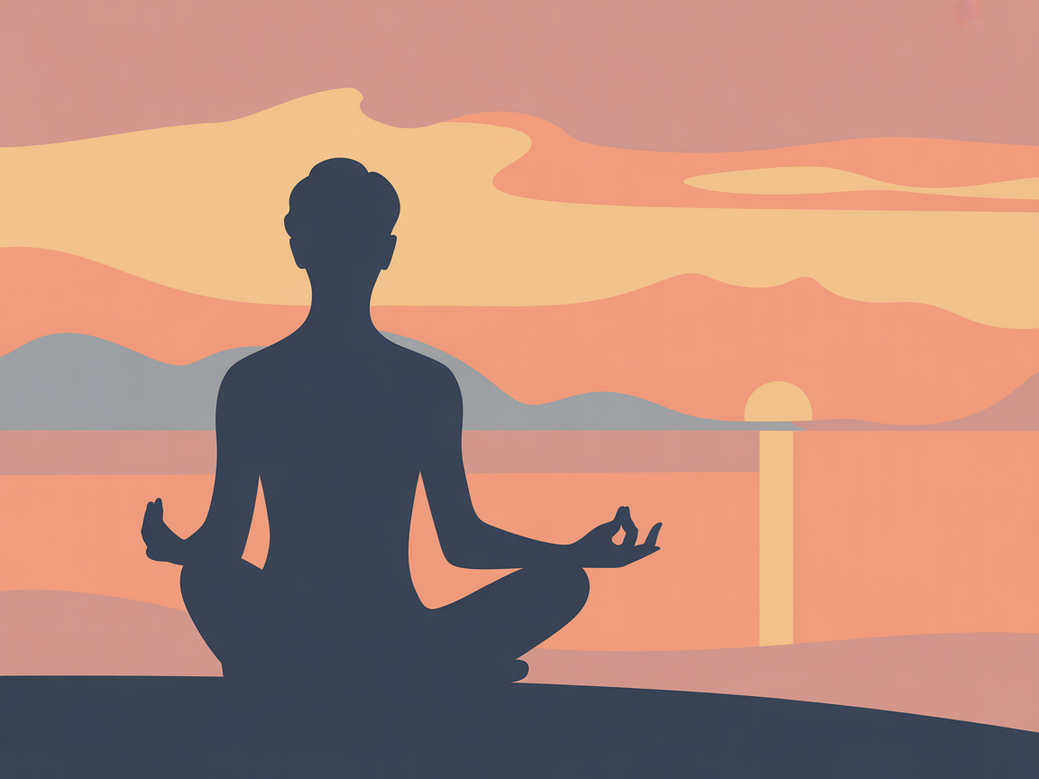
What is Stress Relief Yoga and Meditation?
Stress relief yoga is a gentle, accessible form of yoga that combines physical postures, controlled breathing, and relaxation techniques to release tension from the body. Meditation for stress involves mindfulness practices that train the mind to observe thoughts without judgment, breaking the cycle of anxiety. Together, they form a powerful duo that addresses both the physical and mental roots of stress.
When you practice these techniques, you activate the parasympathetic nervous system — your “rest and digest” mode. This counteracts the chronic “fight or flight” state that modern life triggers. The result is a measurable drop in cortisol, the stress hormone, and a profound sense of calm.
“According to research published by the National Institutes of Health, regular yoga and meditation practice can reduce perceived stress by up to 40% within eight weeks. That is not just a feeling — it is measurable change.”
- Yoga releases physical tension stored in your muscles and joints.
- Meditation quiets the mental chatter that fuels anxiety.
- Together, they lower cortisol levels and improve emotional regulation.
How Does Stress Relief Yoga Work?
Stress triggers your sympathetic nervous system, flooding your body with adrenaline and cortisol. While this response once helped our ancestors escape danger, today it’s often stuck in the “on” position. Yoga interrupts this cycle by stimulating the vagus nerve, which runs from the brain to the abdomen and controls the relaxation response.
Specific poses, like forward folds and gentle inversions, send signals of safety to the brain. Deep, rhythmic breathing further calms the nervous system. Over time, consistent practice actually increases levels of gamma-aminobutyric acid (GABA), a neurotransmitter that reduces anxiety. A Harvard Medical School study confirmed that yoga boosts GABA, offering a natural way to manage stress.
| Aspect | Stress Response (Fight or Flight) | Relaxation Response (Rest and Digest) |
|---|---|---|
| Heart Rate | Increases | Decreases |
| Breathing | Rapid, shallow | Slow, deep |
| Muscle Tension | High | Low |
| Cortisol Level | Elevated | Reduced |
| Mental State | Anxious, hypervigilant | Calm, focused |
Why is Stress Relief Yoga Important for Mental Health?
Your mental health is not a luxury — it’s the foundation of everything you do. Chronic stress contributes to anxiety, depression, burnout, and even physical illness. Stress relief yoga and meditation offer a proactive, drug-free way to protect your mind.
A 2023 meta-analysis from JAMA Psychiatry found that mindfulness-based interventions significantly reduce symptoms of anxiety and depression. Participants who practiced regularly reported better emotional regulation, improved sleep, and a greater sense of well-being.
Here are the key mental health benefits you can expect:
- Reduced anxiety: Lower baseline cortisol and fewer intrusive thoughts.
- Improved mood: Increased serotonin and dopamine levels.
- Better focus: Enhanced attention span and cognitive clarity.
- Emotional resilience: Greater ability to handle life’s ups and downs.
How Much Does It Cost to Start Yoga and Meditation?
One of the biggest myths is that wellness requires a big budget. The truth is, you can start with zero dollars. All you need is a quiet corner and comfortable clothing. A yoga mat can be helpful for grip and cushioning, but even a towel works in a pinch.
If you choose to use an app like Vitalizen.app, you’ll find affordable plans that give you unlimited access to guided yoga flows and meditations. Many apps offer free trials, so you can test them before committing. Compared to the cost of therapy or medication, investing in a wellness app is a fraction of the price — and the return on your mental health is priceless.
Where Can You Practice Stress Relief Yoga?
The beauty of yoga and meditation is their flexibility. You can practice almost anywhere:
- At home: Create a dedicated corner with a mat and maybe a candle.
- Outdoors: A park, beach, or even your backyard adds the healing power of nature.
- At work: A quick chair yoga sequence or a 2-minute breathing break can reset your focus.
- While traveling: With an app like Vitalizen, your practice fits in your pocket.
No studio membership? No problem. Your living room floor is the perfect place to begin.
When is the Best Time to Practice Yoga and Meditation?
The best time is the time you’ll actually do it. Consistency matters more than the clock. However, different times of day offer unique benefits:
- Morning (5–10 min): Gentle stretching followed by a body scan meditation sets a calm, intentional tone for the day.
- Midday (2 min): Box breathing at your desk or in the car can prevent the afternoon slump and reduce accumulated stress.
- Evening (10–15 min): Restorative yoga poses like Child’s Pose or Legs-Up-The-Wall, ending with a gratitude meditation, help you unwind and sleep better.
Experiment and find what rhythm works for you. The Vitalizen.app lets you practice anytime, anywhere, so you can fit wellness into your schedule — not the other way around.
What Are the Benefits of Combining Yoga and Meditation?
When you pair movement with mindfulness, you get a synergy that neither practice can achieve alone. Yoga prepares the body for stillness, releasing physical restlessness so you can sit more comfortably in meditation. Meditation, in turn, deepens your body awareness during yoga, making each pose more intentional.
This combination leads to:
- Faster stress relief: Physical tension and mental chatter dissolve simultaneously.
- Longer-lasting calm: The effects extend beyond the session into daily life.
- Improved self-awareness: You learn to recognize stress signals early and respond skillfully.
Success Story: How Sarah Reduced Anxiety with Vitalizen.app
Sarah, a 34-year-old marketing manager, struggled with chronic anxiety and insomnia. She started using Vitalizen.app for just 10 minutes a day, combining beginner yoga flows with guided meditations. After eight weeks, her self-reported anxiety score dropped from 8/10 to 3/10, and she began sleeping through the night. “I never thought such a small daily habit could change my life,” she says. “Now I can’t imagine my day without it.”
How to Start with Stress Relief Yoga Today?
Starting is simpler than you think. Follow these steps to build a practice that sticks:
- Choose your space: Find a quiet, clutter-free area where you won’t be disturbed.
- Get comfortable: Wear loose clothing. A yoga mat is optional but helpful.
- Download a guide: Use Vitalizen.app for beginner-friendly sessions tailored to stress relief.
- Start with these three poses:
1. Child’s Pose (Balasana)
Kneel on the floor, touch your big toes together, sit on your heels, and fold forward. Extend your arms in front or rest them alongside your body. Stay here for five deep breaths. This pose calms the brain and relieves tension in the back and shoulders.
2. Cat-Cow Stretch (Marjaryasana-Bitilasana)
Start on your hands and knees. Inhale as you drop your belly and lift your head and tailbone (Cow). Exhale as you round your spine and tuck your chin (Cat). Move slowly with your breath for one minute. This sequence releases spinal tension and massages the digestive organs.
3. Legs-Up-The-Wall Pose (Viparita Karani)
Sit sideways against a wall, swing your legs up, and lie back. Stay for five to ten minutes. This gentle inversion improves circulation, reduces anxiety, and helps you unwind after a long day.
Once you’re comfortable with the poses, add the 2-Minute Stress Reset meditation:
- Sit comfortably and close your eyes.
- Breathe in through your nose for four counts.
- Hold for four counts.
- Exhale through your mouth for six counts.
- Repeat for two minutes.
This technique, known as box breathing with an extended exhale, activates the vagus nerve and signals your body to relax. Practice it before meetings, after arguments, or whenever you feel overwhelmed.
For deeper guided sessions, explore the meditation library at Vitalizen.app — your personal wellness companion. Our app combines yoga and meditation in one seamless experience.
Frequently Asked Questions About Stress Relief Yoga and Meditation
How long does it take for yoga and meditation to reduce stress?
Most people notice a difference within two to four weeks of consistent practice. Even a single session can lower cortisol levels temporarily, but lasting changes come from regular practice — ideally three to five times per week.
Can I do yoga and meditation if I am not flexible?
Absolutely. Flexibility is a result of yoga, not a requirement. Many stress relief poses are gentle and accessible to all body types. Meditation requires no physical flexibility at all — just a willingness to sit with yourself.
What is the best time of day to practice?
The best time is the time you will actually do it. Morning practice sets a calm tone for the day, while evening practice helps you unwind. Experiment and find what works for your schedule. The Vitalizen.app allows you to practice anytime, anywhere.
Do I need special equipment to start?
No. A quiet corner and comfortable clothing are enough. A yoga mat can help with grip and cushioning, but it is not essential. For meditation, you do not need anything at all — just your breath.
How is Vitalizen.app different from other wellness apps?
Vitalizen.app uniquely combines yoga and meditation into one integrated experience. Our sessions are designed by certified instructors and tailored to your stress level, experience, and available time. No fluff — just real results.
Your Next Step Toward a Calmer Life
You have read the science. You have learned the poses. You have discovered the breathing techniques. Now comes the most important part: taking action.
Stress relief yoga and meditation are not luxuries for people who have extra time. They are necessities for people who want to protect their mental health in a chaotic world. And you do not have to figure it out alone.
Start your wellness journey with Vitalizen.app today and discover how good it feels to breathe, move, and be present. Your mind — and your body — will thank you.
For more tips, guided practices, and expert insights, explore our blog about yoga, meditation, and mindful living. And if you have questions, reach out to our team — we are here to support you.
Disclaimer: This article is for informational purposes only and does not constitute medical advice. Always consult your healthcare provider before starting a new exercise or wellness program.