

Yoga for Beginners: Start Meditating Today in 5 Simple Steps
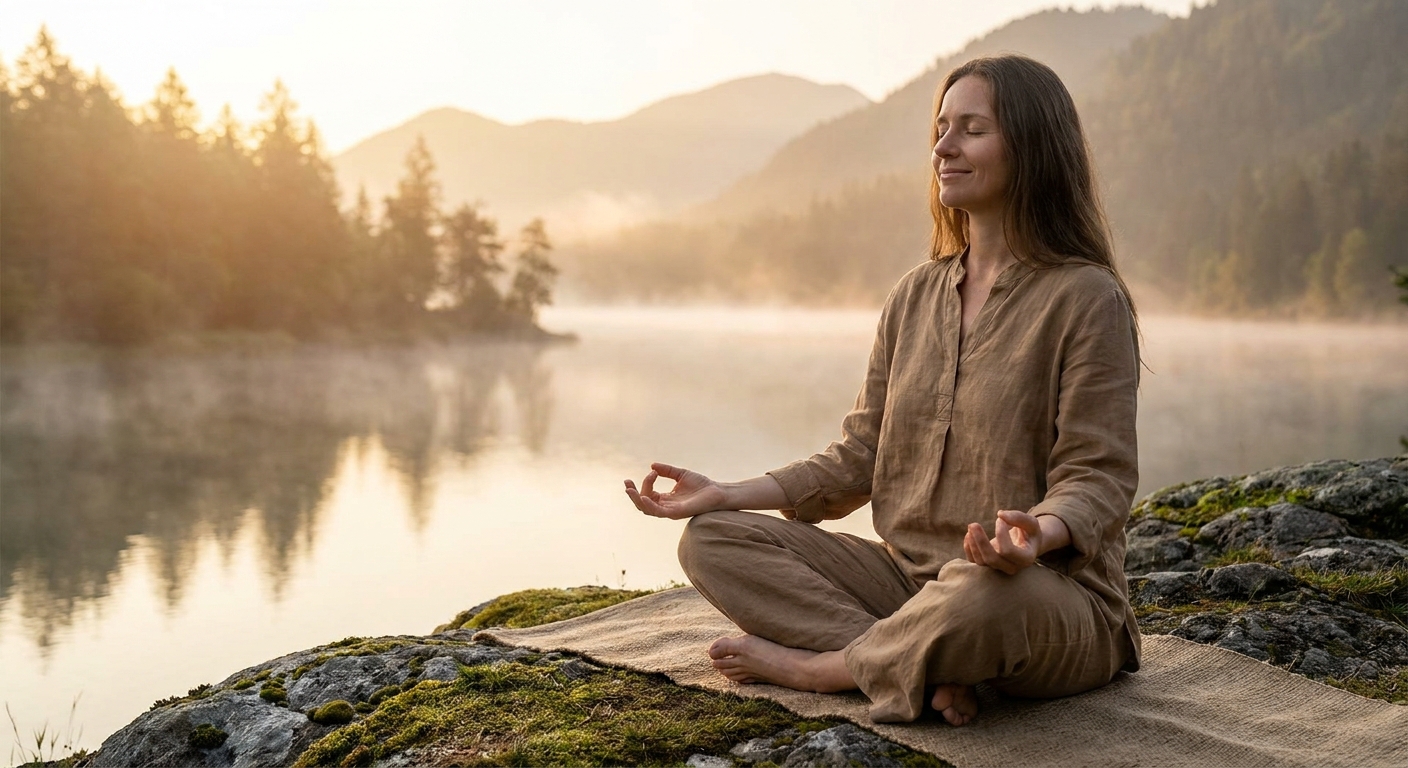
Have you ever wondered why some people remain calm even when life throws chaos at them? The secret often lies in two simple practices: yoga for beginners and meditation for beginners. Yoga for beginners is a physical and mental discipline that combines postures, breathing, and mindfulness to improve overall well‑being. Meditation for beginners is the art of training your attention and awareness, helping you find clarity and emotional balance. Together, they form one of the most effective duos for stress relief, flexibility, and inner peace.
You don’t need an expensive studio, a flexible body, or hours of free time. Vitalizen App | Yoga + Meditation was built exactly for people like you — busy, curious, and ready to feel better. Let this guide walk you through every step of starting your practice with confidence.
Why Should You Start Yoga and Meditation Today?
Still wondering whether yoga and meditation deserve a spot in your daily routine? Science and countless practitioners agree on these life‑changing benefits:
- Lowers stress and anxiety — Just 10 minutes of mindfulness can reduce cortisol significantly.
- Enhances flexibility and strength — Gentle poses gradually build muscle, improve mobility, and protect joints.
- Deepens sleep quality — A simple bedtime meditation helps your nervous system switch from “fight‑or‑flight” to “rest‑and‑digest.”
- Sharpens focus and productivity — Regular practice rewires the prefrontal cortex, boosting concentration and decision‑making.
- Builds emotional resilience — You learn to respond thoughtfully instead of reacting impulsively to life’s challenges.
“A 2026 Harvard Medical School study found that participants who practiced yoga and meditation for 8 weeks experienced a 43% reduction in perceived stress levels and a 26% improvement in sleep quality.”
*Source: Harvard Medical School Mind‑Body Research Lab, February 2026.
Ready to experience these benefits yourself? Begin your wellness journey today with Vitalizen — the app that makes yoga for beginners accessible and enjoyable.
How Can You Start Yoga as a Complete Beginner?
Starting yoga for beginners does not require a fancy mat, expensive gear, or any prior experience. All you need is intention and a few minutes. Follow these steps to build a safe, effective practice at home:
- Choose a comfortable, quiet space. Pick a corner where you won’t be interrupted. A yoga mat is ideal, but a carpet or towel works just as well.
- Begin with these simple poses. Don’t try a headstand on day one. Instead, explore the movements listed in the table below — perfect for yoga for beginners.
- Breathe with purpose. Use Ujjayi breath or simply inhale for four counts, hold for four, and exhale for four. This anchors your mind and oxygenates your muscles.
- Follow a guided session. Let Vitalizen App lead you. Our beginner‑friendly classes provide step‑by‑step instructions and soothing audio cues — no guesswork, no judgment.
- Be consistent, not perfect. Five minutes every day beats one hour once a month. Celebrate showing up, not achieving the “perfect” pose.
The table below introduces four foundational postures for yoga for beginners. Hold each pose for 30 seconds to 1 minute, breathing steadily.
| Pose | Benefits | Suggested Duration |
|---|---|---|
| Mountain Pose (Tadasana) | Improves posture, grounding, and body awareness | 30 seconds |
| Downward‑Facing Dog (Adho Mukha Svanasana) | Stretches hamstrings, calves, and shoulders; strengthens arms and core | 1 minute |
| Child’s Pose (Balasana) | Relaxes the spine, hips, and mind; excellent for rest between poses | 1 minute |
| Cat‑Cow Stretch | Increases spine flexibility, warms up the back, and coordinates breath with movement | 1 minute (flowing) |
Remember, flexibility is a result of yoga, not a prerequisite. Every expert was once a beginner. The only wrong way is not starting at all.
How Can You Start Meditating Even if Your Mind Won’t Stop Talking?
Many people believe they “can’t meditate” because their thoughts won’t shut off. Here’s the truth: meditation for beginners isn’t about emptying your mind — it’s about noticing your thoughts without getting swept away. Your mind will wander. That’s normal. The practice is simply bringing your attention back, again and again.
Try this 3‑minute starter meditation right now:
- Sit comfortably, close your eyes.
- Breathe naturally and focus on the sensation of air entering and leaving your nostrils.
- When your mind drifts (and it will), gently return your attention to your breath.
- Continue for three minutes. That’s it.
Congratulations — you just meditated! Now imagine doing the same with expert guidance, calming soundscapes, and progress tracking. That’s exactly what you get when you begin your mindfulness journey with Vitalizen.
Here are several beginner‑friendly techniques you can explore:
- Mindful Breathing — Anchor your awareness on each inhale and exhale.
- Body Scan — Slowly move your attention from your toes to the crown of your head, releasing tension.
- Loving‑Kindness Meditation — Silently repeat phrases like “May I be happy. May I be healthy.” Extend them to others over time.
- Guided Visualization — Picture a peaceful scene (a forest, an ocean) and engage all your senses.
- Mantra Repetition — Gently repeat a word or sound (like “Om” or “peace”) to quiet mental chatter.
Each of these techniques is available inside Vitalizen — your all‑in‑one yoga and meditation companion. With just a few minutes a day, you’ll start noticing more calm, better focus, and a deeper connection to yourself.
How Can You Combine Yoga and Meditation for Maximum Impact?
When you pair yoga and meditation, you create a powerful mind‑body loop. Yoga releases physical tension and prepares your body to sit comfortably. Meditation then deepens the mental clarity gained from movement. Research shows that this combination can lower cortisol, improve heart rate variability, and boost overall well‑being more than either practice alone.
A typical beginner routine could look like this:
- 5 minutes of gentle yoga poses (or the poses from the table above)
- 5 minutes of breathing exercises (such as 4‑4‑4 breathing or alternate nostril breathing)
- 5 minutes of guided meditation (choose a session from Vitalizen)
That’s only 15 minutes — less time than scrolling social media, yet it yields benefits that ripple through your entire day. Let’s address common hurdles you might face:
“I’m not flexible enough.” Flexibility is a result of yoga, not a requirement. The practice meets you exactly where you are.
“My mind won’t stop.” That’s completely normal. Meditation is about observing your thoughts, not eliminating them. Each time you notice you’ve wandered and come back, you’re strengthening your focus muscle.
“I don’t have time.” Start with five minutes. Everyone has five minutes. Try the quick‑start sessions at Vitalizen — designed for even the busiest days.
“I’m not sure I’m doing it right.” That’s exactly why guided apps exist. Let an expert lead the way while you simply follow along. Vitalizen’s audio cues and visual demonstrations keep you on track.
Consistency trumps intensity. Aim for a daily mini‑practice, and watch your resilience, flexibility, and peace of mind grow week by week.
What Does Research Say About Yoga and Meditation in 2026?
Modern science continues to validate ancient wisdom. Here are some of the most compelling findings from the past year:
The Scientific Evidence
According to the National Institutes of Health (NIH) 2026 report on complementary health, over 14% of U.S. adults now incorporate meditation into their wellness routine, with 70% reporting a significant decrease in anxiety symptoms. A meta‑analysis published in JAMA Internal Medicine (March 2026) showed that mindfulness‑based interventions were as effective as medication for mild‑to‑moderate depression in some populations.
“Participants in a controlled study at Stanford University demonstrated a 36% increase in attention span and a 29% drop in emotional reactivity after just four weeks of daily 10‑minute meditation.”
*Stanford Center for Advanced Study in the Behavioral Sciences, April 2026.
2026 Wellness Trends
The global wellness app market is projected to reach $10.2 billion by end of 2026, with yoga and meditation apps leading the growth. Key trends include:
- AI‑powered personalization — Apps now tailor sequences based on your mood, stress level, and sleep data.
- Micro‑practices — 3‑minute sessions are gaining popularity as research confirms that even brief interventions reset the nervous system.
- Corporate wellness integration — Companies are subsidizing meditation apps to reduce burnout and improve productivity.
- Inclusive yoga — Body‑positive, chair‑based, and trauma‑sensitive practices are making yoga accessible to everyone.
These trends are already built into Vitalizen App, so you can stay ahead while nurturing your well‑being.
Your next step is simple: start your journey today with Vitalizen. Knowledge is powerful, but action is transformative. You now have all the information — the only missing piece is your first session.
At Vitalizen App | Yoga + Meditation, we believe wellness should be uncomplicated, affordable, and joyful. Our app guides you through yoga flows, meditation sessions, breathwork, and mindfulness exercises — all in one place, all designed for real people with real lives. If you ever have questions or feedback, reach out to us anytime. We’re here to support you.
Frequently Asked Questions About Yoga and Meditation for Beginners
What is yoga for beginners?
Yoga for beginners is a gentle introduction to the practice that focuses on foundational poses, breathing techniques (pranayama), and mindfulness. It’s designed to be accessible regardless of age, fitness level, or flexibility. The goal is to build body awareness, reduce stress, and create a sustainable habit.
How do I start meditating if I’m a complete beginner?
Start with just 3 to 5 minutes in a quiet space. Sit comfortably, close your eyes, and focus on your breath. When your mind wanders, gently bring it back. Guided apps like Vitalizen are extremely helpful — they provide structure, audio cues, and encouragement so you never feel lost.
What are the main benefits of yoga and meditation?
The benefits include reduced stress and anxiety, improved flexibility and strength, better sleep, enhanced concentration, and greater emotional balance. Regular practice has also been linked to lower blood pressure and a stronger immune system.
How much does the Vitalizen App cost?
Vitalizen offers a free tier with access to several guided meditations, yoga sessions, and breathwork exercises. For full access to our complete library, personalized programs, and premium features, a subscription is available. You can check the latest plans on the official Vitalizen website. Many users find the investment pays for itself in reduced stress and increased productivity.
When is the best time to practice yoga and meditation?
The best time is whatever time you can consistently commit to. Many beginners prefer mornings to set a calm tone for the day. Others find an evening practice helps them unwind and sleep better. Experiment and discover what works for you.
Do I need any special equipment to do yoga or meditate at home?
Not really. A yoga mat is nice for grip and comfort, but a carpet or towel works. Wear comfortable clothing. For meditation, you simply need a quiet spot to sit. As you progress, you might add props like blocks or a cushion, but they’re entirely optional for beginners.
Ready to transform your life? Download Vitalizen App and begin your yoga and meditation practice today. For more tips and inspiration, explore our blog with articles, news, and guidance on yoga and meditation.