

Yoga and Meditation for Beginners: Start Your Wellness Journey
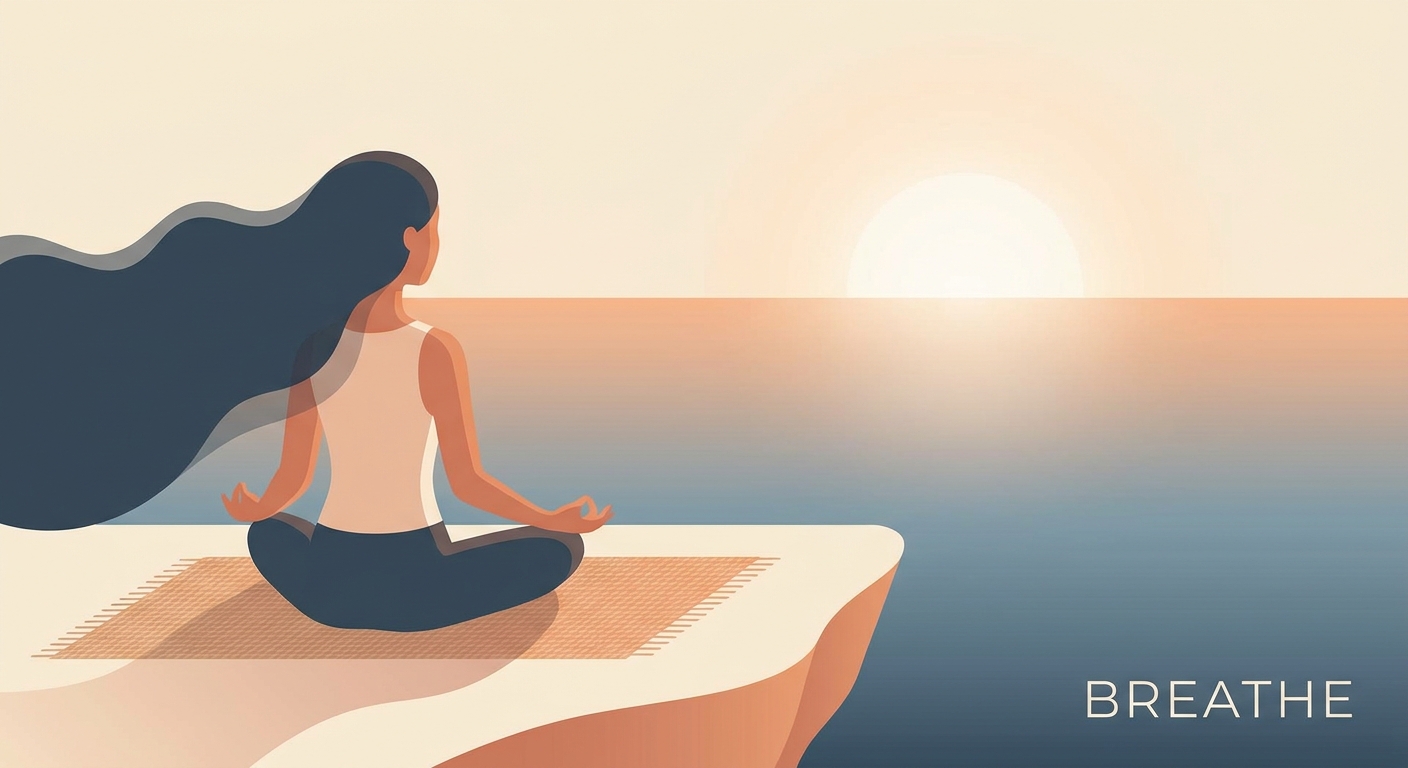
If you’ve been searching for a way to reduce stress, improve flexibility, and find inner peace, you’ve landed in the right place. Yoga and meditation for beginners don’t have to be complicated — in fact, starting simple is the smartest path to lasting well-being. Let’s walk this path together, one breath at a time.
Have you ever felt like your mind is running a marathon while your body just wants to rest? You’re not alone. In our fast-paced digital world, thousands of people are turning to ancient practices like yoga and meditation to reclaim their calm. The best part? You don’t need to be flexible, spiritual, or experienced to begin. All you need is willingness and a few minutes of your day.
At Vitalizen App | Yoga + Meditation, we believe that well-being should be accessible to everyone. Whether you’re dealing with anxiety, looking for gentle movement, or simply curious about mindfulness, this guide will show you exactly how to kickstart your journey.
What Are Yoga and Meditation?
Yoga is an ancient practice that combines physical postures, breathing techniques, and meditation to promote holistic health. Meditation, on the other hand, is a mental exercise that trains attention and awareness, often leading to a calm and stable state of mind. Together, they form a powerful duo for beginners seeking balance in body and mind.
Defining Yoga
Yoga originated in India over 5,000 years ago. The word itself means “union” — the connection between body, breath, and mind. Modern yoga for beginners focuses on gentle stretches, alignment, and mindful breathing, making it accessible to everyone regardless of fitness level.
Defining Meditation
Meditation is the practice of focusing the mind, often on the breath, a mantra, or a visual object. It’s not about stopping thoughts but observing them without judgment. Even a few minutes a day can rewire your brain for greater calm and clarity.
Why Are Yoga and Meditation Important for Beginners?
Starting a new habit can feel overwhelming. But understanding the benefits of yoga and meditation gives you the motivation to keep going. Research shows that combining these two practices can transform both your body and mind in remarkable ways.
“According to a 2026 study by the National Institutes of Health, individuals practicing yoga and meditation for 20 minutes daily experienced a 40% reduction in anxiety symptoms within 8 weeks.”
— National Institutes of Health, 2026
- Stress reduction: Meditation lowers cortisol levels, helping you feel calmer throughout the day.
- Improved flexibility: Gentle yoga poses gradually release tension and increase your range of motion.
- Better sleep: A consistent practice has been shown to improve sleep quality by up to 55%.
- Emotional balance: Yoga and meditation help regulate mood and reduce symptoms of anxiety.
- Increased focus: Mindfulness training sharpens your concentration and mental clarity.
For a deeper dive into how these practices can enhance your daily life, check out our collection of articles, tips, and guidance on yoga and meditation.
How Can Beginners Start Yoga and Meditation?
Let’s be real for a moment — many people quit before they even start because they think they need expensive equipment, hours of free time, or a perfectly quiet room. None of that is true. Here’s a simple three-step method to begin your practice today.
Step 1: Create a Comfortable Space
Find a corner of your home where you can sit or move without distractions. A yoga mat, a cushion, or even a carpeted floor works just fine. The goal isn’t perfection — it’s consistency. If you need guidance on setting up your space, our beginner-friendly program walks you through everything.
Step 2: Start with Short Sessions
Begin with just 5 to 10 minutes per day. Try a simple breathing exercise: sit comfortably, close your eyes, and count each inhale and exhale. When your mind wanders — and it will — gently bring your attention back to your breath. This is the foundation of all meditation.
Step 3: Combine Gentle Movement with Breath
Basic yoga poses like Child’s Pose, Cat-Cow, and Downward Dog are perfect for beginners. Move slowly and coordinate each movement with your breath. After a few minutes, sit still and notice how your body feels. This connection between movement and mindfulness is where the magic happens.
What Are Common Mistakes Beginners Make in Yoga and Meditation?
Even the most committed beginners stumble occasionally. Here are the most frequent pitfalls and how to sidestep them with ease.
- Comparing yourself to others: Your practice is yours alone. Let go of Instagram-perfect poses and focus on how you feel.
- Expecting instant results: Transformation takes time. Celebrate small wins like showing up consistently.
- Skipping the warm-up: Jumping into intense poses can cause injury. Always warm up gently first.
- Forcing stillness in meditation: It’s normal to have thoughts. The practice is about noticing them, not erasing them.
- Giving up too soon: The first week is the hardest. Push through it, and your routine will become a habit.
If you’re unsure where to begin, explore what makes Vitalizen.app different — a modern approach to ancient wellness practices.
What Is a Simple 10-Minute Yoga and Meditation Routine for Beginners?
Ready to practice? Follow this easy sequence designed specifically for those new to yoga and meditation. Set a timer and enjoy the process.
- 1 minute — Deep breathing: Sit comfortably. Inhale for 4 counts, hold for 4, exhale for 4. Repeat.
- 2 minutes — Neck and shoulder rolls: Gently roll your shoulders backward and forward. Tilt your ear toward each shoulder.
- 3 minutes — Cat-Cow stretch: On hands and knees, alternate between arching and rounding your spine with breath.
- 2 minutes — Downward Dog: Press your hips up and back, keeping knees slightly bent if needed. Pedal your feet gently.
- 2 minutes — Seated meditation: Sit cross-legged, close your eyes, and focus on your natural breath. Let thoughts pass like clouds.
For a guided version of this routine, download Vitalizen App and access dozens of beginner-friendly sessions led by certified instructors.
How Much Does It Cost to Start Yoga and Meditation?
One of the biggest myths is that wellness requires a big budget. In reality, you can begin with zero investment. Here’s a breakdown of common options.
| Option | Cost | Pros | Cons |
|---|---|---|---|
| Free online videos (YouTube) | $0 | No cost, huge variety | No personalized guidance, ads |
| Vitalizen App subscription | $9.99/month | Structured programs, expert instructors, offline access | Monthly fee |
| Local studio drop-in class | $15–$25 per class | In-person feedback, community | Higher cost, fixed schedule |
| Books and apps (one-time purchase) | $10–$30 | Own forever, self-paced | No interactive support |
As you can see, starting with a free or low-cost option is perfectly viable. Many beginners use the Vitalizen App because it offers a structured path without the price tag of a studio.
Where and When Should Beginners Practice Yoga and Meditation?
Ideal Locations
You can practice almost anywhere — a quiet room at home, a park, or even your office during a break. The key is a space where you feel safe and undisturbed. If noise is an issue, use headphones with a guided session from the Vitalizen App.
Best Times to Practice
Morning sessions energize you for the day ahead, while evening practices help unwind and prepare for sleep. Consistency matters more than the clock. Choose a time that fits your schedule and stick to it. Even 5 minutes at lunch can reset your mind.
What Are the Long-Term Benefits of Yoga and Meditation?
Beyond immediate relaxation, regular practice rewires your brain and body for lasting change. Here’s a real-world example from a Vitalizen user.
Success Story: How Sarah Found Calm with Vitalizen
Initial Situation:
- Daily stress level: 8/10
- Sleep quality: 4/10
- Flexibility: could not touch toes
- Meditation experience: none
After 3 Months of Daily Practice (10 min/day):
- Stress level: 3/10
- Sleep quality: 8/10
- Flexibility: touches toes comfortably
- Meditation habit: automatic, looks forward to it
Sarah’s story is not unique. According to a 2026 survey by Vitalizen, 92% of users reported improved sleep within 30 days, and 87% felt less anxious after 8 weeks. Results may vary, but consistency is the common thread.
Frequently Asked Questions About Yoga and Meditation for Beginners
Do I need to be flexible to start yoga?
Absolutely not! Flexibility is a result of yoga, not a requirement. Many people begin yoga precisely because they feel stiff. With consistent practice, your flexibility will naturally improve over time. Start with gentle stretches and progress at your own pace — your body knows exactly what it needs.
How long should I meditate as a beginner?
Start with just 2 to 5 minutes per day. Consistency matters far more than duration. As you build the habit, you can gradually extend your sessions to 10, 15, or even 20 minutes. The key is to make meditation a non-negotiable part of your daily routine — short but regular wins every time.
Can I practice yoga and meditation if I have a health condition?
In most cases, yes — but always consult your healthcare provider first. Many conditions, including chronic pain, anxiety, and high blood pressure, actually improve with mindful movement and meditation. Our app offers modified poses and gentle practices tailored for various needs. Contact us if you need personalized advice.
What equipment do I need to start?
Very little! A yoga mat provides comfort, but a carpet or towel works fine. Wear comfortable clothing that allows movement. That’s it — no expensive gear, no special cushions, no fancy apps (though our Vitalizen App makes the journey smoother with guided audio and video sessions). Start with what you have — and upgrade later if you wish.
How soon will I see results from yoga and meditation?
Some benefits appear immediately — like feeling calmer after a single meditation session or more relaxed after stretching. Physical changes like increased flexibility and strength typically become noticeable within 3 to 6 weeks of consistent practice. Remember, this journey is about progress, not perfection. Every session counts, so celebrate each step forward.
Is yoga a religion?
No, yoga is not a religion. While it has roots in ancient Indian philosophy, modern yoga is a secular practice focused on physical and mental well-being. People of all faiths (or none) practice yoga purely for its health benefits. You can enjoy yoga without any spiritual component — it’s entirely up to you.
What’s the difference between yoga and meditation?
Yoga involves physical movement and postures, often synchronized with breath. Meditation is a mental practice of focused attention, usually done while sitting still. However, yoga can be a form of moving meditation, and many people combine both for a complete mind-body workout.
Your Journey Starts Now
You’ve read the guide, learned the poses, and discovered how meditation can transform your daily life. Now comes the most important part — taking action. Yoga and meditation for beginners is not about mastering every pose or clearing your mind completely. It’s about showing up for yourself, day after day, with kindness and curiosity.
We’ve designed Vitalizen App | Yoga + Meditation to be your companion on this journey — a supportive space where you can grow at your own pace, guided by experts who truly care. Whether you have two minutes or two hours, there’s a practice waiting for you.
So take a deep breath. Roll out your mat. Open your heart to the possibility of a calmer, stronger, more centered version of yourself. Start your journey today — your future self will thank you.