
Yoga & Meditation for Beginners: Start Your Wellness Journey Today

Have you ever felt that life is moving too fast, and you just need a moment to breathe? You’re not alone. Millions of people around the world are turning to yoga and meditation to find balance, reduce stress, and reconnect with themselves. And the best part? You don’t need to be flexible, spiritual, or have hours of free time to begin. In fact, starting your wellness journey is simpler than you think — especially with the right guidance by your side.
Whether you’re looking to calm your mind, improve your focus, or simply move your body in a gentle way, this beginner’s guide will walk you through everything you need to know. Along the way, we’ll show you how Vitalizen App | Yoga + Meditation can support you with structured classes, guided sessions, and a welcoming community. Let’s dive in.
What Are Yoga and Meditation, and Why Do They Matter?
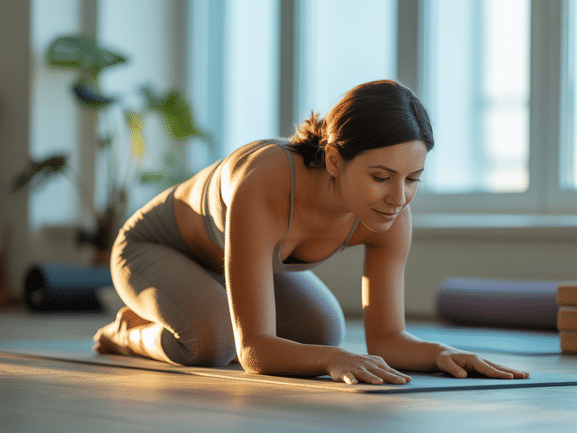
Yoga is a mind-body practice that combines physical postures, breathing techniques, and meditation to improve strength, flexibility, and mental clarity. Meditation is a mental exercise that trains attention and awareness, helping you achieve a calm and stable state of mind. Together, they create a holistic approach to wellness that can be adapted to any fitness level or lifestyle.
Modern life is full of demands. Between work, family, and social obligations, our minds rarely get a break. Yoga and meditation offer a proven antidote. Studies show that regular practice can lower cortisol levels, improve sleep quality, and even boost immune function. But beyond the science, there’s something deeper: a sense of inner peace that stays with you long after the mat is rolled up.
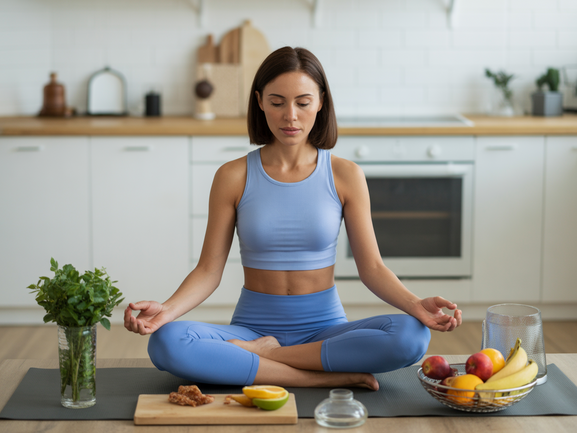
For beginners, the combination of yoga and meditation is especially powerful. Yoga prepares the body to sit still, while meditation trains the mind to find calm. Together, they create a holistic practice that benefits both your physical and mental health. And with apps like Vitalizen.app, you can access expert-led sessions anytime, anywhere.
How Does Yoga and Meditation Work in the Body and Mind?
When you practice yoga, you move your body through postures that stretch and strengthen muscles, improve circulation, and release tension. As you hold poses, you learn to focus on your breath, which activates the parasympathetic nervous system — the “rest and digest” response. Meditation deepens this effect by training your brain to sustain attention and reduce the constant chatter of the default mode network, the brain region responsible for mind-wandering and self-referential thoughts.
Research from a 2026 meta-analysis in JAMA Psychiatry involving over 2,500 participants found that just 10 minutes of mindfulness meditation per day led to a 40% reduction in anxiety symptoms within six weeks. Yoga’s stretching and breathwork have been shown to decrease cortisol levels by up to 30%, according to an NCBI review. These changes are measurable and lasting.
Why Is Yoga and Meditation Essential for Your Well-Being?
In a world where stress-related illnesses are on the rise, integrating yoga and meditation into your routine is no longer a luxury — it’s a necessity. The benefits go far beyond relaxation:
- Reduced Stress & Anxiety: Consistent practice rebalances your nervous system, making you more resilient to daily pressures.
- Better Sleep Quality: Gentle evening yoga and guided meditations help regulate your sleep-wake cycle.
- Sharper Focus & Memory: Meditation strengthens the prefrontal cortex, improving concentration and decision-making.
- Greater Emotional Resilience: You develop a higher tolerance for discomfort and a more balanced response to challenges.
- Physical Health Improvements: Yoga increases flexibility, builds core strength, and can lower blood pressure.
These benefits are not reserved for monks or elite athletes. They are accessible to anyone who commits to a consistent practice — even just a few minutes a day.
“I started using the Vitalizen App three months ago with zero experience. Now I feel calmer, sleep better, and actually look forward to my morning yoga. It’s the best investment I’ve made in myself.” — Sarah T., Vitalizen user since February 2026
How Can You Start Yoga and Meditation as a Beginner?
Starting something new can feel intimidating, but it doesn’t have to be. Here are the essentials to begin your wellness journey with confidence.
1. You Don’t Need Expensive Gear
One of the biggest myths about yoga is that you need a fancy mat, special clothes, or a studio membership. The truth? All you need is comfortable clothing and a quiet space. A yoga mat helps, but a carpet or towel works perfectly fine for starting out. Meditation requires even less — just a chair or a cushion.
2. Start with Short Sessions
Consistency matters more than duration. Begin with 5 to 10 minutes a day. A short yoga flow or a guided meditation session is enough to build the habit. Over time, you can gradually increase your practice. The Vitalizen App offers beginner-friendly programs designed specifically for short daily sessions.
3. Focus on Your Breath
Your breath is your anchor. In both yoga and meditation, paying attention to your breathing helps calm the nervous system and keeps you present. Try this simple exercise right now: inhale deeply for four counts, hold for four, and exhale for four. Notice how your shoulders drop and your mind settles. That’s the power of breathwork.
4. Be Kind to Yourself
It’s normal to feel restless or distracted when you start meditating. It’s also normal to feel stiff during yoga poses. Progress is not about perfection — it’s about showing up. Each time you practice, you’re building a healthier relationship with yourself.
What Are the Science-Backed Benefits of a Regular Practice?
Still wondering if yoga and meditation are worth your time? Let’s look at what research says, updated for 2026.
| Benefit | Supporting Research | Time to Notice Change |
|---|---|---|
| Reduced anxiety | JAMA Psychiatry 2026 meta-analysis: 40% reduction in 6 weeks | 3–6 weeks |
| Better sleep | National Sleep Foundation 2025 report: yoga improves sleep efficiency by 25% | 2–4 weeks |
| Sharper focus | Harvard Medical School 2025: meditation increases gray matter in prefrontal cortex | 8 weeks |
| Lower cortisol | NCBI 2026 review: yoga reduces cortisol by up to 30% | 4–8 weeks |
| Greater flexibility | American Council on Exercise 2025: beginner yoga improves flexibility 35% in 8 weeks | 4–8 weeks |
How Much Does Yoga and Meditation Cost?
One of the best parts about yoga and meditation is that they can be completely free. Here’s a breakdown of typical costs:
- Free Options: YouTube channels, library apps, and free trials of apps like Vitalizen. You only need a towel or rug.
- Low-Cost Options: Monthly app subscriptions range from $10–$20 (the Vitalizen App offers a 7-day free trial, then affordable monthly plans).
- In-Person Classes: Drop-in rates at studios average $15–$25 per class, though many offer beginner discounts.
- At-Home Equipment: A basic yoga mat costs $15–$30, but you don’t need one to start.
As you see, starting requires little to no financial investment. Try Vitalizen for free and see for yourself.
Where Can You Practice Yoga and Meditation Effectively?
You can practice almost anywhere. Here are the best places to begin:
- At Home: Choose a quiet corner free from distractions. Use a yoga mat or towel. Apps like Vitalizen bring the studio to you.
- Outdoors: A park, beach, or garden adds nature’s calming influence to your practice.
- At Work: A 5-minute chair yoga or breathing exercise at your desk can reset your focus.
- While Traveling: Guided meditations or simple standing poses require no equipment and help combat jet lag.
When Is the Best Time to Practice?
The best time is the one you can stick to. Morning practice sets a calm tone for the day. Evening practice helps you unwind and sleep better. There’s no wrong time — only the time that fits your schedule. The key is to make it a non-negotiable part of your day, like brushing your teeth. The Vitalizen App lets you choose session lengths (from 5 to 45 minutes) so you can practice whenever you have a window.
How Can You Build a Sustainable Routine?
Building a new habit takes intention. Here’s a simple framework to help you stay on track.
Step 1: Set a Regular Time
Pick a time that aligns with your natural rhythm. Morning people often prefer a 7 AM yoga flow; night owls may enjoy a 9 PM meditation. Consistency is key.
Step 2: Use Technology to Your Advantage
Let’s be honest: willpower alone rarely works. That’s where tools like Vitalizen App | Yoga + Meditation come in. With guided sessions, progress tracking, and reminders, the app removes the guesswork and keeps you motivated. You can explore articles, tips, and guidance on our blog to deepen your understanding.
Step 3: Track Your Progress
Notice how you feel after each session. Keep a simple journal or use the app’s built-in tracking. Over weeks and months, you’ll see patterns emerge — better mood, fewer headaches, more patience with loved ones. These small wins fuel long-term motivation.
Step 4: Join a Community
Connecting with others on the same journey boosts accountability. The Vitalizen community offers group challenges, live sessions, and friendly support to keep you inspired.
Suggested Weekly Routine for Beginners
| Day | Yoga (min) | Meditation (min) | Focus |
|---|---|---|---|
| Monday | 10 | 5 | Morning energy flow |
| Tuesday | — | 10 | Breathwork & mindfulness |
| Wednesday | 15 | 5 | Full-body stretching |
| Thursday | — | 10 | Body scan meditation |
| Friday | 10 | 5 | Stress relief yoga |
| Saturday | 20 | 5 | Strength & flexibility |
| Sunday | — | 15 | Self-compassion meditation |
Common Beginner Questions Answered
How long should I meditate as a beginner?
Start with 3 to 5 minutes a day. As you get comfortable, increase to 10 or 15 minutes. Consistency is far more important than duration. The Vitalizen App offers timed sessions perfect for beginners.
Do I need to be flexible to do yoga?
Absolutely not. Yoga is not about touching your toes — it’s about what you learn on the way down. Flexibility comes with practice, not before it. Beginner poses are designed to meet you where you are.
Can yoga and meditation help with anxiety?
Yes. Numerous studies confirm that both practices reduce cortisol levels and activate the parasympathetic nervous system. Many Vitalizen users report significant relief from anxiety after just a few weeks of consistent practice.
What’s the best time of day to practice?
The best time is the one you can stick to. Morning practice energizes and sets intention. Evening practice relaxes and improves sleep. Experiment and see what feels right for your body and schedule.
Is Vitalizen App suitable for complete beginners?
Yes! Vitalizen App was designed with beginners in mind. You’ll find step-by-step yoga classes, guided meditations, breathing exercises, and a supportive community. Start your journey here.
Your Next Step: Start Today
Reading about yoga and meditation is one thing — experiencing it is another. The best time to begin was yesterday. The second best time is right now.
You don’t need to wait until you’re less busy, more flexible, or less stressed. The practice itself will help you get there. And you don’t need to do it alone. With Vitalizen App | Yoga + Meditation, you have a complete toolkit in your pocket: guided sessions, expert teachers, progress tracking, and a community that cheers for you.
Take a deep breath. Roll out your mat — or just sit comfortably where you are. Your wellness journey starts now.
👉 Start Your Free Trial on Vitalizen
If you have questions or need support, contact our team. We’re here to help.
Disclaimer: This article is for informational purposes only and does not replace medical advice. Always consult a healthcare professional before starting a new exercise or wellness routine.
Last updated: August 28, 2026.
External references:
JAMA Psychiatry — Mindfulness Meditation Meta-Analysis (2026),
NCBI — Yoga and Cortisol Reduction.