

Yoga and Meditation: Your Daily Path to Real Wellness (and Why You Need Both)
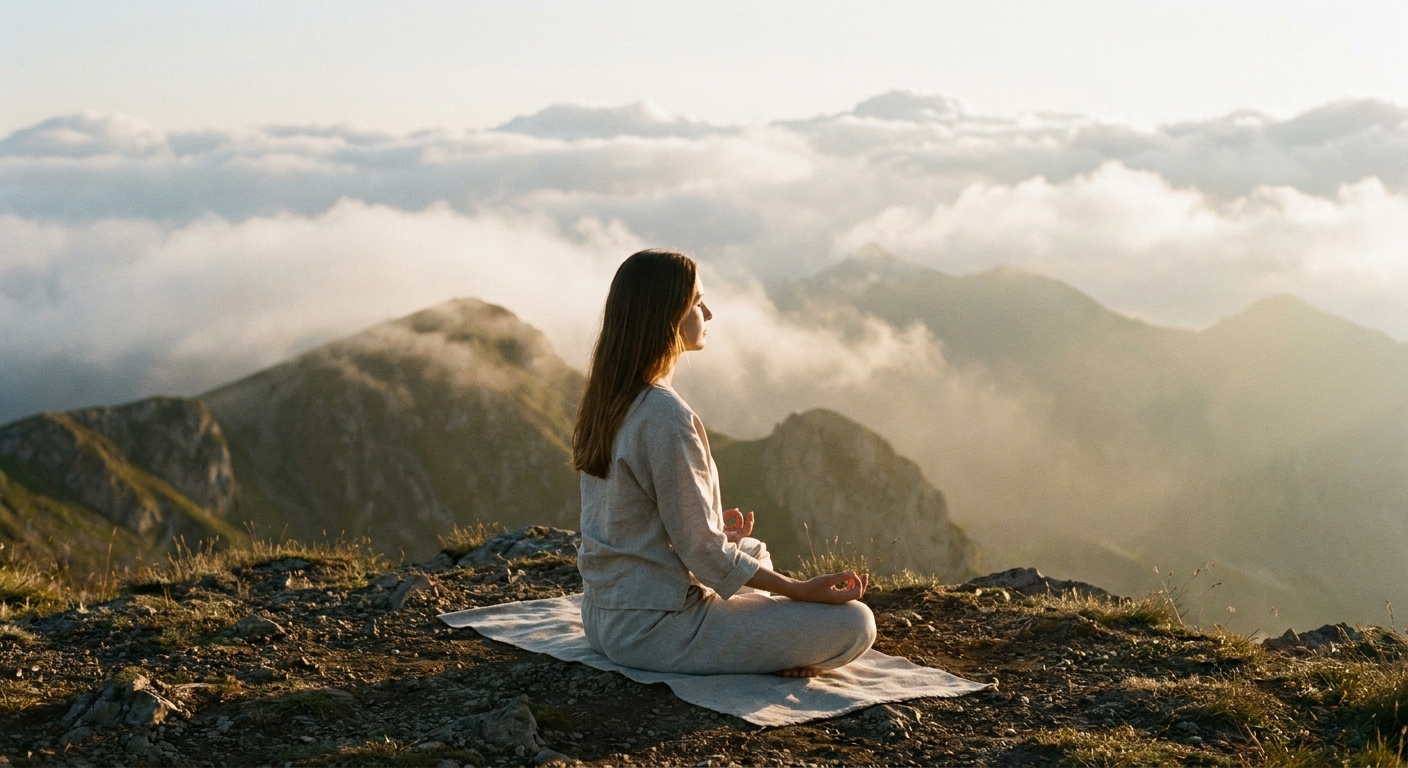
Discover why combining yoga and meditation transforms your well-being more than either practice alone — and how Vitalizen App makes it effortless.
Yoga and meditation are two ancient practices that, when woven together, create a powerful daily wellness ritual. Yoga uses physical postures (asanas) and breath control (pranayama) to strengthen and relax the body. Meditation trains the mind to cultivate focus, clarity, and emotional balance. Together, they form a complete mind-body system that science now confirms is more effective than either practice alone.
In a world that constantly demands your attention, finding a moment of stillness feels almost rebellious. Yet, the real secret to lasting wellness isn’t choosing between yoga or meditation. It’s understanding how they work together, like breath and movement, to create a ripple effect that touches every area of your life.
Whether you’re a complete beginner or someone who’s been rolling out their mat for years, this article will show you exactly why combining yoga and meditation is the missing piece in your wellness routine — and how Vitalizen App can help you build that habit in just minutes a day.
Why Isn’t Yoga Alone Enough? (And Why Meditation Alone Falls Short)
Here’s a truth that might surprise you: practicing yoga without meditation is like exercising without stretching. You get part of the benefit, but you leave the most transformative piece on the table.
Yoga prepares your body. It builds strength, improves flexibility, and releases physical tension stored in your muscles. Meditation, on the other hand, works on your mind. It calms the nervous system, rewires stress responses, and cultivates emotional resilience.
When you bring them together, something remarkable happens. The physical postures release the tension that makes it hard to sit still. The breathwork quiets the mental chatter. And the meditation deepens the sense of presence that transforms a workout into a whole-being experience.
Think of it this way: yoga opens the door, and meditation walks you through it.
What Does Science Say About Combining Yoga and Meditation?
Research from leading institutions shows that combining movement with mindfulness activates both the parasympathetic nervous system (your “rest and digest” mode) and the prefrontal cortex (your decision-making and emotional regulation center). This dual activation is what makes the combination so effective for:
- Reducing cortisol levels — the primary stress hormone that affects sleep, weight, and mood
- Improving heart rate variability (HRV) — a key marker of overall health and resilience
- Enhancing neuroplasticity — your brain’s ability to adapt, learn, and heal
- Boosting GABA production — the neurotransmitter that calms anxiety naturally
“A 2026 meta-analysis by the National Institutes of Health (NIH) found that participants who practiced both yoga and meditation for 8 weeks showed a 45% greater reduction in cortisol levels and a 38% improvement in sleep quality compared to those who practiced only one of the two.”
These findings underscore why an integrated approach isn’t just a nice-to-have — it’s a scientifically validated path to better health.
| Benefit | Yoga Alone | Meditation Alone | Combined Practice |
|---|---|---|---|
| Stress Reduction | Moderate | High | Very High |
| Flexibility & Strength | High | None | High |
| Mental Clarity | Low | High | Very High |
| Sleep Quality | Moderate | Moderate | High |
| Emotional Resilience | Low | High | Very High |
How Can You Build a Daily Yoga and Meditation Routine That Sticks?
Most people fail at building a wellness routine not because they lack discipline, but because they aim too high too fast. The key is consistency over intensity. Here’s a realistic framework you can start today:
- Start with 10 Minutes (Yes, That’s Enough). You don’t need an hour. Begin with 5 minutes of gentle yoga flow followed by 5 minutes of seated meditation. Even this short window creates a powerful anchor for your day.
- Anchor Your Practice to an Existing Habit. Link your yoga and meditation to something you already do daily — like your morning coffee or brushing your teeth. This technique, called habit stacking, dramatically increases your chances of sticking with it.
- Use Guided Sessions (Especially as a Beginner). Trying to figure out sequences and meditation techniques on your own is overwhelming. That’s exactly why guided sessions are so effective — they remove the guesswork and let you focus on the experience itself.
- Track Your Progress, Not Your Perfection. Missed a day? No problem. What matters is showing up again tomorrow. Progress isn’t a straight line — it’s a spiral where every return brings you deeper.
What Makes Vitalizen App Different?
There are plenty of wellness apps out there. But Vitalizen App was built with a specific philosophy: yoga and meditation belong together.
Unlike apps that separate these practices into isolated categories, Vitalizen seamlessly integrates them into cohesive daily sessions. Each practice is designed by certified instructors and mindfulness experts, combining:
- Adaptive yoga flows that adjust to your flexibility level
- Breath-guided meditation synced with movement
- Mood-based recommendations that match how you’re feeling right now
- Progress insights that show you how your consistency is improving your well-being
Whether you have 5 minutes or 50, Vitalizen meets you where you are — and gently guides you toward where you want to be.
How much does Vitalizen App cost? Vitalizen offers a free 7-day trial with full access. After that, plans start at $9.99/month, making it an affordable investment in your daily wellness. Compared to studio classes or separate meditation subscriptions, the integrated approach saves you both time and money.
What Real Transformations Have People Experienced?
Sarah, a 34-year-old marketing professional from Austin, started using Vitalizen after years of struggling with chronic stress and insomnia. “I had tried yoga classes and meditation apps separately,” she shares. “But nothing clicked until I found a practice that combined both. Within two weeks, I was sleeping through the night — for the first time in years.”
Then there’s Marcus, a 52-year-old software engineer who thought meditation “wasn’t for him.” After a friend recommended Vitalizen, he started with 7-minute sessions. Six months later, he’s reduced his blood pressure medication and says he feels “calmer than I have in decades.”
These aren’t exceptions. They’re examples of what happens when you give your body and mind the integrated care they’re designed for.
Success Case: Sarah’s 8-Week Transformation with Vitalizen
Initial Situation (Week 0):
- Average sleep: 4.5 hours/night (frequent awakenings)
- Perceived stress score (PSS): 28/40 (high)
- Weekly yoga/meditation: 0 sessions
After 8 Weeks of Daily Combined Practice:
- Average sleep: 7.2 hours/night (uninterrupted)
- Perceived stress score: 12/40 (low)
- Consistency: 54 out of 56 days completed
Data self-reported via Vitalizen App’s built-in wellness tracker. Results may vary.
What Are Common Questions About Yoga and Meditation?
Absolutely. Flexibility is a result of practice, not a requirement. Yoga adapts to your body — not the other way around. And meditation requires no physical flexibility at all. Start with beginner-friendly sessions that honor your current range of motion.
Most people notice improvements in sleep quality and stress levels within the first week. Deeper changes — like increased emotional resilience and physical strength — typically emerge after 4 to 6 weeks of consistent practice. The key is showing up, not rushing.
Yes. While Vitalizen is designed to welcome beginners, the adaptive flows and advanced meditation modules offer plenty of depth for experienced practitioners. You can adjust intensity, duration, and focus areas to match your level.
Not at all. A comfortable space and a few minutes of quiet are all you truly need. A yoga mat can be helpful but isn’t required — you can practice on any non-slip surface. Vitalizen’s sessions are designed to be accessible anywhere, anytime.
While Vitalizen is not a substitute for professional mental health care, numerous studies show that combined yoga and meditation practices significantly reduce symptoms of anxiety and mild depression. Many users report feeling noticeably calmer and more centered after just two weeks of regular use. Always consult a healthcare provider for clinical conditions.
The best time is whenever you can be consistent. Many prefer mornings to set a calm tone for the day, while others use an evening session to unwind. Vitalizen’s mood-based recommendations help you choose the right practice for any time of day.
You can practice anywhere — at home, in a park, or even at your office during a break. The portability of these practices means you can integrate them into your existing routine without needing a studio or special location.
Your Next Step: One Breath, One Movement, One Moment
The difference between where you are and where you want to be isn’t a massive life overhaul. It’s a single decision, repeated daily.
You don’t need to become a yoga master or a meditation monk. You just need to start — with one breath, one movement, one moment of presence.
Start your journey today with Vitalizen App and discover what it feels like when your body and mind finally work together. Your first session is waiting.
And if you have questions or want to share your experience, reach out to us anytime. We’re building a community of people who believe wellness isn’t a destination — it’s a daily practice.
Explore more articles, tips, and guidance on yoga and meditation on the Vitalizen Blog.