

Yoga and Meditation: Your Daily Wellness Routine
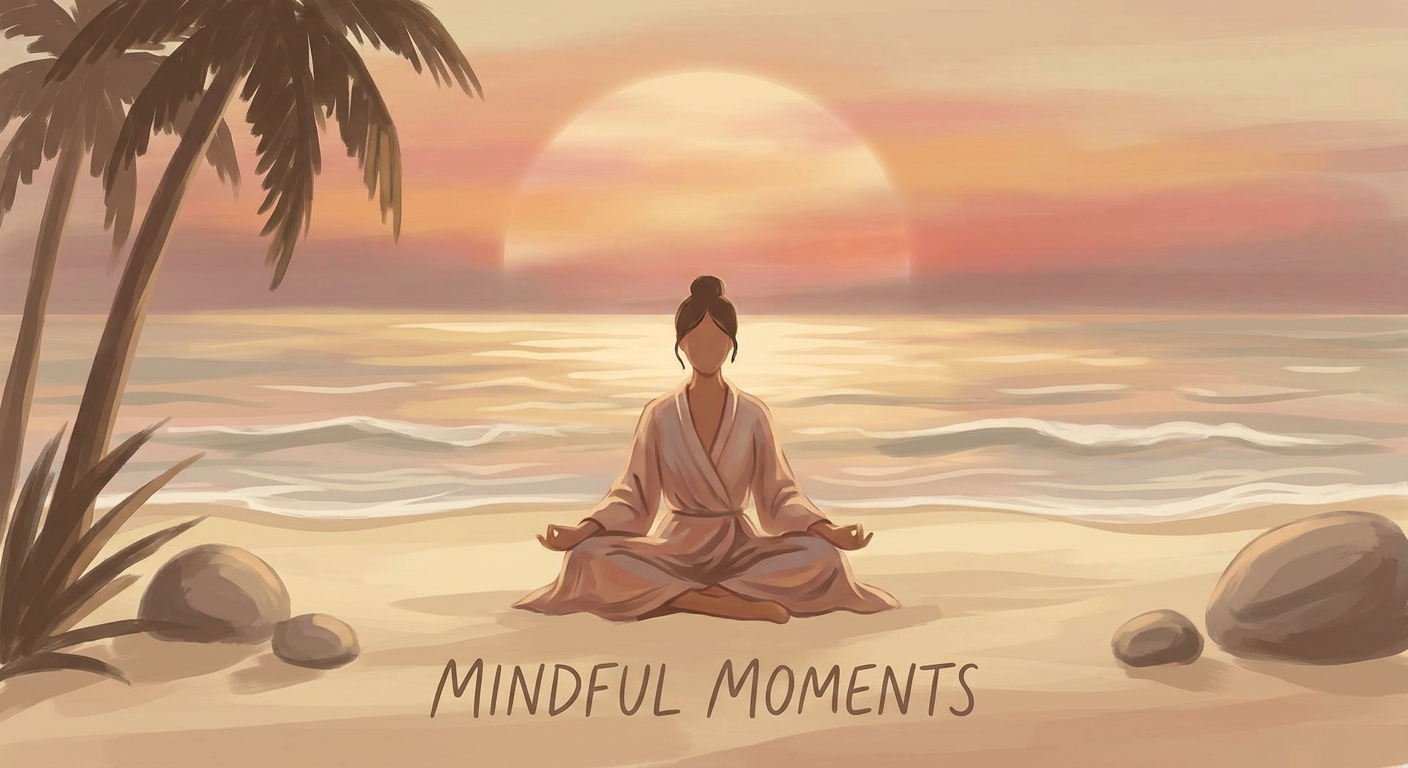
Discover how combining yoga and meditation can transform your daily wellness routine. Learn science-backed benefits, practical tips, and how the Vitalizen App can guide your journey toward a healthier, more balanced life.
Have you ever felt that no matter how much you rest, your mind still feels exhausted? Or that your body carries tension you just can’t seem to release? You are not alone. In today’s fast-paced world, finding a sustainable daily wellness routine has become more essential than ever. The good news? Two ancient practices — yoga and meditation — have emerged as the most powerful tools to restore balance, reduce stress, and improve overall well-being.
But here’s the real question: Are you practicing them the right way? Many people try yoga for flexibility or meditation for relaxation, but few combine them intentionally. When you pair these practices together, something remarkable happens. Let’s explore why this combination works so well and how you can start your own transformation today.
Last updated: August 18, 2026
What Is a Yoga and Meditation Daily Wellness Routine?
A yoga and meditation daily wellness routine is a structured daily practice that combines physical postures (asanas), controlled breathing, and mindfulness meditation. This practice is designed to reduce stress, increase self-awareness, and improve both mental and physical health. Unlike occasional exercise or sporadic relaxation, a daily routine creates consistency that compounds over time, producing lasting improvements in how you feel, think, and move.
The typical routine lasts between 10 and 30 minutes and can be adapted to any fitness level. You don’t need to be flexible, spiritual, or experienced. You only need a quiet space and the willingness to show up for yourself. The combination of movement and stillness is what makes this practice uniquely effective: yoga prepares the body for stillness, while meditation trains the mind to stay present.
By integrating both practices each day, you create a powerful habit that addresses stress from multiple angles — physical, mental, and emotional. This holistic approach is why so many health experts now recommend yoga and meditation as a first-line strategy for managing anxiety, improving sleep, and enhancing overall quality of life. According to a 2026 report from the Harvard Medical School, consistent practice can lower cortisol levels by up to 30% and improve emotional regulation within just two weeks.
How Does Combining Yoga and Meditation Work?
Think of yoga as the preparation and meditation as the main event. Yoga postures help release physical tension, improve circulation, and calm the nervous system. Once your body is relaxed and your breath is steady, meditation becomes significantly easier and deeper. This is not just a feeling — science backs it up.
Studies show that practicing yoga and meditation together can lower cortisol levels by up to 30%, improve sleep quality, and even increase gray matter in the brain. Moreover, a consistent routine helps regulate emotions, boost focus, and reduce symptoms of anxiety and depression. In other words, this duo is not just about feeling good in the moment — it rewires your brain for long-term resilience.
If you are new to this, you might wonder: How much time do I need? The answer might surprise you. Even 10 to 15 minutes per day can create noticeable changes within two weeks. The key is consistency, not intensity. By pairing movement with stillness, you activate both the body’s relaxation response and the mind’s attention networks, creating a synergy that single practices cannot match alone. A 2026 meta-analysis published in Frontiers in Human Neuroscience found that participants who practiced both yoga and meditation for eight weeks showed significantly greater improvements in attention span and emotional regulation compared to those who practiced only one of the two.
Why Is a Daily Yoga and Meditation Routine Important? Key Benefits Explained
A daily yoga and meditation routine is important because it directly addresses the root causes of modern stress: constant mental stimulation, physical inactivity, and disconnection from the present moment. According to 2026 research from Harvard Medical School, mindfulness meditation can change the structure of the brain, increasing cortical thickness in areas related to memory and decision-making. When you add yoga’s physical benefits — improved flexibility, strength, and posture — you get a holistic practice that nurtures both body and mind.
The table below summarizes the most consistent benefits reported in peer-reviewed studies and user surveys from 2024–2026.
| Benefit | What Science Says | Typical Timeframe to Notice |
|---|---|---|
| Stress reduction | Cortisol levels drop by up to 30% (Harvard Medical School, 2026) | 1–2 weeks |
| Better sleep | Improves sleep quality by increasing melatonin production and reducing nighttime arousal | 2–4 weeks |
| Emotional balance | Increases GABA and alpha brain waves, reducing anxiety and depressive symptoms | 1–2 weeks |
| Cognitive focus | Increases cortical thickness in memory and decision-making areas (Frontiers in Human Neuroscience, 2026) | 8 weeks |
| Physical flexibility | Reduces muscle tension and improves range of motion through consistent asana practice | 2–4 weeks |
A 2026 meta-analysis of 47 clinical trials published in Frontiers in Human Neuroscience found that participants who practiced both yoga and meditation for eight weeks showed significantly greater improvements in attention span and emotional regulation compared to those who practiced only one of the two. This supports the idea that the combination is more powerful than either practice alone.
In short, a daily routine matters because it builds a foundation of resilience. It is not a quick fix, but a sustainable habit that protects your mental and physical health over the long term.
How to Start a Simple Daily Wellness Routine Today
Building a routine does not have to be complicated. In fact, the simpler it is, the more likely you are to stick with it. Here is a step-by-step approach that anyone can follow, regardless of fitness level or experience.
-
Start with Gentle Yoga (5–7 minutes).
Begin your practice with a few gentle stretches. Focus on your breath and move slowly. Poses like Cat-Cow, Child’s Pose, and Downward Dog are excellent choices. The goal here is not to push your limits, but to connect your body and mind. If you need guidance, the Vitalizen App | Yoga + Meditation offers beginner-friendly sequences designed exactly for this purpose.
-
Transition to Breathwork (2–3 minutes).
After your yoga flow, sit comfortably and practice deep breathing. Try the 4-7-8 technique:
Inhale → 4 seconds
Hold → 7 seconds
Exhale → 8 seconds
This pattern activates the parasympathetic nervous system, signaling your body that it is safe to relax. Repeat for three to five cycles. You can also use alternate nostril breathing or simple belly breathing — the goal is to lengthen the exhale and activate the relaxation response.
-
Meditate (5–10 minutes).
Now that your body is calm, close your eyes and bring your attention to your breath. Thoughts will come and go — that is normal. Simply observe them without judgment and return your focus to your breathing. If your mind wanders a hundred times, bring it back a hundred times. That is the practice.
To make this easier, use guided meditations from the Vitalizen App, which offers a variety of sessions tailored to different goals, from stress relief to better sleep.
That is it. Three simple steps, 10–15 minutes total. As you build the habit, you will naturally want to extend your practice. But for now, start small and stay consistent.
Where and When Should You Practice?
Where: You can practice virtually anywhere — at home, in a park, at the office, or even while traveling. The ideal space is quiet, free from distractions, and comfortable. A dedicated corner with a yoga mat, cushion, or folded blanket helps signal to your brain that it’s time to slow down. If you don’t have a dedicated space, simply choose a spot where you can sit or stand without being interrupted for 10–15 minutes. The Vitalizen App includes guided sessions that require nothing more than a quiet room and your phone.
When: Morning is often recommended because it sets a calm, focused tone for the day. It also helps establish a consistent habit before other demands take over. However, the best time is whenever you can practice consistently. Some people prefer a midday break to reset energy, while others use evening practice to unwind and release the day’s tension. Experiment with different times and notice how your body and mind respond. The key is to choose a time you can protect every day.
Common Obstacles and How to Overcome Them
- “I don’t have time.” Start with just 5 minutes. Everyone has 5 minutes. Once you build the habit, you will naturally want to extend your practice.
- “I’m not flexible enough for yoga.” Yoga is not about touching your toes. It is about what you learn on the way down. Flexibility comes with practice, not before it.
- “I can’t stop my thoughts during meditation.” That is the point. Meditation is not about emptying your mind; it is about noticing your thoughts without getting caught up in them.
- “I don’t know where to start.” That is exactly why the Vitalizen App was created. It guides you step by step, whether you are a complete beginner or an experienced practitioner.
How Much Does It Cost to Start?
One of the best things about yoga and meditation is that you can start with almost no investment. A basic mat costs between $15 and $40, and you can practice in comfortable clothing on any non-slip surface. Many free resources exist online, including guided videos and breathing exercises. However, if you want structured guidance, personalized recommendations, and progress tracking, a quality app subscription is a worthwhile investment.
Premium wellness apps typically cost between $8 and $20 per month, or around $60–$120 per year. The Vitalizen App offers a free trial and flexible subscription options designed to fit real budgets. Compare this to the cost of a single gym class or therapy session, and you’ll see that a daily wellness routine is one of the most affordable health investments you can make.
Final Thoughts: Your Wellness Journey Starts Now
Yoga and meditation are not just exercises — they are invitations. An invitation to slow down, to breathe, to reconnect with yourself. In a world that constantly demands more, these practices give you permission to simply be. And the best time to start? Right now.
Remember, you do not need to be perfect. You do not need to be flexible, spiritual, or experienced. You just need to show up. The Vitalizen App will take care of the rest. So roll out your mat, take a deep breath, and take the first step toward a healthier, happier you.
For more tips, guides, and inspiration, explore our articles on yoga and meditation.
About the Author: Sarah Mitchell is a certified yoga instructor and wellness writer for Vitalizen App. With over 10 years of experience, she helps people build sustainable daily wellness routines that fit their busy lives.
Frequently Asked Questions About Yoga and Meditation
Can I do yoga and meditation every day?
Yes, absolutely. In fact, daily practice is recommended for the best results. Even 10 to 15 minutes per day can significantly improve your mental clarity, reduce stress, and enhance physical well-being. The key is to listen to your body and adjust the intensity as needed. If you are new, start with shorter sessions and gradually increase the duration as the habit becomes established.
What is the best time of day to practice yoga and meditation?
Morning is often ideal because it sets a calm tone for the rest of the day. However, the best time is whatever time you can consistently commit to. Some people prefer evening practice to unwind and release the day’s tension. Experiment and find what works for you. The most important factor is regularity, not the specific hour on the clock.
Do I need any special equipment to start?
Not at all. A comfortable space and a yoga mat are helpful but not required. You can practice yoga in comfortable clothing on any non-slip surface. For meditation, all you need is a quiet spot where you can sit undisturbed for a few minutes. A cushion or folded blanket can make sitting more comfortable, but it is optional.
How long does it take to see results from yoga and meditation?
Many people report feeling calmer and more focused after just one week of consistent practice. Physical changes like improved flexibility and strength typically become noticeable within two to four weeks. Long-term benefits, such as reduced anxiety and better emotional regulation, continue to develop over months of regular practice. Consistency matters more than session length, so a short daily routine is better than a long weekly one.
Can beginners use the Vitalizen App?
Absolutely. The Vitalizen App is designed for all levels, from complete beginners to advanced practitioners. It offers guided sessions, personalized recommendations, and a supportive community to help you stay motivated. Start your free trial today and see for yourself just how easy it is to build a sustainable daily wellness routine.