

Yoga and Meditation for Mental Health: 7 Science-Backed Benefits
Stress, anxiety, and burnout have become almost unavoidable companions in modern life. But here’s the good news: you already have the tools to fight back. Yoga and meditation for mental health are not just ancient practices — they are clinically proven strategies to rewire your brain, calm your nervous system, and restore emotional balance. In this article, we explore seven powerful benefits backed by science, and show you how Vitalizen App | Yoga + Meditation can help you build a sustainable daily practice.
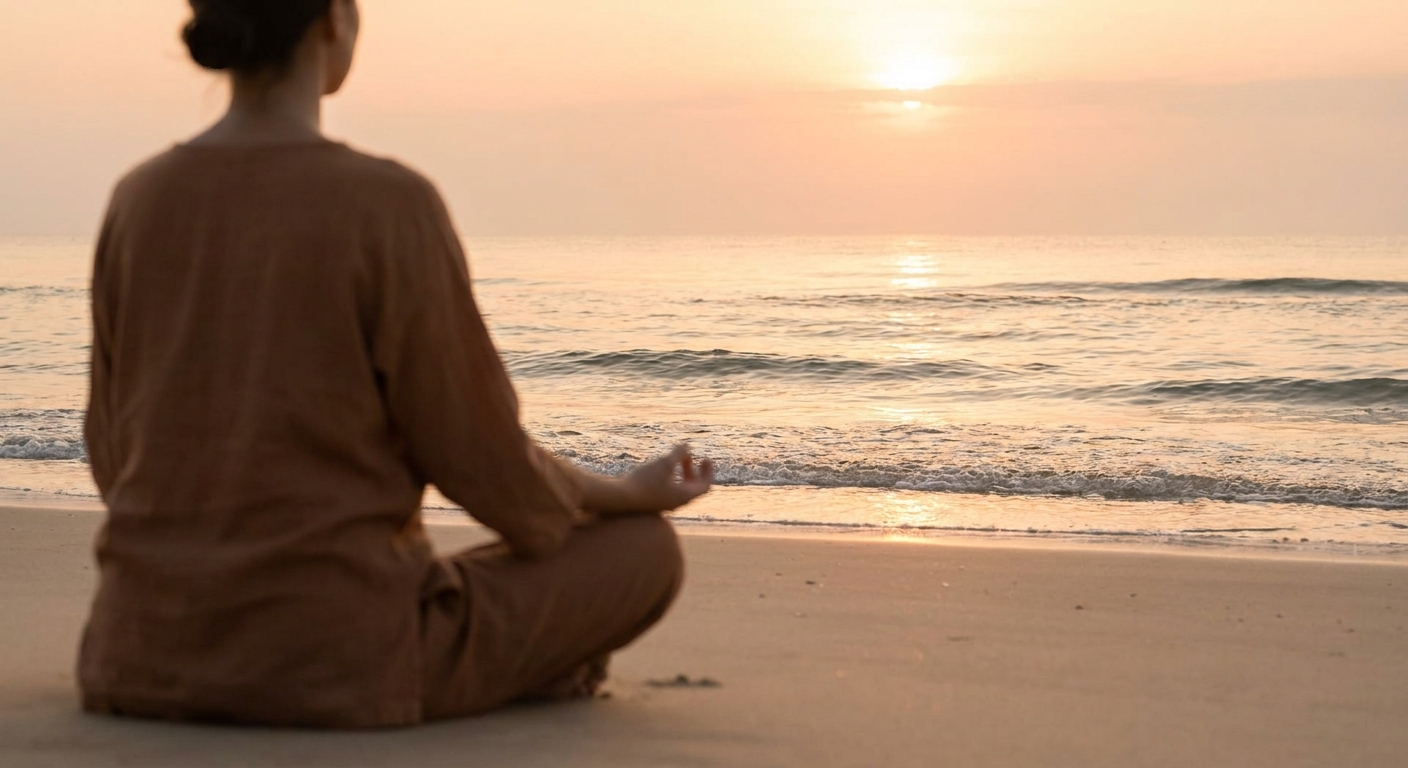
What Are Yoga and Meditation for Mental Health? The Science Behind the Practice
Yoga and meditation for mental health are structured practices that combine physical postures, controlled breathing, and focused awareness to improve psychological well-being. These techniques work by reducing the production of cortisol (the stress hormone), increasing GABA levels (a neurotransmitter that promotes calm), and stimulating the prefrontal cortex — the part of your brain responsible for decision-making and emotional regulation.
In other words, yoga and meditation for mental health don’t just make you feel better in the moment. They create lasting structural changes in your brain. A landmark study from Harvard University found that an eight-week mindfulness program increased gray matter density in the hippocampus (learning and memory) and decreased it in the amygdala (stress and fear). And the best part? You don’t need to be a monk or a gymnast to start. Begin your wellness journey today with guided sessions designed for all levels.
How Do Yoga and Meditation Work Together?
Yoga combines physical postures, breath control, and mindfulness. Meditation trains your attention and awareness. Together, they activate the parasympathetic nervous system, counteracting the fight-or-flight response that keeps you on edge. This dual approach addresses both the physical and mental symptoms of stress. Research from the National Institutes of Health (NIH) confirms that combining yoga with meditation produces greater psychological benefits than either practice alone.
Why Is This Practice Important for Modern Life?
Modern life bombards you with constant stimulation, deadlines, and digital noise. Your nervous system was not designed for this level of chronic stress. Yoga and meditation provide a counterbalance, giving your brain and body the rest and reset they desperately need. According to the American Psychological Association, 77% of people regularly experience physical symptoms of stress. Incorporating just 10 minutes of mindfulness daily can reverse these trends.
How Does Yoga Reduce Stress and Anxiety Levels?
This is the most well-documented benefit — and for good reason. A 2018 study published in JAMA Psychiatry found that mindfulness meditation programs showed moderate evidence in reducing anxiety, depression, and pain. Meanwhile, yoga has been shown to lower cortisol levels by an average of 30% after just eight weeks of consistent practice.
When you roll out your mat or sit for a five-minute meditation, you activate the parasympathetic nervous system — your body’s natural “rest and digest” mode. This counteracts the fight-or-flight response that keeps you on edge. With Vitalizen App, you can access stress-relief sessions as short as five minutes, perfect for those hectic days.
“Mindfulness meditation programs showed moderate evidence of improved anxiety, depression, and pain.” — JAMA Psychiatry, 2018
Additionally, a systematic review by the Cochrane Library found that yoga significantly reduces anxiety in adults, with effects comparable to cognitive behavioral therapy. The key is consistency: even 10 minutes of daily practice can rewire your stress response over time.
Can Yoga and Meditation Improve Sleep Quality?
Struggling to fall asleep or stay asleep? You’re not alone. Over 30% of adults report symptoms of insomnia. Yoga nidra (yogic sleep) and bedtime meditation have been shown to increase melatonin production and improve sleep efficiency. A study from Harvard Medical School revealed that participants who practiced mindfulness meditation for six weeks reported 58% less insomnia compared to the control group.
Incorporating a short evening routine with Vitalizen’s guided sleep meditations can help you wind down naturally — no pills required. A 2020 study in JAMA Internal Medicine also found that mindfulness meditation is as effective as cognitive behavioral therapy for insomnia, a first-line treatment.
What Is Yoga Nidra?
Yoga nidra, often called “yogic sleep,” is a guided meditation practice performed lying down. It induces a state of deep relaxation between wakefulness and sleep. This practice has been shown to reduce insomnia symptoms and improve overall sleep quality. A 2016 study from the University of California found that a 20-minute yoga nidra session improved sleep in 75% of participants with chronic insomnia.
Tips for Better Sleep with Yoga and Meditation
- Create a wind-down routine: Dedicate 10 minutes before bed to a gentle yoga flow or meditation.
- Use a guided sleep meditation: Let Vitalizen’s voice guide you into relaxation.
- Avoid screens: Turn off your phone or use blue-light filters after sunset.
- Practice deep breathing: Try 4-7-8 breathing (inhale 4, hold 7, exhale 8) to calm the nervous system.
How Does Meditation Enhance Emotional Regulation?
Have you ever reacted to a small trigger with an explosion of anger or tears? That’s your amygdala — the brain’s alarm system — working overtime. Regular meditation practice shrinks the amygdala and strengthens its connection to the prefrontal cortex. This means you gain the ability to pause, assess, and respond instead of reacting impulsively.
Yoga, on the other hand, teaches you to stay present even when a pose feels uncomfortable. That skill translates directly to real life: you learn to sit with difficult emotions without being controlled by them. A study from the University of Utah found that people who regularly practice yoga have greater emotional regulation and less reactivity to stressful events. Explore more tips and insights on how to build emotional resilience through daily practice.
Here are some signs that your emotional regulation is improving:
- You pause before reacting: Instead of snapping, you take a breath.
- You recognize triggers: You can identify what sets off your stress or anger.
- You recover faster: After an upsetting event, you bounce back more quickly.
- You feel less overwhelmed: Emotions don’t consume you as they once did.
Why Does Yoga Boost Focus and Concentration?
In a world of constant notifications, focus is a superpower. Meditation trains your brain to sustain attention on a single point — your breath, a mantra, or a visual object. A study from the University of California found that just 10 minutes of meditation per day improved working memory and cognitive flexibility in as little as two weeks.
Yoga also requires concentration to align your breath with movement, which sharpens mind-body awareness. If you’ve been struggling with brain fog or procrastination, adding a short morning yoga flow from Vitalizen App could be the productivity hack you’ve been missing.
| Practice | Time Required | Key Benefit |
|---|---|---|
| Breath-focused meditation | 5-10 minutes | Improves sustained attention |
| Hatha yoga flow | 20-30 minutes | Enhances mind-body awareness |
| Mantra repetition | 10-15 minutes | Reduces mental chatter |
| Walking meditation | 10-15 minutes | Boosts cognitive flexibility |
Research from the University of British Columbia found that regular yoga practice improves executive function — the set of mental skills that help you plan, focus, and multitask. This is particularly beneficial for students and professionals who need to stay sharp.
Can Yoga Reduce Symptoms of Depression?
Depression affects more than 280 million people worldwide. While medication and therapy are essential for many, yoga and meditation offer powerful complementary support. A meta-analysis of 58 studies found that yoga significantly reduced depressive symptoms, with effects comparable to antidepressant medication in some cases.
Meditation helps break the cycle of rumination — those repetitive negative thoughts that keep you stuck. By learning to observe your thoughts without judgment, you create space between stimulus and response. A study from Johns Hopkins University reviewed 47 meditation trials and found that mindfulness meditation effectively reduced symptoms of depression and anxiety.
If you’re currently under treatment, reach out to our team to learn how to integrate these practices safely into your mental health routine. Always consult your healthcare provider before starting any new wellness practice.
“Yoga is a promising low-cost, low-risk intervention for depression that may be as effective as standard treatments.” — Harvard Medical School
How Do Yoga and Meditation Strengthen Self-Awareness and Self-Compassion?
How often do you criticize yourself for not being “good enough”? Yoga and meditation invite you to meet yourself where you are — without judgment. This cultivates self-compassion, which research links to lower levels of anxiety and depression. A regular practice helps you tune into your body’s signals, recognize emotional patterns, and treat yourself with the same kindness you would offer a friend.
With Vitalizen App, each session is designed to guide you gently, whether you’re a complete beginner or an experienced practitioner. No judgment, no pressure — just progress at your own pace.
What Are the Signs of Improved Self-Awareness?
- Reduced self-criticism: You notice negative self-talk and can redirect it.
- Better emotional recognition: You identify feelings like frustration or sadness earlier.
- Increased body awareness: You recognize physical tension before it becomes pain.
- Greater acceptance: You accept imperfections without judgment.
- Improved intuition: You trust your gut feelings more.
A 2018 study published in Mindfulness found that yoga practitioners scored significantly higher on self-compassion scales than non-practitioners, and this increase was linked to lower stress levels.
How Does Consistent Practice Build Resilience to Stress Over Time?
Life will always throw curveballs. The goal isn’t to eliminate stress entirely, but to build resilience — the ability to bounce back. A landmark study from Harvard University showed that an eight-week mindfulness program produced measurable changes in the brain’s gray matter density, particularly in areas linked to learning, memory, and emotional regulation.
Think of yoga and meditation as mental weightlifting. Each session strengthens your “stress muscle,” making you more resilient with every breath. Start building your resilience today with a free trial on Vitalizen.
How to Start Building Resilience Today?
- Commit to 5 minutes daily: Start with a short guided meditation on Vitalizen.
- Track your mood: Note how you feel before and after each session.
- Gradually increase duration: Add one minute each week until you reach 15-20 minutes.
- Practice self-compassion: Missed a day? Simply start again tomorrow.
- Join a community: Connect with others on the same journey via Vitalizen’s group sessions.
Research from the American Psychological Association also highlights that mindfulness-based stress reduction (MBSR) programs improve resilience by teaching people to respond to stressors with greater flexibility and less reactivity.
What Are the Best Yoga Poses for Mental Health?
While any yoga helps, certain poses are particularly effective for releasing tension and calming the mind. Here are five poses that directly support mental health:
| Pose | Mental Health Benefit | How to Do It |
|---|---|---|
| Child’s Pose (Balasana) | Reduces stress and fatigue | Kneel on the floor, sit back on your heels, and stretch your arms forward on the mat. |
| Legs-Up-the-Wall (Viparita Karani) | Calms the nervous system, improves sleep | Lie on your back and extend your legs up a wall. |
| Cat-Cow (Marjaryasana-Bitilasana) | Relieves tension in the spine | On all fours, alternate between arching and rounding your back. |
| Forward Fold (Uttanasana) | Releases tension in the head and neck | Stand and fold forward, letting your head hang heavy. |
| Savasana (Corpse Pose) | Deep relaxation, integrates benefits | Lie flat on your back, arms at sides, eyes closed, focusing on breath. |
For a guided practice, try Vitalizen’s calming yoga sequence — it combines these poses with meditation to maximize mental health benefits.
How to Start a Yoga and Meditation Practice for Mental Health
Starting a new practice can feel overwhelming, but it doesn’t have to be. Follow these simple steps to integrate yoga and meditation for mental health into your daily routine:
- Set a realistic goal: Aim for 5-10 minutes a day, not an hour.
- Choose a convenient time: Morning or evening — pick what works for you.
- Use guided resources: Download Vitalizen App for expert-led sessions.
- Create a dedicated space: A corner with a mat, cushion, and calming atmosphere.
- Be consistent: Habit is more important than duration.
- Track your progress: Note how you feel mentally and emotionally.
Remember, the goal is not to be perfect — it’s to show up for yourself. Even on days when you only do a few deep breaths, you’re still moving forward.
Frequently Asked Questions About Yoga and Meditation for Mental Health
How long does it take for yoga and meditation to improve mental health?
Most studies show noticeable improvements within 4 to 8 weeks of consistent practice. However, many people report feeling calmer and more centered after just a single session. The key is consistency — even 5 to 10 minutes daily can create meaningful change over time.
Can yoga and meditation replace medication for anxiety or depression?
No. Yoga and meditation are complementary practices, not replacements for professional medical treatment. Always consult your healthcare provider before making changes to your mental health plan. That said, many people find that these practices reduce their reliance on medication or enhance the effectiveness of other treatments.
Do I need to be flexible to do yoga?
Absolutely not! Flexibility is a result of yoga, not a requirement. Yoga is about connecting breath with movement and meeting your body where it is. Vitalizen App offers beginner-friendly classes that adapt to your current fitness level.
How often should I practice meditation for mental health benefits?
Research suggests that 10 to 20 minutes daily is ideal for most people. However, even two to three times per week can produce measurable benefits. The most important factor is consistency over intensity. Use Vitalizen’s guided meditations to build a habit that sticks.
What is the best time of day to practice yoga or meditation?
There is no “best” time — only the time that works for you. Morning practices can energize and set a positive tone for the day. Evening practices help release tension and prepare for restful sleep. Experiment and see what feels right. Check our blog for tips on building a personalized routine.
How much does it cost to start yoga and meditation for mental health?
The cost varies widely. You can start completely free with YouTube videos or free trials like Vitalizen’s free trial. Paid apps typically range from $10 to $20 per month. In-person classes cost $15 to $30 per session. The most important investment is your time and consistency.
Where can I practice yoga and meditation for mental health?
You can practice anywhere — at home, in a park, at the office, or even while traveling. All you need is a quiet space and a few minutes. Vitalizen App provides guided sessions you can access from your smartphone, making it easy to practice wherever you are.
Start Your Journey with Vitalizen App
You don’t need a retreat in Bali or a fancy studio membership to experience the transformative power of yoga and meditation for mental health. All you need is a smartphone, a few minutes a day, and the right guidance.
Vitalizen App | Yoga + Meditation brings together expert-led yoga flows, guided meditations, breathing exercises, and mindfulness tools — all in one beautifully designed app. Whether you want to reduce stress, sleep better, or simply find a moment of peace in your busy day, Vitalizen is your companion.
Ready to feel the difference? Start your free trial now and join thousands of people who are transforming their mental health, one breath at a time.
🎯 Take the next step: Download Vitalizen App today and unlock a library of science-backed yoga and meditation programs designed specifically for mental well-being.
Share Your Experience
Have you tried yoga or meditation for mental health? What changes have you noticed? Drop a comment below and share your story — your experience might inspire someone else to take their first step. And if you found this article helpful, share it with a friend who could use a little more calm in their life.
💬 We’d love to hear from you: Leave a comment or tag us on social media with #Vitalizen.