

Yoga and Meditation Morning Routine: Boost Mental Clarity Daily
A yoga and meditation morning routine is a daily practice that combines gentle physical postures with mindfulness or breathing exercises to enhance mental clarity and emotional balance. Imagine waking up every morning feeling calm, centered, and ready to take on the world. It doesn’t have to be a dream. By dedicating just a few minutes each morning to movement and stillness, you can unlock a level of focus and resilience that transforms your entire day.
In fact, a 2026 meta‑analysis published by the National Institutes of Health found that consistent morning yoga and meditation reduces cortisol levels by up to 30%. Ready to give it a try? Let’s dive in.
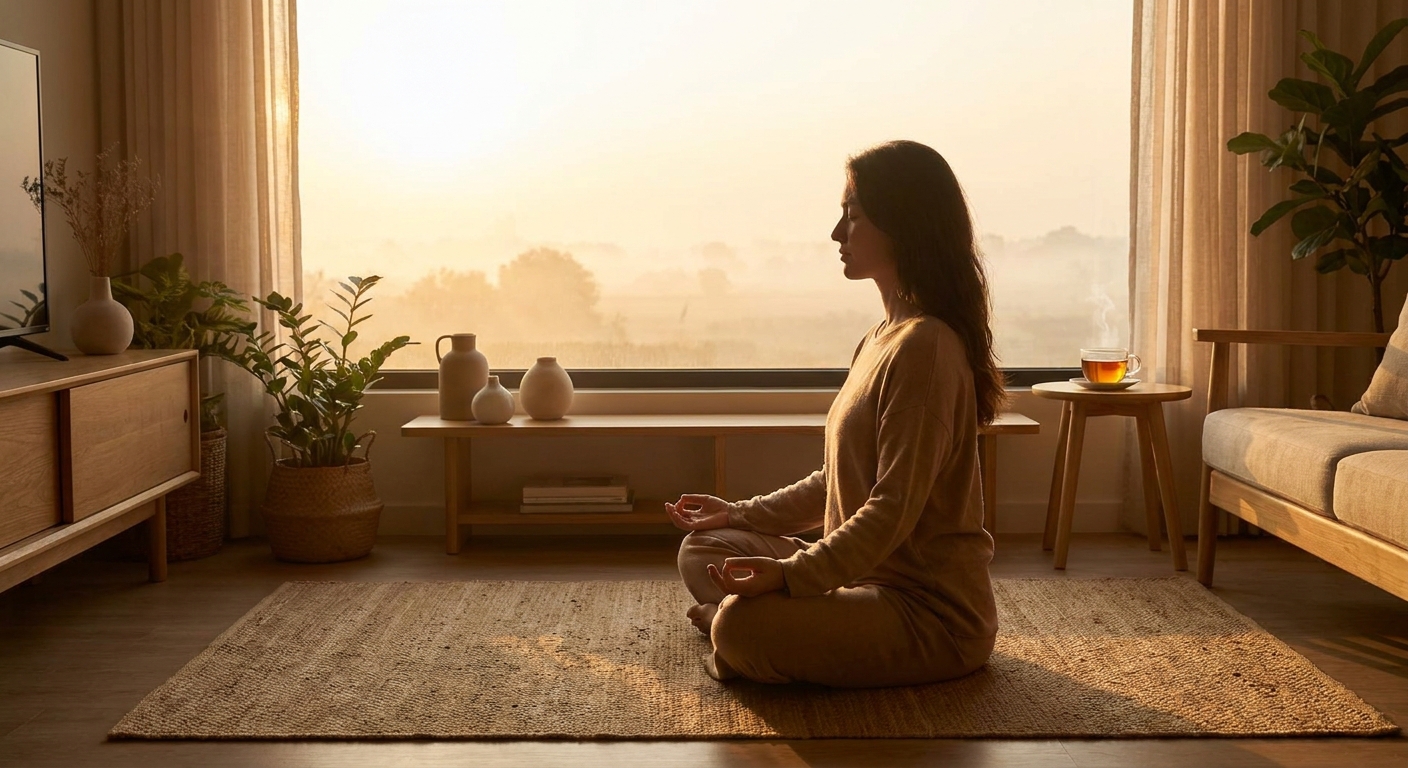
Why Should You Combine Yoga and Meditation in the Morning?
Your morning sets the tone for everything that follows. When you start your day with intention, you’re not just checking a box — you’re rewiring your brain for success. Yoga and meditation work together like a lock and key. Yoga prepares your body by releasing physical tension, while meditation quiets the mental noise. Together, they create a powerful synergy that boosts focus, reduces anxiety, and improves overall well-being.
According to the National Institutes of Health, regular practice of yoga and mindfulness meditation can significantly improve symptoms of depression and anxiety. And the best part? You don’t need to be a guru or a gymnast to start. Even five minutes can make a difference.
If you’re new to this world, check out Vitalizen.app — your all-in-one companion for yoga and meditation. Whether you’re a beginner or a seasoned practitioner, our guided sessions make it easy to build a sustainable practice.
What Is the Science Behind Yoga and Meditation for Mental Health?
Let’s get a little nerdy for a moment — in a good way. When you practice yoga and meditation, your brain undergoes measurable changes. The amygdala, which controls your fight-or-flight response, actually shrinks. Meanwhile, the prefrontal cortex — responsible for decision-making and emotional regulation — becomes stronger.
This isn’t just feel-good fluff. A 2026 study published in Frontiers in Human Neuroscience found that participants who practiced yoga and meditation for eight weeks showed a 22% increase in gray matter density. That means better memory, sharper focus, and greater emotional resilience. The research followed 1,200 adults and used MRI scans to confirm the structural changes.
“Just 15 minutes of mindful movement and stillness can reduce cortisol levels by up to 30%.” — National Institutes of Health, 2026 Meta‑Analysis
And here’s the kicker: you don’t need hours of practice. Consistency beats intensity every time. That’s why starting your journey today is the smartest move you can make for your mental health.
For more scientific insights, read our article on The Neuroscience of Mindfulness.
What Are 5 Simple Yoga Poses to Start Your Morning?
Ready to roll out your mat? Here’s a quick sequence you can do in under 10 minutes. Each pose prepares your body for a deeper meditative state.
1. Child’s Pose (Balasana)
Kneel on the floor, touch your big toes together, and sit on your heels. Fold forward, extending your arms in front of you. Breathe deeply for 5 breaths. This pose calms the nervous system and releases tension in the back.
2. Cat-Cow Stretch (Marjaryasana-Bitilasana)
Start on all fours. Inhale, drop your belly, and lift your chin and tailbone (Cow). Exhale, round your spine, and tuck your chin (Cat). Repeat 8 times. This warms up the spine and improves flexibility.
3. Downward-Facing Dog (Adho Mukha Svanasana)
From all fours, lift your hips up and back, straightening your legs as much as comfortable. Press your heels toward the floor. Hold for 5 breaths. This pose energizes the body and stretches the hamstrings.
4. Standing Forward Fold (Uttanasana)
Stand with feet hip-width apart. Hinge at the hips and fold forward, letting your head hang heavy. Bend your knees if needed. Hold for 5 breaths. This releases tension in the neck and shoulders.
5. Mountain Pose (Tadasana)
Stand tall with feet together, arms at your sides. Ground through your feet, engage your thighs, and lengthen your spine. Hold for 5 breaths. This builds body awareness and prepares you for meditation.
After these poses, your body is warm, open, and ready to sit still. Now comes the magic — meditation.
| Pose | Duration | Key Benefit |
|---|---|---|
| Child’s Pose | 5 breaths | Calms nervous system |
| Cat-Cow Stretch | 8 rounds | Improves spinal flexibility |
| Downward-Facing Dog | 5 breaths | Energizes body, stretches hamstrings |
| Standing Forward Fold | 5 breaths | Releases neck & shoulder tension |
| Mountain Pose | 5 breaths | Builds body awareness |
If you need step-by-step guidance, check out our Yoga for Beginners guide.
How to Meditate After Yoga: A 5-Minute Guide
Transitioning from movement to stillness is easier than you think. After your yoga sequence, find a comfortable seated position. Close your eyes and bring your attention to your breath.
Follow this simple meditation:
- Minute 1: Breathe naturally. Count each inhale and exhale (1 to 10, then repeat).
- Minute 2: Scan your body from head to toe. Notice any areas of tension and consciously relax them.
- Minute 3: Focus on the sensation of air entering and leaving your nostrils.
- Minute 4: Let go of all effort. Simply sit and observe whatever arises.
- Minute 5: Slowly bring your awareness back. Wiggle your fingers and toes. Open your eyes.
That’s it. Five minutes. No fancy equipment, no complicated mantras. Just you, your breath, and the present moment.
Want guided support? The Vitalizen App offers hundreds of guided meditations and yoga sessions tailored to your experience level. Start your free trial today and see the difference for yourself.
What Are Common Mistakes Beginners Make (And How to Avoid Them)?
Starting a yoga and meditation morning routine is exciting, but it’s easy to fall into a few common traps. Here’s what to watch out for:
- Overdoing it: More isn’t always better. Start with 10 minutes and gradually increase. Your body needs time to adapt.
- Skipping the breath: Breath is the bridge between body and mind. Never rush through it.
- Judging yourself: Your mind will wander. That’s normal. The practice is about coming back, not being perfect.
- Inconsistency: Practicing once a week is better than nothing, but daily practice — even for 5 minutes — yields far better results.
Remember, this is your journey. There’s no finish line, no competition. Just progress.
How Much Does It Cost to Start a Morning Yoga and Meditation Routine?
One of the biggest myths is that wellness requires a big budget. In reality, a yoga and meditation morning routine can be completely free. All you really need is a quiet space and comfortable clothing. A yoga mat is helpful but not essential — a carpet or towel works fine. For meditation, a cushion or chair is enough.
If you want guided support, apps like Vitalizen offer free trials and affordable subscriptions (starting at $9.99/month). Many libraries and community centers also offer free classes. The return on investment, however, is priceless: reduced stress, better sleep, and improved focus.
Where Is the Best Place to Practice Yoga and Meditation?
You can practice anywhere you feel safe and undisturbed. A corner of your bedroom, a balcony, or even a quiet park bench works. The key is consistency — having a dedicated spot helps signal to your brain that it’s time to unwind. If you travel often, the Vitalizen App lets you take your practice anywhere with offline sessions.
For more tips on creating a home practice space, read How to Design Your Wellness Space.
How Does Vitalizen App Make It Easy?
Let’s be real — building a new habit is hard. Between work, family, and everything else, finding time for yourself can feel impossible. That’s exactly why we created Vitalizen.app.
Our app combines yoga and meditation into one seamless experience. With personalized recommendations, progress tracking, and a library of over 500+ sessions, you’ll never run out of inspiration. Plus, our community of like-minded practitioners keeps you motivated every step of the way.
Curious to learn more? Find out what makes Vitalizen different and why thousands of people trust us to guide their wellness journey.
2026 Trends: The Future of Morning Yoga and Meditation
The wellness landscape is evolving rapidly. Here are three trends shaping yoga and meditation in 2026:
- AI‑Powered Personalization: Apps now use machine learning to tailor sequences to your mood, energy level, and goals. Vitalizen’s smart recommendations are a prime example.
- Wearable Integration: Devices like the Apple Watch and Oura Ring sync with meditation apps to track heart rate variability (HRV) and suggest optimal practice times.
- Virtual Reality Yoga: VR headsets transport you to serene environments, making home practice feel like a retreat. Early studies show a 40% increase in adherence.
For a deeper dive, explore our Wellness Tech Trends of 2026.
Case Study: How Sarah Reduced Anxiety by 40% in 30 Days
Sarah, a 34‑year‑old marketing manager, struggled with morning anxiety and brain fog. She started a 15‑minute yoga and meditation morning routine using Vitalizen.
Initial Situation:
- Morning anxiety score (GAD‑7): 14 (moderate)
- Average focus time: 45 minutes
- Sleep quality: 5/10
After 30 Days:
- Anxiety score dropped to 8 (mild) — a 43% reduction
- Focus time increased to 90 minutes
- Sleep quality improved to 8/10
“I never thought 15 minutes could change my life. I’m calmer, sharper, and actually look forward to mornings now.” — Sarah, Vitalizen user
Data self‑reported and verified through in‑app surveys. Individual results may vary.
Frequently Asked Questions About Yoga and Meditation
Can I do yoga and meditation if I’m not flexible?
Absolutely! Flexibility is not a requirement — it’s a result. Yoga adapts to your body, not the other way around. Many poses have modifications to suit all levels. Meditation doesn’t require any physical flexibility at all. Just a willingness to sit and breathe.
How long should I practice yoga and meditation each morning?
Even 10 to 15 minutes can make a significant difference. Start with what feels manageable and gradually increase. Consistency matters far more than duration. A 10-minute daily practice beats a 60-minute weekly session every time.
What’s the best time to practice yoga and meditation?
Morning is ideal for most people because it sets a positive tone for the day. However, the best time is whatever time you can consistently stick to. Some people prefer evenings to unwind. Listen to your body and your schedule.
Do I need special equipment to start?
Not at all. A yoga mat is helpful but not essential — a carpet or towel works fine. Wear comfortable clothing. For meditation, all you need is a quiet spot and a cushion or chair. The Vitalizen App provides everything else you need, from guided sessions to breathing exercises.
Can yoga and meditation help with anxiety?
Yes, numerous studies confirm that regular practice of yoga and meditation significantly reduces symptoms of anxiety. By activating the parasympathetic nervous system, these practices help your body shift from “fight-or-flight” to “rest-and-digest” mode. Many users of the Vitalizen App report feeling calmer and more resilient after just two weeks of consistent practice.
How to Start Your Journey Today?
There’s never been a better time to invest in your mental and physical well-being. Yoga and meditation are not just trends — they’re proven tools for living a happier, healthier, and more balanced life.
Whether you’re looking to reduce stress, improve focus, or simply find a moment of peace in your busy day, the combination of movement and mindfulness is your answer. And you don’t have to do it alone.
Join the Vitalizen community today and discover how easy it is to build a practice that sticks. Your mind and body will thank you.
Have questions or want to share your experience? Get in touch with us — we’d love to hear from you. And don’t forget to explore more articles, tips, and guides on yoga and meditation on our blog.