

Yoga & Meditation: Your Path to Inner Peace and Wellness
Discover how yoga and meditation can transform your mental health, reduce stress, and bring balance to your daily life. Begin your wellness journey today with expert guidance and proven techniques.
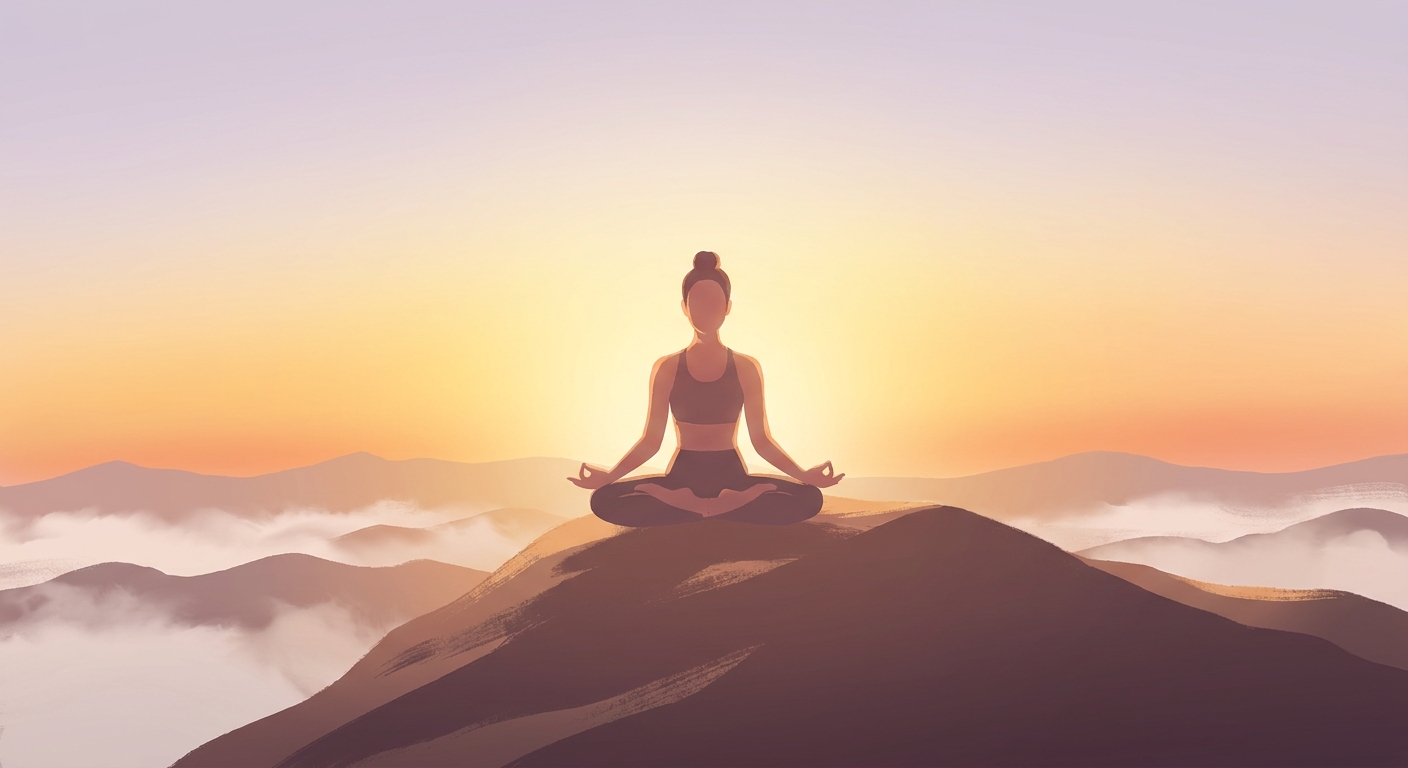
Yoga and meditation are mind-body practices that combine physical postures, breath control, and mindfulness to reduce stress, improve mental health, and cultivate inner peace. Yoga focuses on movement and alignment, while meditation trains attention and emotional regulation. Together, they create a powerful wellness toolkit for anyone, regardless of age, fitness, or schedule.
Updated:
Life moves fast. Between work, family, and constant notifications, peace can feel out of reach. Yet these ancient practices have never been more relevant. Combining yoga and meditation can transform your mental health, reduce stress, and unlock deep inner peace.
A 2026 report from the American Psychological Association found that 78% of adults who practiced yoga and meditation weekly reported lower stress levels within eight weeks. The best part? You don’t need a fancy studio or hours of time. With the Vitalizen App | Yoga + Meditation, your wellness journey starts right where you are.
Let’s explore how integrating yoga and meditation into your routine can change your life — and how to begin today.
Key Takeaways
- Direct answer: Yoga and meditation reduce stress, improve focus, and promote emotional balance.
- Science-backed: Regular practice lowers cortisol by up to 30% and improves sleep within weeks.
- Beginner-friendly: A daily 10‑minute routine is enough to see real benefits.
- No equipment needed: Just comfortable clothing and a small space to move.
- App support: Vitalizen offers guided sessions for every level and schedule.
What Is Yoga and Meditation?
Yoga is a 5,000‑year‑old Indian discipline combining postures (asanas), breath control (pranayama), and meditation. Modern yoga emphasizes physical postures, but its deeper goal is to prepare the body for seated meditation.
Meditation trains focused attention and awareness. It can be done sitting, lying, or walking. The aim is not to empty the mind, but to observe thoughts without judgment and return to a point of focus — often the breath. When combined, yoga first releases physical tension, then meditation settles the mind.
According to the National Center for Complementary and Integrative Health, over 36 million U.S. adults practice yoga and meditation regularly.
Why Yoga and Meditation Matter for Your Well‑Being
In today’s high‑stress world, your nervous system often stays in “fight or flight.” Yoga and meditation activate the “rest and digest” response, lowering blood pressure, improving digestion, and boosting immune function.
Beyond physical health, these practices build emotional resilience. You learn to pause before reacting, observe thoughts without being controlled by them, and find calm even in difficulty. The result is greater control and a deeper connection to yourself.
A 2026 report from the American Psychological Association states that mindfulness practices reduce anxiety and depression symptoms by 30‑40% in clinical populations. That’s a powerful, evidence‑based reason to start.
The science‑backed benefits of a regular yoga and meditation practice include:
- Stress reduction — lowers cortisol, activates parasympathetic nervous system.
- Improved focus — strengthens prefrontal cortex for concentration and decisions.
- Better sleep — yoga releases tension; meditation quiets racing thoughts.
- Emotional balance — fewer mood swings, less reactivity, greater well‑being.
- Physical flexibility and strength — improves mobility, posture, core strength.
- Lower blood pressure — promotes relaxation, reduces heart strain.
- Reduced anxiety and depression symptoms — can be as effective as medication for mild to moderate cases.
- Enhanced self‑awareness — attuned to body signals and emotional patterns.
| Practice | Primary Focus | Key Benefits | Typical Time |
|---|---|---|---|
| Yoga | Physical postures, breath | Flexibility, strength, pain relief | 15‑60 min |
| Meditation | Attention, awareness | Reduced anxiety, focus, sleep | 5‑30 min |
| Combined | Movement into mindfulness | Synergistic stress relief, resilience, whole‑body wellness | 10‑60 min |
These benefits are available to anyone. With the guided programs on Vitalizen, you get expert instruction tailored to your needs — whether you have five minutes or an hour.
Costs and Accessibility
Starting yoga and meditation can be free to about $30/month:
- Free videos on YouTube — good for beginners, but no personal guidance.
- Community classes — $10‑20 drop‑in, often with first‑free deals.
- Premium apps like Vitalizen — $10‑30/month for structured programs and progress tracking.
- Private instruction — $60‑150/session for specific needs.
A blended approach works best: start free, then invest in an app like Vitalizen for consistency and expertise. The return — less stress, better sleep, improved mental health — is priceless.
Where and When to Practice Yoga and Meditation
You can practice almost anywhere: at home, in a studio, outdoors, or at your desk. Choose a quiet, distraction‑free space. If you travel, the Vitalizen app supports offline mode so you never miss a session.
As for timing, morning practice sets a calm tone for the day; evening practice helps unwind for better sleep. Consistency matters more than the hour. A daily five‑minute practice at the same time is better than a weekly hour.
How to Start a Simple 10‑Minute Routine
- Gentle Stretch (3 minutes) — Sit comfortably, roll shoulders, tilt neck, twist torso. Release tension.
- Cat‑Cow Flow (2 minutes) — On all fours, inhale drop belly, exhale round spine. Sync with breath.
- Seated Forward Fold (2 minutes) — Sit with legs extended, fold forward from hips. Hold and breathe.
- Guided Meditation (3 minutes) — Lie or sit, focus on natural breath. When mind wanders, return gently. Use a Vitalizen guided meditation for support.
Repeat daily for one week. Then add two minutes per segment. Consistency builds a sustainable practice.
Overcoming Common Obstacles
“I’m not flexible enough.” “I can’t stop my thoughts.” “I have no time.” These are myths.
- Flexibility is not a requirement — it builds over time.
- Meditation is not about emptying your mind, but noticing and returning.
- Time — five minutes of conscious breathing resets your nervous system.
At Vitalizen, we meet you where you are. Sessions range from 5‑minute resets to 60‑minute deep dives. No judgment, only support.
Want to learn more about our approach? Visit our about page.
Real Transformations with Vitalizen
“After two weeks of daily yoga and meditation, my anxiety dropped significantly. I sleep through the night now.”
— Sarah M., Vitalizen user since 2023
“As a busy parent, I thought I had no time. The 10‑minute sessions changed everything. I’m calmer with my family.”
— David R., Vitalizen user since 2024
These stories are the norm. When you care for your mind and body, everything shifts. Join the Vitalizen community and start your own transformation.
Frequently Asked Questions
Your Next Step: Begin Today
The path to inner peace and wellness starts with a single breath, a single pose, a single moment of presence. Whether you want to reduce stress, improve mental health, or find quiet in a busy world, yoga and meditation offer a proven, accessible way forward.
At Vitalizen App | Yoga + Meditation, we support your journey at every step. No judgment. No pressure. Just guidance, community, and the tools to thrive.
Start Your Wellness Journey Now
Have questions? Contact the Vitalizen team anytime.
Explore more on our yoga and meditation blog for tips, practices, and inspiration.
Disclaimer: This article is for informational purposes only and does not constitute medical advice. Always consult a qualified healthcare professional before starting any new exercise or wellness program, especially if you have pre‑existing conditions or injuries.