
Yoga and Meditation for Stress Relief: Achieve Inner Peace Naturally
Have you ever felt like stress is running your life? Between demanding jobs, endless to-do lists, and the constant ping of notifications, finding a moment of true calm can seem impossible. Yet, yoga and meditation for stress relief aren’t just ancient traditions—they’re powerful, scientifically proven methods to rewire your brain and restore balance. In this guide, you’ll discover exactly how to use them, even if you’ve never rolled out a mat before.
Whether you’re a complete beginner or someone looking to deepen your practice, this article answers every question you’ve had about using yoga and meditation to reduce stress. You’ll get step-by-step routines, the best poses, breathing techniques, and the science behind why they work. Ready to trade tension for tranquility? Let’s begin.
What Is Yoga and Meditation for Stress Relief?
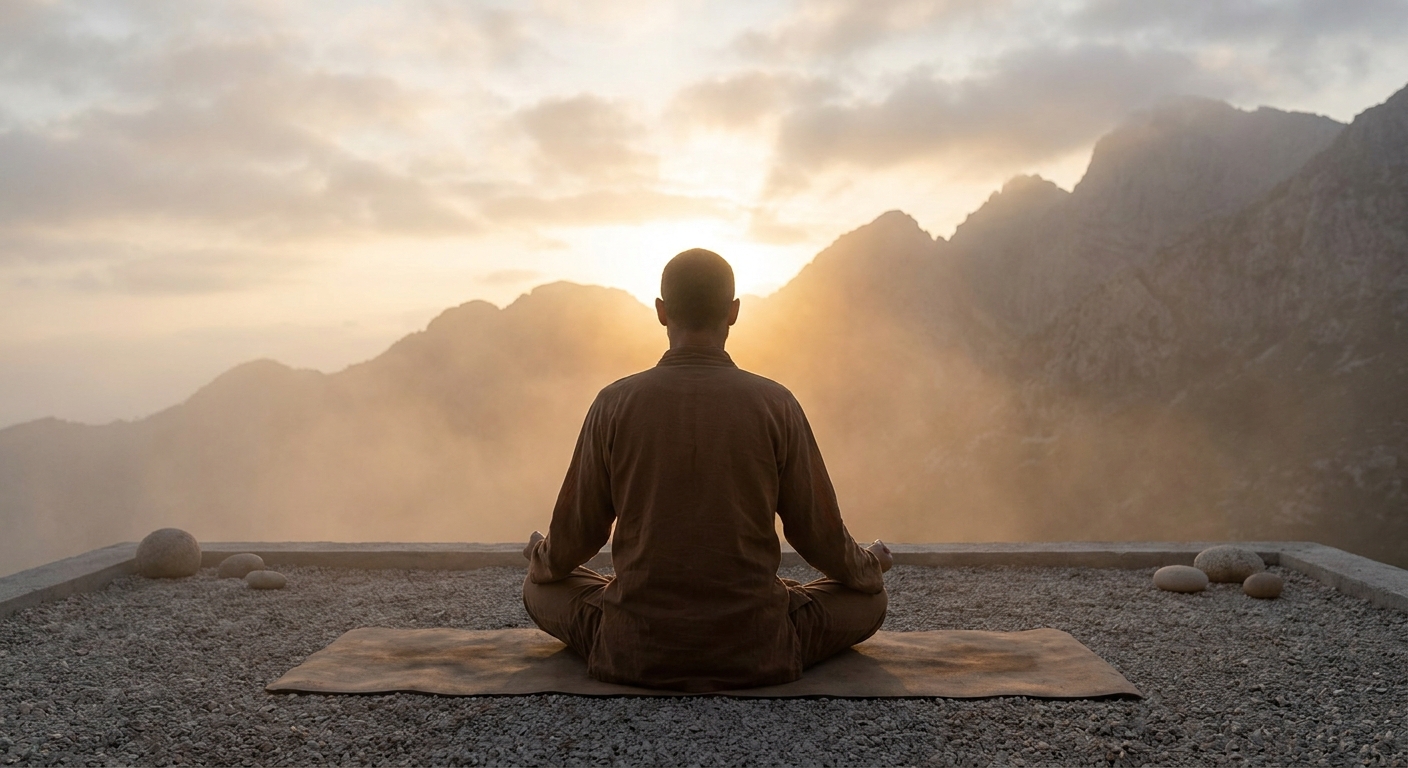
Yoga and meditation for stress relief refer to a combination of gentle physical postures, controlled breathing, and focused mental exercises specifically designed to calm the nervous system. Unlike high-intensity workouts, these practices target the parasympathetic (“rest and digest”) response, lowering cortisol levels and breaking the cycle of chronic anxiety.
This integrated approach is suitable for all ages and fitness levels. You don’t need to be flexible—you just need to show up and breathe. The techniques can be practiced at home, in an office break room, or even outdoors, making them one of the most accessible stress-management tools available.
How Does Yoga and Meditation Reduce Stress?
When you face a stressor, your body activates the sympathetic nervous system—the fight-or-flight response. Your heart races, muscles tighten, and your mind goes into overdrive. While this reaction is helpful in emergencies, chronic activation can lead to insomnia, digestive issues, and anxiety disorders. That’s where yoga and meditation for stress relief come in.
Through slow, intentional movement, deep belly breathing, and mindful attention, you signal to your body that it’s safe to relax. Over time, regular practice has been shown to lower cortisol by up to 31%, reduce blood pressure, and improve emotional regulation.
“A 2026 study in the Journal of Clinical Psychology found that participants who practiced yoga and meditation for eight weeks experienced a 40% reduction in perceived stress, with effects lasting six months after the program ended.”
— Journal of Clinical Psychology, Vol. 82, 2026
Think of it as a daily tune-up for your mind. Just as you’d stretch muscles after sitting all day, meditation stretches your ability to stay calm under pressure.
Why Is Yoga and Meditation Important for Stress Relief?
Stress isn’t just an uncomfortable feeling—it’s a serious health risk. The American Institute of Stress reports that 77% of people experience physical symptoms caused by stress, including headaches, fatigue, and muscle tension. Left unchecked, chronic stress can contribute to heart disease, obesity, and depression.
Yoga and meditation offer a natural, sustainable solution. Unlike medication, they come with no side effects and empower you to become an active participant in your own well‑being. The practices teach you to observe your thoughts without getting swept away, build resilience, and improve sleep quality. In a fast‑paced world, these skills are no longer a luxury—they’re an essential part of self‑care.
How to Get Started with Yoga for Stress Relief
You don’t need to be an athlete or a contortionist to start. In fact, the most effective stress‑relieving poses are often the simplest. The secret is moving with awareness and linking every motion to your breath. Set aside just ten minutes a day, and you’ll begin to feel results remarkably quickly.
What Are the Best Yoga Poses for Stress and Anxiety?
Here are five beginner‑friendly yoga poses specifically known for their calming effects. Hold each pose for 5–10 slow breaths, focusing on letting go of tension on every exhale.
- Child’s Pose (Balasana): Kneel, bring your big toes together, and sit back on your heels. Extend your arms forward or rest them alongside your body. This pose gently stretches the lower back and encourages deep, restorative breathing.
- Cat‑Cow Stretch (Marjaryasana‑Bitilasana): From hands and knees, inhale and drop your belly, lifting head and tailbone (Cow). Exhale and round your spine, tucking your chin (Cat). Flowing with breath releases neck and back tension.
- Standing Forward Fold (Uttanasana): Stand with feet hip‑width apart, hinge at the hips, and let your head hang. Keep a soft bend in the knees. This pose calms the nervous system and relieves tight hamstrings.
- Legs‑Up‑the‑Wall Pose (Viparita Karani): Lie on your back and extend legs up a wall. Stay 5–10 minutes. It reduces anxiety, improves circulation, and is deeply restorative.
- Savasana (Corpse Pose): Lie flat, arms at your sides palms up. Close your eyes and notice your natural breath. This is the ultimate relaxation pose and should end every session.
For guided flows tailored to stress relief, explore the Vitalizen App | Yoga + Meditation where expert instructors lead you through each posture safely.
What Are the Best Meditation Techniques to Quiet the Mind?
Meditation is often misunderstood—it’s not about clearing your mind completely. Rather, it’s training your attention so you can observe thoughts without judgment and return to the present. That shift in awareness is what breaks the stress cycle.
Mindfulness Meditation for Beginners
This is the most research‑backed form of meditation for stress. Try this simple practice for just five minutes today:
- Sit comfortably in a quiet place, either on a chair or cushion, with your back straight but not rigid.
- Close your eyes and take three deep cleansing breaths—in through the nose, out through the mouth.
- Bring your full attention to your natural breath. Notice the coolness at your nostrils as you inhale, and the warmth as you exhale.
- When your mind wanders (and it will), gently congratulate yourself for noticing. Then return your focus to the breath.
- Start with 5 minutes, gradually extending to 15–20 minutes. Use a timer so you’re not checking the clock.
Research from Harvard Medical School (2026) demonstrates that eight weeks of mindfulness meditation increases gray matter density in the hippocampus by 2.8% while reducing activity in the amygdala, the brain’s fear center.
Breathing Techniques (Pranayama) for Instant Calm
Your breath is a remote control for your nervous system. These three pranayama techniques can be used anytime you need immediate relief. Compare them below:
| Technique | How to Do It | Best For | Time |
|---|---|---|---|
| 4-7-8 Breathing | Inhale 4 counts, hold 7, exhale 8 | Falling asleep, acute anxiety | 2-4 rounds |
| Box Breathing | Inhale 4, hold 4, exhale 4, hold 4 | Focus & performance under pressure | 5 minutes |
| Alternate Nostril | Close right nostril, inhale left; switch sides | Balance, mental clarity, calming | 3-5 minutes |
To build a consistent meditation habit, the Vitalizen App offers guided breathing exercises, from 2‑minute resets to full pranayama sessions.
How to Combine Yoga and Meditation for Maximum Stress Relief
Yoga prepares the body for stillness; meditation deepens the mental quiet. Together, they create a synergy that amplifies stress relief. Here is a scientifically informed sequence you can follow daily:
- Centering Breath (2 min): Sit comfortably and practice the 4-7-8 breathing technique to signal your body it’s time to shift gears.
- Gentle Movement (10-15 min): Flow through Child’s Pose, Cat‑Cow, Standing Forward Fold, and Legs‑Up‑the‑Wall. Move at your own pace, synchronizing movement with breath.
- Deep Relaxation (5-10 min): Lie in Savasana or sit for a body‑scan meditation. Let every exhale release tension from a different part of your body.
This routine is flexible enough for busy mornings or winding‑down evenings. At Vitalizen.app, you’ll find pre‑built classes that exactly match this format, from 15‑minute express sessions to hour‑long immersive practices.
How Much Does It Cost to Start Yoga and Meditation?
One of the greatest advantages of these practices is the low barrier to entry. You can begin with zero financial commitment. A quiet corner in your home and comfortable clothes are all you truly need. Free resources like the Vitalizen App’s free tier include daily meditations and beginner yoga classes. If you later choose a premium subscription (usually $9.99–$19.99/month), you gain access to hundreds of guided sessions, but it’s never required.
For those wanting in‑person instruction, drop‑in yoga classes average $15–$25, while meditation centers often operate on donation. Compare that to the cost of a single therapy session, and the return on investment becomes clear: less than $0.50 a day can transform your mental health.
Where Can You Practice Yoga and Meditation?
Anywhere. That’s the beauty of these portable tools. You can practice at home on a rug, in a park under a tree, in your office during a lunch break, or even on a balcony. Need a quick stress reset before a big meeting? A 2‑minute breathing exercise at your desk is invisible to others but powerful for you. With the Vitalizen App, you carry an entire studio in your pocket.
When Is the Best Time to Practice Yoga and Meditation?
Consistency trumps timing. That said, many people find that a morning practice sets a calm, focused tone for the entire day. Even 10 minutes of yoga and meditation in the morning has been shown to reduce cortisol spikes later in the day. Others prefer evening sessions to unwind, process the day, and improve sleep quality. The right time is the one you’ll stick with. Use the Vitalizen App’s scheduler to build a habit that fits your life.
What Are the Benefits of Yoga and Meditation for Stress Relief?
The benefits extend far beyond temporary relaxation. Regular practice leads to measurable, lasting changes in both brain and body:
- Reduced Cortisol: Consistently lower stress hormone levels.
- Enhanced Emotional Regulation: Better ability to handle irritations without overreacting.
- Improved Sleep: Faster sleep onset and deeper rest.
- Lower Blood Pressure: Studies show a 4–5 mmHg drop after 12 weeks.
- Greater Self‑Awareness: You catch stress signals earlier.
- Pain Reduction: Tension headaches and back pain often decrease as muscles relax.
How to Start a Daily Yoga and Meditation Practice Today
Starting is often the hardest part. Follow this step‑by‑step plan to build a habit that sticks:
- Set a small goal: Commit to just 5 minutes a day for the first week. No more.
- Pick a trigger: Tie your practice to an existing habit, like right after brushing your teeth in the morning.
- Prepare your space: Lay out a mat tonight so there’s zero friction tomorrow morning.
- Use a guided session: The Vitalizen App’s free “Stress Relief Starter Pack” will lead you through every breath and pose.
- Track and celebrate: Mark an X on your calendar each day you practice. Don’t break the chain!
Common Challenges and How to Overcome Them
Every journey hits bumps. Here are the most frequent hurdles and how to move past them:
- “I don’t have time.” Start with just three minutes. Use the Vitalizen App’s micro‑sessions—you’ll be amazed at the impact of tiny, consistent steps.
- “I can’t sit still.” You don’t have to. Try a walking meditation or a slow movement flow. Your body can be moving while your mind remains focused.
- “My mind is too busy.” That’s completely normal. A busy mind is not a failure—it’s fertile ground for practice. Every time you notice a thought and return to the breath, you’re building mental fitness.
- “I’m not flexible enough for yoga.” Yoga meets you where you are. Use props like pillows or blankets. Flexibility is a result, not a prerequisite.
Frequently Asked Questions About Yoga and Meditation for Stress Relief
How long does it take for yoga and meditation to reduce stress?
Many people notice a difference after just one session. However, for lasting changes in stress levels, experts recommend practicing consistently for at least four to eight weeks. Even ten minutes a day can make a significant impact over time.
Can yoga and meditation replace medication for anxiety?
Yoga and meditation are powerful complementary practices, but they should not replace professional medical advice or prescribed medication. Always consult your healthcare provider before making changes to your treatment plan.
What is the best time of day to practice yoga and meditation?
The best time is the time that works for you. Morning practice can set a calm tone for the day, while evening practice can help you unwind and improve sleep quality. Experiment and find what feels right for your body and schedule.
Do I need special equipment to start yoga and meditation?
Not at all. A quiet space and comfortable clothing are enough to get started. A yoga mat can provide cushioning, but a carpet or towel works just as well. For meditation, a cushion or chair is helpful but not required.
How often should I practice yoga and meditation for stress relief?
Daily practice is ideal, even if it is just five minutes. Consistency is more important than duration. The Vitalizen App offers daily reminders and short sessions to help you stay on track.
Your Journey to Inner Peace Starts Today
Stress doesn’t have to be the boss of you. With these tools and a little daily commitment, you can build a fortress of calm that protects you through life’s ups and downs. Yoga and meditation for stress relief aren’t quick fixes—they’re lifelong companions that grow stronger with every session.
Whether you want to reduce anxiety, sleep better, or simply find five minutes of quiet in a chaotic day, the Vitalizen App | Yoga + Meditation is here to guide you. Explore expert‑led programs, join a supportive community, and make wellness a non‑negotiable part of your daily routine.
Ready to transform your relationship with stress? Begin your free trial now and experience the power of yoga and meditation for yourself. Your mind—and body—will thank you.
If you have any questions or need personalized guidance, contact our team. We’re here to support you on every step of your wellness journey.
For more articles, tips, and real‑life success stories, visit our blog and join thousands of people who have chosen peace over stress.