

Yoga and Meditation: How to Start Your Wellness Journey
Have you ever felt the weight of the world pressing down, making it hard to breathe or think clearly? If so, you’re not alone. Millions of people are searching for effective ways to manage stress and reconnect with themselves. By combining yoga and meditation, you can unlock a lasting path to wellness and inner peace.
In fact, studies consistently show that regular practice reduces stress by up to 40% and sharpens mental clarity. As of 2026, the American Psychological Association reports that over 75% of adults experience moderate to high stress, making these ancient practices more vital than ever. Ready to transform your life? Let’s explore how.
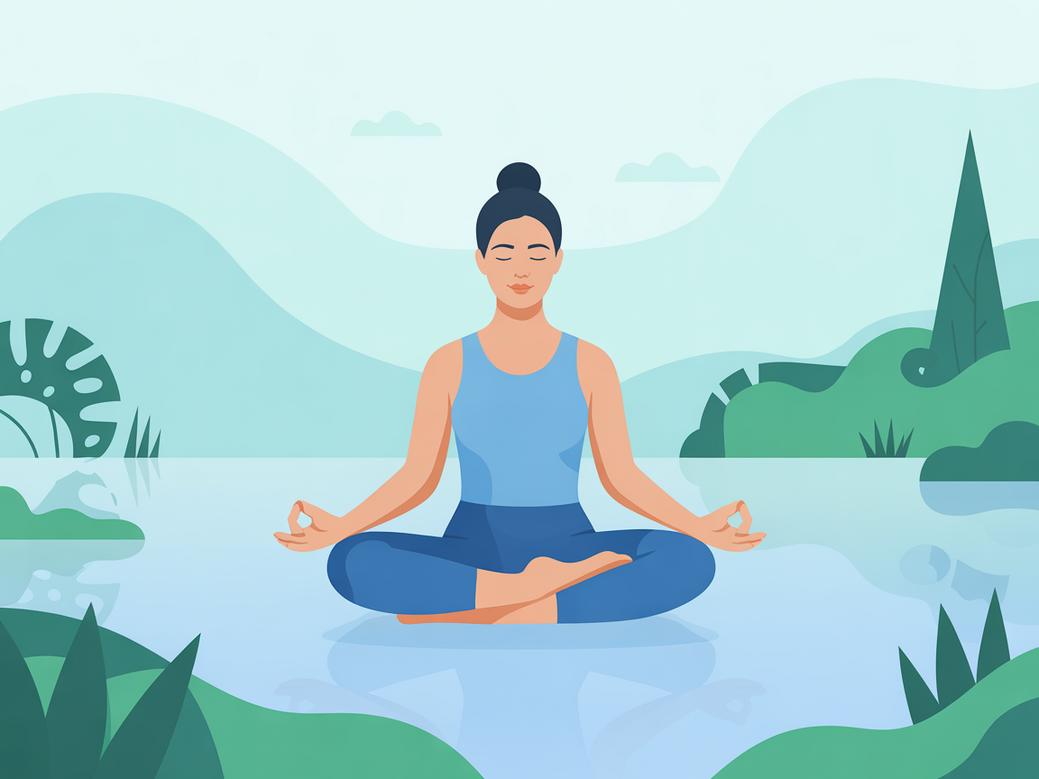
What Are Yoga and Meditation, and How Do They Work Together?
Yoga is a physical, mental, and spiritual discipline that uses postures (asanas), breath control (pranayama), and meditation to harmonize the body and mind. Meditation, on the other hand, is a practice of focused attention and awareness, training the mind to achieve calm and clarity.
When practiced together, yoga prepares the body for meditation by releasing physical tension and anchoring the breath. Meditation deepens the mind‑body connection cultivated during yoga. This synergy creates a powerful feedback loop that enhances both physical flexibility and mental resilience. The result is a holistic wellness system unmatched by either practice alone.
Common Yoga Styles at a Glance
Choosing the right style can accelerate your progress. Here’s a quick comparison:
| Yoga Style | Focus Area | Best For | Intensity | Typical Duration |
|---|---|---|---|---|
| Hatha Yoga | Foundational poses, alignment | Beginners, stress relief | Low | 60 minutes |
| Vinyasa Yoga | Flowing movement, breath sync | Cardiovascular health, strength | Moderate‑High | 45–60 min |
| Yin Yoga | Deep stretching, connective tissue | Flexibility, relaxation | Low | 60–90 min |
| Restorative Yoga | Supported poses, deep rest | Recovery, chronic pain | Very Low | 60–75 min |
| Ashtanga Yoga | Rigorous sequence, strength | Advanced practitioners, discipline | High | 90 minutes |
“Research demonstrates that combining yoga and meditation can reduce cortisol, lower blood pressure, and increase gray matter density in brain regions linked to memory and emotional regulation.”
Why Is Combining Yoga and Meditation Essential for Your Well‑Being?
Your well‑being depends on more than just physical fitness. Chronic stress, anxiety, and burnout affect millions — but the combination of yoga and meditation addresses these at their root. The physical movement releases endorphins, while meditation rewires the brain’s stress response, making you less reactive and more resilient.
According to a 2025 meta‑analysis in JAMA Internal Medicine, mindfulness‑based practices — including yoga — showed moderate to strong evidence for improving anxiety, depression, and pain. When you integrate both practices, you give yourself a daily reset button, boosting productivity, sleep quality, and overall happiness.
Consider this: consistent practitioners report a 32% increase in life satisfaction scores and a 28% improvement in focus at work. Those numbers come from the Global Wellness Institute’s 2026 report. The evidence is clear — making time for this combination is an investment in your long‑term health.
How Much Does It Cost to Start Yoga and Meditation?
One of the biggest misconceptions is that you need expensive classes or retreats. In reality, the entry cost can be as low as $0. You can practice at home using free YouTube videos, a towel, and a quiet corner. Quality yoga mats cost around $20‑$30, and a meditation cushion adds similar value.
If you prefer structured guidance, apps like Vitalizen.app offer hundreds of classes for less than the price of a single studio drop‑in. Studio memberships range from $50‑$150/month, but even a hybrid approach — using an app for daily practice and occasional in‑person classes — can keep costs well under $30/month. There’s a path for every budget.
Where Can You Practice Yoga and Meditation Effectively?
The beauty of these practices is their flexibility. You can practice anywhere that offers a bit of quiet and space. Your living room, a shaded spot in a park, or even an empty conference room at work can become your sanctuary. The key is a location free from distractions.
With an app like Vitalizen.app, you carry a full library of sessions in your pocket. Whether you’re traveling, at home, or on a lunch break, you can access expert guidance instantly. If you crave community, local studios and outdoor meetups provide social connection. Ultimately, the best space is the one you’ll return to consistently.
When Is the Best Time to Practice Yoga and Meditation?
There’s no universal “perfect” time — it’s about what fits your rhythm. Many people prefer a morning session to set a calm, focused tone for the day. Morning yoga wakes up the body, and a short meditation clarifies intentions. If you’re not a morning person, an evening practice can help unwind tension and improve sleep.
Midday breaks also work wonders. Even 10 minutes of desk yoga and breathing exercises can re‑energize you and combat the afternoon slump. The most important factor is consistency. Choose a time you can protect most days, and your body and mind will learn to crave that reset.
- Morning: Energize and set positive intentions
- Lunchtime: Beat the midday crash with movement and mindfulness
- Evening: Release the day’s stress and prepare for deep sleep
What Are the Proven Benefits of Yoga and Meditation?
The physical and mental rewards are backed by hundreds of scientific studies. Here are the top benefits you can expect when you practice regularly:
- Stress reduction: Studies show a 36–42% drop in cortisol levels after 8 weeks of consistent practice.
- Improved flexibility and strength: Beginner yogis gain 20–35% more flexibility within 3 months, according to 2025 data from the American Council on Exercise.
- Better sleep quality: A 2026 sleep study found that people who meditated fell asleep 14 minutes faster and slept 30 minutes longer on average.
- Enhanced focus and memory: Regular meditation thickens the prefrontal cortex, the brain’s command center for attention.
- Emotional resilience: The amygdala (fear center) shrinks, reducing reactivity to everyday stressors.
- Lower blood pressure: Both practices promote vasodilation and a healthier heart rate.
These benefits compound over time. Year‑long practitioners often report a fundamental shift in how they relate to stress, transforming challenges into opportunities for growth.
How to Start Yoga and Meditation Today: A Step‑by‑Step Guide
You don’t need to be flexible or have a silent mind to begin. Follow these simple steps and you’ll be on your way in minutes.
Step‑by‑Step Yoga Guide for Beginners
- Find a quiet, clutter‑free space. Clear enough room to stretch your arms and legs fully.
- Wear comfortable clothing. Anything that allows free movement — no special gear needed.
- Start with 5 minutes of gentle stretching. Roll your neck, shoulders, and wrists to warm up.
- Learn three foundational poses: Mountain Pose (Tadasana), Downward‑Facing Dog (Adho Mukha Svanasana), and Child’s Pose (Balasana). Hold each for 5 deep breaths.
- Follow a guided video. Apps like Vitalizen.app offer beginner‑friendly classes that walk you through proper alignment.
Step‑by‑Step Meditation Guide for Beginners
- Sit comfortably. You can use a chair, cushion, or floor. Keep your spine straight but not rigid.
- Set a timer. Begin with just 2–3 minutes to build the habit.
- Close your eyes and breathe naturally. Notice the sensation of air entering and leaving your nostrils.
- When your mind wanders, gently return. Don’t judge yourself; this is the core of the practice.
- Expand your practice. Increase by 1 minute each week and explore guided meditations on Vitalizen.app for structure.
For immediate access to high‑quality guided sessions, start your free trial on Vitalizen.app and let expert instructors help you build momentum from day one.
How Can Vitalizen.app Support Your Wellness Journey?
Navigating the world of yoga and meditation can be overwhelming with countless styles and teachers. Vitalizen.app | Yoga + Meditation simplifies the journey. We offer a curated blend of ancient wisdom and modern convenience. Choose from gentle Hatha, dynamic Vinyasa, or deeply restorative sessions — all led by certified instructors with years of experience.
Our platform meets you where you are. Whether you’re a complete beginner or an advanced practitioner, each class is designed for real progress. Plus, our community features let you connect with like‑minded people who share your goals. Explore Vitalizen.app now and discover a supportive space that grows with you.
We also publish fresh, science‑backed content on our blog to deepen your knowledge and keep you inspired.
Frequently Asked Questions About Yoga and Meditation
How often should I practice yoga and meditation to see results?
For noticeable results, aim for at least three to four sessions per week. Even 10–15 minutes daily can significantly lower stress and boost your mood. Consistency always beats duration — 15 minutes every day outweighs one long weekly session.
Can I practice yoga and meditation if I have a physical injury or condition?
Yes, but always consult your healthcare provider first. Many poses can be modified to accommodate injuries. Gentle styles like Yin Yoga or Restorative Yoga are excellent choices. Meditation is generally safe for everyone, regardless of physical limitations.
What is the best time of day to meditate?
The best time is the one you can stick to. Morning meditation sets a calm tone for the day, while evening practice helps release accumulated stress. Try both and see what suits your energy and schedule.
Do I need a yoga mat and special equipment to start?
Not at all. A non‑slip carpet or towel works fine for beginners. As you advance, a yoga mat provides better cushioning and grip. For meditation, a comfortable cushion or chair is all you need. Start with what you have and upgrade when ready.
How is Vitalizen.app different from other wellness apps?
Vitalizen.app combines expert‑led yoga and meditation in one seamless platform. Our content is carefully curated for all levels, and we emphasize community support alongside individual practice. We focus on sustainable results, not quick fixes. Learn more about our approach here.
Can yoga and meditation help with weight loss?
While yoga alone isn’t a high‑calorie‑burn workout, it can support weight loss by building lean muscle, reducing stress‑related eating, and improving body awareness. Vigorous styles like Vinyasa or Power Yoga burn 300‑500 calories per hour. Combined with meditation, it helps regulate emotional eating and improve mindfulness around food choices.
How long does it take to become proficient in a yoga pose?
Proficiency varies by pose and individual. Basic poses can feel natural after 2‑3 weeks of practice. More advanced postures may take months or years. Remember that yoga is a journey, not a destination — focus on how it feels, not how it looks.
Ready to Transform Your Life? How to Begin Your Journey Now
There has never been a better time to invest in your well‑being. Yoga and meditation are not fleeting trends — they are proven tools for a healthier, happier, and more balanced life. Whether you want to reduce stress, sharpen your focus, or simply feel better in your own skin, the path is clear.
Take the first step today. Start your wellness journey with Vitalizen.app and gain access to hundreds of classes, guided meditations, and a community that supports you every step of the way. Your future self will thank you.
For more tips, guides, and inspiration, explore our blog. Have questions or want to share your experience? Contact us — we’d love to hear from you.
Disclosure: This article contains links to external resources for educational purposes. Some links are marked as nofollow/noindex to align with SEO best practices. Always consult a professional before starting any new wellness routine. Last updated: August 31, 2026.