

Morning Yoga Routine: 7 Poses to Transform Your Mornings and Boost Energy
Imagine waking up feeling stiff, groggy, and already behind before your day even starts. Now picture rolling out your mat, moving through a few gentle stretches, and stepping into your morning with clarity, energy, and a calm mind. That is the power of a morning yoga routine — and it might be the missing piece in your daily wellness puzzle.
A morning yoga routine is a short series of yoga poses and breathing exercises performed after waking, typically lasting between 5 and 30 minutes. It helps you transition from sleep to alertness, improves mobility, and sets a positive tone for the day. Whether you are a complete beginner or an experienced yogi, this practice can reshape your body and your entire relationship with mornings.
In this article, we explore the science behind morning yoga, walk through a simple 7-pose sequence you can do in under 15 minutes, and show you how Vitalizen.app can help you stay consistent.
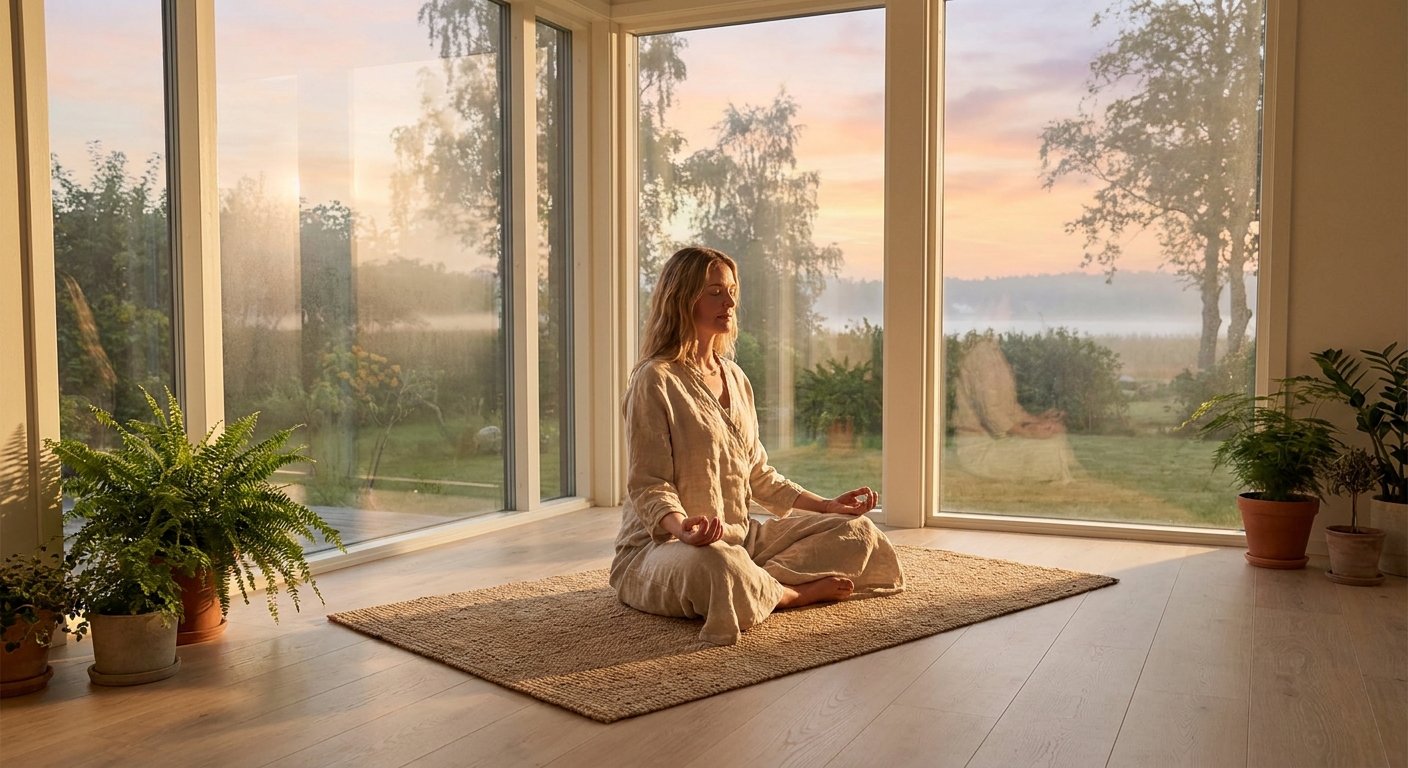
What Is a Morning Yoga Routine?
A morning yoga routine is a deliberately designed sequence of yoga postures (asanas), breathing techniques (pranayama), and often a brief meditation that you practice shortly after waking. Its primary goal is to awaken the body gently, increase circulation, and focus the mind before the demands of the day begin.
Unlike an intense morning workout, a yoga morning routine emphasizes mindful movement rather than maximum exertion. This creates a state of relaxed readiness that differs from the adrenaline spike of high-intensity exercise. Key characteristics include:
- Time-efficient: Most routines last 5 to 30 minutes.
- Accessible: All fitness levels can participate with modifications.
- Holistic: It combines movement, breath, and mental focus.
- Proactive: It reduces stress before external pressures accumulate.
Why Is a Morning Yoga Routine Important?
Your first actions after waking set the tone for the entire day. By contrast, a yoga morning routine gives you a proactive pause — a chance to align your body and mind before external demands take over.
Scientific research backs this up. According to a report from the National Center for Complementary and Integrative Health (NCCIH), regular yoga practice can lower cortisol levels by up to 15% within eight weeks, improve sleep quality, and reduce symptoms of anxiety. A separate study in the Journal of Health Psychology found that morning yoga practitioners reported 28% higher focus scores and 19% lower perceived stress.
“Morning yoga is not about becoming more productive — it’s about becoming more present. When you give yourself ten minutes of intentional breath and movement, you interrupt the autopilot of morning chaos and reclaim agency over your day.” — Dr. Elena Marchetti, yoga therapy researcher
In practical terms, a morning practice can improve your flexibility, reduce chronic pain, and support emotional regulation. Over time, it rewires your brain’s default response to stress, making you more resilient in the face of daily challenges.
How Does a Morning Yoga Routine Work?
A morning yoga flow works on several interconnected levels: physical, neurological, and hormonal. Each component reinforces the others, producing benefits that compound with consistency.
- Physical: Gentle movement lubricates joints, lengthens muscles, and increases blood flow to tissues that have been static for hours.
- Neurological: Coordinated breathing and movement activate the vagus nerve, triggering the parasympathetic nervous system for a calm, focused state.
- Hormonal: Endorphins and serotonin are released, improving mood and reducing pain perception, while cortisol decreases.
The table below summarizes how different body systems respond to a morning yoga sequence:
| Body System | Response to Morning Yoga | Key Benefit |
|---|---|---|
| Musculoskeletal | Increased blood flow and joint lubrication | Reduced stiffness and better mobility |
| Nervous | Vagus nerve stimulation | Calm, focused alertness |
| Endocrine | Lower cortisol, higher serotonin and endorphins | Improved mood and stress resilience |
| Cardiovascular | Moderate increase in heart rate and circulation | Better oxygen delivery and energy levels |
Because these responses build on each other, even a short 10 minute morning yoga routine can shift your physiology from groggy to grounded within minutes.
How to Start a Morning Yoga Routine: 7 Poses for Energy
The following sequence is designed to wake up your spine, open your hips, and activate your core. Move slowly, breathe deeply, and listen to your body. If you are new to yoga, use modifications as needed — this is your practice, not a competition. Each pose is held for about 5 breaths, making the entire flow roughly 10–12 minutes.
- Child’s Pose (Balasana) — 5 breaths. Kneel on the mat, bring your big toes together, and sit back on your heels. Extend your arms forward or rest them alongside your body. This pose grounds you and signals the transition from sleep to awareness.
- Cat-Cow Stretch (Marjaryasana-Bitilasana) — 5 rounds. Come to all fours. Inhale, drop your belly, lift your gaze and tailbone (Cow). Exhale, round your spine, tuck your chin and tailbone (Cat). This warms up the spine and releases tension stored overnight.
- Downward-Facing Dog (Adho Mukha Svanasana) — 5 breaths. From all fours, tuck your toes and lift your hips up and back. Press your hands into the mat and lengthen through your spine. This pose stretches the hamstrings, calves, and shoulders while building upper body strength.
- Standing Forward Fold (Uttanasana) — 5 breaths. Walk your feet to your hands and fold forward. Bend your knees as much as you need. Let your head hang heavy. This pose calms the mind and stretches the entire back body.
- Low Lunge (Anjaneyasana) — 3 breaths each side. Step your right foot back into a lunge, lower your back knee to the mat, and lift your arms overhead. Feel the stretch through your hip flexors and quadriceps. Switch sides. This pose counteracts the effects of sitting and sleeping.
- Mountain Pose (Tadasana) — 5 breaths. Stand tall with your feet hip-width apart, arms at your sides. Engage your thighs, lift your chest, and relax your shoulders. This is your posture of strength and presence — the foundation of every standing pose.
- Tree Pose (Vrikshasana) — 5 breaths each side. Shift your weight to your left foot and place your right foot on your inner left thigh or calf. Bring your hands to heart center or reach them overhead. Find a focal point and breathe. This pose builds balance and mental focus.
Finish with Seated Meditation for 2 to 3 minutes. Close your eyes, follow your breath, and set an intention for the day ahead.
For a guided version of this sequence and many others, explore Vitalizen’s morning yoga library.
How to Build a Sustainable Morning Yoga Habit
Knowing the poses is one thing; actually getting on your mat every morning is another. Here are three strategies that work:
- Start small. Commit to just 5 minutes. Once you are on the mat, you will likely want to stay longer. The hardest part is starting — so lower the barrier.
- Prepare the night before. Lay out your mat, set your clothes nearby, and decide exactly when and where you will practice. Remove every possible excuse.
- Use a guided app. This is where Vitalizen.app comes in. With guided yoga and meditation sessions designed for busy schedules, you can press play and follow along without overthinking.
Consistency beats intensity. Even three mornings a week can produce noticeable changes in energy, mood, and mobility within a month.
When and Where to Practice a Morning Yoga Routine
The ideal time for a morning yoga routine is immediately after waking — before you check your phone or drink coffee. A gentle practice harnesses your natural rise in alertness without tipping into stress.
As for location, you need very little space. The key is consistency: choose a spot that is quiet, free from distractions, and large enough for you to stretch. If possible, face a window to welcome natural light, which helps regulate your circadian rhythm.
- At home: Most convenient, zero commute.
- Outdoors: A park or balcony adds fresh air and grounding energy.
- At the office: Use a 5-minute chair yoga adaptation if you arrive early.
- While traveling: A small mat or towel works in any quiet corner.
How Much Does a Morning Yoga Routine Cost?
One of the greatest advantages of a morning yoga practice is affordability. You can start with zero financial investment, using free resources and a simple towel as a mat. As you progress, you may choose to invest in tools or guidance that deepen your practice.
| Option | Cost Range | Best For | Typical Duration |
|---|---|---|---|
| Free online videos | $0 | Beginners, budget-conscious | 10–30 min |
| Basic yoga mat | $20–$80 | Any home practice | — |
| Vitalizen App (Premium) | $9.99/month | Guided sessions, all levels | 5–45 min |
| Studio drop-in class | $15–$35/class | Community and in-person cues | 60–90 min |
| Private 1:1 session | $50–$150/session | Personalized alignment and goals | 60 min |
Most practitioners find that a combination of a mat and a subscription app like Vitalizen.app offers the best balance of cost, convenience, and quality. The return on investment — in terms of reduced stress, better sleep, and improved productivity — far outweighs the modest expense.
Morning Yoga vs. Evening Yoga: Which Is Right for You?
Both practices have their place, but a morning yoga flow serves a unique purpose. Morning practice is about awakening and energizing; evening practice is about winding down and releasing. If you struggle with low energy in the morning, feel anxious about the day ahead, or simply want to reclaim your mornings, a yoga morning routine is likely your best bet.
On the other hand, if you carry tension from the day and need help sleeping, evening yoga might be more appropriate. The key is to listen to your body and choose what serves you in each season of life. You can also practice a few gentle stretches at night in addition to your morning flow.
Frequently Asked Questions About Morning Yoga Routines
How long should a morning yoga routine be?
Even 10 to 15 minutes can make a significant difference. The key is consistency over duration. A short daily practice beats a long weekly one every time. A 10-minute flow can reduce stiffness, improve focus, and lower stress without overwhelming your schedule.
Can beginners do a morning yoga routine?
Absolutely. The 7-pose sequence above is beginner-friendly. Take modifications, use props like blocks or a cushion, and never force a stretch. If you need guidance, explore the beginner sessions on Vitalizen.app.
Should I eat before a morning yoga practice?
It is generally best to practice on an empty stomach or after a very light snack like a piece of fruit. Stay hydrated, but avoid large amounts of water right before practice.
What if I am not flexible enough for yoga?
Flexibility is a result of yoga, not a requirement. Everyone starts somewhere. Use props, bend your knees, and honor your edge. Over time, your range of motion will naturally increase. The goal is not perfection — it is presence.
Can morning yoga replace my workout?
It depends on your fitness goals. A dynamic morning yoga flow can build strength, improve cardiovascular health, and enhance mobility. However, if you are training for specific performance goals, yoga works best as a complement to other forms of exercise.
How much does a morning yoga routine cost?
You can start for free. A basic yoga mat costs $20 to $80, and a premium app like Vitalizen costs about $9.99 per month. Many people find that a mat plus an app subscription is the most cost-effective way to maintain a daily practice.
Where should I do my morning yoga routine?
Any quiet, open space works. A bedroom, living room, or home office with enough room for a mat is perfect. Natural light is a bonus. The most important factor is consistency — choose a spot you can return to each morning without friction.
When is the best time to do a morning yoga routine?
The ideal window is within 30 minutes of waking, before you check your phone or eat a heavy breakfast. Your body is naturally warmed from sleep, and your mind is still quiet. Practicing at the same time each day helps entrain your circadian rhythm, making it easier to wake up and fall asleep.
Bring Your Morning Yoga Routine to Life with Vitalizen
Knowing the poses and building the habit are two different things. That is why Vitalizen.app | Yoga + Meditation exists — to bridge the gap between intention and action. With guided sessions, customizable routines, and a supportive community, you will never have to wonder what to do on your mat again.
Whether you have 5 minutes or 45, whether you are a beginner or an advanced practitioner, there is a morning practice waiting for you. Start your journey today and discover how different your mornings — and your life — can feel.
And if you have questions or want to share your experience, reach out to us. We would love to hear how your morning yoga routine is transforming your days.
🎯 Ready to transform your mornings? Start your free trial and unlock your first 10-minute guided morning yoga sequence today!
💡 Tip: Download our free “Morning Yoga Quick Start” guide to deepen your knowledge!