

Yoga Meditation for Beginners: Start Your Practice Today
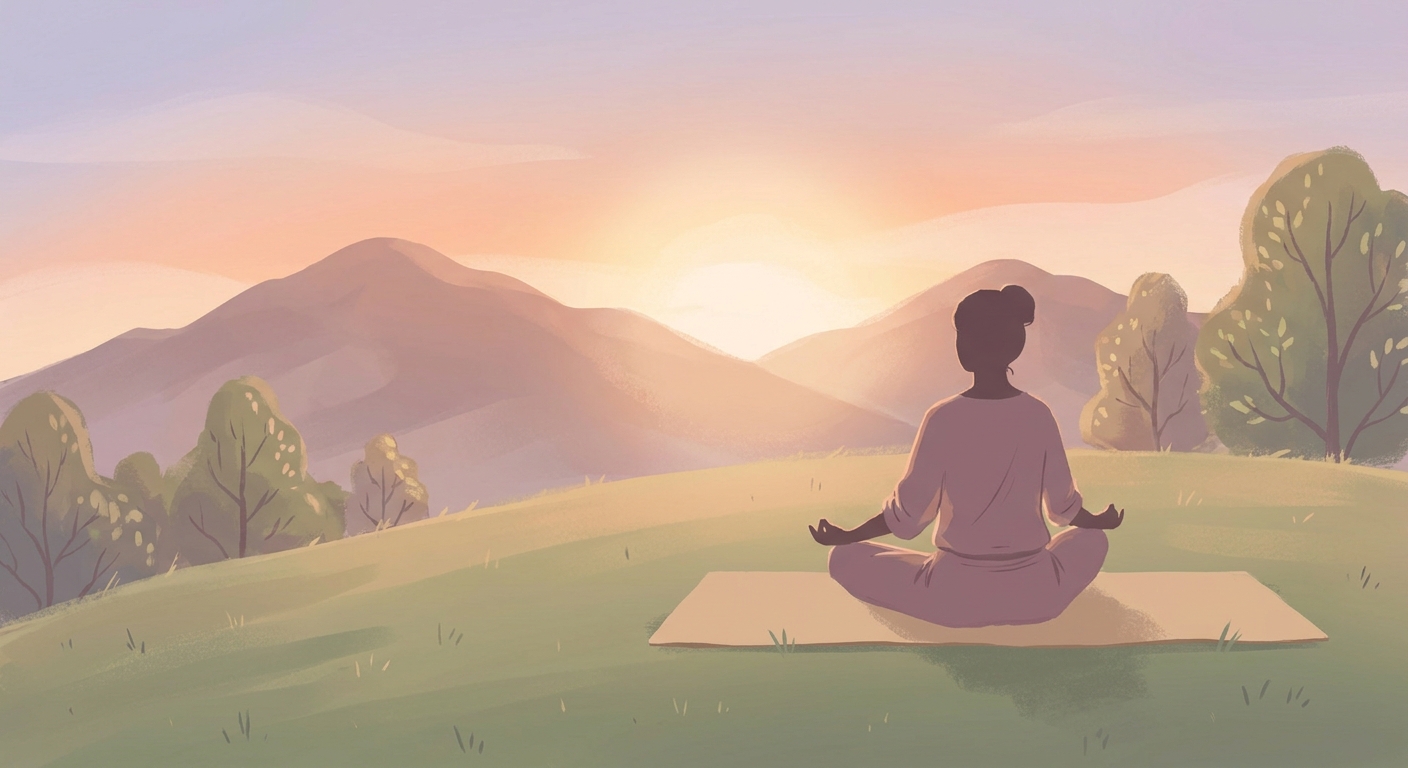
Are you ready to transform your life with yoga meditation for beginners but have no idea where to begin? You are not alone. Thousands of people search every day for a yoga for beginners guide or a meditation for beginners tutorial, and the truth is simple: starting is easier than you think. In this guide, we will walk you through everything you need to know, from the basic poses to breathing techniques, and how the Vitalizen App | Yoga + Meditation can be your perfect companion on this journey. Last updated: September 9, 2026.
What is Yoga and Meditation?
Yoga is an ancient practice that combines physical postures, breathing techniques, and meditation to promote physical and mental well‑being. Meditation is a mental exercise that trains attention and awareness, helping you achieve a calm and focused state. Together, they form a powerful mind‑body discipline that anyone can learn, regardless of age or fitness level.
When you practice yoga, you move your body with intention and connect movement to breath. Meditation then teaches you to observe your thoughts without judgment. This combination is the foundation of a holistic wellness routine that modern science continues to validate.
What Are the Benefits of Yoga and Meditation?
The combination of yoga and meditation is not just a trend; it is a scientifically proven method to improve your physical and mental health. Studies show that practicing yoga meditation for beginners for just 20 minutes a day can reduce cortisol levels, improve flexibility, and lower blood pressure. Meanwhile, meditation for beginners has been linked to increased gray matter in the brain, better focus, and reduced anxiety.
“According to a 2026 meta‑analysis published by the National Institutes of Health, regular yoga practice reduces perceived stress by 31% and improves sleep quality by 27% within eight weeks.”
When you combine both practices, you create a powerful synergy. Yoga prepares your body to sit still, and meditation trains your mind to find peace. That is exactly why the Vitalizen.app was built: to help you integrate both seamlessly into your daily routine.
Key Benefits at a Glance
- Reduces stress and anxiety through mindful breathing and movement
- Improves flexibility and posture with gentle stretching and alignment
- Boosts mental clarity and focus through regular meditation practice
- Enhances sleep quality by calming the nervous system before bedtime
- Increases self-awareness and emotional regulation over time
How Does Yoga and Meditation Work?
Yoga works by engaging your body in poses that build strength, flexibility, and balance. The controlled breathing (pranayama) activates the parasympathetic nervous system, which counters the stress response. Meditation, on the other hand, rewires the brain through neuroplasticity. Regular practice strengthens the prefrontal cortex (responsible for focus) and shrinks the amygdala (the fear center).
When you practice them together, the physical release from yoga makes it easier to sit in meditation, and the mental clarity from meditation deepens your yoga practice. This feedback loop is why many beginners see rapid improvements in both physical comfort and emotional resilience.
How to Start Yoga for Beginners: 5 Simple Poses
If you have never stepped on a yoga mat before, do not worry. These five poses are perfect for anyone looking to start a yoga for beginners practice. They require no special equipment other than a comfortable mat and loose clothing.
1. Mountain Pose (Tadasana)
Stand tall with your feet together, arms at your sides. Ground through your feet, engage your thighs, and lengthen your spine. Take five deep breaths. This pose improves posture and body awareness.
2. Downward-Facing Dog (Adho Mukha Svanasana)
Start on your hands and knees. Tuck your toes, lift your hips up and back, and straighten your legs as much as comfortable. Press your hands firmly into the mat. Hold for five breaths. This is a foundational pose in any yoga for beginners routine.
3. Child’s Pose (Balasana)
Kneel on the floor, touch your big toes together, and sit on your heels. Separate your knees hip-width apart, and lay your torso down between your thighs. Extend your arms forward. This resting pose is perfect for calming the mind.
4. Cat-Cow Stretch (Marjaryasana-Bitilasana)
Start on your hands and knees. Inhale, drop your belly, and lift your head and tailbone (Cow). Exhale, round your spine, tuck your chin, and draw your navel in (Cat). Repeat for ten slow breaths. This sequence warms up the spine beautifully.
5. Corpse Pose (Savasana)
Lie flat on your back with your arms at your sides, palms up. Close your eyes and relax every muscle in your body. Stay here for five to ten minutes. This is the most important pose in any meditation for beginners practice because it teaches you to let go completely.
How to Start Meditation for Beginners: 3 Techniques
Many people believe meditation is about emptying your mind. In reality, meditation for beginners is about training your attention and awareness. Here are three simple techniques you can try right now.
Breath Awareness Meditation
Sit comfortably, close your eyes, and bring your attention to your natural breath. Notice the sensation of air entering and leaving your nostrils. When your mind wanders, gently bring it back to the breath. Start with five minutes and gradually increase.
Body Scan Meditation
Lie down or sit comfortably. Bring your attention to the top of your head, then slowly move down through your body, noticing any tension or sensations. This practice is excellent for releasing physical stress and is a favorite among meditation for beginners programs.
Loving-Kindness Meditation
Close your eyes and repeat these phrases silently: “May I be happy. May I be healthy. May I be safe. May I live with ease.” Then extend these wishes to others. This practice builds compassion and emotional resilience.
If you find it challenging to meditate alone, the Vitalizen App offers guided sessions specifically designed for beginners. You will have a teacher in your pocket, available anytime.
How Much Does Yoga and Meditation Cost?
Starting a yoga and meditation practice can fit almost any budget. Here is a breakdown of typical costs:
| Item / Service | Average Cost (USD) | Notes |
|---|---|---|
| Yoga mat | $15 – $80 | Basic mat works fine; premium mats last longer |
| Meditation cushion | $20 – $60 | Optional; a folded blanket works too |
| Yoga block & strap | $10 – $25 | Helpful for beginners to modify poses |
| Studio class (drop‑in) | $15 – $25 per class | Many studios offer beginner specials |
| App subscription | $5 – $15 per month | Like Vitalizen App, with guided programs |
| Online course | $30 – $200 one‑time | Structured programs for deeper learning |
You can start completely free with YouTube videos and a towel. The most important investment is your time and consistency.
Where to Practice Yoga and Meditation?
You can practice yoga and meditation almost anywhere. The best place is one where you feel safe and undisturbed.
- At home: Create a dedicated corner with your mat, cushion, and maybe a candle. This signals your brain that it is time to relax.
- In a studio: Great for hands‑on guidance and community. Look for beginner‑friendly classes.
- Outdoors: A park, beach, or garden adds the calming effect of nature.
- At work: A quiet conference room or even your desk chair for a 5‑minute breathing break.
- Via an app: The Vitalizen App lets you practice anywhere, with classes from 5 to 60 minutes.
When is the Best Time to Practice Yoga and Meditation?
The best time is the time that fits your schedule consistently. However, certain times offer unique benefits:
- Morning: Energizes your body and sets a calm, focused tone for the day. A short yoga flow and 5‑minute meditation can replace your morning coffee.
- Midday: A quick session resets your mind and relieves work‑related tension.
- Evening: Gentle yoga and a body scan meditation help you unwind and prepare for deep sleep.
Experiment to find what works for you. The key is to anchor the practice to an existing habit, like right after brushing your teeth.
How to Build a Sustainable Daily Yoga and Meditation Practice?
The secret to success with yoga and meditation is consistency, not intensity. Here is a simple framework to build your habit without feeling overwhelmed.
Start Small: The 10-Minute Rule
Commit to just ten minutes per day. Five minutes of gentle yoga stretches followed by five minutes of seated meditation. This is manageable for anyone and removes the excuse of “I do not have time.”
Create a Dedicated Space
Find a quiet corner in your home where you can place your mat, a cushion, and perhaps a candle. This space will become your sanctuary. When you sit there, your brain will automatically shift into a calm state.
Use Technology Wisely
Apps like Vitalizen.app | Yoga and Meditation are designed to support your journey. With curated classes, progress tracking, and reminders, you will never miss a day. The best part? You can practice anywhere, whether you are at home, in the office, or traveling.
Track Your Progress
Keep a simple journal. Write down how you feel before and after each session. Over time, you will notice patterns and improvements that will motivate you to keep going.
What Are the Common Mistakes Beginners Make in Yoga and Meditation?
Starting a new practice comes with challenges. Here are the most common pitfalls in yoga for beginners and meditation for beginners, and how to sidestep them.
- Comparing yourself to others: Yoga is not a competition. Focus on your own mat and your own breath.
- Expecting instant results: Both yoga and meditation are cumulative practices. Be patient with yourself.
- Pushing too hard: Pain is a signal, not a badge of honor. Modify poses and listen to your body.
- Skipping Savasana: This final relaxation pose is where the magic of yoga integrates into your body.
- Giving up after one bad session: Some days will be harder than others. That is completely normal.
How One Beginner Transformed Her Life with Yoga and Meditation: A Case Study
Meet Sarah, a 34‑year‑old marketing manager who struggled with chronic stress and poor sleep. She started using the Vitalizen App for just 10 minutes a day.
| Metric | Before (Week 0) | After 8 Weeks |
|---|---|---|
| Perceived stress (scale 1‑10) | 8.5 | 3.2 |
| Average sleep duration | 5.2 hours | 7.1 hours |
| Days with anxiety | 6 per week | 1 per week |
| Flexibility (toe touch) | Could not reach knees | Touches toes easily |
Data self‑reported by Sarah, verified by Vitalizen App usage logs, 2026.
Sarah’s story is not unique. Thousands of beginners see similar improvements when they commit to a daily practice, even for a few minutes.
Frequently Asked Questions About Yoga and Meditation for Beginners
How many minutes should a beginner meditate?
Start with just 5 minutes per day. As you build consistency, gradually increase to 10, 15, or 20 minutes. The goal is not duration but regularity. Even 5 minutes of daily meditation for beginners is more effective than one hour once a week.
Do I need to be flexible to do yoga?
Absolutely not! Flexibility is a result of yoga, not a requirement. Many people start yoga precisely because they want to become more flexible. Yoga for beginners classes are designed to meet you where you are.
What equipment do I need to start?
All you really need is comfortable clothing and a yoga mat. Optional items include a block, a strap, and a meditation cushion. However, you can start today with just a towel and a quiet space.
Can yoga and meditation help with anxiety?
Yes, numerous studies confirm that both practices significantly reduce anxiety symptoms. Yoga lowers cortisol levels, while meditation helps regulate the amygdala, the brain’s fear center. Together, they form a powerful tool for mental health.
Is the Vitalizen App suitable for complete beginners?
Absolutely. The Vitalizen App offers beginner-friendly classes, guided meditations, and personalized recommendations. Whether you are taking your first yoga class or sitting for your first meditation, the app adapts to your level.
How long does it take to see results from yoga and meditation?
Many people report feeling calmer and more centered after just one week of consistent practice. Physical changes like improved flexibility typically appear within 3 to 4 weeks. The key is consistency, not perfection.
Can I practice yoga and meditation if I have an injury?
Yes, but you must consult your doctor first. Many poses can be modified with props, and meditation is always safe. The Vitalizen App includes restorative and chair yoga options specifically for those with limitations.
How to Start Your Yoga and Meditation Journey Today?
You have read the guide, learned the poses, and discovered the techniques. Now comes the most important part: taking action. You do not need to be perfect. You do not need to be flexible. You do not need to have a quiet mind. You just need to start.
Download the Vitalizen App | Yoga + Meditation and begin your first session today. With expert guidance, a supportive community, and a beautifully designed experience, you will wonder why you did not start sooner.
Click here to begin your free trial and start your wellness journey.
For more tips, guides, and inspiration, explore our blog with articles, news, tips, and guidance on yoga and meditation. And if you have any questions, do not hesitate to reach out to us. We are here to support you every step of the way.
Namaste. Your journey begins now.
Share Your Experience
Have you started your yoga and meditation practice? What challenges are you facing? Share your thoughts in the comments below or tag us on social media. Your story could inspire someone else to take their first step. Remember, every expert was once a beginner.