

Yoga and Meditation for Well-being: A Practical Guide for 2026
In our hyper-connected world, the relentless pace of life can leave us feeling overwhelmed, anxious, and disconnected. The practices of yoga and meditation offer a powerful, time-tested antidote. These mind-body disciplines are not just about physical flexibility or sitting in silence; they are a holistic system for enhancing the profound connection between your physical and mental states to cultivate lasting well-being.
This guide explores the fundamentals of yoga and meditation, their scientifically-proven benefits, and how you can integrate them into your life. Whether you’re seeking stress reduction, improved focus, or a deeper sense of inner peace, these ancient practices provide a clear path forward, supported by modern tools like the Vitalizen App | Yoga + Meditation.
Understanding the Core Principles: What Are Yoga and Meditation?
Yoga is a comprehensive discipline from ancient India that unites physical postures (asanas), controlled breathing (pranayama), and mindfulness. Meditation, a crucial element of yoga, is also a standalone practice dedicated to training awareness and achieving a state of mental clarity and emotional calm. Together, they form a powerful synergy for holistic health.

Key Characteristics of These Practices:
- Holistic Integration: They simultaneously address physical, mental, and emotional health for comprehensive well-being.
- Universal Accessibility: Yoga and meditation can be adapted for any age, body type, or fitness level, making them universally applicable.
- Evidence-Based Results: The benefits, such as reduced stress and enhanced focus, are extensively documented by scientific research.
The Science of Calm: How Yoga and Meditation Impact Your Brain
The transformative effects of yoga and meditation are not mystical; they are rooted in neuroscience and physiology. Chronic stress keeps your body in a state of “fight-or-flight,” flooding it with cortisol. These practices activate the parasympathetic nervous system, also known as the “rest-and-digest” response, which promotes recovery and balance.
Research from institutions like the National Institutes of Health (NIH.gov) shows that consistent practice can lead to structural changes in the brain, including increased density in the hippocampus (vital for learning and memory) and reduced volume in the amygdala (the brain’s fear center).
Core Benefits for Modern Life in 2026:
- Stress and Anxiety Reduction: By lowering cortisol levels, you actively combat the physiological effects of stress.
- Enhanced Focus and Cognitive Function: Meditation trains the prefrontal cortex, improving concentration, decision-making, and mental clarity.
- Increased Physical Strength and Flexibility: Yoga serves as a form of functional fitness, toning muscles, improving posture, and increasing range of motion.
- Improved Sleep Quality: A calm and regulated nervous system is essential for restorative sleep, a cornerstone of overall well-being.
Getting Started: Your First Steps into Yoga and Meditation
The most common barrier to starting is intimidation. The key is to begin with simple, manageable steps and to approach the practice with curiosity rather than expectation. You don’t need to be flexible to start yoga, nor do you need a perfectly silent mind to meditate.
Your First Simple Yoga Flow
- Mountain Pose (Tadasana): Stand tall, feet grounded, and feel the connection between your body and the earth. This is the blueprint for all other poses.
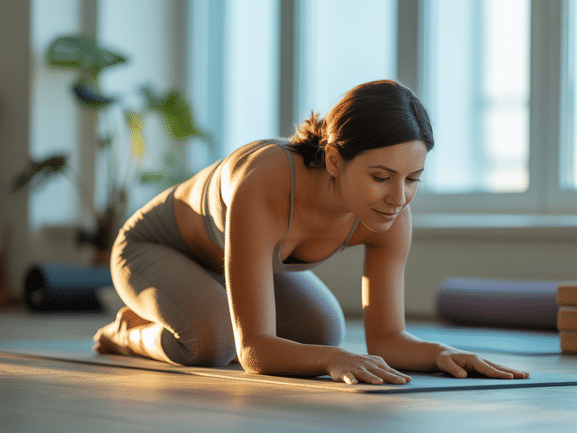
- Cat-Cow Stretch (Marjaryasana-Bitilasana): On hands and knees, gently alternate between arching and rounding your spine to warm up the back.
- Downward-Facing Dog (Adho Mukha Svanasana): Form an inverted V-shape with your body to create a full-body stretch.
- Child’s Pose (Balasana): A gentle resting pose to release tension in the back and calm the mind. Use it anytime you need a break.
Your First Guided Meditation Session
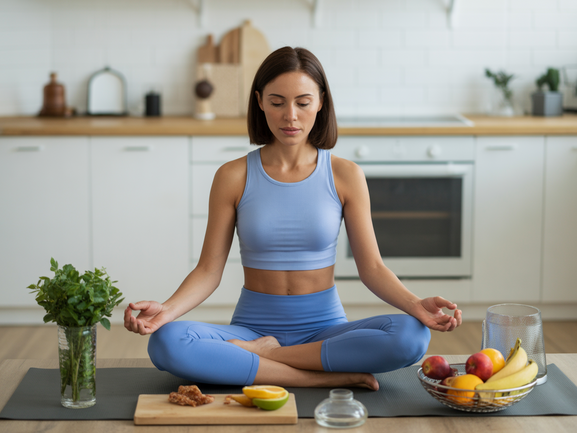
If you can breathe, you can meditate. Try this simple breathing exercise right now to experience immediate calm:
- Find a comfortable seated position, with your back straight but not rigid.
- Close your eyes and take a deep breath in through your nose for a count of four.
- Gently hold your breath for a count of four.
- Exhale slowly and completely through your mouth for a count of six.
- Repeat this cycle for 5-10 rounds and notice the shift in your mental and physical state.
> 💡 **Tip:** Consistency is more important than duration. Starting with just 5 minutes of yoga and meditation daily can build a powerful and sustainable habit for improved well-being.
Exploring Different Styles of Yoga and Meditation
As you progress, you may want to explore different styles to find what resonates most with you. Each offers a unique approach to achieving mind-body harmony.
Popular Types of Yoga:
- Hatha Yoga: A slower-paced, foundational style perfect for beginners.
- Vinyasa Yoga: A dynamic, flowing style that links breath to movement.
- Yin Yoga: A passive practice involving long-held stretches to target deep connective tissues.
- Restorative Yoga: A gentle practice using props to promote deep relaxation.
Common Meditation Techniques:
- Mindfulness Meditation: Paying non-judgmental attention to the present moment.
- Guided Meditation: Following verbal cues to visualize or focus your mind.
- Walking Meditation: Focusing on the physical sensation of walking.
Investment in Your Well-being: What Does It Cost?
One of the most significant advantages of yoga and meditation is the low financial barrier to entry. You can begin your journey for free with a wealth of online resources. As your practice deepens, you may choose to invest in additional tools or classes.
| Item | Category | Price Range |
|---|---|---|
| YouTube / Free Apps | Guidance | $0 |
| Yoga Mat | Equipment | $20 – $100 |
| Subscription App (like Vitalizen) | Premium Guidance | $10 – $20/month |
| In-Person Studio Class | Instruction | $15 – $30/class |
Vitalizen App: Your Personal Guide to a Calmer Life
We created the Vitalizen App to make the profound benefits of yoga and meditation accessible to everyone, everywhere. We understand that building a new habit is a journey, which is why our app provides the structure and variety you need to succeed.
- Guided Meditations: From 5-minute stress-relief sessions to longer, immersive experiences for deep relaxation.
- Yoga for All Levels: Whether you are a complete beginner or an advanced yogi, our classes are designed to meet you where you are.
- Personalized Programs: Set your well-being goals, and we’ll create a customized plan to help you build a consistent and rewarding practice.
Explore more tips and insights on our official blog, your resource for a healthier, more mindful life.
Frequently Asked Questions About Yoga and Meditation
How much time do I need to practice daily?
Even 5-10 minutes of daily practice can have a significant impact. According to research from institutions like Stanford University (.edu), consistency is more important than duration for building the neural pathways associated with calm and focus. The Vitalizen App offers sessions of varying lengths to fit perfectly into your busy life.
Do I need any special equipment to start?
Not at all. You can begin with just a comfortable space. A yoga mat is helpful for grip and cushioning but is not essential for beginners. For meditation, a quiet spot where you won’t be disturbed is all you need. Your willingness to try is the most important tool.
Is yoga a form of religion?
While yoga has spiritual roots in ancient philosophies, it is practiced worldwide as a secular method for promoting physical and mental well-being. It is not a religion, and people from all backgrounds and beliefs practice yoga for its proven health benefits.
How can the Vitalizen App help me build a habit?
The Vitalizen App is designed to foster consistency through personalized programs, progress tracking, and daily reminders. Our diverse library of content keeps your practice fresh and engaging, which is key to long-term motivation and achieving your well-being goals.
What is the main difference between yoga and meditation?
The primary difference is the emphasis on physical movement. Yoga integrates postures (asanas) and movement with breathing and mindfulness. Meditation is primarily a mental discipline focused on training the mind, which can be done while sitting still or even walking. Think of meditation as one of the key *components* of a broader yoga practice.
Your Journey to Inner Peace and Well-being Starts Now
In conclusion, embracing yoga and meditation is a powerful, evidence-based step towards a more balanced, peaceful, and fulfilling life. It is a journey of self-discovery that reduces stress, enhances clarity, and promotes holistic health. You don’t have to take this path alone; let us be your guide.
🎯 Ready to transform your well-being? Begin your journey with Vitalizen today and unlock a calmer, happier you. If you have any questions, please contact our team!