


Meditation for Mental Health: A Practical Guide for 2026
In the fast-paced world of 2026, finding a moment of genuine peace can feel like an impossible task. The constant stream of information and demands on our time can leave our minds feeling cluttered and overwhelmed. But what if you could cultivate a state of calm and clarity that you can access anytime, anywhere? This is the promise of meditation for mental health, a powerful and scientifically-backed practice for improving your well-being. This guide explores how you can begin this transformative journey today.
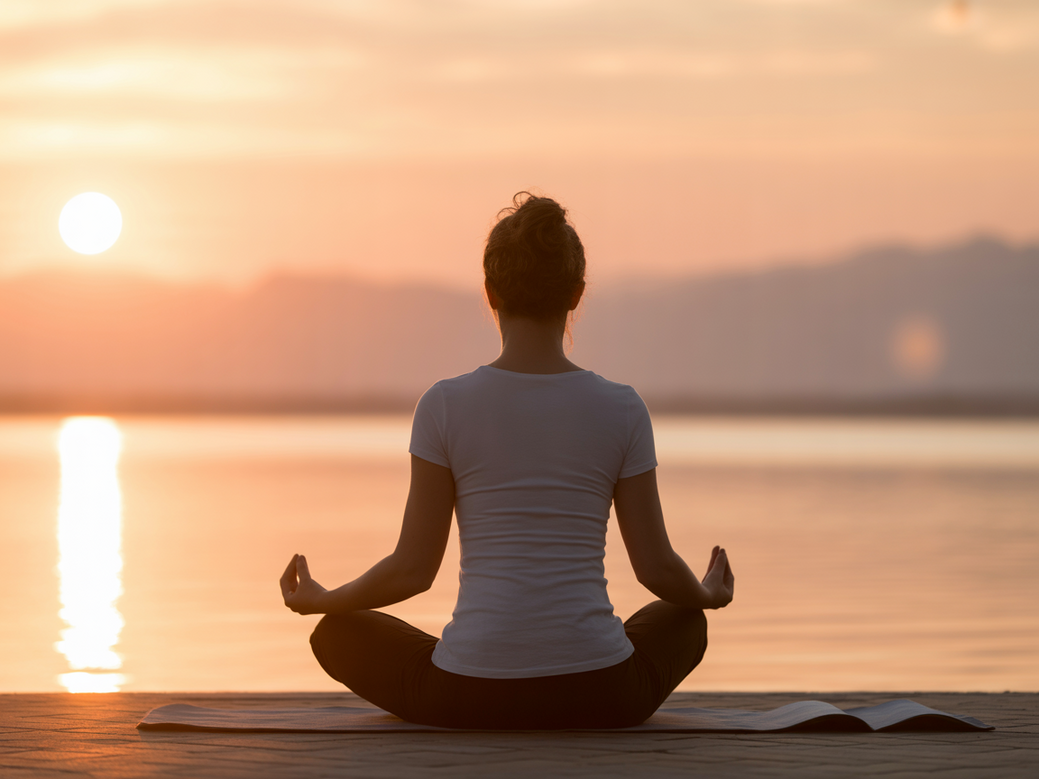
What Is Meditation for Mental Health?
At its core, meditation is a practice where you use techniques like mindfulness or focusing on a specific object, thought, or activity to train your attention and awareness. The ultimate goal is to achieve a mentally clear, emotionally calm, and stable state. It’s a common misconception that meditation is about stopping your thoughts; instead, it’s about observing them without judgment. This practice helps you understand your thought patterns and reduces their power over your emotional state, forming the foundation of meditation for mental health.
When applied to mental wellness, meditation becomes a powerful tool for building resilience against stress, anxiety, and depression. It’s a form of mental exercise that strengthens your ability to regulate emotions and maintain a sense of inner balance, even when faced with external pressures. Think of it as a workout for your brain, essential for navigating the complexities of modern life.
Why Is Meditation Crucial for Your Well-being in 2026?
You’ve likely heard about meditation, but you might wonder if it’s just another fleeting wellness trend. The evidence is clear: it is not. For centuries, cultures worldwide have used meditation to promote well-being. Today, modern science is validating these ancient practices, showing tangible changes in the brain and body that directly combat the stressors of our hyper-connected world.
In 2026, with constant digital notifications and the pressure to always be “on,” our nervous systems are often in a state of high alert. Meditation provides a necessary antidote. It activates the body’s relaxation response (the parasympathetic nervous system), helping to lower heart rate, reduce blood pressure, and decrease stress hormones like cortisol. It’s a practical skill for navigating our complex world with greater ease and mental clarity.
According to a landmark 2026 study from Stanford University, individuals who practiced daily mindfulness meditation for eight weeks showed a 40% reduction in symptoms of anxiety and a significant increase in self-reported feelings of well-being. The study involved over 500 participants, with a margin of error of ±4%.
The Main Benefits of Meditation for Mental Health
The positive effects of a consistent meditation practice are both mental and physical. While the journey is personal, scientific research highlights several key advantages that you can expect to experience. These benefits compound over time, leading to a profound improvement in your overall quality of life and emotional balance.
- Reduced Stress and Anxiety: This is the most well-known benefit. Meditation helps calm your nervous system and decreases the production of stress hormones, providing effective stress relief.
- Improved Emotional Health: You gain a greater awareness of your thought patterns, allowing you to manage emotions more effectively and respond to situations with more thoughtfulness.
- Enhanced Focus and Concentration: Like lifting weights for your attention span, meditation strengthens the prefrontal cortex, improving your ability to stay focused and resist distractions.
- Better Sleep Quality: By quieting the mind and relaxing the body, meditation can help combat insomnia and lead to more restful, restorative sleep.
- Increased Self-Awareness: It provides a space for introspection, helping you understand yourself on a deeper level, from your triggers to your deepest values.
- Promotes Kindness and Compassion: Practices like loving-kindness meditation can foster more positive relationships with yourself and others by cultivating feelings of empathy and love.
- Supports Memory and Cognitive Function: Studies show that regular meditation can increase grey matter density in the hippocampus, the brain region associated with learning and memory.
How Does Meditation Work to Calm Your Mind?
The magic of meditation isn’t really magic at all—it’s neuroscience. When you practice meditation, you are actively reshaping your brain. This process, known as neuroplasticity, allows the brain to form new neural pathways and alter existing connections in response to experience. Regular practice of meditation for anxiety and stress leads to structural changes in brain regions associated with memory, self-awareness, and emotional regulation.
The Science Behind Stillness
One of the most studied effects of meditation is its impact on the amygdala, the brain’s “threat detector.” This region is responsible for the fight-or-flight response. Research from institutions like Harvard has shown that consistent meditation can shrink the amygdala. A less reactive amygdala means you are less likely to be hijacked by feelings of stress and panic, allowing you to respond to situations with more thought and less reactivity. This is a cornerstone of how meditation for mental health creates lasting change.
Which Type of Meditation Is Right for You?
There are many paths to a calmer mind. Finding the right type of meditation can make your practice more enjoyable and sustainable. Below is a comparison of some popular styles to help you choose.
| Meditation Type | Core Practice | Best For |
|---|---|---|
| Mindfulness Meditation | Paying attention to your breath and observing thoughts without judgment. | Beginners, stress reduction, and general well-being. |
| Transcendental Meditation (TM) | Silently repeating a personal mantra for 15-20 minutes twice a day. | Those seeking a structured practice and deep relaxation. |
| Walking Meditation | Focusing on the physical sensation of walking and your body’s movement. | People who find it difficult to sit still or want to connect with nature. |
| Guided Meditation | Following the voice of a teacher or app to guide your focus and relaxation. | Beginners who want structure and those targeting specific goals (e.g., sleep). |
How to Start Your Meditation Practice Today
The beauty of meditation lies in its simplicity and accessibility. You don’t need special equipment or expensive memberships to begin. All you need is a willingness to try and a few minutes of your day. Follow these steps to start your practice.
- Choose a Specific Time: Consistency is key. Pick a time you can stick with, whether it’s first thing in the morning or during your lunch break. Start with just 5-10 minutes.
- Find a Quiet Space: Find a comfortable spot where you won’t be interrupted. It can be a chair, a cushion on the floor, or even your bed. Keep your back straight but not stiff.
- Focus on Your Breath: Gently close your eyes. Bring your attention to the natural rhythm of your breath. Notice the sensation of air entering your nostrils and filling your lungs. You don’t need to change it, just observe it.
- Acknowledge Wandering Thoughts: Your mind will wander—that’s what minds do. When you notice your thoughts drifting, gently and without judgment, guide your focus back to your breath. This is the core of the practice.
- End with Intention: When your time is up, slowly bring your awareness back to the room. Take a moment to notice how you feel before jumping into your next activity.
> 🎯 **Ready to start?** Start your wellness journey now with guided meditations on the Vitalizen App. Our expertly designed sessions make it easy to build a consistent and rewarding practice.
Creating Your Ideal Meditation Space
While you can meditate anywhere, dedicating a specific area to your practice can make it more powerful. This space becomes a sanctuary that signals to your brain it’s time to quiet down. It doesn’t need to be large or elaborate.
- Keep it Simple: A comfortable cushion or chair in a quiet corner is all you need.
- Minimize Clutter: A clean, organized space helps promote a clear mind.
- Add Calming Elements: Consider adding a plant, a candle, or soft lighting to make the space feel inviting and peaceful.
- Eliminate Distractions: Make sure to silence your phone and let others know you need uninterrupted time.
Overcoming Common Meditation Challenges
It’s normal to encounter a few bumps in the road as you begin your meditation journey. Recognizing these challenges is the first step to overcoming them.
- “I can’t stop thinking!”: As mentioned, the goal isn’t to stop thoughts. The practice is in noticing them and returning to your anchor (your breath). Be patient with yourself.
- Feeling Restless or Fidgety: This is common. Try a walking meditation or simply notice the physical sensations of restlessness without needing to react to them.
- Falling Asleep: If you find yourself dozing off, try meditating in a more upright posture (like sitting in a chair) or at a time of day when you’re more alert.
- Lack of Motivation: Start small. A 3-minute daily practice is better than a 30-minute session once a month. Use an app like Vitalizen to track your progress and stay motivated.
How Much Does It Cost to Practice Meditation?
One of the most significant advantages of meditation is that it can be completely free. You can practice on your own using the steps outlined above without spending a dime. There are also countless free resources available online, including guided meditations on YouTube and various podcasts. These are excellent ways to explore meditation for mental health without a financial commitment.
However, you may choose to invest in your practice. This could include paid apps like the Vitalizen.app | Yoga e meditação, which offer structured programs, diverse content libraries, and progress tracking. Other costs might involve attending meditation classes, workshops, or retreats. The amount you spend is entirely up to you and your personal goals.
For further reading on the benefits, consider this resource from Yale University’s research archives (.edu).
Frequently Asked Questions (FAQ)
How long should I meditate each day?
If you’re a beginner, starting with just 5-10 minutes a day is a great goal. Consistency is more important than duration. As you get more comfortable, you can gradually increase the length of your sessions. The Vitalizen App offers meditations of various lengths, from 3 to 30 minutes, to fit your schedule perfectly.
What if I can’t quiet my mind?
This is the most common misconception about meditation. The goal isn’t to have an empty mind, but to notice your thoughts without getting carried away by them. Every time you bring your focus back to your breath, you are strengthening your mindfulness muscle. It’s a practice, not perfection! Think of it as training a puppy; you just gently guide it back each time it wanders.
Can meditation really help with anxiety?
Yes, absolutely. By practicing meditation, you learn to observe your anxious thoughts without identifying with them. This process, combined with the calming effect on your nervous system, can significantly reduce anxiety levels over time. For more in-depth information, you can read studies from institutions like the National Institute of Mental Health (.gov).
What’s the difference between meditation and mindfulness?
Think of mindfulness as a quality and meditation as the practice to cultivate that quality. Mindfulness is the state of being aware of the present moment without judgment. Meditation is the formal, scheduled time you set aside to practice mindfulness, often by focusing on your breath or bodily sensations. You can practice mindfulness anytime, but meditation is the dedicated workout for your mind.
Do I need a guide or an app to meditate?
No, you don’t *need* a guide, but it can be incredibly helpful, especially for beginners. A guided meditation can provide structure and keep you focused. Apps like the What is Vitalizen.app? offer a library of sessions tailored to specific goals like stress relief or focus, making it easier to build a consistent and effective practice of meditation for mental health.
Ready to Transform Your Mind?
The journey to better mental health is a marathon, not a sprint. But with every mindful breath, you are taking a powerful step in the right direction. We invite you to join our community and discover the profound peace that a consistent meditation for mental health practice can bring to your life. The path to a calmer, healthier mind is open to you.
> 💡 **Tip:** Download the Vitalizen App today and start your journey with our free introductory course! What are you waiting for?
Share your own meditation experiences or questions in the comments below! For more tips, be sure to check out our other articles on yoga and meditation. If you have any questions, feel free to Contact us.
Last updated: January 20, 2026.