

Yoga and Meditation: Your 2026 Guide to Improving Health and Well-being
In the fast-paced world of 2026, achieving genuine health requires more than just physical fitness. Yoga and meditation are powerful, time-tested practices that enhance your physical and mental health by integrating mindful movement, breath control, and focused awareness. This combination reduces stress, improves flexibility, and fosters a deep sense of inner peace, making it an essential toolkit for navigating modern complexities.
Understanding the Core Principles: What Are Yoga and Meditation?
Have you ever wondered what makes these ancient practices so enduringly popular? The answer lies in their holistic approach to well-being. They aren’t just exercises; they are disciplines designed to harmonize the body, mind, and spirit, creating a powerful synergy for overall health.
Yoga is a comprehensive mind-body practice that combines physical postures (asanas), controlled breathing techniques (pranayama), and deep relaxation or meditation. Its primary goal is to create a union between your physical, mental, and spiritual selves. Think of it as a moving meditation that builds strength, balance, and profound self-awareness.
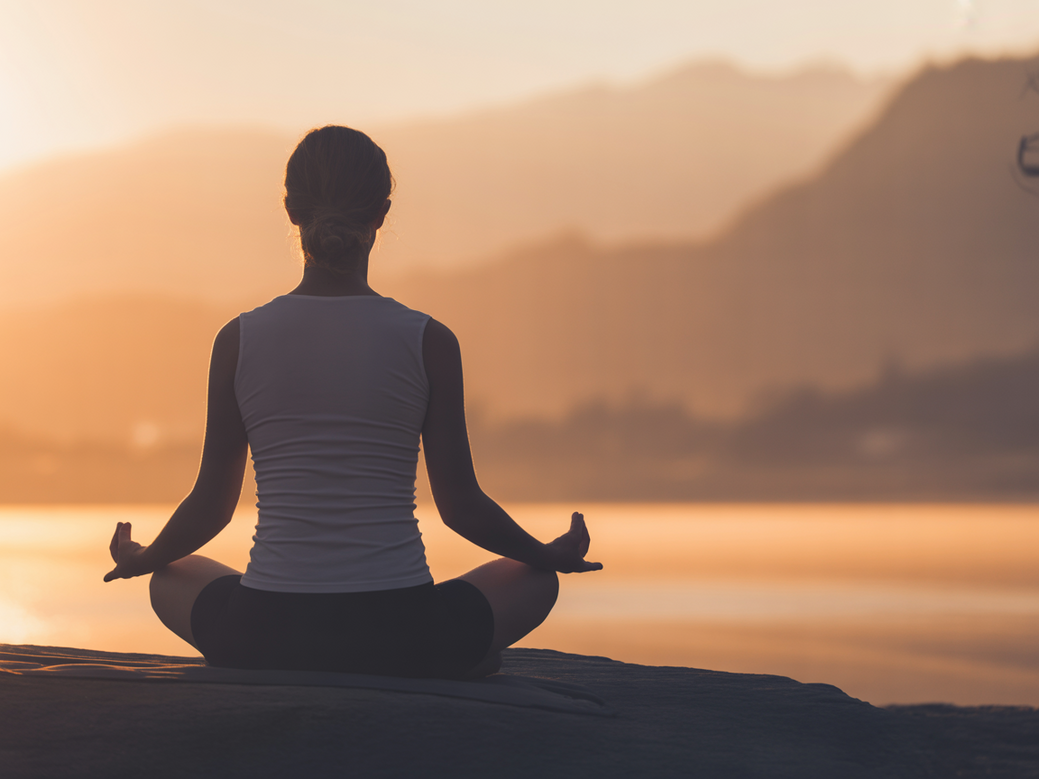
Meditation, on the other hand, is a practice focused on training attention and awareness to achieve a mentally clear and emotionally calm state. By focusing on a single point—like your breath, a mantra, or a specific sensation—you learn to observe your thoughts without judgment, creating space between you and your reactions.
The Science of Synergy: How Yoga and Meditation Boost Health
Combining yoga and meditation creates an effect greater than the sum of its parts. A typical session uses physical movement to prepare the body for the stillness of meditation, making the practice deeper and more effective. With the Vitalizen App, you can follow guided sessions that make this process seamless and accessible.
Scientific evidence continues to validate these benefits. The practice of yoga and meditation actively engages the parasympathetic nervous system, responsible for the body’s “rest and digest” response. This counteracts the chronic “fight or flight” state induced by modern stressors.
- Lowers Cortisol: Regular practice is proven to lower levels of cortisol, the primary stress hormone, mitigating its negative impacts on the body.
- Increases GABA: Studies show an increase in GABA (gamma-aminobutyric acid) levels in the brain, a neurotransmitter that helps calm nervous activity and reduce anxiety.
- Improves Heart Rate Variability (HRV): Higher HRV is a sign of a healthy, resilient nervous system, and consistent practice can significantly improve it.
For more on the neurological benefits, research from institutions like Johns Hopkins Medicine provides extensive data on how mindfulness practices impact brain health.
A Practical Step-by-Step Guide to a Combined Session
Ready to experience the benefits firsthand? Here is a simple, effective sequence you can follow at home. This structure is designed to warm up the body, focus the mind, and transition smoothly into a state of meditative calm.
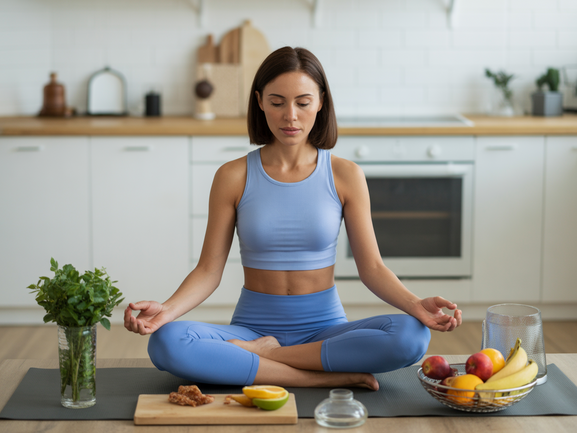
- Centering (2-3 minutes): Begin in a comfortable seated position. Close your eyes and take several deep, slow breaths to ground yourself in the present moment.
- Warm-up (5-10 minutes): Gently move your body with simple stretches. Try neck rolls, shoulder shrugs, and cat-cow poses to release initial tension from your spine and joints.
- Asana Practice (20-30 minutes): Flow through a series of foundational yoga postures (asanas). Focus on linking your breath to each movement. A simple sequence could include Sun Salutations, Warrior poses, and gentle backbends.
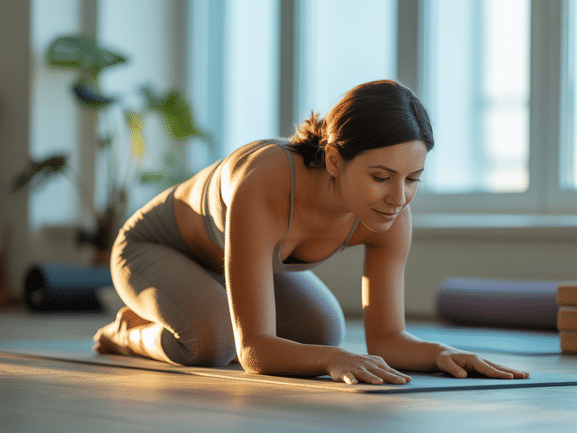
- Cool-down (5 minutes): Transition to restorative poses like Child’s Pose or a gentle spinal twist to lower your heart rate and prepare the body for deep rest.
- Savasana (5-10 minutes): Lie on your back in the “corpse pose.” Allow your body to feel heavy and completely relax. This pose helps integrate the physical and mental benefits of the practice.
- Guided Meditation (10-20 minutes): Move back to a comfortable seated position. Begin your meditation, focusing on the sensation of your breath. When your mind wanders—and it will—gently guide your attention back without criticism.
The Transformative Benefits of a Consistent Practice
The advantages of a consistent yoga and meditation routine are extensive and backed by a growing body of scientific research. They impact every aspect of your life, from how you feel physically to how you interact with the world emotionally.
According to a 2026 industry report, 85% of individuals practicing yoga and meditation at least three times a week report a significant decrease in anxiety levels and a 60% improvement in sleep quality within three months.
Key Pillars of Well-being:
- Improved Physical Health: Experience increased flexibility, enhanced muscle strength and tone, better posture, improved circulatory health, and a stronger immune system.
- Profound Stress and Anxiety Reduction: Actively lower cortisol levels in the body, promoting a sustained state of calm and resilience against daily stressors.
- Enhanced Mental Clarity and Focus: Sharpen your concentration, memory, and problem-solving skills by training your mind to remain focused and present.
- Greater Emotional Regulation: Develop the ability to observe your emotions without being controlled by them, leading to greater emotional stability and healthier responses.
- Boosted Energy and Vitality: Consistent practice can increase your vitality more effectively and sustainably than a morning cup of coffee by improving metabolic efficiency.
Choosing Your Path: Exploring Different Styles
The worlds of yoga and meditation are vast and varied. Finding a style that resonates with you is key to building a lasting practice. Here’s a brief overview to help you start:
Popular Yoga Styles for Beginners:
- Hatha Yoga: A slower-paced class focused on basic postures. Perfect for absolute beginners.
- Vinyasa Yoga: A more dynamic style where movement is synchronized with breath, creating a fluid sequence.
- Restorative Yoga: Uses props like bolsters and blankets to support the body in gentle poses for deep relaxation.
Common Meditation Techniques:
- Mindfulness Meditation: The practice of paying attention to your breath and bodily sensations.
- Guided Meditation: Following voice prompts to visualize or focus your mind, often available on apps like Vitalizen.
- Loving-Kindness Meditation: Focuses on cultivating feelings of compassion and love for yourself and others.
Yoga and Meditation for Business and Life Performance
In a world that demands constant connectivity and high performance, burnout is a real and pervasive threat. Yoga and meditation offer a powerful antidote. By investing time in your well-being, you’re not being selfish; you’re making a strategic investment in your ability to show up as your best self in your personal and professional life.
These mindfulness practices build resilience, helping you navigate challenges with a clearer, calmer mind. For more insights, the American Psychological Association details the science behind how mindfulness improves cognitive function and emotional regulation.
🎯 Ready to boost your performance? Start your journey with the Vitalizen App and unlock your full potential.
How Much Does It Cost to Implement Yoga and Meditation?
The cost of starting a yoga and meditation practice can vary widely, making it accessible to nearly any budget. You can start for free at home or invest in premium, personalized instruction. The Vitalizen App offers a balanced approach with affordable subscription plans that provide expert guidance.
| Method | Initial Cost | Monthly Cost | Key Advantage |
|---|---|---|---|
| At-Home (Free Resources) | $0 – $50 (for a mat) | $0 | No cost, ultimate flexibility |
| Subscription App (Vitalizen) | $0 (free trial) | $10 – $30 | Guided content, progress tracking |
| Local Studio Membership | $50 – $100 (intro offer) | $120 – $200 | In-person instruction, community |
How to Start Your Practice Today
Starting is simpler than you think. You don’t need to be flexible or have a perfectly quiet mind. All you need is a willingness to begin. Taking that first step is a powerful act of self-care. Research from authoritative sources like the National Center for Complementary and Integrative Health (.gov) confirms the significant benefits for beginners.
Begin by setting aside just 10-15 minutes each day. Find a quiet space, put on comfortable clothing, and choose a guided session from our blog or app. Remember, consistency is more important than intensity. A short daily practice is far more effective than a long, infrequent one.
💡 Tip: Download our free guide, “7 Days to a More Mindful You,” to kickstart your journey with daily prompts and inspiration!
Frequently Asked Questions About Yoga and Meditation
How long does it take to see the benefits of yoga and meditation?
While some benefits, like reduced stress, can be felt after a single session, most significant changes occur with consistent practice. Many people report feeling more focused and calm within 1-2 weeks. Physical benefits, such as increased flexibility and strength, typically become noticeable within 4-8 weeks of practicing 2-3 times per week.
Do I need to be flexible to start yoga?
Absolutely not. This is a common misconception. Saying you’re not flexible enough for yoga is like saying you’re too dirty to take a shower. Yoga is the very practice that *builds* flexibility. The Vitalizen App offers beginner-friendly classes that meet you where you are, using modifications and props to support your body.
What is the main goal of the Vitalizen App?
The main goal of the Vitalizen App is to make the transformative benefits of yoga and meditation accessible to everyone, regardless of experience or lifestyle. We provide high-quality guided sessions, personalized programs, progress tracking, and a supportive community to help you build a consistent and life-changing practice.
Can I use the Vitalizen App as a complete beginner?
Yes! The app is designed for all levels, especially beginners. You can start with our “Beginner’s Path” series, which introduces the fundamental principles of yoga and meditation in short, easy-to-follow sessions. To get started, simply visit our ‘Start Now’ page.
How can I contact you if I have a question?
We are here to help you on your wellness journey. If you have any questions, feedback, or need support, please reach out to us through our Contact page. Our dedicated team will be happy to assist you.
Conclusion: Embrace Your Path to Lifelong Well-being
Ultimately, integrating yoga and meditation into your life is a profound investment in your long-term health and happiness. It’s a journey of self-discovery that builds resilience, clarity, and peace from the inside out. With a dedicated partner like the Vitalizen App, you have all the tools and support you need to succeed. So, why wait? Embrace this opportunity to cultivate a healthier, more balanced you today.