


Start Yoga in 2026: A Beginner’s Complete Guide
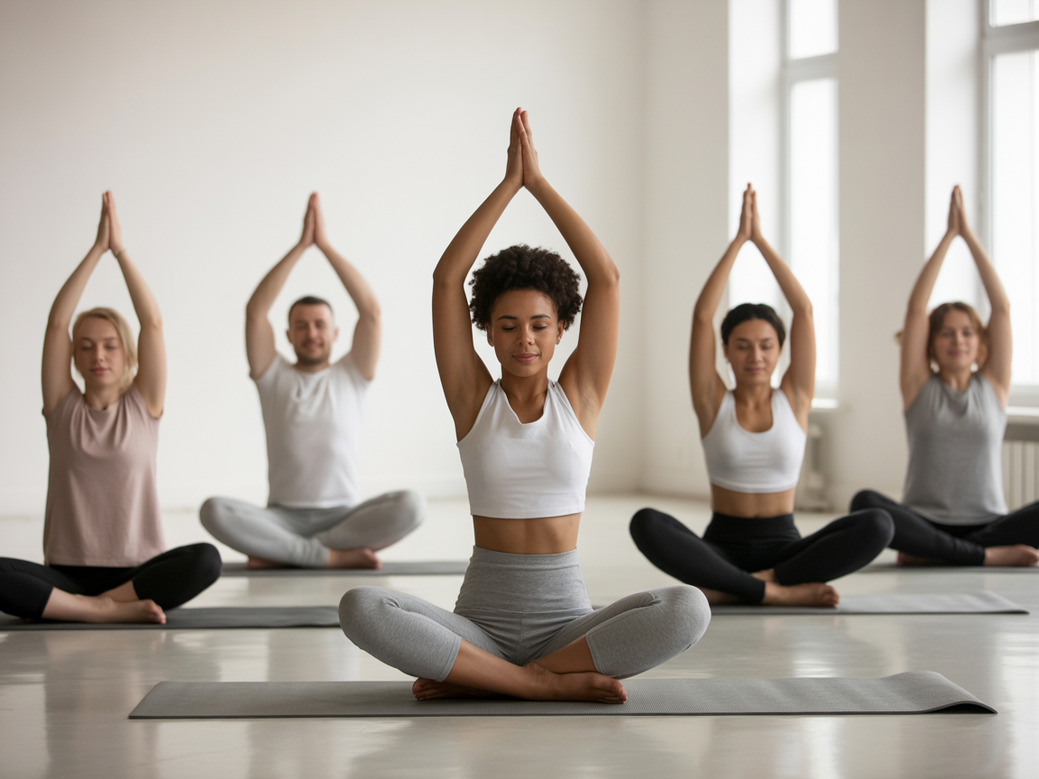
Starting a new practice can feel overwhelming, but deciding to start yoga is one of the best gifts you can give yourself. Yoga is an accessible, ancient practice that connects the body, breath, and mind to dramatically improve your overall well-being. It’s not about twisting into a pretzel; it’s about building strength, increasing flexibility, and finding calm in a chaotic world.
You don’t need to be flexible or already in shape to begin. The only prerequisite is a willingness to try. This guide is designed to give you the confidence and knowledge to start your yoga journey in 2026.
With modern tools like the Vitalizen App, you have a personal yoga instructor right in your pocket. Ready to transform your health and discover a more balanced life? Let’s begin.
Why Start a Yoga Practice in 2026?
In our hyper-connected, fast-paced world, the need for practices that ground us is more critical than ever. Yoga offers a sanctuary. Its benefits are not just anecdotal; they are backed by extensive scientific research. It’s a powerful tool for managing the pressures of modern life and enhancing your physical and mental health.
- Builds Functional Strength: Unlike weightlifting, yoga uses your own body weight to build lean muscle, improving tone, stability, and endurance for everyday activities.
- Enhances Flexibility and Mobility: Consistent practice lengthens tight muscles and increases the range of motion in your joints. This reduces aches, improves posture, and helps prevent injuries.
- Dramatically Reduces Stress and Anxiety: The deliberate focus on breathwork (pranayama) and mindfulness calms the central nervous system, lowering cortisol levels and promoting a sense of peace.
- Improves Sleep Quality: By calming the mind and releasing physical tension, yoga prepares your body for deeper, more restorative sleep, helping you wake up refreshed.
- Boosts Mental Clarity and Focus: The meditative aspects of yoga train your brain to stay in the present moment, which can improve concentration and cognitive function in all areas of your life.
According to a 2026 wellness industry report, 75% of people who started practicing yoga reported a significant decrease in stress levels within the first three months, highlighting its immediate impact as a mental health tool.
Research from authoritative institutions like the National Center for Complementary and Integrative Health (NCCIH) confirms that yoga is an effective practice for managing stress, improving mood, and fostering healthy lifestyle habits.
How to Start Yoga: Your 5-Step Practical Guide
Feeling inspired to roll out your mat? It’s simpler than you think. Follow these five actionable steps to begin your yoga practice on the right foot. This is your practical roadmap to a strong and sustainable start.
Step 1: Define Your ‘Why’ (Your Intention)
Before you even think about poses, take a moment to set a clear intention. What do you hope to gain from this practice? Your goal doesn’t have to be lofty. It could be to:
- Feel stronger and more confident in your body.
- Become more flexible to ease daily stiffness.
- Find a quiet moment of calm in a busy day.
- Improve your posture after long hours at a desk.
Your ‘why’ is your anchor. It will motivate you to return to the mat on days when you don’t feel like it and will make your practice more meaningful.
Step 2: Gather Your Essential (and Optional) Equipment
You don’t need a lot of expensive gear to start yoga. The focus is on your body and breath. However, a few items can make your practice safer and more comfortable.
Must-Haves:
- A Yoga Mat: This is your most important investment. It provides a non-slip surface for safety and essential cushioning for your joints.
- Comfortable Clothing: Choose clothes that are breathable and allow you to move without restriction. Athletic wear or simple leggings and a t-shirt are perfect.
- An Open Mind: Approach your practice with curiosity and without judgment. This is the most crucial element for a successful yoga journey.
Optional but Helpful Props:
- Yoga Blocks: These bring the floor closer to you in certain poses, making them more accessible.
- A Yoga Strap: Helps you deepen stretches safely without over-extending.
- A Bolster or Cushion: Useful for providing support in restorative or seated poses.
Step 3: Learn 5 Foundational Yoga Poses for Beginners
Familiarizing yourself with a few basic poses will build your confidence. Focus on how the pose feels, not how it looks. For a deeper dive, explore resources like the Beginner’s Guide from Yoga Journal.
- Mountain Pose (Tadasana): The blueprint for all standing poses. It teaches balance, posture, and body awareness. Stand tall, feet together or hip-width apart, press down through your feet, and lengthen your spine.
- Downward-Facing Dog (Adho Mukha Svanasana): A gentle inversion and full-body stretch that energizes the body and calms the mind. From your hands and knees, lift your hips up and back, forming an inverted ‘V’ shape. Keep your knees generously bent at first.
- Warrior II (Virabhadrasana II): Builds strength in the legs and core while opening the hips and shoulders. Step your feet wide apart, turn one foot out 90 degrees, and bend the front knee over the ankle. Extend your arms parallel to the floor.
- Tree Pose (Vrksasana): A classic balancing pose that improves focus, concentration, and stability. Shift your weight to one foot and place the sole of your other foot on your ankle, calf, or inner thigh (avoid the knee).
- Child’s Pose (Balasana): A gentle resting pose that calms the nervous system and releases tension in the back, hips, and shoulders. From your knees, sit back on your heels and fold forward, resting your forehead on the mat.
Step 4: Follow a Guided First Session
For your first time, it’s highly recommended to follow a guided class. This ensures you practice safely and learn the fundamentals correctly. The Vitalizen App is designed for this, with a library of sessions tailored for absolute beginners.
A guided session helps you focus on your breath and listen to your body’s signals, preventing injury and building a strong foundation for a sustainable practice.
> 💡 **Ready to try?** The Vitalizen App offers a free 7-day trial with access to all beginner programs. Start your first guided session today!
Step 5: Create a Consistent Schedule
Consistency is far more important than duration, especially when you start yoga. Aim for short, frequent sessions rather than one long, infrequent one. A simple schedule could be:
- Goal: 15-20 minutes, 3 times a week.
- When: First thing in the morning to energize your day, or in the evening to unwind.
- What: Follow a beginner-focused guided class or practice the 5 foundational poses you’ve learned.
Listen to your body. Some days you’ll feel energetic, and others you’ll need a more restorative practice. The key is to show up for yourself.
Which Type of Yoga Is Best for Beginners?
With so many yoga styles available, it can be confusing to know where to start. For beginners, it’s best to choose a style that moves at a slower pace and emphasizes foundational principles of alignment and breath.
| Style | Pace | Primary Focus | Why It’s Great for Beginners |
|---|---|---|---|
| Hatha | Slow | Alignment & Basic Poses | It’s the perfect entry point. Poses are held longer, giving you time to learn proper alignment and connect with your breath. |
| Vinyasa | Moderate to Fast | Breath-Synchronized Flow | Good, but choose a “Beginner” or “Slow-Flow” class. The continuous movement can be meditative and build heat. |
| Yin | Very Slow | Deep Stretching & Meditation | Excellent for improving flexibility and calming the mind. Poses are held for several minutes, targeting deep connective tissues. |
| Restorative | Still | Deep Relaxation | Uses props to fully support the body in restful poses. It’s ideal for stress relief and is accessible to everyone. |
Overcoming Common Beginner Challenges
Every new journey has its hurdles. Here’s how to navigate the most common challenges when you start a yoga practice:
- Feeling Inflexible: Remember, flexibility is a result of yoga, not a requirement. Use props like blocks and straps to support your body. Celebrate small improvements!
- Muscle Soreness: It’s normal to feel some muscle soreness (known as DOMS) when you start. Ensure you’re hydrating, and try a gentle stretching session or a warm bath to soothe your muscles.
- Feeling Awkward or Uncoordinated: Everyone feels this way at first! Focus on your own mat and your own breath. With practice, the movements will become more familiar and fluid.
- Lack of Motivation: Reconnect with your ‘why’. Remind yourself of your intention for starting. Even a 5-minute practice is better than none. Find more tips on our Vitalizen blog.
Frequently Asked Questions About Starting Yoga (FAQ)
Do I need to be flexible to start yoga?
Absolutely not. This is the most common myth in yoga. Flexibility is a result of a consistent practice, not a prerequisite. Yoga meets you exactly where you are today. The goal is to safely explore your body’s range of motion, not to force yourself into a specific shape.
How often should a beginner practice yoga?
Consistency is more important than duration. Starting with 15-20 minutes, 2-3 times per week, is a fantastic and achievable goal. The Vitalizen App offers hundreds of short sessions perfect for a busy schedule. Listen to your body and find a rhythm that feels sustainable for you.
Can yoga help with weight loss?
Yes, yoga can be a powerful tool for weight management. Active styles like Vinyasa increase your heart rate, which helps burn calories. More importantly, the mindfulness developed through yoga can lead to more conscious eating habits and reduce stress-related eating, addressing key factors in sustainable weight loss. A study from a Harvard Medical School publication supports this connection.
What is the difference between yoga and stretching?
While yoga certainly involves stretching, it is a much more holistic practice. Yoga intentionally integrates the breath (pranayama) and mindfulness with physical postures (asanas). Stretching primarily focuses on increasing muscular flexibility, whereas yoga aims to unify the mind, body, and spirit, leading to broader benefits like stress reduction, mental clarity, and emotional balance.
Can I do yoga if I’m not in shape?
Yes, absolutely. Yoga is for every body, regardless of current fitness level, age, or size. There are numerous modifications for every single pose to make them more accessible. Beginner-focused classes and styles like Hatha, Yin, or Restorative yoga are excellent and welcoming starting points. The journey is about progress, not perfection.
Your Journey Starts Now
Embarking on a yoga journey is a profound act of self-care—a path to a stronger body, a calmer mind, and a more connected spirit. We’ve covered the essential steps to help you start yoga with confidence, but the real adventure begins with your first conscious breath on the mat.
Don’t wait for the ‘perfect’ moment or until you ‘get in shape’. The perfect moment is now.
🎯 Ready to start your transformation? Download the Vitalizen App today and let our expert instructors guide you. If you have any more questions, please contact us. We are here to support you every step of the way.