
How Yoga Can Reverse the Damage of a Sedentary Lifestyle in 2026
In our modern world, the daily routine often involves moving from a bed to a car seat, then to an office chair for eight hours, and finally to a couch. This is the reality of a sedentary lifestyle—a daily rhythm defined by prolonged sitting and minimal physical activity. While common, this routine has left millions feeling stiff, chronically tired, and mentally drained because our bodies are fundamentally designed for movement, not stillness.
The solution doesn’t require grueling, high-intensity workouts. Yoga offers a powerful, accessible, and mindful path to counteract the pervasive negative effects of sitting. It’s a practice of reconnecting with your body through gentle, deliberate movement and breath. With supportive tools like the Vitalizen App | Yoga + Meditation, seamlessly integrating this transformative practice into your daily life has never been more straightforward.
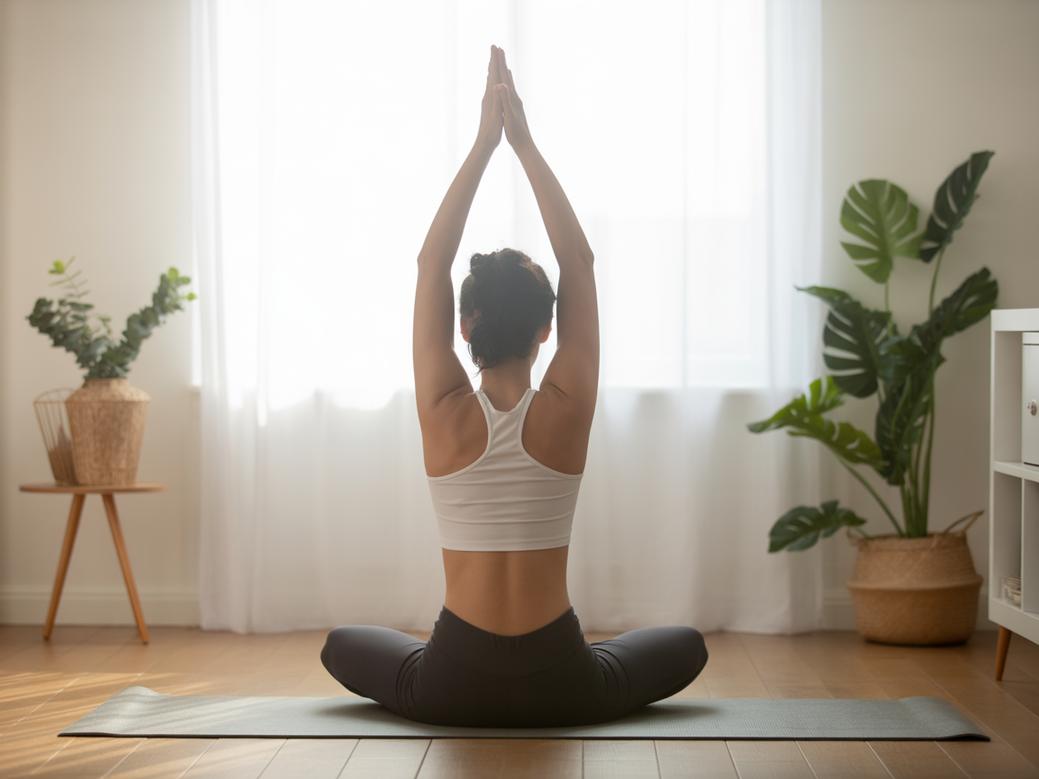
The Silent Health Crisis: Why a Sedentary Lifestyle is So Dangerous
To truly address a problem, we must first understand its depth. A sedentary lifestyle is far more than just an ache in your back; it’s a significant health crisis linked to a host of chronic conditions. The profound lack of physical activity disrupts your metabolism, degrades your posture, and can significantly amplify feelings of anxiety and stress. The good news? Even small, consistent adjustments can yield remarkable health improvements.
According to a 2026 report from the World Health Organization (WHO), adults who remain seated for over eight hours daily with no physical activity face a mortality risk comparable to that of obesity and smoking.
The impact of physical inactivity is systemic, affecting everything from your cardiovascular system to your mental clarity. Let’s break down the primary risks:
- Metabolic Disruption: Prolonged sitting slows down your metabolism, impairing your body’s ability to regulate blood sugar and blood pressure, and to metabolize fat. This significantly increases the risk of developing type 2 diabetes and metabolic syndrome.
- Cardiovascular Strain: Movement helps circulate blood more efficiently. When you’re sedentary, blood flow slows, making it easier for fatty acids to clog the arteries, leading to a higher risk of heart disease and stroke.
- Musculoskeletal Decline: Sitting for long periods puts immense pressure on your spine, weakens large leg and gluteal muscles, and tightens hip flexors. This leads to poor posture, chronic back pain, and reduced mobility.
- Mental Health Impact: Our physical and mental health are deeply intertwined. A lack of movement is linked to increased risks of depression and anxiety. Physical activity, on the other hand, boosts endorphins and improves mood.
Fortunately, you have the power to actively reverse these effects. Introducing short, mindful bursts of movement—especially through a holistic practice like yoga—can make a world of difference.
How Yoga Directly Counteracts the Effects of a Sedentary Lifestyle
Yoga is a comprehensive practice that works on multiple levels to undo the damage of sitting. It’s not merely about stretching tight muscles; it’s about cultivating a more resilient, balanced, and energized body and mind. For anyone tied to a desk, yoga offers targeted solutions.
Unlock Your Body’s Potential
The table below illustrates the common problems caused by a sedentary lifestyle and how yoga provides a direct, effective solution for each.
| Problem from Sedentary Lifestyle | How Yoga Provides a Direct Solution |
|---|---|
| Poor Posture & Chronic Back Pain | Strengthens core and back muscles (e.g., in Plank and Bridge pose), promoting natural spinal alignment and relieving pressure. |
| Reduced Blood Circulation | Encourages healthy blood flow through dynamic movements, twists, and gentle inversions that oxygenate the entire body. |
| Increased Stress & Anxiety | Combines mindful breathing (pranayama) with physical movement to activate the parasympathetic nervous system and induce calm. |
| Low Energy & Mental Fatigue | Boosts oxygen levels in the brain and releases endorphins, increasing vitality and sharpening mental focus. |
| Tight Hips and Hamstrings | Poses like Pigeon and Forward Bends specifically target and release tension in the hips and legs, restoring mobility. |
Your Anti-Sedentary Yoga Toolkit: 7 Essential Poses
You don’t need a full hour or a fancy studio to reap the benefits. Here are seven simple yet highly effective poses you can do to break up your day. Some can even be done right at your desk. This routine is designed to take less than 15 minutes.
-
1. Cat-Cow Stretch (Marjaryasana-Bitilasana)
This is the perfect dynamic stretch to awaken your spine. Start on your hands and knees with a neutral spine. As you inhale, drop your belly towards the floor and look up, opening your chest (Cow Pose). As you exhale, round your spine up to the ceiling and tuck your chin to your chest (Cat Pose). Repeat this fluid movement for 8-10 breath cycles to improve spinal flexibility and release tension.
-
2. Seated Forward Bend (Paschimottanasana)
While sitting on the floor with your legs extended straight in front of you, hinge forward from your hips, not your waist. Gently reach for your feet, ankles, or shins. The goal is not to touch your toes, but to feel a release. Focus on the stretch in your hamstrings and lower back. This pose is incredibly calming for the nervous system.
-
3. Mountain Pose (Tadasana)
Simply standing with intention can be a powerful pose. Stand with your feet together or hip-width apart. Ground down through all four corners of your feet, engage your leg muscles, and lengthen your spine as if a string were pulling the crown of your head upward. Roll your shoulders back and let your arms rest at your sides. It’s a fantastic postural reset.
-
4. Wrist and Finger Stretches
This is a non-negotiable for anyone who types all day. Extend one arm in front of you, palm up. With your other hand, gently pull your fingers down and back toward your body until you feel a stretch in your wrist and forearm. Hold for 30 seconds, then switch sides. This simple action helps prevent repetitive strain injuries, a common issue in a sedentary lifestyle. For more information on workplace ergonomics, see these tips from NIOSH (CDC).
-
5. Low Lunge (Anjaneyasana)
From a hands-and-knees position, step one foot forward between your hands. Slide the back knee further back until you feel a deep stretch in the hip flexor of the back leg. This pose directly counters the hip-tightening effect of sitting all day. Hold for 5-8 breaths on each side.
-
6. Bridge Pose (Setu Bandhasana)
Lie on your back with your knees bent and feet flat on the floor, hip-width apart. Press into your feet and lift your hips off the floor. This pose strengthens your glutes and hamstrings—muscles that become weak from sitting—while gently stretching the front of your body.
-
7. Corpse Pose (Savasana)
Yes, the pose of total relaxation is one of the most important. Lie on your back, let your feet fall open naturally, and rest your arms by your sides with palms facing up. Close your eyes and bring your attention to your breath for 3-5 minutes. It’s a powerful way to reset your mind, release residual tension, and integrate the benefits of your movement.
Building a Sustainable Habit: Integrating Yoga Into Your Workday
The secret to combating a sedentary lifestyle isn’t a single heroic workout, but small, consistent actions. Integrating these “movement snacks” into your day is far more effective than trying to find a full hour. Here’s how to make it happen:
- Schedule It: Block out two 10-minute slots in your calendar for movement, just like you would for a meeting. Treat them as non-negotiable appointments with your well-being.
- Start Small: Don’t overwhelm yourself. Commit to just one pose, like the Cat-Cow stretch, every morning for a week. Once that becomes a habit, add another.
- Use Technology Wisely: Set a recurring timer to remind you to stand up and stretch every hour. Use an app like Vitalizen for guided sessions that fit your schedule.
- Listen to Your Body: If your back feels stiff, do a Forward Bend. If you feel sluggish, stand in Mountain Pose. Let your body’s signals guide your movement choices.
> 💡 **Pro Tip:** Pair your new yoga habit with another daily activity. For example, do your Wrist Stretches every time you refill your water bottle. This technique, called habit stacking, makes it easier to stay consistent.
Ready to Reclaim Your Well-being?
Integrating these small, mindful movements into your day can lead to profound changes in how you feel, both physically and mentally. Instead of allowing a sedentary lifestyle to dictate your health, you can take active control with the gentle power of yoga. The Vitalizen App is designed to be your trusted companion on this path, with guided sessions, meditations, and programs for all levels.
Frequently Asked Questions About Yoga for a Sedentary Lifestyle
I’m not flexible at all. Can I still do yoga?
Absolutely! This is the most common myth about yoga. You don’t need to be flexible to start yoga; rather, yoga is the practice that helps you build flexibility safely. It’s about your personal progress, not perfection. The Vitalizen App offers beginner-friendly classes that meet you exactly where you are.
How much time do I really need to practice to see benefits?
Even 5-10 minutes a day can make a significant difference, especially when you’re counteracting hours of sitting. Consistency is far more important than duration. Our app features sessions of various lengths, from 5-minute resets to 30-minute flows, designed to fit any schedule. For more ideas, check our article on 5-minute meditations.
Is the Vitalizen App suitable for complete beginners?
Yes! We designed Vitalizen with beginners in mind. You’ll find guided meditations and foundational yoga practices that are clear, encouraging, and easy to follow, helping you build a strong and safe practice from day one. Start your wellness journey now and see for yourself!
Can yoga truly help with back pain from sitting all day?
Yes, yoga is highly effective for alleviating back pain caused by poor posture and prolonged sitting. Poses like Cat-Cow, Bridge Pose, and gentle spinal twists help to stretch and strengthen the muscles supporting the spine, providing immediate relief and preventing future pain. Learn more in our guide to yoga for back pain.
Do I need special equipment for these desk-friendly poses?
No special equipment is needed for the poses listed in this article. They are designed to be done with just your body and a bit of space. For floor poses, a yoga mat can provide comfort, but a carpeted floor or towel works perfectly fine when you’re starting out.
Ultimately, reclaiming your well-being from a sedentary life starts with a single, simple step: a stretch, a deep breath, a moment of mindfulness. What is the one small change you can commit to today? Share your thoughts in the comments below!
For more tips and guidance, be sure to explore our other articles on yoga and meditation.