

Yoga and Meditation for Anxiety: Your Path to Inner Peace in 2026
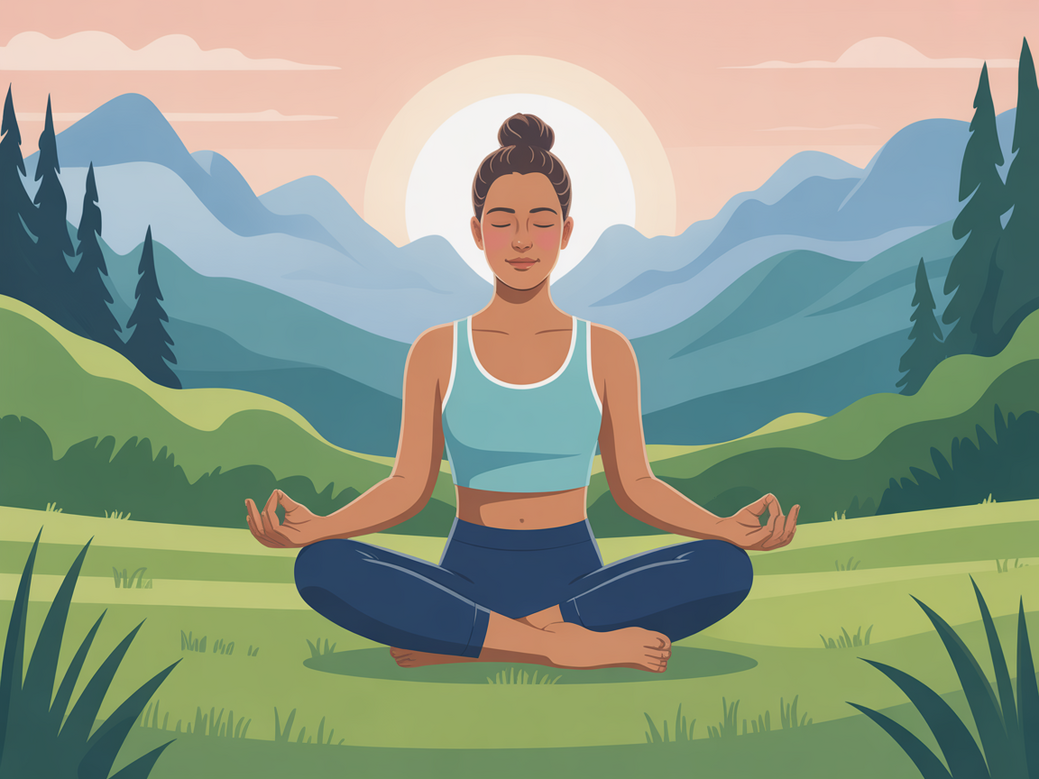
Yoga and meditation for anxiety are evidence-based practices offering a powerful, natural path to inner peace. By combining physical postures, controlled breathing, and mindfulness, you can actively calm your nervous system and break the cycle of worry. This guide explores how to use these ancient tools, supported by modern science, to manage anxiety effectively and anchor yourself in the present for lasting mental clarity.
In our fast-paced world, feeling overwhelmed is common. However, when worry becomes a constant companion, it’s likely anxiety. Ready to start this transformative journey? The Vitalizen App | Yoga + Meditation is designed to guide you every step of the way.
Understanding Anxiety and Its Widespread Impact
Anxiety is the body’s natural response to stress, but it becomes a disorder when feelings of dread and fear are persistent, overwhelming, and interfere with daily life. Unlike momentary stress, chronic anxiety can feel like a constant state of high alert. According to a Global Wellness Institute report from early 2026, nearly one-third of adults report experiencing significant anxiety symptoms, a 15% increase since 2023.
Recognizing the symptoms is the first step toward managing them. Common signs include:
- Physical Symptoms: A racing heart, tense muscles, shortness of breath, headaches, and chronic fatigue. These occur as the body is flooded with stress hormones like cortisol and adrenaline.
- Mental Symptoms: An inability to concentrate, racing thoughts, catastrophizing, and persistent irritability. It can feel impossible to quiet the mind’s ‘what if’ scenarios.
- Behavioral Symptoms: Avoidance of situations that trigger anxiety, social withdrawal, and changes in sleep or eating patterns.
Finding a sustainable way to manage these symptoms is crucial. This is why many are turning to holistic practices like yoga and meditation for anxiety to find lasting relief and build resilience.
How Yoga for Anxiety Calms Your Nervous System
Yoga creates a powerful trifecta against anxiety by integrating physical postures (asanas), breathing exercises (pranayama), and mindfulness. This combination directly addresses both the physical and psychological symptoms of anxiety, helping to soothe the entire nervous system and promote stress reduction.
Activating the “Rest and Digest” Response
When you’re anxious, your sympathetic nervous system—the “fight or flight” response—is in overdrive. Yoga helps activate the parasympathetic nervous system, also known as the “rest and digest” system. Deep, controlled breathing is a core component that signals to your brain that it’s safe to relax. This process helps lower your heart rate, reduce blood pressure, and decrease levels of the stress hormone cortisol. It also increases GABA, a neurotransmitter that promotes calmness.
Which Yoga Styles Are Best for Anxiety Relief?
While any yoga can be beneficial, certain styles are particularly effective for a calm mind. The key is choosing a practice that emphasizes mindfulness and gentle movement over intense physical exertion. Using yoga and meditation for anxiety should be a restorative experience.
| Yoga Style | Primary Focus | Best For | Intensity |
|---|---|---|---|
| Hatha Yoga | Basic postures and breathing | Beginners seeking a gentle introduction to yoga for anxiety. | Low |
| Restorative Yoga | Deep relaxation using props (bolsters, blankets) | Releasing deep-seated tension and chronic stress. | Very Low |
| Yin Yoga | Long-held passive poses to target connective tissues | Improving flexibility and practicing mindful stillness. | Low to Medium |
For more poses and routines, explore our guide to beginner yoga poses.
The Role of Meditation in Building Mental Clarity
If yoga is the physical practice, meditation is the mental workout. Meditation trains you to become less reactive to anxious thoughts and emotions. Through mindfulness—a key component—you learn to observe your thoughts without judgment, creating space between you and your feelings.
“A 2026 study from Yale University’s School of Medicine found that participants in an 8-week mindfulness meditation program showed a 30% reduction in self-reported anxiety symptoms and measurable changes in the brain’s amygdala, the region associated with fear.”
This practice helps you realize that thoughts are just thoughts—temporary events in the mind that do not have to control you. Scientific reviews, like this one from trusted government health sources and research from institutions like Harvard University, consistently highlight that meditation and yoga significantly improve anxiety symptoms.
🎯 Ready to experience this firsthand? Start your wellness journey with the Vitalizen App today!
How to Start Your Practice of Yoga and Meditation for Anxiety
Taking the first step is often the hardest, but building a consistent practice is achievable. By integrating yoga and meditation for anxiety into your routine, you are not just treating symptoms; you are building resilience from within. Here is a simple, step-by-step guide:
- Set a Realistic Goal: Don’t aim for an hour-long session daily. Start with just 5-10 minutes, three times a week. Consistency is far more important than duration when forming a new habit.
- Create a Dedicated Space: Find a quiet corner where you won’t be disturbed. Having a designated space signals to your brain that it’s time to relax and focus inward.
- Use Guided Sessions: As a beginner, guided yoga and meditation are incredibly helpful. They remove the guesswork and provide structure, making wellness accessible anytime, anywhere.
- Focus on Your Breath: If you feel lost or overwhelmed, simply bring your attention back to your breath. It is the ultimate anchor to the present moment. Explore our guide on breathing techniques.
- Be Patient and Kind to Yourself: Your mind will wander. You will have restless days. That is a normal part of the practice. The goal is not perfection, but gentle persistence and self-compassion.
Beyond Anxiety: The Holistic Benefits of a Consistent Practice
Integrating yoga and meditation into your life offers benefits that extend far beyond anxiety management. It’s an investment in your overall well-being. By committing to a regular practice, you are actively taking control of your health and cultivating a deeper connection with yourself.
Some of the broader benefits include:
- Improved Sleep Quality: Calming the nervous system before bed can lead to deeper, more restorative sleep.
- Enhanced Focus and Concentration: Mindfulness practice strengthens your ability to direct your attention.
- Increased Emotional Regulation: You become better equipped to handle life’s stressors without feeling overwhelmed.
- Greater Self-Awareness: The practice fosters a stronger connection between your mind and body.
Discover what Vitalizen.app is and see how our guided sessions can fit seamlessly into your life.
Last updated: January 21, 2026
Frequently Asked Questions About Yoga and Meditation for Anxiety
How long does it take for yoga and meditation to help with anxiety?
While some people feel immediate relief after one session, the most significant benefits of yoga and meditation for anxiety come from consistent practice. Generally, practicing a few times a week for 4-8 weeks can lead to a noticeable and lasting reduction in anxiety levels.
Do I need to be flexible to practice yoga for anxiety?
Not at all! This is a common misconception. Yoga is not about touching your toes; it’s about what you learn on the way down. The practice will help you improve flexibility over time. Our app offers beginner-friendly sessions that meet you where you are.
What if I can’t quiet my mind during meditation?
This is the most normal experience! The goal of meditation isn’t an empty mind, but to notice when your mind has wandered and gently bring it back to your anchor (like your breath). Each time you do this, you are strengthening your mindfulness muscle.
What is the difference between stress and anxiety?
Stress is typically a response to an external trigger and subsides once the trigger is gone (e.g., a work deadline). Anxiety, on the other hand, is persistent, excessive worry that doesn’t go away even in the absence of a stressor. While related, anxiety can be more debilitating.
When is the best time of day to practice?
The best time to practice is whenever you can do it consistently. Many people prefer the morning to set a calm tone for the day, while others find an evening practice helps them unwind and improve sleep. Experiment to see what works for you.
How can I get started with the Vitalizen App?
💡 Tip: It’s simple! Just visit our website and start your wellness journey now. We offer a variety of guided yoga and meditation sessions for all levels. If you have any questions, feel free to contact us.