

Yoga and Meditation: Your Definitive Path to a Balanced Life
In today’s relentlessly fast-paced world, finding a sense of balance can often feel like an unattainable dream. The constant demands of work, life, and digital connectivity pull us in countless directions, leaving us feeling drained and disconnected. However, the ancient practices of yoga and meditation offer a proven and powerful path to achieving profound mental, physical, and emotional well-being. Yoga is a holistic mind-body discipline that masterfully combines physical postures, controlled breathing techniques, and deep relaxation. In parallel, meditation is a focused practice dedicated to training attention and awareness, allowing you to cultivate a state of mental clarity and emotional calm.
But how exactly do these two ancient disciplines work in concert to produce such transformative results? This comprehensive article explores their powerful synergy, their science-backed benefits, and the practical steps you can take to begin your own journey. The combination of yoga and meditation is more than just a wellness trend; it’s a lifestyle that fosters resilience and inner peace.
The Powerful Synergy: How Yoga and Meditation Amplify Each Other
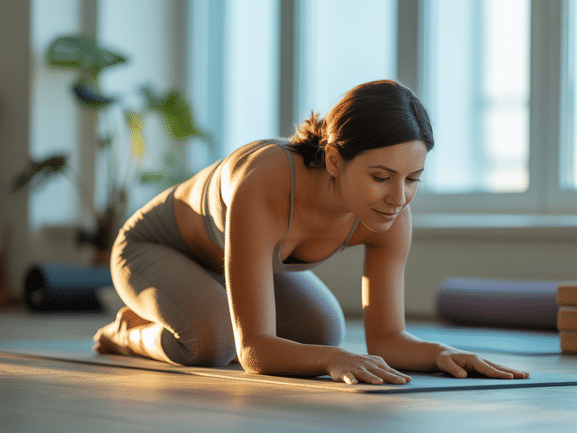
To truly understand their combined power, think of yoga as meticulously preparing the soil and meditation as planting the seed of mindfulness. Yoga, with its dynamic focus on physical postures (asanas) and breath regulation (pranayama), works to release accumulated physical tension from the body and soothe the entire nervous system. This essential physical preparation makes it significantly easier to sit in stillness and turn your focus inward for a deeper, more impactful meditative state. A calm body leads to a calm mind.
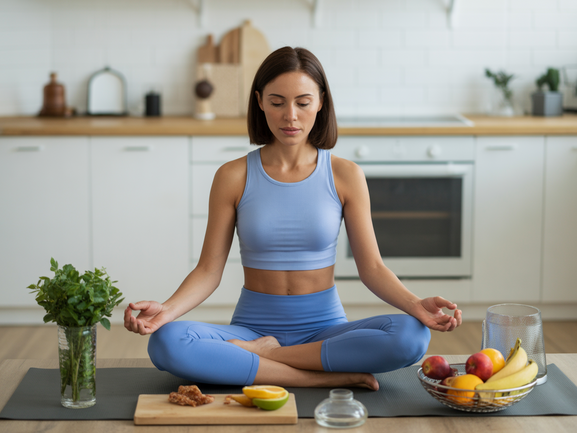
Furthermore, the state of mindfulness you cultivate during a yoga session—paying close, non-judgmental attention to your body’s sensations and the steady rhythm of your breath—is the very essence of meditation. The two practices are not separate entities; they are two sides of the same coin, intrinsically linked to guide you toward a unified state of mind-body harmony. One practice seamlessly enhances the other, creating a powerful, positive feedback loop that deepens your awareness and amplifies the benefits over time. This is the core of a successful yoga and meditation routine.

The Science-Backed Benefits of a Consistent Practice
Integrating yoga and meditation into your daily routine can unlock a wealth of incredible, scientifically validated benefits for your overall health. A commitment to this practice is an investment in your long-term well-being. Here are the most significant advantages you can expect:
- Drastic Stress and Anxiety Reduction: Both practices are proven to lower cortisol, the body’s primary stress hormone. A consistent routine helps you manage daily stressors more effectively and builds lasting resilience against anxiety and its symptoms.
- Improved Focus and Mental Clarity: Do you ever feel like your mind is running a marathon without your permission? Meditation trains your brain to sustain focus and gently set aside the endless stream of distractions. This enhanced concentration naturally extends into your professional and personal life.
- Enhanced Physical Health and Vitality: Yoga is widely celebrated for improving flexibility, building functional strength, and correcting posture. It also boosts circulation, supports the lymphatic system, and can be a powerful tool in pain management, as noted by sources like the National Institutes of Health (NIH).
- Better and More Restorative Sleep Quality: The profound calming effects of yoga and meditation on the nervous system can significantly improve your sleep patterns. By quieting the mental chatter that often keeps us awake, these practices pave the way for deeper, more restorative rest.
- Increased Self-Awareness and Emotional Intelligence: Ultimately, these practices are a journey inward. They create a safe space for you to observe your thoughts and emotions without judgment, leading to greater self-understanding, emotional regulation, and compassion for yourself and others.
“Neuroscience research from institutions like Harvard University shows that consistent meditation can physically alter the brain’s structure, increasing grey matter in areas associated with memory, learning, and emotional regulation.”
Practical Steps to Start Your Journey Today
Starting a yoga and meditation practice is more accessible than ever. You don’t need expensive gear or a flexible body to begin. The most important ingredient is your willingness to show up for yourself. Here’s how you can get started:
- Start Small and Be Consistent: Don’t aim for a 90-minute session on your first day. Begin with just 10-15 minutes of gentle yoga or a 5-minute guided meditation. Consistency is far more important than duration.
- Create a Dedicated Space: Find a quiet corner in your home where you won’t be disturbed. This small sanctuary will signal to your brain that it’s time to turn inward.
- Listen to Your Body: The golden rule of yoga is to honor your body’s limits. Never push into pain. The goal is mindful movement, not to force yourself into a pretzel shape. Flexibility is a result, not a requirement.
- Focus on Your Breath: Your breath is your anchor. Whenever your mind wanders (and it will), gently guide your attention back to the sensation of your inhales and exhales. This is the fundamental practice of mindfulness.
- Use Guided Resources: Especially for beginners, guided sessions are invaluable. They provide structure, instruction, and motivation.
🎯 Ready to start? The Vitalizen App | Yoga + Meditation is designed to be your personal guide on this transformative journey, with sessions for every level.
Choosing the Right Style of Yoga for You
The world of yoga is vast and diverse, with a style to suit every personality and physical need. Finding the right fit can make your practice more enjoyable and sustainable. Here are a few popular styles:
- Hatha Yoga: A great starting point for beginners. Classes are typically slower-paced and focus on basic postures and breathing techniques.
- Vinyasa Yoga: Known for its flowing, dynamic sequences that link breath to movement. It’s a more active and athletic style.
- Restorative Yoga: A deeply relaxing practice that uses props like bolsters and blankets to support the body in gentle poses for longer periods. It’s perfect for stress relief.
- Yin Yoga: A quiet, meditative practice that targets deep connective tissues by holding passive poses for several minutes.
Exploring different styles of yoga and meditation can be a rewarding part of the process. Many studios and apps, including Vitalizen, offer classes in various styles to help you find what resonates most with you.
| Practice | Primary Focus | Main Tools |
|---|---|---|
| Yoga | Body, Breath, and Mindful Movement | Postures (Asanas), Breathing (Pranayama) |
| Meditation | Mind, Awareness, and Inner Stillness | Attention, Focus, Observation |
The journey of yoga and meditation is a personal exploration. It’s about progress, not perfection. Every session is an opportunity to connect with yourself on a deeper level, fostering a balanced life from the inside out.
Frequently Asked Questions (FAQ)
How much time do I need to practice daily?
Even 10-15 minutes a day can make a significant impact. Consistency is far more important than duration, especially when you are starting. The Vitalizen App offers sessions of varying lengths, from 5-minute meditations to 60-minute yoga classes, so you can always find something that fits your schedule.
I’m not flexible. Can I still do yoga?
Absolutely! This is one of the most common myths. You do yoga to become more flexible and improve mobility. Flexibility is a result of the practice, not a prerequisite. Our beginner-friendly classes on the Vitalizen App are designed to guide you safely, helping you build strength and flexibility over time.
What is the difference between yoga and stretching?
While both involve physical movement to increase flexibility, they are fundamentally different. Stretching primarily focuses on elongating muscles. Yoga is a holistic practice that integrates the body, breath, and mind. It includes specific breathing techniques (pranayama) and mindfulness to create a meditative experience, which is not a component of simple stretching.
How does meditation physically change the brain?
Neuroscience research has shown that consistent meditation can physically alter the brain’s structure. It can increase grey matter density in the hippocampus (crucial for learning and memory) and decrease grey matter in the amygdala (the brain’s anxiety and fear center). This process is known as neuroplasticity.
What makes Vitalizen different from other wellness apps?
Vitalizen is more than just an app; it’s a companion for your well-being journey. We focus on the powerful, synergistic combination of yoga and meditation, offering a holistic approach that is both accessible and deeply transformative. Our content is curated by expert instructors to help you build a meaningful and lasting practice that brings genuine balance to your life.
The path to a more balanced, centered, and fulfilling life is within your reach. By embracing the combined power of yoga and meditation, you are giving yourself the invaluable gift of peace, clarity, and vitality. The journey of a thousand miles begins with a single, conscious breath.
💡 Tip: Start your journey to well-being now and experience this clarity for yourself with a free trial on the Vitalizen app!
Last update: Jan 24 2026. For more articles, news, tips, and guidance on yoga and meditation, be sure to explore our blog. If you have any questions, feel free to contact us.