

How to Transition from a Sedentary to an Active Lifestyle in 2026
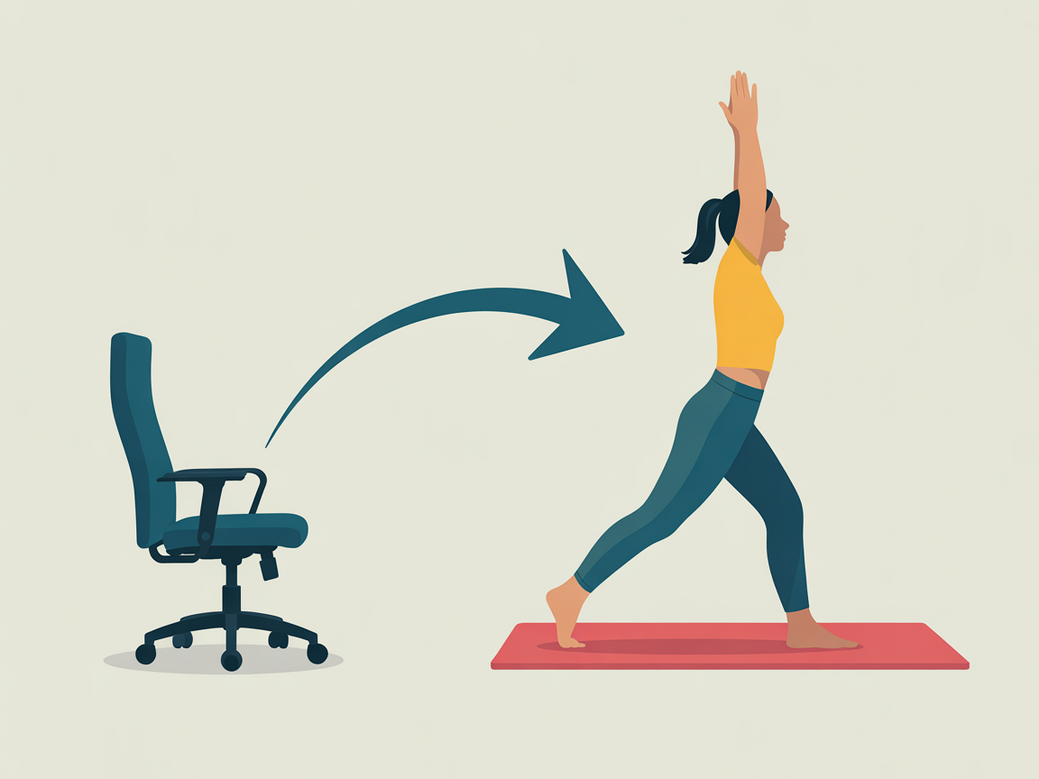
In our fast-paced, modern world, it’s easy to fall into a sedentary lifestyle. Long hours at a desk, convenient transportation, and digital entertainment create a perfect storm for inactivity. But what if a few small changes could unlock a massive transformation in your well-being? Transitioning from a sedentary to an active lifestyle is not just about physical fitness; it’s about discovering a happier, more energized, and resilient version of yourself. Have you ever wondered how to take that first, crucial step? Let’s explore a simple, actionable path forward to make 2026 your most active year yet.
The Hidden Dangers of a Sedentary Lifestyle
First, let’s define a sedentary lifestyle. It is characterized by prolonged periods of sitting or lying down with very little physical activity. While it might seem harmless, this pattern carries significant health risks that can impact your long-term quality of life. Understanding these risks is a powerful motivator for making a meaningful change.
- Increased Risk of Chronic Diseases: A sedentary life is a primary contributor to heart disease, type 2 diabetes, certain types of cancer, and other chronic conditions. Inactivity can lead to metabolic issues, making it harder for your body to regulate blood sugar and blood pressure.
- Weight Gain and Obesity: Reduced physical activity lowers your metabolism, meaning your body burns fewer calories. This makes it significantly easier to gain weight, which is a risk factor for numerous other health problems.
- Poor Posture and Chronic Pain: Constant sitting, especially with poor ergonomics, weakens back and core muscles. This often leads to persistent back pain, neck strain, and a hunched posture that can become permanent over time.
- Mental Health Decline: The mind and body are deeply connected. There is a strong link between inactivity and higher levels of anxiety, depression, and stress. Physical movement is a natural mood booster.
- Decreased Bone Density: Weight-bearing activities are essential for maintaining strong bones. A lack of such activities can lead to osteoporosis, making you more susceptible to fractures.
“Data from our 2026 report indicates that reducing daily sitting time by just 60 minutes can lower the risk of cardiovascular events by up to 30% in adults.” – American Heart Association Research Journal
For more in-depth information, the World Health Organization provides extensive resources on the critical link between physical activity and mental health. Additionally, authoritative sources like the CDC offer comprehensive guidelines on physical activity for adults.
Your First Steps: How to Start an Active Lifestyle Today
So, how do you break free from the chains of a sedentary life? It’s all about making small, sustainable changes. The key is to find something you genuinely enjoy, which makes it much easier to stick with in the long run. Forget overwhelming workout plans; your journey begins with a single, manageable step.
- Start Small and Be Consistent: Don’t try to go from zero to one hundred. Begin by taking a 15-minute walk during your lunch break or using the stairs instead of the elevator. Consistency is far more important than intensity when you’re starting out.
- Schedule Your Activity: Treat your physical activity like any other important appointment. Block out time in your calendar, whether it’s for a morning stretch, an afternoon walk, or an evening bike ride. This creates accountability.
- Find Joy in Movement: The best exercise is the one you’ll actually do. Explore different activities—dancing, hiking, swimming, or team sports. When you find something you love, it stops feeling like a chore.
- Embrace Mindful Movement with Yoga: One of the most effective ways to transition to an active lifestyle is by incorporating yoga. It not only improves flexibility and strength but also helps reduce stress. With the Vitalizen App, you can access a wide range of guided yoga and meditation sessions tailored to your needs.
Remember, the goal is to build momentum. Each small action reinforces your new identity as an active person.
Overcoming Common Barriers to an Active Life
Starting is one thing; staying consistent is another. It’s normal to face obstacles. Here’s how to overcome the most common barriers that derail the transition from a sedentary to an active lifestyle.
Barrier 1: “I Don’t Have Enough Time.”
This is the most common excuse. The solution is to reframe your thinking. You don’t need a full hour. High-Intensity Interval Training (HIIT) can be done in 15-20 minutes. Even short 10-minute “activity snacks” throughout the day add up. Look for opportunities: take the stairs, walk while on a phone call, or do squats while waiting for your coffee to brew.
Barrier 2: “I’m Too Tired.”
It sounds counterintuitive, but inactivity breeds fatigue. Exercise, on the other hand, boosts circulation and oxygen levels, which increases your energy. Start with a low-intensity activity like a gentle walk. On days you feel exhausted, promise yourself just five minutes. Often, once you start moving, you’ll find the energy to continue.
Barrier 3: “Exercise is Boring and Expensive.”
This is where creativity comes in! Becoming active doesn’t have to mean a costly gym membership. Here’s a look at how different options compare in terms of cost and accessibility.
| Activity | Estimated Cost | Primary Benefit |
|---|---|---|
| Walking/Jogging in a Park | Free | Excellent cardiovascular health, low impact, and mentally refreshing. |
| Yoga App (e.g., Vitalizen) | Freemium/Low Subscription | Flexibility, stress reduction, and ultimate convenience. |
| Bodyweight Home Workouts | Free | Builds strength and muscle tone with no equipment needed. |
| Gym Membership | Variable ($30-$100/month) | Access to a wide range of equipment, classes, and community. |
The Transformative Benefits of an Active Lifestyle
The rewards of becoming more active extend far beyond physical appearance. Embracing movement enriches nearly every aspect of your life, from your energy levels to your mental clarity. You’re not just moving your body; you’re upgrading your entire operating system.
- Enhanced Physical Health: Regular activity strengthens your heart, improves circulation, lowers blood pressure, and helps build stronger muscles and bones. This drastically reduces your risk for chronic diseases.
- Improved Mental Well-being: Physical activity is a powerful natural antidepressant. It releases endorphins, which boost mood, reduce symptoms of anxiety, and help manage stress effectively.
- Increased Energy Levels: The more you move, the more energy you have. Regular movement improves your cardiovascular health and endurance, leading to greater stamina and less fatigue throughout the day.
- Better Sleep Quality: An active lifestyle helps regulate your circadian rhythm, allowing for more restful and restorative sleep. This, in turn, improves cognitive function, mood, and overall health.
- Boosted Confidence and Self-Esteem: Achieving fitness goals, no matter how small, provides a powerful sense of accomplishment. Feeling stronger and more capable in your body translates to greater confidence in all areas of life.
Ready to Make a Lasting Change in 2026?
In conclusion, the transition from a sedentary to an active lifestyle is a journey, not a race. It’s about making small, consistent choices every day that add up to a monumental shift in your health and happiness. By understanding the risks of inactivity, starting small, and finding joy in movement, you can successfully build a sustainable active routine.
Remember, the goal is progress, not perfection. Embrace the process and be kind to yourself along the way. So, are you ready to take the first step towards a healthier, more vibrant you?
🎯 Ready to start? Join the Vitalizen community today and let us guide you on your path to wellness. If you have any questions, feel free to contact us. We’re here to help!
(Last updated: January 25, 2026)
Frequently Asked Questions
What is the easiest way to start an active lifestyle?
The easiest way is to start small and focus on consistency. Incorporate short 10-15 minute walks into your daily routine and gradually increase the duration. The key is choosing an activity you enjoy, as this makes it a sustainable habit rather than a chore. For more tips, check out our blog.
How can yoga help me transition from a sedentary lifestyle?
Yoga is an ideal low-impact exercise that gently introduces your body to physical activity. It focuses on improving flexibility, building core strength, and enhancing balance. Furthermore, its meditative aspects help reduce stress, which is often a barrier to starting a new routine. The Vitalizen App offers beginner-friendly sessions perfect for getting started.
How much activity do I need each week?
According to health guidelines from sources like the WHO and CDC, adults should aim for at least 150 minutes of moderate-intensity aerobic activity or 75 minutes of vigorous-intensity activity per week, spread throughout the week. However, any amount of activity is better than none. Listen to your body and gradually increase your activity level over time.
What are some common mistakes to avoid when becoming more active?
A common mistake is doing too much, too soon. This can lead to burnout or injury. Start slowly and allow your body to adapt. Another mistake is not choosing an activity you enjoy, which makes it hard to stay motivated. Finally, don’t get discouraged by setbacks. Everyone has off days; what matters is getting back on track and maintaining a long-term perspective on your active lifestyle.