

Yoga and Meditation: A Practical Guide for Beginners in 2026
In our hyper-connected 2026 world, finding a moment of genuine peace can feel like an impossible quest. The relentless pace of modern life often leaves us feeling overwhelmed, stressed, and disconnected from ourselves. But what if you could cultivate lasting calm and focus from within? This is the promise of yoga and meditation, and starting this transformative journey is more accessible than ever.
Have you ever wondered how to quiet your racing mind while strengthening your body? Whether you want to increase flexibility, reduce chronic stress, or simply connect with yourself on a deeper level, this guide is your definitive starting point. You don’t need any prior experience to reap the incredible benefits. Let’s explore how you can begin your yoga and meditation practice today with support from the Vitalizen App.
What Is Yoga? A Modern Definition for Well-Being
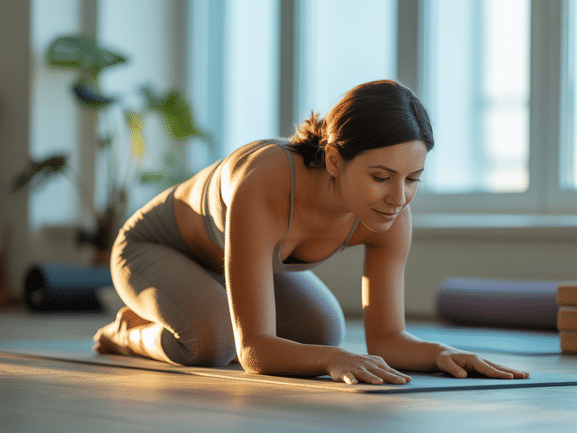
At its core, yoga is a holistic mind-body practice that integrates physical postures (asanas), controlled breathing (pranayama), and mindfulness or meditation to enhance overall well-being. It’s far more than just achieving complex poses; it’s a versatile and adaptable tool that meets you exactly where you are, regardless of your current fitness level, age, or flexibility. It is a journey of self-discovery and physical conditioning combined.
The primary goal of a modern yoga and meditation practice is to build awareness. By focusing on your breath and the physical sensations in your body, you train your mind to anchor itself in the present moment. This powerful process helps calm the nervous system, reduce mental chatter, and create a profound sense of inner balance that extends far beyond the yoga mat.
Key Benefits of a Consistent Yoga Practice
- Increased Flexibility and Strength: Yoga poses systematically stretch and strengthen all major muscle groups, improving your range of motion and building functional, lean muscle.
- Reduced Stress and Anxiety: The focus on deep, intentional breathing activates the body’s parasympathetic nervous system (the “rest and digest” response), which helps lower cortisol (the primary stress hormone) levels.
- Improved Posture and Balance: By strengthening your core, back, and stabilizing muscles, yoga naturally corrects postural imbalances often caused by prolonged sitting and screen time.
- Enhanced Mind-Body Connection: Yoga teaches you to listen to your body’s subtle signals, fostering a more intuitive, compassionate, and caring relationship with yourself.
What Is Meditation and How Does It Truly Work?
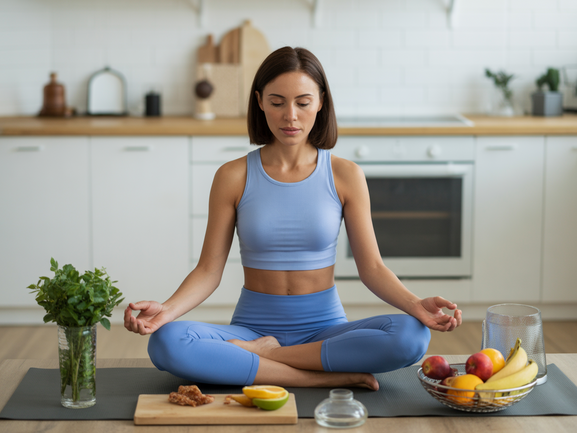
If yoga is the active, moving part of the practice, meditation is the art of cultivating stillness. It is the practice of training your attention and awareness to achieve a state of mental clarity and emotional calm. The mechanism is simple yet incredibly powerful: by focusing on a single point—such as your breath, a mantra, or a guided visualization—you learn to observe your thoughts without getting entangled in them.
According to a 2026 report from the Global Wellness Institute, mindfulness practices have seen a 120% increase in adoption since 2020, highlighting a global shift towards prioritizing mental well-being.
As a result, even a few minutes of meditation each day can have a profound impact. It’s not about emptying your mind or stopping your thoughts, but rather about changing your relationship with them. You learn that thoughts are temporary mental events that come and go, which dramatically reduces their power over your emotional state and daily actions.
Why Meditation is Essential for Modern Mental Health
The benefits of meditation are backed by extensive scientific research. According to the National Center for Complementary and Integrative Health (.gov), mindfulness meditation is effective for managing stress, anxiety, and symptoms of depression. Further research from institutions like Harvard University (.edu) confirms its positive impact on brain structure and emotional regulation.
- Lowers Chronic Stress: Regular meditation can decrease blood pressure, improve heart rate variability, and reduce symptoms of stress-related conditions like irritable bowel syndrome and fibromyalgia.
- Improves Focus and Concentration: Just like lifting weights builds muscle, meditation strengthens your prefrontal cortex, enhancing your attention span and ability to concentrate for longer periods.
- Promotes Emotional Health: It helps you develop a more positive outlook on life and increases self-awareness, which is crucial for reducing negative self-talk and improving self-esteem.
- Enhances Sleep Quality: By calming the mind and relaxing the body, meditation can make it easier to fall asleep, stay asleep, and improve the overall restorative quality of your rest.
How to Start Your Yoga and Meditation Practice Today
Ready to take the first step on your wellness journey? The best part is that you don’t need much to begin. A beginner yoga and meditation practice is for everyone. The Vitalizen App is designed to guide you every step of the way, from your very first yoga pose to your daily meditation session.
Your First Steps: A Simple 4-Step Plan
- Define Your ‘Why’: Start by setting a clear, personal intention. Are you seeking stress relief, better sleep, mental clarity, or improved flexibility? Your reason will be your anchor and motivation.
- Start Small and Be Realistic: Commit to just 10-15 minutes of yoga and 5 minutes of meditation. The Vitalizen App has a library of short, effective sessions perfect for beginners.
- Follow a Trusted Guide: Use our beginner-friendly guided classes. Our expert instructors provide clear, easy-to-follow instructions to ensure you practice safely and effectively, building a strong foundation.
- Be Consistent, Not Perfect: Aim for 3-4 sessions per week. Consistency is far more important than the duration of each session when you are building a new, healthy habit. Progress over perfection is the key.
🎯 Ready to start? Download the Vitalizen App and begin your personalized wellness journey now!
Choosing the Right Yoga Style for Beginners
The word “yoga” is an umbrella term for many different styles. For a beginner, choosing the right one can make all the difference. Here are a few excellent styles to start with, all available on the Vitalizen App.
- Hatha Yoga: Often called the yoga of postures, Hatha is the perfect starting point. Classes are slower-paced, focusing on foundational poses and breath control. It’s ideal for learning alignment and building body awareness.
- Yin Yoga: This is a slow, meditative style where poses are held for longer periods (3-5 minutes). Yin targets the deep connective tissues, like ligaments and fascia, and is fantastic for increasing flexibility and cultivating patience.
- Restorative Yoga: The ultimate goal here is deep relaxation. This practice uses props like blankets and bolsters to support your body completely, allowing you to release tension and calm your nervous system with minimal effort.
- Beginner Vinyasa: Vinyasa links breath to movement in a flowing sequence. A beginner-level Vinyasa class will be slower than a regular one, helping you learn how to transition smoothly between poses while staying connected to your breath.
How Much Does Yoga and Meditation Cost in 2026?
The cost of starting a yoga and meditation practice can range from completely free to a significant investment. It all depends on the path you choose. Understanding your options helps you make the best decision for your budget and goals.
| Feature | Free Options (e.g., YouTube) | Paid Subscriptions (Vitalizen App) | In-Person Studios |
|---|---|---|---|
| Average Cost | $0 | $10-$30/month | $100-$200/month |
| Guidance & Structure | Variable quality, unstructured | Structured programs, expert-led | Direct, hands-on correction |
| Convenience | High (anytime, anywhere) | Very High (curated for you) | Lower (fixed schedule and location) |
| Community | Limited to comment sections | In-app challenges & forums | Strong, in-person connection |
Common Beginner Pitfalls (and How to Avoid Them)
Every new journey has its challenges. Being aware of common pitfalls can help you navigate your first few months of yoga and meditation practice with more ease and confidence.
- Inconsistency: It’s easy to fall off track. Solution: Schedule your practice sessions in your calendar like any other important appointment. Even 10 minutes counts!
- Comparison: Watching advanced practitioners can be intimidating. Solution: Remember that yoga is a personal practice, not a competition. Keep your focus on your own mat and celebrate your own progress.
- Pushing Too Hard: Trying to force a pose can lead to injury. Solution: Listen to your body. If you feel sharp pain, back off. The goal is mindful movement, not forcing your body into a shape.
- Forgetting to Breathe: When concentrating on a pose, beginners often hold their breath. Solution: Make the breath your primary focus. The movement will follow. Guided classes are excellent for this.
Frequently Asked Questions (FAQ)
How often should a beginner practice yoga and meditation?
For beginners, consistency is more important than duration. Aim for 10-20 minutes of yoga and 5-10 minutes of meditation, 3-4 times per week. The Vitalizen App helps you build a consistent routine with progress tracking and reminders.
What if I’m not flexible enough for yoga?
This is a common myth. Saying you’re not flexible enough for yoga is like saying you’re too dirty to take a bath. Yoga is the practice that *builds* flexibility; it is not a prerequisite. Beginner classes are designed for all body types and fitness levels. Flexibility is a result of practice, not a requirement to start.
Do I need any special equipment to start?
Not at all! All you need is a comfortable space. A yoga mat is helpful for grip and cushioning, but a towel or carpeted floor works just fine. For meditation, a cushion or chair to sit on is all you need. Your most important tool is your willingness to begin.
How long does it take to feel the benefits of yoga and meditation?
Many people report feeling calmer and more centered after their very first session. Mental benefits are often immediate. Physical benefits like increased flexibility and strength typically become noticeable within a few weeks of consistent practice (3-4 times a week).
Your Journey to a Calmer 2026 Starts Now
Embarking on a yoga and meditation practice is a profound gift to yourself. It’s a powerful investment in your physical health, mental clarity, and overall happiness for 2026 and beyond. You have the tools and the ability to find more peace and resilience in your daily life.
💡 Tip: For more articles, news, tips, and guidance on yoga and meditation, visit our blog. If you have any questions, feel free to Contact us. We are here to support you.