


Yoga and Meditation: Your 2026 Guide to a Balanced Life
In the hyper-connected, fast-paced digital landscape of 2026, achieving a state of inner peace and balance can feel like an elusive goal. The constant stream of information and demands on our attention creates a perfect storm for stress and burnout. Yoga and meditation, two ancient and time-tested practices, offer a powerful and practical solution by systematically uniting the mind and body. They provide a clear path to reduce stress, sharpen mental clarity, and cultivate profound overall well-being. With accessible tools like the Vitalizen App, this transformative journey toward a balanced life is available to everyone, anywhere, at any time.
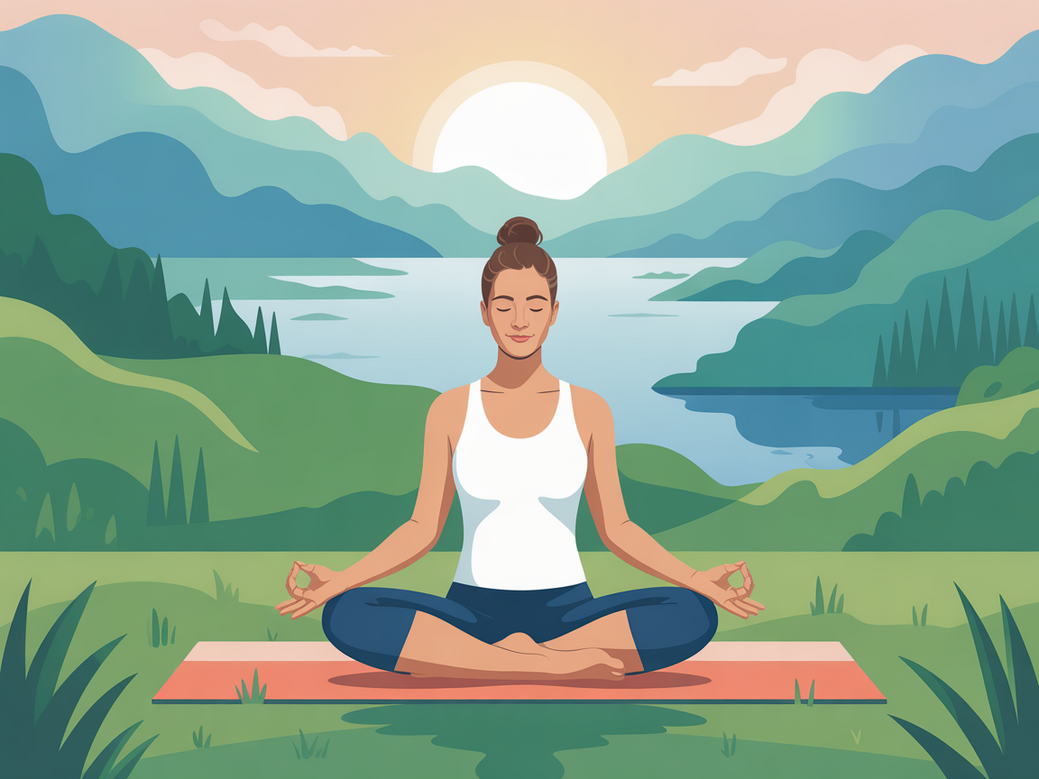
Deconstructing the Practices: What Are Yoga and Meditation?
While often mentioned in the same breath, yoga and meditation are distinct disciplines that are deeply complementary. Understanding their unique roles is the foundational step to unlocking their combined power for achieving a balanced life.
Yoga is a holistic system of well-being that originated in ancient India thousands of years ago. It is much more than just physical exercise. The practice integrates:
- Asanas: Physical postures designed to build strength, increase flexibility, and release physical tension.
- Pranayama: Controlled breathing techniques that directly influence the nervous system, promoting calm and focus.
- Dhyana: The practice of meditation, which is often the ultimate goal of the physical preparation.
The physical component of yoga is strategically designed to prepare the body for stillness, making it more comfortable and conducive to sit for extended periods of meditation.
Meditation, on the other hand, is a practice centered exclusively on training attention and awareness. Its primary objective is to cultivate a state of mental clarity, emotional stability, and unwavering focus. You do not need to be a yoga expert to meditate; this mental exercise is accessible to all individuals, regardless of physical ability. The core of the practice is learning to observe your thoughts without judgment, which is a key skill for modern resilience.
The Science Behind the Serenity: How Yoga and Meditation Rewire Your Brain
The benefits of yoga and meditation are not just anecdotal; they are backed by extensive scientific research. These practices initiate tangible changes in your brain and body chemistry.
Studies from institutions like the National Center for Complementary and Integrative Health (.gov) show that a consistent practice can:
- Reduce Cortisol: Both practices are proven to lower levels of cortisol, the body’s primary stress hormone, mitigating the chronic stress response.
- Increase GABA: Yoga and meditation can boost levels of Gamma-aminobutyric acid (GABA), a neurotransmitter that produces a calming effect and helps reduce anxiety.
- Strengthen the Prefrontal Cortex: This area of the brain, responsible for focus, decision-making, and emotional regulation, shows increased activity and density in regular practitioners.
This neurobiological impact is why yoga and meditation are so effective at creating a lasting sense of a balanced life, rather than just providing a temporary escape.
A Practical Synergy: Combining Yoga and Meditation in Daily Life
The true magic unfolds when these two practices are combined. Yoga releases the physical tensions and restlessness of the body, while meditation addresses the mental chatter and emotional turbulence. This synergy creates a comprehensive system for holistic well-being. A simple daily routine can have a profound and positive impact on your entire day.
Here is a simple, effective 3-step routine to start combining them:
- Prepare the Body (5-15 minutes): Begin with a sequence of gentle yoga stretches. Poses like Cat-Cow, Downward-Facing Dog, and a simple Sun Salutation work wonders to release stiffness from muscles and joints. This physical preparation makes it significantly easier to sit comfortably and without distraction.
- Center with Breath (2-3 minutes): After your stretches, find a comfortable seated position. Practice a simple pranayama technique, such as deep diaphragmatic (belly) breathing. Inhale for four counts, hold for four, and exhale for six. This calms the nervous system and signals to your body that it’s time to relax.
- Enter Meditation (5-20 minutes): With a relaxed body and steady breath, you are perfectly primed for meditation. You can focus on the sensation of your breath, or use a guided session from the Vitalizen App to help direct your awareness and deepen your practice.
Why These Ancient Practices Are Essential in 2026
The demands of modern life have led to unprecedented levels of stress, anxiety, and burnout. Constant connectivity, information overload, and the relentless pressure to perform take a heavy toll on our mental and physical health. Yoga and meditation offer a direct and effective antidote to these modern maladies.
According to a 2026 Stanford University study on workplace wellness, companies that implemented mindfulness and yoga programs saw a 35% reduction in employee stress levels and a 15% increase in overall productivity. This data highlights a significant shift in recognizing these practices as essential tools for modern resilience and achieving a balanced life.
Investing in your mental well-being is no longer a luxury but a critical component of a healthy, successful, and fulfilling life. These practices provide the foundational skills to navigate life’s challenges with greater calm, focus, and grace.
The Transformative Benefits of a Consistent Practice
Committing to a regular yoga and meditation schedule yields extensive, compounding benefits that permeate every aspect of your life. The results are both immediate and long-term, enhancing physical vitality and mental fortitude.
Key Advantages for Your Well-being:
- Reduced Stress and Anxiety: As mentioned, both practices are scientifically validated to lower cortisol, promoting a sustained state of calm and well-being.
- Improved Physical Health: Yoga builds functional strength, enhances flexibility, and improves posture. Many practitioners also report *better sleep quality*, lower blood pressure, and improved digestive health.
- Enhanced Mental Clarity and Focus: Meditation trains your brain to maintain concentration, effectively reducing mental fog and significantly improving your ability to focus on complex tasks.
- Greater Emotional Regulation: By developing mindfulness, you create a crucial pause between an external trigger and your internal reaction. This space allows for more thoughtful responses rather than impulsive, emotionally-driven ones.
- Increased Self-Awareness: The introspective nature of yoga and meditation fosters a deeper connection with yourself, helping you understand your thoughts, emotions, and needs more clearly.
How Much Does It Cost to Start Yoga and Meditation?
One of the most appealing aspects of starting a yoga and meditation practice is its remarkable accessibility. You can begin with little to no financial investment, or you can opt for a more structured, premium path. The choice is entirely yours, ensuring there are no barriers to entry.
| Method | Average Initial Cost | Ongoing Monthly Cost |
|---|---|---|
| At-Home Apps (like Vitalizen) | $0 (Free Trials Available) | $10 – $20 |
| Local Yoga Studio | $50 – $100 (Introductory Offer) | $120 – $200 |
| Free Online Resources (YouTube, etc.) | $0 | $0 |
How to Start Your Journey to a Balanced Life Today
Are you ready to experience these profound benefits for yourself? The Vitalizen App is your personal, pocket-sized guide to the world of yoga and meditation. It removes the guesswork, provides expert-led structure, and empowers you to build a consistent and rewarding practice.
> 🎯 **Ready to start?** With a comprehensive library of guided sessions for all experience levels, from absolute beginners to advanced practitioners, you can find the perfect practice to fit your schedule and goals. Don’t wait another day to invest in your well-being.
Start your journey to a more balanced life now!
For more tips on mindfulness and well-being, be sure to check out our official blog. For a deeper dive into the science, this article from the National Center for Biotechnology Information remains an excellent resource.
Frequently Asked Questions (FAQ)
Do I need to be flexible to practice yoga?
Not at all! This is one of the most common myths. You do not need to be flexible to start yoga; you practice yoga to *become* more flexible and mobile. The Vitalizen App offers beginner-friendly classes that meet you exactly where you are and guide you safely.
How long should I meditate each day?
Even just 5 minutes of daily meditation can make a significant difference. For yoga and meditation, consistency is far more important than duration. The Vitalizen App offers guided meditations ranging from 3 to 30 minutes, so you can easily fit the practice into your day.
How long does it take to see results from yoga and meditation?
Many people report feeling calmer and more centered after their very first session. More profound and lasting benefits, such as improved focus, better sleep, and greater emotional regulation, typically develop over several weeks of consistent practice (at least 3-5 times per week).
What is the main difference between yoga and stretching?
Stretching primarily focuses on lengthening muscles to improve flexibility. Yoga is a holistic, mind-body practice that combines physical postures (asanas) with controlled breathing (pranayama) and mindfulness. This powerful combination is designed to unite the body and mind for overall well-being, not just physical flexibility.
> 💡 **Tip:** Have more questions? We are here to support you on your path to a healthier, happier, and more balanced life. Feel free to contact us anytime for guidance and support!