Yoga for Stress Relief: How to Find Your Calm in 2026
Yoga for stress relief is a powerful mind-body practice that merges physical postures, controlled breathing, and deep meditation to effectively reduce stress and foster profound relaxation. In the relentless pace of modern life, this ancient practice provides a much-needed sanctuary of peace. By consistently engaging in yoga for stress relief, you not only soothe the immediate symptoms of anxiety but also cultivate long-term resilience, significantly enhancing your overall well-being.
Have you ever wondered how some individuals maintain their composure under immense pressure? The secret often lies in a dedicated wellness routine centered around practices like yoga. With expert guidance, you can embark on this transformative journey today. Let’s explore how you can use yoga for stress relief to find your calm, supported by innovative tools like the Vitalizen App.
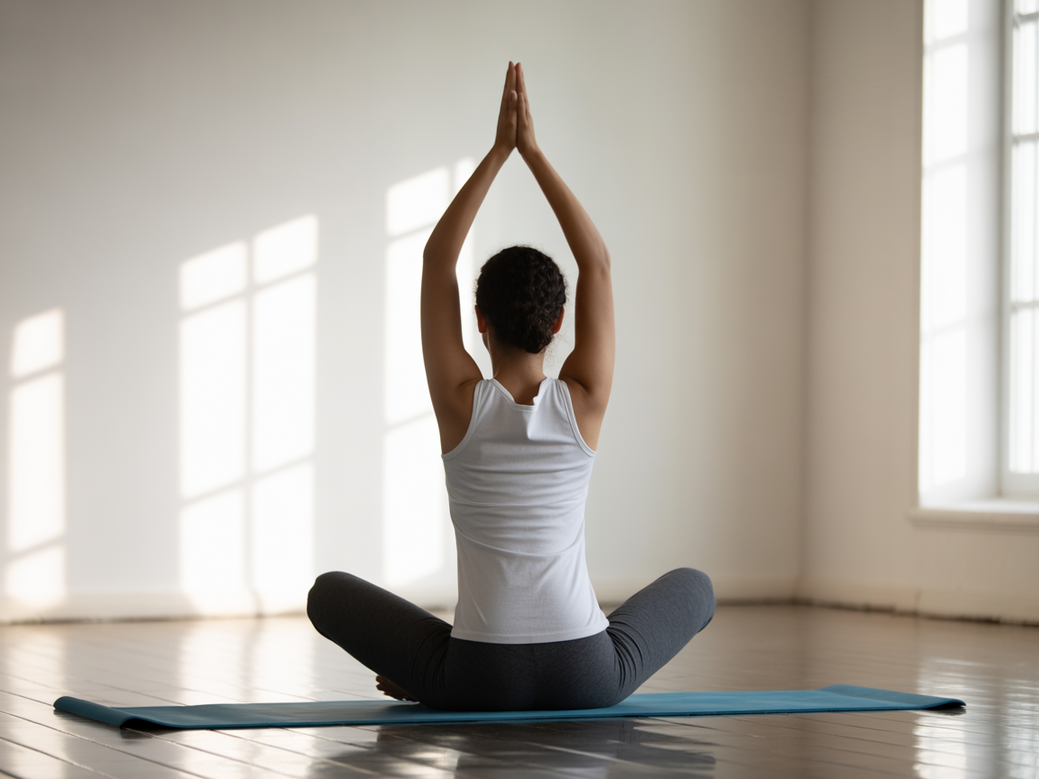
What Exactly Is Yoga for Stress Relief?
Yoga for stress relief is a specific application of yoga that prioritizes calming the nervous system. It involves gentle movements (asanas), deep breathing exercises (pranayama), and mindfulness meditation to counteract the body’s ‘fight-or-flight’ response. Unlike a high-intensity workout, the primary objective of this practice is not athletic prowess but achieving mental and physical tranquility.
This form of yoga helps lower cortisol, the body’s main stress hormone, while simultaneously boosting the production of endorphins, which are natural mood elevators. It stands as an accessible and highly effective method for managing the pressures of daily life, making it a cornerstone of modern self-care.
The Science Behind Yoga and Stress Reduction
In our fast-paced world, chronic stress is a major health epidemic, linked to conditions ranging from anxiety disorders to cardiovascular disease. Yoga offers a potent, science-backed antidote. A vast body of research, including studies on biosignals that reflect stress reduction, consistently confirms its efficacy.
The practice works by stimulating the vagus nerve, a key component of the parasympathetic nervous system, which governs our ‘rest-and-digest’ functions. This activation helps slow the heart rate, lower blood pressure, and signal to the brain that it is safe to relax. Furthermore, studies from institutions like Harvard Medical School show that yoga can increase levels of GABA, a neurotransmitter that has calming effects.
According to a 2026 report from the Global Wellness Institute, 85% of adults who practice yoga at least twice a week report a significant decrease in perceived stress levels.
Integrating yoga for stress relief into your routine is a direct investment in your long-term health. It equips you with the tools to not just cope with stress, but to build a resilient and peaceful mind.
5 Key Yoga Poses for Immediate Stress Relief
While a full session is beneficial, certain poses are particularly effective for quickly easing tension. Here are five foundational asanas perfect for your yoga for stress relief practice, all available with guided instruction on the Vitalizen App.
1. Child’s Pose (Balasana)
This gentle resting pose calms the brain and helps relieve stress and fatigue. It gently stretches the hips, thighs, and ankles while reducing back and neck pain.
2. Cat-Cow Stretch (Marjaryasana-Bitilasana)
This dynamic duo warms up the spine and relieves tension in the torso, shoulders, and neck. The synchronized movement with breath is a form of active meditation that soothes the mind.
3. Legs-Up-The-Wall Pose (Viparita Karani)
An incredibly restorative pose, Viparita Karani helps calm the nervous system and drain tension from the legs and feet. It’s an excellent remedy for fatigue and anxiety.
4. Standing Forward Bend (Uttanasana)
This pose stretches the hamstrings, thighs, and hips while reducing stress, anxiety, and mild depression. The gentle inversion increases blood flow to the brain, bringing a sense of calm.
5. Corpse Pose (Savasana)
Perhaps the most important pose for stress relief, Savasana allows the body to fully relax and integrate the benefits of the practice. It promotes a state of deep rest that can be more restorative than sleep.
Breathing Techniques (Pranayama) to Enhance Calm
The breath is the bridge between the body and mind. Controlling it is a cornerstone of yoga for stress relief. Here’s how it works:
- Calming the Nervous System: Through slow, deliberate breathing, you activate the parasympathetic nervous system, which signals your body to rest. This immediately lowers your heart rate and blood pressure.
- Releasing Physical Tension: Gentle stretches and asanas target areas where we hold stress, like the neck and shoulders. This physical release sends a powerful message of safety to the brain.
- Cultivating Mindfulness: By focusing on your breath, you anchor yourself in the present, breaking free from anxious thought cycles. This is a key element of stress-reducing yoga.
- Building Mental Clarity: Consistent practice improves focus. As your mind becomes less cluttered, you are better equipped to handle challenges without feeling overwhelmed.
What Are the Main Benefits of a Regular Practice?
The advantages of a regular yoga practice extend far beyond the mat. Here are some of the key benefits you can expect from this stress-reducing yoga routine:
- Reduced Anxiety: Promotes a pervasive sense of calm and well-being.
- Improved Sleep Quality: Helps regulate sleep patterns for more restful and restorative nights.
- Increased Flexibility and Reduced Pain: Eases chronic muscle tension and improves overall joint health.
- Enhanced Mood: Naturally boosts the production of feel-good brain chemicals like serotonin and endorphins.
- Better Focus and Concentration: A clear, uncluttered mind is a more productive and creative mind.
- Greater Emotional Resilience: Builds your capacity to handle life’s challenges with grace and composure.
How to Choose the Right Yoga Style for You
Not all yoga is created equal, especially when the goal is relaxation. For stress relief, gentle and restorative styles are most effective. The Vitalizen App offers expertly guided sessions in several of these key styles.
| Yoga Style | Focus | Best For | Intensity |
|---|---|---|---|
| Hatha Yoga | Basic postures and breathing | Beginners and foundational practice | Low |
| Restorative Yoga | Deep relaxation with props | Maximum stress release and recovery | Very Low |
| Yin Yoga | Long-held passive poses | Deep stretching and meditative states | Low |
| Yoga Nidra | Guided meditation for deep rest | Mental fatigue, burnout, and insomnia | None (lying down) |
Creating Your Personal Yoga for Stress Relief Routine
Starting your journey with yoga for stress relief doesn’t have to be intimidating. Consistency is more important than duration. Begin with just 10-15 minutes a day in a quiet space where you won’t be disturbed. Choose a time that works for you—morning sessions can set a calm tone for the day, while evening practices can help you unwind before sleep.
🎯 Ready to start? Start your wellness journey now with a personalized plan on the Vitalizen App. Begin with just five minutes a day in the comfort of your home.
Frequently Asked Questions (FAQ)
How long does it take for yoga to reduce stress?
Many people report feeling more relaxed immediately after their first session of yoga for stress relief. For long-term benefits, consistency is key. Practicing regularly, even for just 10-15 minutes each day, can lead to significant and lasting improvements in your stress levels within a few weeks.
Do I need to be flexible to practice yoga?
Not at all! This is a common misconception. Yoga is for every body type and flexibility level. The goal is not to achieve a specific pose perfectly, but to connect with your body. In fact, practicing yoga will naturally help you improve your flexibility over time. The Vitalizen App offers modifications for all levels.
How much does it cost to start yoga for stress relief?
The cost can be very low. You can start at home with no equipment. Apps like Vitalizen offer free introductory sessions and affordable subscription plans that are often cheaper than a single studio class. The main investment is your time and commitment to your well-being.
When is the best time of day to practice?
The best time is whenever you can consistently fit it into your schedule. Some people prefer the morning to start their day with calm and focus. Others find an evening practice helps them unwind and prepare for a restful sleep. Experiment to see what works best for your stress-reducing yoga routine.
Can I practice meditation with the Vitalizen App?
Absolutely! The Vitalizen App offers a wide range of guided meditations designed to reduce stress, improve focus, and promote restful sleep. Combining your yoga for stress relief practice with meditation provides a comprehensive approach to mental wellness.
💡 Tip: Have more questions? Feel free to contact us. We’re here to help you on your path to a healthier, happier life.