


How to Start Yoga and Meditation: A Beginner’s Guide for 2026
Have you ever felt overwhelmed by the constant demands of modern life? In our fast-paced, digitally-driven world, finding a moment of genuine peace can feel like a luxury. Yet, the desire for calm, focus, and resilience is universal. This is where the ancient practices of yoga and meditation come in, offering powerful, time-tested tools to cultivate well-being from within. If you’re looking to start yoga and meditation, this guide is your first step.
Embarking on this journey can feel intimidating, but it doesn’t have to be. We will demystify these practices, breaking them down into simple, actionable steps. You’ll discover the profound benefits, learn how to choose a style that suits you, and get practical advice for creating a lasting habit. Let’s begin your transformation toward a more balanced and mindful life in 2026.
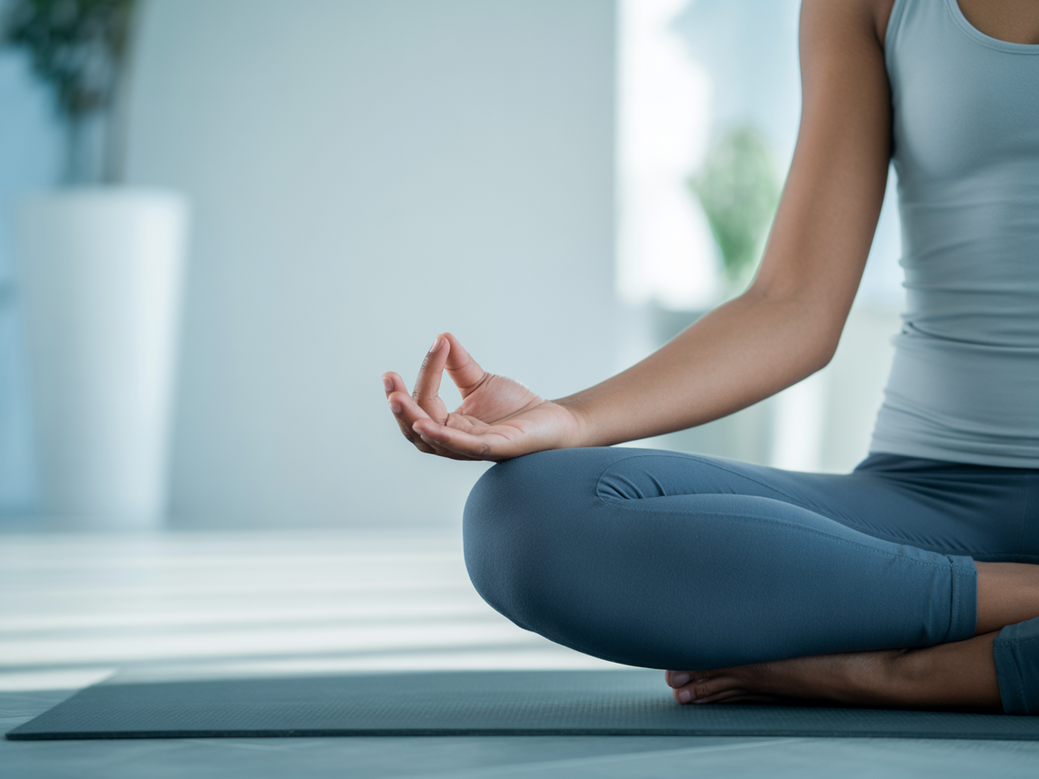
Understanding the Synergy: How Yoga and Meditation Work Together
While often discussed together, it’s helpful to understand the relationship between yoga and meditation. Think of yoga as the overarching framework and meditation as a key pillar within it. Yoga, originating in India over 5,000 years ago, is a holistic discipline designed to unite the mind, body, and spirit.
The core components of a traditional yoga practice include:
- Asanas: The physical postures and poses designed to build strength, increase flexibility, and release tension.
- Pranayama: Controlled breathing techniques used to calm the nervous system and focus the mind.
- Dhyana (Meditation): The practice of training the mind to achieve a state of deep concentration and awareness.
When you start yoga and meditation, you’re engaging in a powerful combination where physical movement prepares the body for the stillness of the mind. The asanas release physical restlessness, making it easier to sit comfortably for meditation. In turn, meditation enhances the mindfulness aspect of your physical yoga practice.
The Science-Backed Benefits of a Consistent Practice
The positive effects of yoga and meditation are not just anecdotal; they are supported by a growing body of scientific research. Committing to a regular practice can lead to transformative changes in both your mental and physical health.
Mental and Emotional Well-being
Perhaps the most sought-after benefits are related to mental clarity and emotional regulation. These practices are proven tools for managing the pressures of daily life.
- Stress and Anxiety Reduction: Yoga and meditation activate the body’s parasympathetic nervous system, often called the “rest and digest” system. This counteracts the chronic “fight or flight” response, lowering cortisol levels. Research from the National Institutes of Health (NIH) confirms that yoga is effective in reducing stress.
- Improved Focus and Concentration: Meditation is like a workout for your brain’s prefrontal cortex, the area responsible for attention and decision-making. Consistent practice can enhance your ability to concentrate for longer periods.
- Enhanced Emotional Regulation: By observing your thoughts without judgment, you create a space between stimulus and response. This allows you to react to situations more thoughtfully rather than impulsively.
Physical Health Improvements
The physical benefits of yoga, in particular, are vast and contribute significantly to overall vitality.
- Increased Flexibility and Mobility: Yoga poses systematically stretch and lengthen muscles and connective tissues, improving your range of motion and reducing stiffness.
- Enhanced Strength and Balance: Many asanas require you to support your own body weight, building functional strength. Poses that challenge your stability directly improve your balance and proprioception (your sense of body position).
- Better Sleep Quality: The relaxing effects of these practices can lead to more profound and restorative sleep. Many people find that a gentle evening yoga or meditation session is a powerful remedy for insomnia.
💡 Tip: Ready to experience these benefits firsthand? The Vitalizen App offers guided programs specifically designed for stress reduction and improved sleep.
Choosing Your Path: A Guide to Beginner-Friendly Yoga Styles
The world of yoga is diverse, with a style for every fitness level and personality. As a beginner, it’s wise to start with a foundational practice. Experimentation is key to finding what you love! Here are some excellent choices for anyone looking to start yoga.
Hatha Yoga: The Gentle Foundation
Hatha is an umbrella term for any yoga that teaches physical postures, but in modern studios, it refers to a slow-paced, gentle class. It’s perfect for absolute beginners as it focuses on holding basic poses and learning proper alignment. Best for: Learning foundational poses and mindful movement.
Vinyasa Yoga: The Dynamic Flow
Vinyasa classes are known for their fluid, movement-intensive style. Poses are linked together in a sequence that flows with the breath. It feels more like a dance and can be a great workout. Best for: Those seeking a more active, fitness-oriented practice.
Restorative Yoga: The Art of Relaxation
This practice is all about slowing down and opening your body through passive stretching. Poses are held for extended periods (5 minutes or more) using props like bolsters and blankets for complete support. Best for: Deep relaxation, stress relief, and gentle recovery.
Yin Yoga: The Deep Stretch
Similar to Restorative, Yin involves long holds but focuses on targeting the deep connective tissues, like ligaments and fascia. It’s a more meditative and challenging practice than it first appears. Best for: Increasing flexibility and cultivating patience.
Your First At-Home Yoga Session: A 5-Step Guide
Ready to unroll your mat? Here’s a simple sequence to guide you through your very first practice at home. You don’t need anything fancy—just a quiet corner and comfortable clothes.
- Centering (2 minutes): Sit comfortably on your mat, either cross-legged or on your knees. Close your eyes and take five deep breaths. Feel the ground beneath you and set an intention for your practice, such as ‘to be present’.
- Warm-Up (5 minutes): Begin with gentle movements. Try some Cat-Cow stretches on your hands and knees to warm up the spine. Follow with gentle neck rolls and shoulder shrugs to release tension.
- Basic Poses (10 minutes): Move through a few foundational asanas. Hold each pose for 5 breaths.
- Downward-Facing Dog: Creates an inverted ‘V’ shape with your body. Great for stretching the entire back of the body.
- Warrior II: A powerful standing pose that opens the hips and builds leg strength.
- Triangle Pose: An excellent side-body stretch that lengthens the hamstrings.
- Bridge Pose: Lying on your back, lift your hips to the sky. It’s a gentle backbend that strengthens the glutes.
- Cool-Down (5 minutes): Wind down with gentle stretches. A seated forward bend or a supine twist can help release any remaining tension.
- Savasana (3-5 minutes): Lie flat on your back in the final resting pose, Savasana. Let your body feel heavy and relaxed. This is where your body absorbs the benefits of the practice. Do not skip this step!
How to Start Meditation: A Simple 5-Minute Practice
Meditation is the art of gently training your attention. If you’re new to the practice, the goal is not to have an empty mind—that’s impossible. The goal is to notice when your mind has wandered and kindly bring it back. This is the core of meditation for beginners.
- Find a Comfortable Seat: Sit on a cushion or chair with your back straight but not rigid. Rest your hands in your lap.
- Set a Timer: Start with just 5 minutes. A short, consistent practice is far more effective than a long, sporadic one.
- Focus on Your Breath: Close your eyes and bring your awareness to the physical sensation of breathing. Notice the air as it enters your nostrils, fills your lungs, and then leaves your body. Don’t try to change it; just observe it.
- Acknowledge Wandering Thoughts: Your mind *will* wander. You’ll think about your to-do list, a conversation, or what to eat for dinner. This is normal. When you notice this has happened, gently say “thinking” to yourself.
- Gently Return Your Focus: Without judgment or frustration, guide your attention back to the sensation of your breath. This act of returning is the meditation itself. Repeat this process each time your mind wanders until the timer goes off.
Creating Your Personal Sanctuary: A Space for Practice
Dedicating a specific area in your home for yoga and meditation can make a huge difference in building a consistent habit. It doesn’t need to be a whole room; a quiet corner is perfect. This space becomes a visual cue to your brain that it’s time to slow down and turn inward.
- Keep it Tidy: A clutter-free space promotes a clutter-free mind. Keep only what you need for your practice here.
- Essential Equipment: A yoga mat is the only true essential. As you progress, you might add a cushion for meditation, a block for support, or a blanket for comfort.
- Engage the Senses: Consider adding elements that make the space feel calm and inviting, like a small plant, a candle, or an essential oil diffuser.
Common Pitfalls for Beginners (and How to Avoid Them)
As you start your yoga and meditation journey, it’s helpful to be aware of common challenges. Knowing them beforehand can help you navigate them with grace.
- The ‘All or Nothing’ Mindset: Don’t feel like you need to practice for an hour every day. A 10-minute session is infinitely better than no session. Consistency over intensity is the key.
- Comparing Yourself to Others: Your journey is unique. Avoid comparing your flexibility or ability to focus with others, especially what you see on social media. Focus on your own progress.
- Pushing Too Hard: Listen to your body. If a pose causes sharp pain, back off. There is a difference between the discomfort of a deep stretch and the pain of an injury.
- Expecting Instant Results: While you may feel calmer after one session, the profound benefits come from dedicated practice over time. Be patient with yourself. As noted by researchers at UMass Chan Medical School, mindfulness is a skill built through repetition.
🎯 Ready to start your journey with expert guidance? Download the Vitalizen App and get access to hundreds of beginner-friendly classes today!
Frequently Asked Questions
We’ve compiled answers to some of the most common questions beginners have about starting yoga and meditation. For more details, please refer to the structured data at the top of this page.
For more tips and guidance on your wellness journey, be sure to check out our blog. If you have any questions, don’t hesitate to contact us.
Last updated: January 27, 2026