
Yoga and Meditation for Anxiety: A Practical Guide for 2026
In our hyper-connected 2026 world, anxiety often feels like an unwelcome, constant companion. The relentless pace of technological advancement, digital noise, and global uncertainties can leave you feeling overwhelmed and mentally fatigued. But what if you could find a sanctuary within yourself? This guide explores how yoga and meditation for anxiety serve as powerful, time-tested tools to help you navigate modern pressures and rediscover inner peace. They offer a direct, accessible path to calming your nervous system and building profound mental resilience.
Understanding Yoga and Meditation for Anxiety
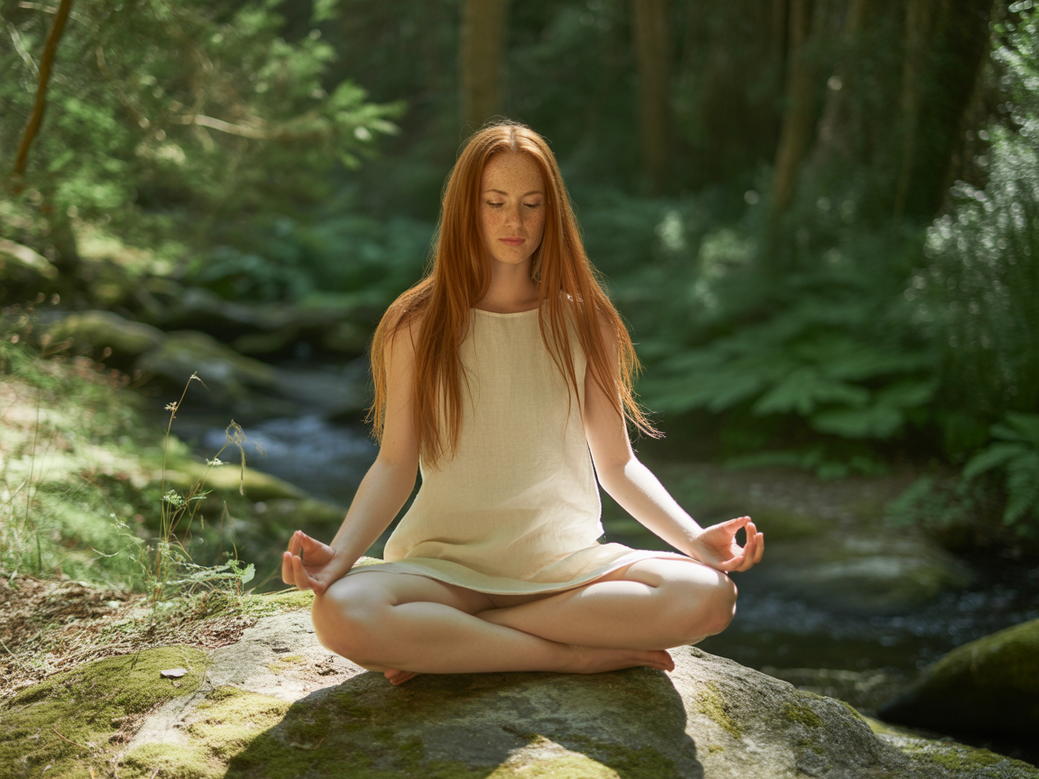
Yoga is a holistic mind-body practice that integrates physical postures (asanas), controlled breathing (pranayama), and deep mindfulness. Meditation, a fundamental component of yoga, is the practice of training your attention and awareness to achieve a state of mental clarity and emotional calm. When applied specifically to yoga and meditation for anxiety, these practices work synergistically to shift your body out of a stress-induced “fight or flight” state and into a restorative “rest and digest” mode, promoting deep and lasting relaxation.
The Science Behind How Yoga and Meditation Relieve Anxiety
The effectiveness of yoga and meditation for anxiety is rooted in their ability to fundamentally influence your physiological and psychological responses to stress. By engaging in these practices, you are actively retraining your body and mind to manage anxious thoughts and feelings more effectively, moving from a state of reaction to one of conscious response.
Activating the Parasympathetic Nervous System
When you feel anxious, your sympathetic nervous system is on high alert. Yoga and pranayama directly activate the opposing parasympathetic nervous system. Slow, deliberate movements and deep, diaphragmatic breathing send powerful signals to your brain that it’s safe to relax. This process lowers stress hormones like cortisol, reduces heart rate, and eases muscle tension. It also stimulates the vagus nerve, a key player in the mind-body connection that helps regulate internal organs and promote calm, providing immediate physical relief from anxiety symptoms.
Building Mental Resilience Through Neuroplasticity
Meditation trains you to observe your thoughts without judgment. Instead of getting swept away by a spiral of “what ifs,” you learn to create mental space between yourself and your thoughts. This practice of mindfulness, supported by extensive research from institutions like the National Institute of Mental Health (NIH), can reshape neural pathways. This concept, known as neuroplasticity, strengthens the prefrontal cortex (responsible for rational decision-making) and calms the amygdala (the brain’s fear center), effectively rewiring your brain for greater peace.
Why Yoga and Meditation Are Essential in 2026
The need for effective mental health tools has never been more critical. The unique pressures of 2026, from digital fatigue and AI-driven societal shifts to persistent global uncertainties, have elevated stress levels worldwide. Yoga and meditation offer a sustainable, self-empowering solution that requires no special equipment and can be practiced anywhere, anytime.
According to a January 2026 report from the Global Wellness Institute, mindfulness practices have seen a 45% increase in interest since 2024, highlighting a collective shift towards proactive mental health management.
Digital platforms like the Vitalizen App make these ancient practices more accessible than ever, providing guided sessions tailored to the specific challenges of our modern lives. Explore our articles, news, tips, and guidance on yoga and meditation for deeper insights.

The Transformative Benefits of a Consistent Practice
Committing to a regular routine of yoga and meditation for anxiety offers profound benefits that extend far beyond a momentary feeling of calm. Consistency is the key to unlocking long-term transformation in your mental and physical health.
- Reduced Physical Symptoms of Anxiety: A consistent practice leads to a lower resting heart rate, decreased muscle tension, fewer stress-induced headaches, and improved digestive function as your body learns to live outside a state of chronic stress.
- Improved Sleep Quality: By calming the nervous system and quieting racing thoughts, yoga and meditation pave the way for more restful and restorative sleep, which is crucial for managing anxiety.
- Enhanced Emotional Regulation: You’ll become less reactive to stressful situations and better equipped to manage your emotional responses. This practice builds the capacity to pause, breathe, and choose how you respond.
- Increased Self-Awareness: Gain a deeper understanding of your personal anxiety triggers and habitual thought patterns. This awareness is the first step toward consciously changing your relationship with anxiety.
- Improved Focus and Cognitive Function: The attention training inherent in meditation sharpens your focus and enhances mental clarity, helping to cut through the brain fog that often accompanies anxiety.
- A Greater Sense of Overall Well-Being: Ultimately, the practice cultivates a lasting feeling of inner peace, connection, and resilience that permeates all areas of your life.
How to Start Your Journey with Yoga and Meditation
Starting is simpler than you might think. You don’t need to be an expert or even particularly flexible. All you need is a willingness to begin. The Vitalizen App | Yoga + Meditation is designed to be your personal guide on this journey. To learn more about our approach, discover What is Vitalizen.app?
- Set a Clear, Gentle Intention: Decide why you want to start. Your goal could be as simple as “to feel 5% calmer each day.” This intention will be your anchor.
- Find a Beginner-Friendly Resource: Use a guided app like Vitalizen to ensure you’re starting safely and effectively. Look for programs specifically designed for beginners and anxiety relief.
- Schedule Your Practice: Block out just 10-15 minutes in your calendar. Consistency over a short period is far more impactful than a long, infrequent session. Treat it as a non-negotiable appointment with yourself.
- Create a Comfortable Space: Find a quiet corner where you won’t be disturbed. It doesn’t need to be fancy—a cushion on the floor or a comfortable chair is perfect.
- Practice Non-Judgment: Some days your mind will be busy, and some days it will be calm. Your body might feel stiff or open. The goal is simply to show up for yourself without expectation or criticism.
🎯 **Ready to start?** Begin your wellness journey with Vitalizen and feel the difference for yourself. Your path to a more peaceful mind is just a click away.
Comparing Yoga Styles for Anxiety Relief
Not all yoga is the same. For anxiety, slower, more mindful styles are generally most effective because they emphasize the mind-body connection and activate the relaxation response. Here’s a quick comparison to help you choose.
| Style | Pace | Primary Benefit for Anxiety |
|---|---|---|
| Hatha Yoga | Slow | Excellent for beginners. Focuses on foundational postures and conscious breathing to build awareness. |
| Restorative Yoga | Very Slow / Still | Uses props like blankets and bolsters to support the body in gentle poses for deep relaxation with minimal effort. |
| Yin Yoga | Still | Holds passive poses for several minutes to release tension in the deep connective tissues (fascia). |
| Vinyasa Yoga | Moderate to Fast | Can be beneficial for releasing pent-up energy, but choose a ‘slow flow’ class to avoid overstimulation. |

What is the Investment for Your Well-Being?
Practicing yoga and meditation for anxiety can be completely free. Many high-quality resources, including introductory sessions on the Vitalizen App and videos on platforms like YouTube, are available at no cost. For those looking to deepen their practice, the investment is flexible. Costs can range from $10-$30 per month for a premium app subscription with a vast library of content to $100-$200 per month for unlimited in-person studio classes. The right choice depends entirely on your budget and preferences.
💡 **Tip:** Start with free resources to discover what you enjoy. The Vitalizen App offers a free trial to explore guided yoga and meditation for anxiety without commitment.
Frequently Asked Questions about Yoga for Anxiety
How long does it take for yoga and meditation to help with anxiety?
While many people report feeling calmer and more centered immediately after their first session, the most significant long-term benefits for anxiety come with consistent practice. Generally, practicing 3-4 times a week can lead to noticeable improvements in your overall anxiety levels in just a few weeks. The key is consistency, not perfection.
Do I need to be flexible to practice yoga?
Absolutely not! This is one of the most common myths in wellness. Yoga is not about touching your toes; it’s about what you learn on the way down. The practice is designed to help you improve your flexibility and mobility over time, starting from wherever you are today. The Vitalizen App offers beginner-friendly classes that focus on safety and accessibility.
What if I can’t quiet my mind during meditation?
This is the very essence of meditation practice! The goal isn’t to have a completely empty mind, but to notice when your mind has wandered and gently guide it back to your point of focus (like your breath). Our guided meditations on the Vitalizen.app are designed to help you through this process. Every time you bring your focus back, you are strengthening your mindfulness muscle.
What style of yoga is best for anxiety?
Slow, mindful styles are generally most effective for anxiety. Hatha, Restorative, and Yin Yoga are excellent choices because they emphasize deep breathing and gentle stretching, which helps activate the body’s relaxation response. The Vitalizen App offers guided sessions in all of these styles, allowing you to find what works best for you.
Can I practice if I have a physical injury?
Yes, but it is crucial to practice with awareness, modifications, and professional guidance. Always consult with a healthcare professional before starting any new physical activity. Practices like chair yoga, restorative yoga, or guided meditation can be excellent, safe alternatives. Always listen to your body and never push through pain. More information can be found from health authorities like Stanford University’s research on wellness practices.
About the Author
The Vitalizen App | Yoga + Meditation team is a collective of certified yoga instructors, mindfulness experts, and wellness advocates dedicated to making mental health tools accessible to everyone. With a deep understanding of the challenges of modern life, our mission is to provide authentic, effective practices that empower you to find calm and resilience from within.