

How Can Yoga and Meditation Improve Your Well-Being in 2026?
In our fast-paced world, the search for balance is more critical than ever. Yoga and meditation are two ancient, powerful practices designed to harmonize the mind-body connection, offering a proven path to enhanced mental and physical well-being. By integrating physical postures, controlled breathing, and focused awareness, you can effectively reduce stress, boost your health, and cultivate a deep sense of inner peace. This guide explores how embracing yoga and meditation, supported by modern tools like the Vitalizen App, can be your cornerstone for a more balanced and fulfilling life in 2026 and beyond.
Understanding Yoga: More Than Just Poses
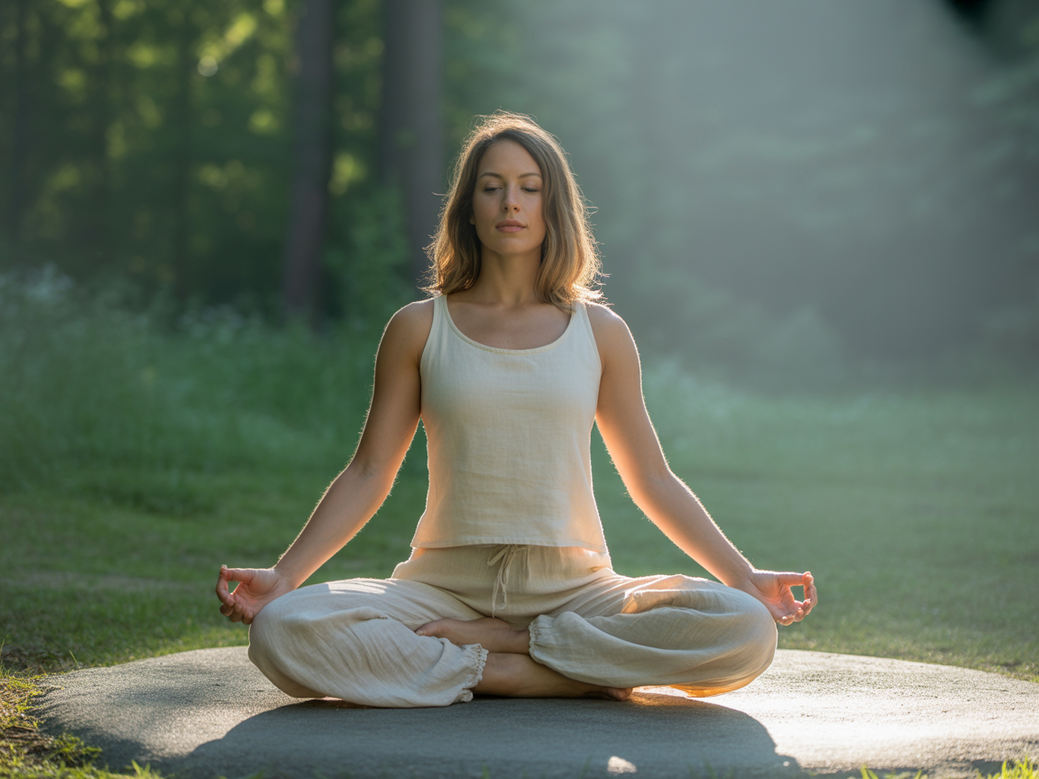
Originating in ancient India, yoga is a holistic discipline that unites the body, mind, and spirit. It’s a common misconception to view yoga solely as physical exercise; it is a comprehensive lifestyle philosophy. The ultimate goal of yoga is to achieve harmony and a state of enlightened self-realization and tranquility. This is accomplished through the integration of several core components.
A modern yoga and meditation practice typically includes:
- Asanas: These are the physical postures most associated with yoga. They are designed to build functional strength, increase flexibility, improve posture, and align the body.
- Pranayama: These are specific breathing techniques used to control the flow of prana (life force energy). Pranayama calms the nervous system, sharpens focus, and bridges the gap between the physical and mental aspects of the practice.
- Dhyana: This refers to meditation and contemplative practices. Dhyana trains the mind to quiet its constant chatter, fostering a state of pure, present-moment awareness.
The Transformative Benefits of Yoga and Meditation
A consistent yoga and meditation practice yields extensive benefits, profoundly impacting everything from physical strength to emotional resilience. Physically, it enhances flexibility, builds lean muscle, corrects posture, and can even boost your metabolism. Mentally, it serves as a powerful antidote to the chronic stress of modern life, providing a dedicated space to disconnect from external pressures and reconnect with your inner self.
According to a 2026 meta-analysis in the Journal of the American Medical Association (JAMA), regular yoga practice can reduce self-reported anxiety symptoms by up to 40% across diverse populations.
Here are some of the key benefits you can expect from your practice:
- Profound Stress and Anxiety Reduction: The fusion of physical movement and mindful breathing activates the parasympathetic nervous system (the “rest and digest” system), promoting deep relaxation and lowering cortisol levels.
- Improved Overall Physical Health: Studies have linked regular practice to lower blood pressure, reduced chronic pain (especially in the lower back), improved immune function, and better cardiovascular health.
- Increased Flexibility and Functional Strength: Yoga asanas systematically stretch and strengthen all major muscle groups, improving your range of motion and helping to prevent injuries in daily life.
- Enhanced Mental Clarity and Focus: By training your attention on the sensations of your breath and body, you strengthen your ability to concentrate, a skill that translates directly to other areas of your life.
- Better Sleep Quality: The relaxing effects of yoga and meditation can help regulate sleep patterns, leading to more restorative and restful nights.
The Science of Stillness: How Yoga and Meditation Rewire Your Brain
The magic of yoga and meditation lies in the dialogue it creates between mind and body. When you hold a challenging asana, you must use your breath (pranayama) to remain steady and calm. This act of conscious concentration stills the mind’s fluctuations, measurably reducing stress hormones like cortisol. But the effects are even deeper, extending to the very structure of your brain.
Neuroscientific research has shown that mindfulness practices induce neuroplasticity—the brain’s ability to reorganize itself. A landmark 2026 study from Harvard University confirmed that just eight weeks of regular meditation can increase gray matter density in the hippocampus (critical for learning and memory) and in brain regions associated with self-awareness, compassion, and introspection. This demonstrates that these practices don’t just make you feel better; they fundamentally change your brain for the better.
Choosing Your Path: A Guide to Popular Yoga and Meditation Styles
Starting your journey is easier when you find a style that resonates with you. While there are dozens of variations, most modern yoga studios offer a few core types. Understanding their focus can help you choose the right class, whether in-person or on an app like Vitalizen.
| Style | Pace | Primary Focus | Best For |
|---|---|---|---|
| Hatha | Slow | Basic postures and alignment | Beginners and foundational practice |
| Vinyasa | Fast | Flowing movement synchronized with breath | Cardio lovers and dynamic movement |
| Ashtanga | Rigorous | A specific, challenging sequence of postures | Experienced practitioners seeking discipline |
| Yin | Static | Deep stretching and holding poses for 3-5 minutes | Increasing flexibility and meditative stillness |
| Restorative | Very Slow | Deep relaxation using props like bolsters and blankets | Stress reduction and recovery |
Meditation, while a key part of yoga, is also a vast practice in its own right. It isn’t about stopping your thoughts, but about observing them without judgment. Popular styles include Mindfulness Meditation, which focuses on breath and bodily sensations, and Loving-Kindness Meditation, which cultivates feelings of compassion.
How to Build a Sustainable Yoga and Meditation Routine
The most important step is the first one. Consistency, not perfection, is the key to unlocking the long-term benefits of yoga and meditation. The Vitalizen App is designed to make this process seamless, offering guided sessions for every level. Follow these steps to build a practice that lasts.
- Define Your ‘Why’: What is your primary motivation? Less stress? Better sleep? More focus? A clear, personal goal is your anchor.
- Start Small and Be Realistic: Begin with just 5-10 minutes a day. A short, consistent practice is far more effective than a long, sporadic one. You can start your wellness journey now with short, effective sessions.
- Create a Dedicated Space: Designate a quiet, comfortable spot in your home. Having a dedicated space signals to your brain that it’s time to practice, making it easier to form a habit.
- Embrace Imperfection: Your mind will wander. You will feel restless. You will miss days. The goal is not to be perfect, but to simply return to your mat or cushion without judgment.
- Use Technology to Your Advantage: Use an app like Vitalizen to track your sessions, explore different styles, and see tangible proof of your progress. Seeing how far you’ve come is a powerful motivator.
- Listen to Your Body: On days you feel energetic, try a Vinyasa flow. On days you feel tired, opt for a gentle Yin or Restorative session. Honoring your body’s needs is a core principle of yoga.
🎯 Ready to start your transformation? Download the Vitalizen App and take the first step toward a more centered and vibrant you!
Frequently Asked Questions About Yoga and Meditation
What’s the main difference between yoga and meditation?
Yoga is a comprehensive system that includes physical postures (asanas), breathing exercises (pranayama), and meditation (dhyana). Meditation is the specific practice of training the mind to achieve a state of focused awareness. Think of meditation as one crucial component *within* the larger framework of yoga.
How long does it take to feel the benefits?
Many people report feeling calmer and more centered after their very first session. However, significant, lasting benefits like reduced anxiety and improved focus are typically noticed after 4-8 weeks of consistent practice. With just a few minutes a day using the Vitalizen App, you can build a powerful and sustainable habit.
Can I practice yoga if I’m not flexible?
Absolutely. This is a common myth. Saying you’re “too inflexible for yoga” is like saying you’re “too dirty to take a shower.” Yoga is the very practice that *builds* flexibility safely and effectively. Start with beginner classes, like those on the Vitalizen App, which focus on foundational poses and proper alignment.
What is the best time of day to practice?
The best time to practice is whenever you can be most consistent. Some prefer the morning to start their day with energy and clarity. Others find an evening practice helps them unwind and prepare for restful sleep. The ideal yoga and meditation schedule is the one that fits seamlessly into your life.
Can I practice yoga and meditation at any age?
Yes, yoga and meditation are adaptable for all ages and fitness levels. Many styles can be modified with props like blocks and chairs to accommodate different physical abilities. If you have specific health concerns, it’s always wise to consult a doctor before starting. For more questions, please contact us.
Your Journey to Well-Being Starts Now
Ultimately, yoga and meditation are powerful, accessible tools for transforming your health. By integrating these ancient practices into your modern life, you make a profound investment in your long-term physical vitality and mental peace. The journey of a thousand miles begins with a single step—or in this case, a single breath.
💡 Tip: Explore more wellness strategies on our blog and deepen your knowledge!
For more information on the science of mindfulness, you can visit trusted external resources like Mindful.org or the National Center for Complementary and Integrative Health (.gov).