

How Can Yoga and Meditation Transform Your Well-being in 2026?
In the hyper-connected, fast-paced digital age of 2026, finding true balance and inner peace can feel like a constant, uphill battle. The demands on our attention are relentless, leading to widespread burnout and anxiety. But what if the secret to a calmer, stronger, and more focused you lies not in a new app or gadget, but in ancient practices refined over millennia?
Yoga and meditation are two such profound tools, designed to harmonize your mind and body, leading to a state of holistic well-being. This guide explores the transformative power of integrating yoga and meditation into your modern life. With supportive tools like the Vitalizen App | Yoga + Meditation, this life-changing journey is more accessible and structured than ever before.
The Core Principles: What Are Yoga and Meditation?
While often mentioned in the same breath, it’s essential to understand yoga and meditation as distinct yet complementary disciplines. Their synergy is where the magic truly happens for your well-being.

Yoga: The Union of Mind and Body
Originating in ancient India over 5,000 years ago, yoga is a holistic discipline far more comprehensive than just physical exercise. The word “yoga” itself means “to yoke” or “unite,” highlighting its primary purpose: to foster a deep, conscious connection between the mind and body.
This is achieved through a combination of three main pillars:
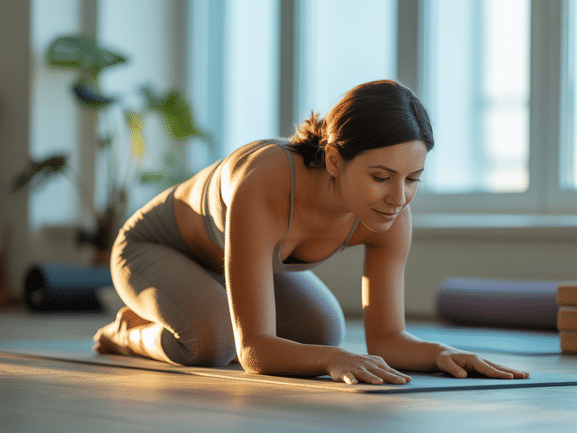
- Asanas (Physical Postures): These are the poses commonly associated with yoga. They are designed to build strength, increase flexibility, improve posture, and release physical tension stored in the body.
- Pranayama (Breathing Exercises): This involves the conscious control of breath. Pranayama techniques are used to calm the nervous system, increase lung capacity, and enhance life-force energy (prana).
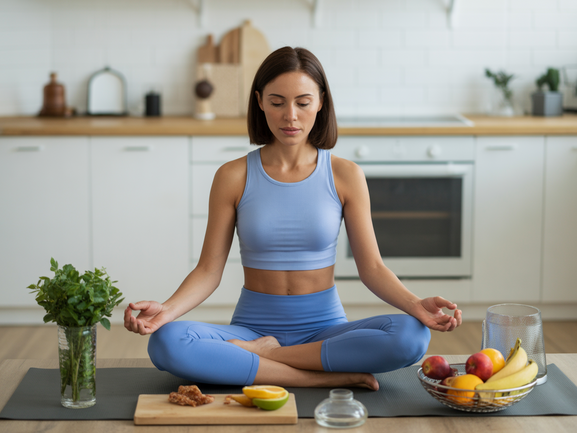
- Dhyana (Meditation): A key component of any complete yoga practice, meditation trains the mind to achieve a state of calm, focused awareness.
Meditation: The Practice of Mindful Awareness
Meditation is the practice of training your attention and awareness to achieve a mentally clear and emotionally calm state. By focusing your mind on a single point of reference—such as the breath, a mantra, or bodily sensations—you can quiet the constant stream of thoughts that often leads to stress. The goal isn’t to stop thinking, but to observe your thoughts without judgment, which cultivates a more positive and peaceful outlook on life.
The Synergy: How Do Yoga and Meditation Work Together?
Yoga and meditation create a powerful, self-reinforcing cycle of wellness. The physical practice of yoga prepares the body for the stillness required for effective meditation. By stretching muscles and releasing tension, you can sit more comfortably and for longer periods. The focus on breath during asanas is itself a form of moving meditation.
In turn, the mental clarity and focus gained from a consistent meditation practice enhance your body awareness and concentration during yoga. This synergy elevates both practices from simple exercises to a profound journey of self-discovery.
“The synergy between yoga and meditation is undeniable. A 2026 study from the Global Wellness Institute found that individuals who practice both report a 65% greater reduction in anxiety symptoms compared to those who only practice one.”
Scientifically-Backed Benefits for Modern Life
Integrating yoga and meditation into your routine offers a wealth of scientifically-backed benefits that directly address the physical and mental health challenges prevalent in 2026.

Key Physical Health Improvements
- Enhanced Flexibility and Strength: Regular practice tones muscles, protects joints, and improves your full range of motion.
- Reduced Chronic Pain: Proven to alleviate conditions like lower back pain, arthritis, and tension headaches by improving posture and reducing inflammation.
- Better Cardiovascular Health: Lowers resting heart rate and blood pressure, improving circulation. Prestigious .edu research institutions continue to validate these findings.
- Improved Sleep Quality: The practice of yoga nidra and mindfulness meditation helps regulate sleep patterns for more restorative and deeper rest.
- Boosted Immune System: By reducing stress hormones like cortisol, yoga and meditation can help strengthen your body’s natural defenses.
Key Mental and Emotional Gains
- Significant Stress and Anxiety Reduction: Activating the parasympathetic nervous system (the “rest and digest” response) is a core benefit.
- Increased Focus and Mental Clarity: Regular practice sharpens your concentration, memory, and decision-making skills in a world full of distractions.
- Greater Emotional Resilience: It helps you navigate life’s challenges with a calmer, more stable, and less reactive mindset.
- Elevated Mood: The practice can increase the production of mood-boosting neurotransmitters like serotonin and dopamine.
For more on the science, see this information from the National Center for Complementary and Integrative Health, a trusted .gov source, and research from institutions like Harvard University.
How to Start Your Yoga and Meditation Practice Today
Starting your journey is simpler than you might think. You don’t need to be an expert or have expensive gear. Your most important asset is a commitment to dedicating a small part of your day to your own well-being. Here’s a simple, step-by-step guide to begin:
- Set a Clear Intention: Define your ‘why.’ Is it to reduce stress, improve flexibility, sleep better, or simply find a moment of peace in your day? Your intention will be your anchor.
- Find a Quiet, Dedicated Space: Designate a small, quiet corner in your home. This simple act signals to your brain that it’s time to focus inward. Keep it clean and uncluttered.
- Start Small and Be Consistent: Consistency trumps duration. A 15-minute daily practice is far more effective for building new neural pathways than a 2-hour session once a week.
- Use a Guided Resource: Especially for beginners, following a guided session removes the guesswork. The Vitalizen app offers structured programs for all levels, making it easy to learn correct alignment and techniques.
- Listen to Your Body: The core principle of yoga is ‘ahimsa,’ or non-harming. Never push into pain. Use modifications and props to support your body where it is today.
🎯 **Ready to take the first step?** Start your wellness journey now with a guided program on Vitalizen!
What is the Cost of Practicing Yoga and Meditation?
The cost can vary widely, from completely free to hundreds of dollars per month. The beauty of these practices is their accessibility, regardless of budget. Here’s a breakdown of common options:
| Option | Typical Cost (Monthly) | Best For |
|---|---|---|
| At-Home Practice (Free) | $0 | Self-motivated individuals using free online resources and library books. |
| Wellness Apps (like Vitalizen) | $10 – $30 | Beginners and practitioners who need structure, variety, and the ability to practice anywhere. |
| Local Yoga Studio | $100 – $200+ | Those seeking community, in-person instruction, and a dedicated space away from home. |
Why This Practice is Crucial in 2026
The need for effective, accessible mental health tools has never been greater. Emerging data from early 2026 highlights a stark reality: over 70% of professionals now report experiencing persistent symptoms of burnout. The practices of yoga and meditation offer a powerful, non-pharmacological, and empowering solution to combat this pervasive trend and reclaim control over our mental landscape.
By investing a small amount of time in these practices, you are making a direct investment in your long-term health, happiness, and resilience in an increasingly demanding world.
💡 Tip: For more tips and guided practices, visit our blog for in-depth articles on mindfulness and physical well-being.
Frequently Asked Questions About Yoga and Meditation
How much time should I dedicate daily?
Even 10-15 minutes a day can make a huge difference. A 2026 study showed that consistency is far more important for building neural pathways associated with calm and focus than the duration of a single session. Start small and build from there as you feel comfortable.
Do I need any special equipment?
No, you don’t need anything to start. A yoga mat is recommended for comfort and grip, but a towel or carpeted floor works fine. The most important thing is a quiet space. For meditation, some people find a cushion helpful for posture, but a chair is also perfectly acceptable.
Can I practice if I’m not flexible?
Absolutely. Saying you’re not flexible enough for yoga is like saying you’re too dirty to take a shower. Yoga is the very practice that builds flexibility safely over time. All postures can be modified to suit your current ability. The goal is always progress, not perfection.
What is the difference between yoga and stretching?
While both improve flexibility, yoga is a more holistic practice. It intentionally links physical movement with conscious breath (pranayama) and mindful awareness. This mind-body connection is what transforms a physical exercise into a moving meditation that benefits your entire being.
Your journey to well-being is unique. If you have any questions or need guidance, please don’t hesitate to contact us. We are here to support you.
Now, we want to hear from you! What are your biggest goals for your well-being in 2026? Share your thoughts and experiences in the comments below!