

Yoga for Beginners: A Comprehensive Guide to Starting in 2026
What Exactly Is Yoga and Why Is It Perfect for Beginners?
Have you ever considered starting a yoga for beginners practice but felt overwhelmed by the complex poses and spiritual jargon? You’re not alone. At its core, yoga is an ancient practice focused on creating a powerful connection between mind, body, and spirit. In simple terms, it’s a system of physical postures (asanas), breathing exercises (pranayama), and meditation designed to dramatically improve your overall health and well-being. The best part? It’s not about being perfectly flexible; it’s about becoming more aware and accepting of your own body.
This guide is designed specifically for you, the absolute beginner. We will demystify the fundamental principles of yoga for beginners, explore its incredible benefits, and provide a clear, step-by-step path to begin your journey with confidence. With the right guidance, you can unlock a world of physical and mental wellness that will transform your daily life.
🎯 Ready to start your journey? Explore the Vitalizen App | Yoga + Meditation and discover a new way to care for yourself today!
Why Yoga is an Essential Wellness Tool in 2026
In our increasingly fast-paced and digitally-driven world, yoga is more than just a physical exercise; it’s a necessary tool for holistic health. The benefits are vast, scientifically backed, and more relevant than ever. For instance, a consistent practice can significantly improve your flexibility, strength, and balance. Furthermore, the intense focus on breathing and mindfulness helps to calm the nervous system, which is crucial for managing modern-day stressors like digital fatigue and information overload.
Incorporating yoga into your routine leads to a more balanced and fulfilling life. The mental clarity gained on the mat translates into better decision-making and emotional regulation off the mat.
According to a 2026 study from the National Institutes of Health (.gov), 86% of adults who practiced yoga regularly reported a significant reduction in stress levels, and 67% noted improved sleep quality within just three months.
How Does Yoga Work? The Core Components
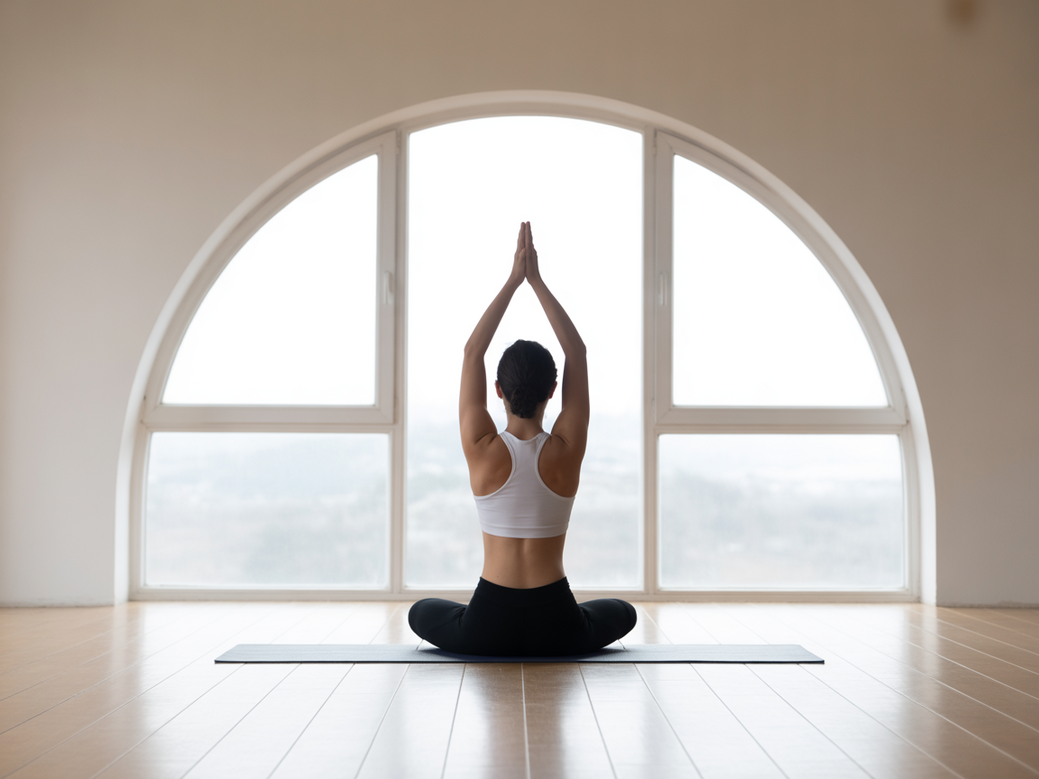
Yoga works by integrating three core components: physical postures (asanas), breathing techniques (pranayama), and meditation. For a beginner, the focus is on learning these foundational elements safely and effectively. Remember, consistency is far more important than perfection.
Unlocking Physical Benefits with Asanas
One of the most immediate benefits of yoga for beginners is the improvement in physical health. The various poses, or asanas, work to stretch and strengthen all the major muscle groups. As a result, you’ll notice increased flexibility and a wider range of motion. Holding poses also builds incredible muscular endurance. For example, poses like Plank and Downward-Facing Dog are excellent for building upper body and core strength. Balance poses, such as Tree Pose, can enhance your stability and coordination, which is vital for healthy aging.
Harnessing Mental and Emotional Rewards
Beyond the physical, yoga offers profound mental and emotional benefits. The practice of mindfulness and meditation, which are integral parts of yoga, helps you become more present and aware. This, in turn, can reduce the endless chatter of the mind and promote a deep sense of inner peace. Deep breathing techniques, known as pranayama, are also a powerful tool for managing stress and anxiety. By learning to control your breath, you can directly influence your nervous system and induce a state of calm relaxation. For more tips, check out our articles, news, tips, and guidance on yoga and meditation.
5 Foundational Yoga Poses for Beginners
To get started, focus on mastering a few key poses. This will build your confidence and provide a solid foundation for your practice. Here are five essential beginner yoga poses:
- Mountain Pose (Tadasana): The foundation for all standing poses. It teaches you to ground down through your feet and lengthen your spine, improving posture.
- Downward-Facing Dog (Adho Mukha Svanasana): An iconic yoga pose that stretches the entire body, from your hamstrings to your shoulders, while building upper body strength.
- Warrior II (Virabhadrasana II): A powerful standing pose that builds strength in the legs and core, opens the hips and chest, and develops concentration.
- Cat-Cow Stretch (Marjaryasana-Bitilasana): This gentle, flowing sequence warms up the spine, improves flexibility, and helps connect your breath to your movement. It’s a perfect starting point for any yoga for beginners session.
- Child’s Pose (Balasana): A resting pose that gently stretches the back, hips, and ankles. It’s a go-to for relaxation and stress relief during your practice.
How to Start Your Yoga Practice Today: A 7-Step Guide
Starting your yoga journey is a simple and rewarding process. Follow these steps to begin with confidence and build a lasting, beneficial habit.
- Set Your Intention: First, ask yourself: why do you want to practice yoga? Whether it’s for flexibility, stress relief, or strength, having a clear goal will keep you motivated.
- Create a Dedicated Space: Designate a quiet, comfortable, and clutter-free area in your home for your practice. It doesn’t have to be large—just enough space for your mat.
- Gather Basic Equipment: All you truly need is a yoga mat. As you progress, you might consider adding props like foam blocks, a strap, or a blanket to support your practice.
- Choose a Beginner-Friendly Style: Start with Hatha or gentle Vinyasa yoga. These styles are excellent for learning foundational poses and proper alignment.
- Start with Short, Consistent Sessions: Begin with 15-20 minute sessions three times a week. This helps build consistency without feeling overwhelming. Remember, frequency is more effective than duration when starting out.
- Listen to Your Body: The most important rule in yoga is to listen to your body’s signals. Never push into pain. Modify poses as needed and rest when you feel tired.
- Follow a Guided Practice: Using an app is one of the best ways to start. Use the Vitalizen App to access beginner-friendly classes and guided meditations that fit your schedule.
How Much Does Starting Yoga Cost?
The cost of starting a yoga practice can vary widely, from being completely free to a significant investment. It all depends on the path you choose. Here is a breakdown of potential expenses to help you budget for your new wellness journey.
Essential Equipment
Yoga Mat: Price Range: $20 – $120. A good, non-slip mat is your most important investment for safety and comfort.
Optional (But Recommended) Props
Yoga Blocks (2): Price Range: $15 – $30. Optional, but highly recommended for beginners to help with alignment and make poses more accessible.
Instruction and Guidance
Online Classes (App): Price Range: $0 – $30/month. Apps like Vitalizen offer a mix of free and premium content, providing flexibility and variety.
In-Person Studio Membership: Price Range: $80 – $200/month. Offers a sense of community and allows for hands-on correction from a certified instructor.
What Are the Main Benefits of Yoga for Beginners?
As a beginner, you will quickly start to notice positive changes in both your body and mind. The benefits are cumulative, meaning they build up over time with consistent practice, creating a lasting impact on your well-being.
- Improved Flexibility: Say goodbye to stiffness. Yoga systematically stretches your muscles, ligaments, and tendons.
- Increased Strength: Many yoga poses require you to support your own body weight in various ways, building functional, lean muscle.
- Better Posture: By strengthening your core and back and increasing bodily awareness, yoga helps you stand and sit taller.
- Reduced Stress and Anxiety: The powerful combination of breathing, movement, and mindfulness is a potent formula for a calmer mind.
- Enhanced Mind-Body Connection: You’ll become more attuned to your body’s subtle signals and needs, leading to better self-care.
- Improved Sleep Quality: A regular practice can help regulate your sleep cycles, leading to more restful and restorative nights.
Frequently Asked Questions About Yoga for Beginners
What do I need to start practicing yoga?
To start practicing yoga, you don’t need much. A comfortable mat is essential. Wear comfortable clothing that allows you to move freely. Most importantly, bring an open mind and a willingness to learn. For more resources, you can check out this Yoga Journal article for gear reviews.
How often should a beginner practice yoga?
For beginners, practicing 2-3 times a week for about 20-30 minutes is a great start. Consistency is more important than duration. As you become more comfortable, you can gradually increase the length and frequency of your sessions to match your wellness goals.
Can I practice yoga if I’m not flexible?
Absolutely! This is one of the biggest myths about yoga. You do not need to be flexible to start. In reality, yoga is the practice that helps you become more flexible. The practice meets you exactly where you are. With regular practice, you will notice a gradual and safe increase in your flexibility.
Can yoga help with weight loss?
Yes, yoga can be an effective tool for weight loss. More active styles like Vinyasa or Power Yoga can burn a significant number of calories. Additionally, yoga helps reduce stress (a common cause of weight gain) and promotes mindfulness, which can lead to healthier eating habits. According to a study from Harvard University (.edu), a 155-pound person can burn approximately 298 calories in a 60-minute Hatha yoga class.
Conclusion: Your Transformative Journey Starts Now
Yoga is a transformative practice that offers immense benefits for your physical, mental, and emotional health. From increased flexibility and strength to reduced stress and greater peace of mind, the rewards are endless. The key is to start where you are, be patient with yourself, and remain consistent. A yoga for beginners journey is a marathon, not a sprint.
💡 Tip: With the Vitalizen App | Yoga + Meditation, you have a powerful tool to guide you every step of the way. So why wait? Start your wellness journey now and discover the incredible power of yoga. If you have any questions, feel free to contact us.