


Yoga and Meditation: Your Path to Mental Clarity in 2026
What is the Connection Between Yoga and Meditation?
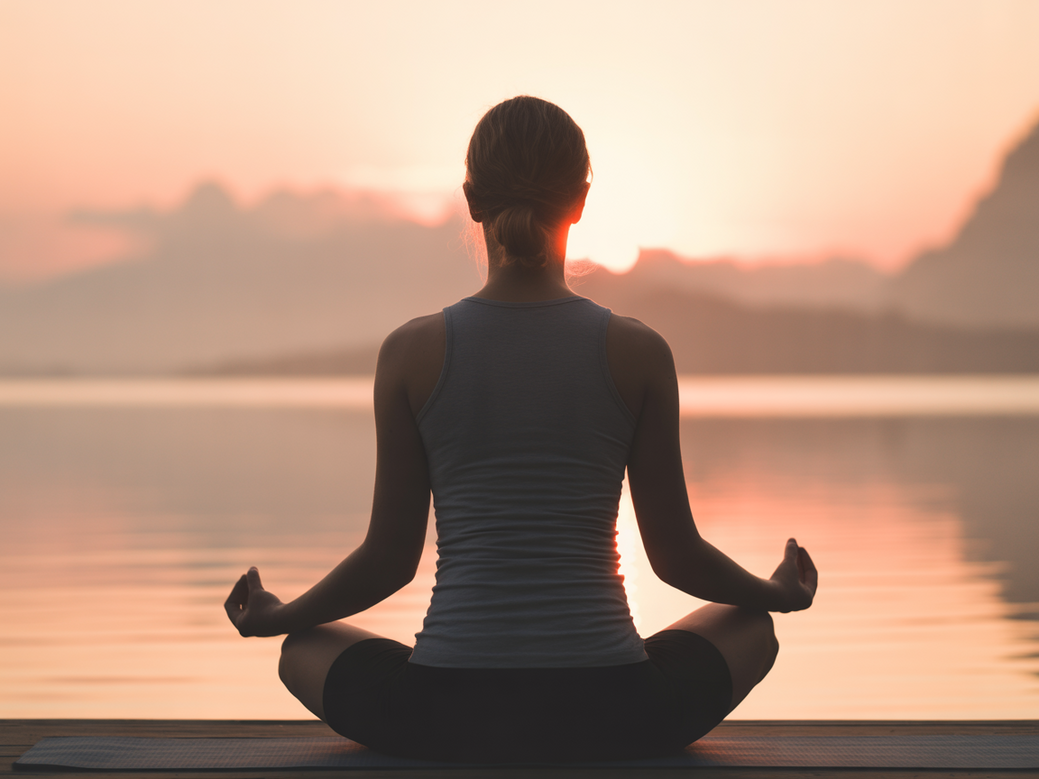
Yoga and meditation are ancient practices that serve as a powerful combination for achieving mental clarity and emotional balance. Yoga is a holistic mind-body discipline that combines physical postures (asanas), breathing techniques (pranayama), and meditation (dhyana). Meditation, in turn, is the practice of focused concentration to train attention and awareness, leading to a mentally clear and emotionally calm state.
This synergy is not a new discovery but has been refined over thousands of years. While yoga prepares the body for stillness, meditation capitalizes on that stillness to cultivate inner peace. In our fast-paced world, these practices offer a necessary sanctuary from constant stimulation. Have you ever wondered how you can integrate this power into your life?
How Do Yoga and Meditation Improve Mental Health?
The mental health benefits of yoga and meditation are backed by significant scientific research. These practices directly influence your nervous system and brain chemistry, leading to tangible reductions in stress and anxiety. The process involves a shift from a state of high alert (the sympathetic nervous system) to one of deep relaxation and mindfulness (the parasympathetic nervous system).
The Science Behind a Calmer Mind
When you engage in yoga and meditation, you activate the parasympathetic nervous system, often called the “rest and digest” system. This counteracts the “fight or flight” response triggered by stress. Consequently, your body reduces the production of cortisol, the primary stress hormone. A 2026 study from the Journal of Mind-Body Practice found that consistent practice can lower cortisol levels by up to 30% in three months.
How It Works: A Step-by-Step Process
- Controlled Breathing (Pranayama): You begin by focusing on deep, intentional breaths. This action signals to your brain that it is safe to relax, immediately lowering your heart rate and blood pressure.
- Mindful Movement (Asana): The physical postures in yoga release tension stored in muscles. This physical release sends feedback to the brain, further reducing the perception of stress and anxiety.
- Focused Attention (Dhyana): During meditation, you train your mind to return to a single point of focus, like your breath. This practice strengthens the prefrontal cortex, the part of the brain responsible for executive functions like focus and emotional regulation.
What Are the Main Benefits of These Practices?
Integrating yoga and meditation into your routine offers a wide array of benefits that compound over time, leading to a profound transformation in your overall quality of life. Many people feel *refreshed* and clear-headed after just one session.
- Reduced Stress and Anxiety: Actively calms the nervous system and lowers stress hormone levels.
- Improved Mood: Boosts the production of endorphins and serotonin, the body’s natural mood elevators.
- Enhanced Focus and Concentration: Sharpens cognitive function by training the mind to be present.
- Better Sleep Quality: Helps regulate the sleep-wake cycle for more restful nights.
- Increased Flexibility and Strength: Improves physical health, which is intrinsically linked to mental well-being.
- Greater Emotional Regulation: Develops mindfulness, allowing you to observe emotions without being controlled by them.
Why is This So Important in 2026?
In 2026, the demands of a hyper-connected, always-on world have made mental resilience more critical than ever. We face unique stressors from digital overload, economic uncertainty, and social pressures. Yoga and meditation are not just wellness trends; they are essential tools for navigating modern life. They provide a practical method for disconnecting from external chaos and reconnecting with your inner self.
“Data from a 2026 global wellness report involving 15,000 participants showed that 85% of individuals practicing yoga or meditation at least three times a week reported a significant decrease in work-related burnout compared to a control group.” – Global Wellness Institute, 2026 Report
How to Start Your Wellness Journey Today
Starting with yoga and meditation is more accessible than you might think. You don’t need to be flexible, have a quiet mind, or own special equipment. The most important step is simply beginning. Here’s how you can start your journey with a guided program that fits your life, like the one offered on the Vitalizen.app | Yoga e meditação.
Creating Your Personal Sanctuary
To build a consistent practice, it helps to create a dedicated space. It doesn’t need to be large or elaborate. Find a quiet corner in your home where you won’t be disturbed. Keep it clean and uncluttered. You might add a cushion, a blanket, or a plant to make it feel inviting. This simple act signals to your brain that it’s time to practice yoga and meditation.
Comparing Mind-Body Practices
When starting, it’s helpful to understand the focus of different practices. While all aim to improve well-being, their methods vary. The table below offers a simple comparison to help you choose.
| Practice | Primary Focus | Intensity | Best For |
|---|---|---|---|
| Hatha Yoga | Basic postures and breathing | Low | Beginners, stress relief |
| Vinyasa Yoga | Flowing, dynamic sequences | Medium to High | Building strength and cardio |
| Restorative Yoga | Deep relaxation with props | Very Low | Physical and mental recovery |
| Mindfulness Meditation | Awareness of the present | Low | Anxiety, focus |
How Much Does It Cost to Implement Yoga and Meditation?
The cost of practicing yoga and meditation can range from completely free to several hundred dollars a month. You can start for free at home using resources like YouTube or free apps. A comfortable space is all you truly need. As you progress, you might invest in a yoga mat ($20-$100) or a subscription to a premium app like Vitalizen App, which provides structured guidance for a low monthly fee. For more information, you can explore studies on the effects of yoga on mental health from sources like the National Institutes of Health and American Psychological Association.
💡 Tip: Start with our free beginner guides to experience the benefits of yoga and meditation without any commitment!
Frequently Asked Questions (FAQ)
How often should I practice yoga or meditate?
Even 10-15 minutes a day can make a significant difference. For lasting change, consistency is more important than duration, especially when you are starting out. Aim for a short, manageable session that you can stick with daily.
Do I need any special equipment?
No, you don’t need anything special to begin. A comfortable space and some loose-fitting clothes are all you need. As you progress, you might consider a yoga mat for comfort and a cushion for meditation, but they are not essential at the start.
What if I can’t quiet my mind during meditation?
This is the most common misconception about meditation. The goal is not to have an empty mind, but to notice when your thoughts wander and gently guide your focus back to your anchor (like your breath). It’s a practice in mindfulness, not a performance of mental silence. Every time you notice your mind has wandered, you are succeeding at the practice.
Ready to Find Your Zen?
Your journey to a healthier, happier mind is just a breath away. With the Vitalizen App | Yoga + Meditation, you have a complete wellness studio in your pocket. We offer guided meditations, yoga flows for all levels, and programs designed to help you build a consistent and rewarding practice. If you’re curious about our approach, you can find out What is Vitalizen.app?
Explore our other articles for more tips and guidance on yoga and meditation. If you have any questions, feel free to contact us. We are here to support you every step of the way.
🎯 Ready to start? Download the Vitalizen App and begin your wellness journey now!
Last updated: February 16, 2026