

Yoga and Meditation: Transform Your Mental and Physical Health
In the quest for a balanced and peaceful life, the combination of yoga and meditation emerges as a powerful tool for modern wellness. While yoga strengthens your body and improves flexibility, meditation calms your mind and enhances focus. Together, they create a holistic practice that nurtures both your physical and mental well-being.
Consequently, millions of people are turning to this transformative duo to find inner peace in our increasingly hectic world. Whether you are a complete beginner or looking to deepen your existing routine, understanding how these practices work together can revolutionize your health journey.
What Are Yoga and Meditation?
Defining Yoga as a Physical Practice
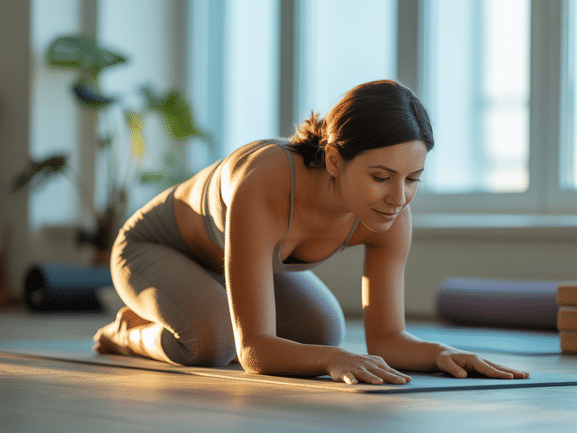
Yoga is an ancient discipline originating from India that combines physical postures, breathing techniques, and mindful movement. When you practice yoga, you engage in a series of asanas that stretch, strengthen, and balance your entire body. This physical component serves as moving meditation, requiring your full attention and presence in each moment.
Modern research from the National Center for Complementary and Integrative Health confirms that regular yoga practice improves cardiovascular health, reduces inflammation, and enhances overall physical function.
Understanding Meditation as Mental Training
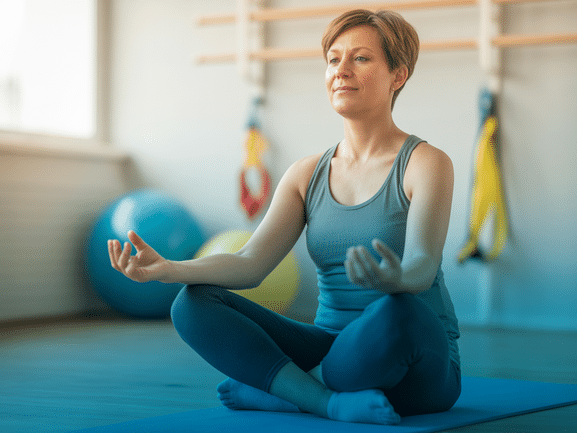
Meditation, conversely, is the practice of focused attention and awareness that trains your mind to achieve mental clarity and emotional stability. Through various techniques such as mindfulness, breath awareness, and guided visualization, you learn to observe your thoughts without judgment. This mental training complements the physical work of yoga perfectly.
How Do Yoga and Meditation Work Together?
The Mind-Body Connection Explained
Yoga is often described as meditation in motion. Each pose, or asana, presents an opportunity to be present and connect deeply with your breath. This moving mindfulness prepares your nervous system for the stillness of seated meditation. After a dynamic yoga session, your body feels relaxed and your mind becomes more receptive, making it significantly easier to slip into a deep meditative state.
The synergy between these practices creates a complete wellness system. While yoga releases physical tension, meditation addresses mental chatter. Together, they offer comprehensive stress management that neither practice can achieve alone.
Preparing the Body for Stillness
Physical tension often prevents mental stillness. When you practice yoga first, you release muscular tightness and nervous energy that might otherwise distract you during meditation. Your breath becomes slower and more rhythmic, creating the ideal physiological state for introspection. Therefore, these practices beautifully complement each other in a seamless wellness routine.
Breathing Techniques That Bridge Both Practices
Pranayama, or yogic breathing, serves as the bridge between movement and stillness. Specific techniques like Ujjayi breath, Nadi Shodhana (alternate nostril breathing), and diaphragmatic breathing activate your parasympathetic nervous system. These breathing patterns:
- Lower cortisol levels within minutes of practice
- Increase oxygen flow to your brain for better focus
- Regulate your heart rate variability for stress resilience
- Create a natural transition from active poses to seated meditation
Why Is This Practice Important for Your Mental Health?
Stress Reduction in 2026
According to the American Psychological Association’s 2026 Stress in America survey, 78% of adults report experiencing physical symptoms caused by stress. Combining yoga and meditation offers a scientifically proven antidote. Both practices activate your parasympathetic nervous system, commonly known as the rest and digest mode, effectively counteracting the fight-or-flight response.
Harvard Medical School research indicates that consistent practitioners show measurable changes in brain structure, including increased gray matter density in areas associated with emotional regulation.
Anxiety Management Benefits
Research from Johns Hopkins University (2026) indicates that regular practitioners experience a 40% reduction in anxiety symptoms compared to control groups. By integrating movement with stillness, you address both the somatic and cognitive aspects of anxiety, creating comprehensive mental health support.
What Are the Proven Benefits of Combining Yoga and Meditation?
Combining yoga with meditation offers a wide range of evidence-based benefits that can transform your daily life. This integrated approach addresses multiple dimensions of wellness simultaneously.
Physical Health Improvements
Your body responds remarkably well to this dual practice. Regular participation leads to measurable improvements in cardiovascular health, immune function, and hormonal balance. Studies demonstrate that practitioners maintain lower blood pressure and reduced inflammation markers compared to sedentary individuals.
Additional physical benefits include:
- Enhanced flexibility and joint mobility within 30 days
- Improved sleep quality and duration
- Better digestive function through stress reduction
- Increased energy levels without caffeine dependency
- Stronger immune response to seasonal illnesses
Mental Clarity and Focus
By clearing mental clutter through movement and then settling into stillness, you enhance your cognitive function significantly. Decision-making becomes easier, creativity flows more naturally, and your ability to concentrate improves dramatically. Many practitioners report feeling mentally refreshed rather than depleted after sessions.
| Benefit Category | Yoga Alone | Meditation Alone | Combined Practice |
|---|---|---|---|
| Stress Reduction | Good | Good | Excellent |
| Anxiety Management | Moderate | High | Superior |
| Physical Flexibility | High | Low | High |
| Mental Focus | Moderate | High | Exceptional |
How to Start Your Yoga and Meditation Practice in 2026
Getting started is simpler than you think. Begin with short, consistent sessions and gradually build your routine. Here’s a beginner-friendly approach:
Sample 20-Minute Daily Routine
- 5 minutes of gentle yoga: Cat-Cow, Child’s Pose, Downward Dog.
- 5 minutes pranayama: Diaphragmatic breathing or alternate nostril breathing.
- 10 minutes meditation: Seated mindfulness or guided body scan.
Practice in the morning for an energized start or evening for better sleep. Consistency trumps intensity—aim for daily practice over long sporadic sessions.
Conclusion: Your Path to Transformation Begins Now
Integrating yoga and meditation into your life offers profound, lasting changes. From reduced stress and anxiety to enhanced physical vitality, this powerful duo equips you for the challenges of 2026 and beyond. Start small, stay consistent, and witness the transformation.
Ready to begin? Download the Vitalizen App for guided yoga and meditation sessions tailored to your needs. Your wellness journey awaits!