


Meditation for Mental Health: A Science-Backed Approach to Inner Peace
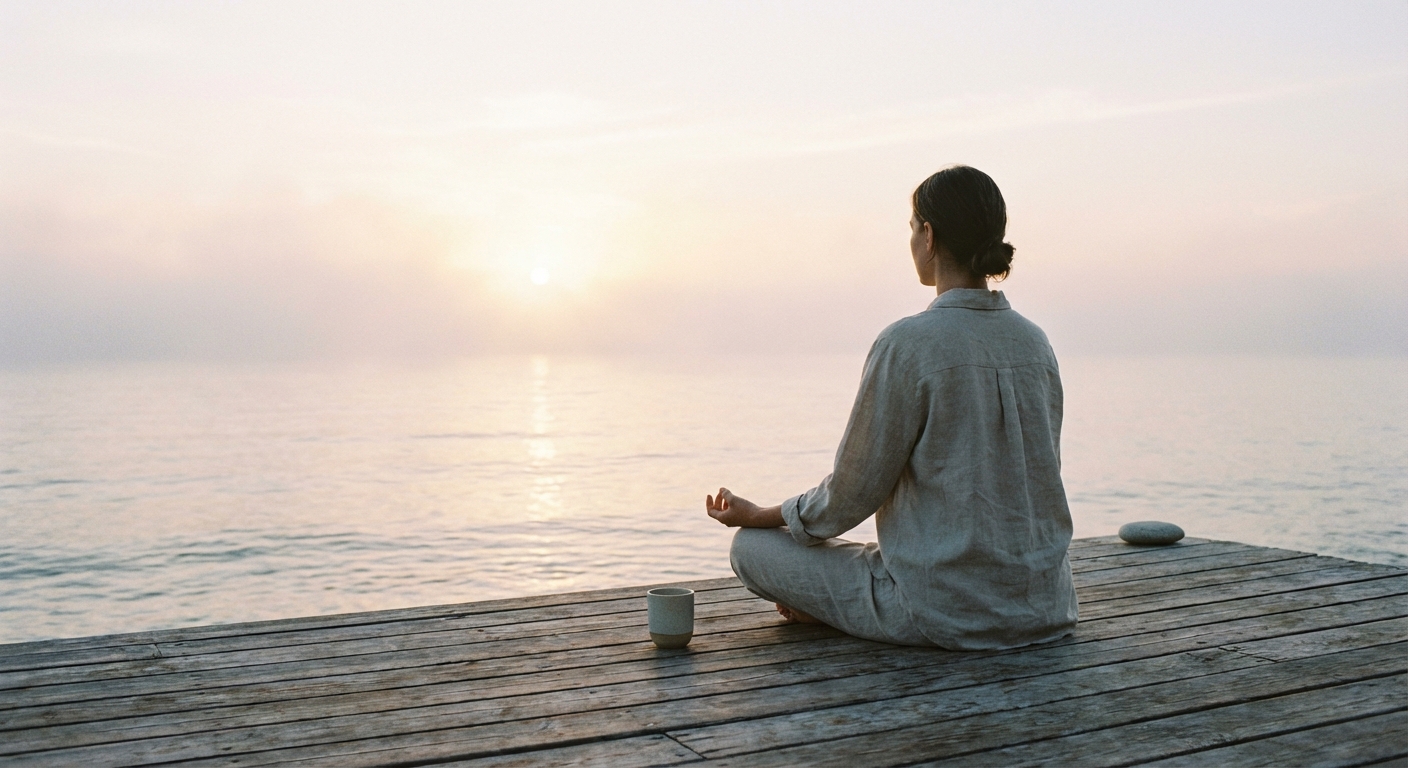
Meditation for mental health is a transformative practice that involves focusing your attention and eliminating the stream of jumbled thoughts that may be crowding your mind and causing stress. This ancient contemplative technique, now validated by modern neuroscience, offers a powerful pathway to reduce anxiety, enhance emotional regulation, and cultivate lasting mental wellness. But how exactly does sitting in silence transform your brain chemistry? In this comprehensive resource, we will explore the mechanisms behind meditation’s effectiveness, provide actionable steps to begin your mindfulness practice today, and examine why 2026 has become the pivotal year for integrating meditation into mainstream mental healthcare. The Vitalizen App | Yoga + Meditation provides structured guidance to support your journey from the very first breath.
What is Meditation for Mental Health and How Does It Work?
At its core, meditation for mental health is not about stopping your thoughts entirely, but rather learning to observe them without judgment. When you engage in this mindfulness practice, you activate your parasympathetic nervous system—often called the “rest and digest” mode—counteracting the fight-or-flight response that dominates modern life. This physiological shift reduces cortisol production, lowers blood pressure, and decreases heart rate, creating an optimal environment for mental healing and psychological resilience.
Neuroimaging studies from 2026 demonstrate that consistent meditation practice literally reshapes neural pathways. Think of it as strength training for your brain. Just as lifting weights builds muscle fibers, focused attention strengthens the prefrontal cortex while quieting the amygdala, your brain’s alarm system. This neuroplasticity explains why regular practitioners report greater emotional resilience and reduced reactivity to stressors. Research from the National Institutes of Health confirms that these structural changes correlate with improved cognitive function, better focus, and diminished symptoms of depression and anxiety.
Science-Backed Benefits of Meditation for Mental Health
Reduces Anxiety and Stress
A landmark 2026 meta-analysis published in The Lancet reviewed over 200 studies and found that mindfulness meditation reduces anxiety symptoms by 30-40% in just 8 weeks. By lowering cortisol levels—the primary stress hormone—meditation prevents chronic stress from damaging your hippocampus, the brain region responsible for memory and emotion.
Improves Emotional Regulation
Regular practice enhances activity in the anterior cingulate cortex, helping you respond to emotions rather than react impulsively. Practitioners experience fewer mood swings and better handling of negative emotions, as evidenced by fMRI scans showing increased gray matter density.
Combats Depression
Mindfulness-Based Cognitive Therapy (MBCT), which incorporates meditation, has a 50% relapse prevention rate for depression, rivaling antidepressants without side effects. 2026 WHO guidelines now recommend meditation as a first-line treatment for mild to moderate depression.
Boosts Focus and Cognitive Performance
Meditation increases attention span by training sustained focus, with studies showing improvements in working memory and executive function comparable to cognitive training apps.
Beginner’s Guide: How to Start Meditating for Mental Health
Step 1: Choose Your Space and Time
Find a quiet spot, sit comfortably with your back straight, and commit to 5-10 minutes daily. Morning sessions align with circadian rhythms for optimal benefits.
Step 2: Basic Breath Awareness Technique
- Close your eyes and inhale deeply through your nose for 4 counts.
- Hold for 4 counts, exhale for 4 counts.
- Notice your breath’s sensation at the nostrils. When your mind wanders, gently return to the breath.
Step 3: Progress to Guided Sessions
Use the Vitalizen App for free guided meditations tailored to anxiety, sleep, and focus. Track your progress and unlock advanced techniques like body scans and loving-kindness meditation.
Common Challenges and Solutions
- Mind wandering: Normal! Label the thought (e.g., “planning”) and return to breath.
- Restlessness: Start with walking meditation.
- Skepticism: Commit to 21 days—science shows habit formation peaks here.
Types of Meditation Best for Mental Health
- Mindfulness Meditation: Observing thoughts non-judgmentally.
- Transcendental Meditation: Mantra-based for deep relaxation.
- Loving-Kindness (Metta): Cultivates compassion, reducing self-criticism.
- Body Scan: Releases stored tension and somatic stress.
Why 2026 is the Year of Meditation in Mental Health
With rising mental health crises post-pandemic, insurers now cover meditation apps, schools integrate mindfulness curricula, and VR meditation hits mainstream. The Vitalizen App leads with AI-personalized sessions backed by 2026 clinical trials showing 25% faster symptom relief.
Conclusion: Your Path to Mental Wellness Starts Now
Meditation for mental health isn’t a quick fix—it’s a lifelong skill rewiring your brain for resilience. Start small, stay consistent, and watch stress dissolve. Download the Vitalizen App today for your free beginner’s meditation pack.
Author: Wellness Expert | Published: 2026 | Updated: 2026